
Blue Light Protection or UV Protection? Common Mistakes When Choosing Eye Protection Glasses
Introduction: Choosing the Right Eye Protection Is More Complicated Than It Looks
Eyeglasses have evolved far beyond simple vision correction tools. Today, consumers can choose from a wide range of lenses designed to address different lifestyle needs, including blue light filtering, UV protection, glare reduction, digital eye comfort, outdoor performance, and overall visual enhancement.
However, with so many options available, many people are unsure about what type of protection they actually need.
One of the most common questions customers ask is:
“Should I choose blue light protection glasses or UV protection glasses?”
The answer is not as simple as choosing one over the other. Blue light and ultraviolet (UV) radiation come from different sources, affect the eyes in different ways, and require different protective technologies.
A common mistake is assuming that one type of lens can solve every eye-related concern. Some people buy blue light glasses expecting complete protection from sunlight. Others purchase sunglasses without understanding whether the lenses actually block harmful UV rays.
Choosing the right eyewear requires understanding what each lens technology does, what it does not do, and which features match your daily environment.
This guide explores the differences between blue light protection and UV protection, explains common buying mistakes, and provides practical advice for selecting glasses that truly support long-term eye comfort and health.
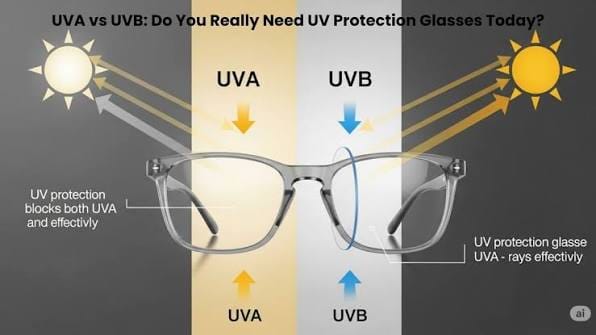
Understanding the Difference Between Blue Light and UV Radiation
Before choosing protective lenses, it is important to understand that blue light and UV radiation are not the same thing.
Both belong to the electromagnetic spectrum, but they have different wavelengths, sources, and biological effects.
What Is Blue Light?
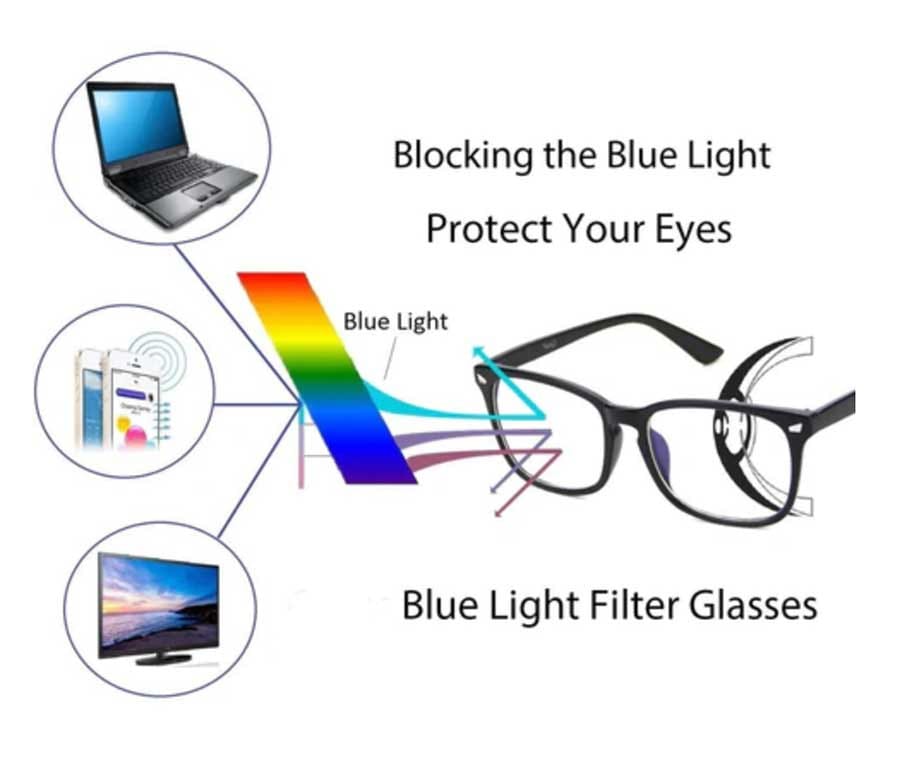
Blue light is part of the visible light spectrum. Unlike UV radiation, humans can see blue light.
Blue light generally refers to high-energy visible (HEV) light, which has shorter wavelengths compared with other visible colors.
Common sources include:
- Smartphones
- Tablets
- Computer monitors
- LED lighting
- Digital displays
- The sun
Because modern lifestyles involve many hours of screen exposure, blue light has received increasing attention in discussions about digital eye comfort.
What Is UV Radiation?
Ultraviolet radiation is invisible light beyond the visible spectrum.
The main types that affect everyday life are:
- UVA rays
- UVB rays
UV exposure primarily comes from sunlight, although some artificial sources can also produce UV radiation.
Unlike blue light, UV rays are strongly associated with outdoor exposure and can contribute to long-term changes in eye structures when protection is inadequate.
Blue Light Glasses: What They Can and Cannot Do
Blue light filtering glasses have become increasingly popular among office workers, students, gamers, and people who spend many hours using digital devices.
These lenses are designed to reduce the amount of blue light reaching the eyes by using special coatings or lens materials.
Potential Benefits of Blue Light Filtering Lenses
Many users report improved visual comfort when wearing blue light glasses during extended screen sessions.
Possible benefits include:
- Reduced glare perception
- Improved comfort during digital device use
- Less visual fatigue caused by harsh lighting environments
- Better nighttime screen habits for some users
However, consumers should understand an important distinction:
Blue light glasses are designed primarily for comfort, not as a universal solution for every eye problem.
They do not replace:
- Regular eye examinations
- Proper screen habits
- Appropriate lighting
- Correct vision correction
A Common Misunderstanding: Blue Light Causes All Eye Problems
One of the biggest misconceptions is that blue light from screens is the main cause of all modern eye issues.
In reality, digital eye discomfort is often related to multiple factors, including:
- Reduced blinking during screen use
- Long periods of focusing at a fixed distance
- Poor workstation setup
- Screen brightness and contrast
- Dry indoor environments
Blue light may be one factor, but it is not the only cause of visual discomfort.
UV Protection Glasses: Why They Matter for Long-Term Eye Health
UV protection is one of the most important features in outdoor eyewear.
Quality UV-blocking lenses help prevent ultraviolet radiation from reaching sensitive eye tissues.
Why UV Protection Is Important
Long-term UV exposure has been linked to several eye health concerns, including:
- Cataract development
- Eye surface irritation
- Changes to tissues around the eyes
- Increased stress on ocular structures
Because UV exposure accumulates throughout life, protection is important not only for older adults but also for younger people.
Children and teenagers often spend significant time outdoors, making early protection especially valuable.
Common Mistake #1: Assuming Dark Sunglasses Automatically Provide UV Protection
One of the most dangerous misconceptions about sunglasses is:
“The darker the lenses, the better the protection.”
This is not necessarily true.
Lens darkness only affects visible light transmission. It does not automatically indicate UV blocking ability.
A dark lens without proper UV protection can actually create a misleading situation:
- The dark tint reduces brightness.
- The pupils may naturally expand in darker conditions.
- More UV radiation may potentially enter the eye if the lens lacks UV filtering.
When buying sunglasses, consumers should look for clear information such as:
- 100% UV protection
- UV400 protection
- Blocking both UVA and UVB rays
Lens color alone should never be used as the deciding factor.
Common Mistake #2: Believing Blue Light Glasses Replace Sunglasses
Another frequent misunderstanding is thinking blue light filtering lenses provide complete outdoor protection.
Most blue light glasses are designed for indoor digital environments. They are not necessarily designed to block strong sunlight.
A person who wears blue light glasses while spending hours outdoors may still need proper UV protection.
For example:
A remote worker may use blue light lenses while working on a laptop indoors. However, when that same person goes hiking, driving, or spending time at the beach, sunglasses with reliable UV protection become much more important.
Different environments require different solutions.
Common Mistake #3: Choosing Lenses Based Only on Marketing Claims
The eyewear market includes many products with attractive descriptions:
- “Computer protection”
- “Radiation blocking”
- “Advanced eye defense”
- “Ultimate protection”
While these terms may sound impressive, consumers should look for specific information.
Reliable products usually provide details about:
- Lens material
- Coating technology
- UV blocking level
- Testing standards
- Intended use
A good pair of protective glasses should explain exactly what type of protection it provides.
Common Mistake #4: Ignoring Your Actual Lifestyle Needs
The best protective glasses are not necessarily the most expensive ones. They are the ones that match how you use your eyes every day.
Different lifestyles require different priorities.
Office Workers
People who spend most of their day indoors may benefit from:
- Anti-reflective coatings
- Comfortable prescription lenses
- Optional blue light filtering
- Lightweight frames
Outdoor Workers
People who spend many hours outside should prioritize:
- Strong UV protection
- Impact-resistant lenses
- Glare reduction
- Durable frames
Drivers
Drivers may prefer:
- Polarized lenses
- Anti-glare features
- UV protection
- Improved contrast
Digital Device Users
People who frequently use computers and smartphones may consider:
- Screen comfort features
- Proper prescription accuracy
- Reduced glare coatings
- Healthy viewing habits
Share this post
The Romance of Earth Tones in Fall: The Color Aesthetics of Trench Coats, Saddle Bags, and Tea-Tinted Sunglasses
Introduction: Falling in Love With the Colors of AutumnThere is something irresistibly romantic about autumn fashion.As summer fades, bright colors gradually give...
Best Glasses for Your Face Shape: Round, Square, Oval & More
Introduction: The Right Glasses Can Transform Your Entire AppearanceChoosing a pair of glasses is about much more than simply correcting your vision....
From Head to Toe: The Golden Ratio for Styling Glasses, Clothing, and Bags
Introduction: The Secret to Looking Polished From Head to ToeGreat style is rarely about wearing the most expensive clothes, following every trend,...

Minimalist Style: How Glasses and Bags Add the Perfect Finishing Touch to Black, White, and Gray Outfits
Minimalist fashion is often described as simple, effortless, and timeless. But creating a truly polished minimalist outfit is not as easy as...

Effortless Style: The Perfect Chemistry of Oversized Sweatshirts, Crossbody Bags, and Vintage Metal-Frame Glasses
Introduction: Why Relaxed Style Feels So RightFashion does not always have to look carefully calculated.Sometimes, the most appealing outfit is the one...

The Symphony of Metallic Elements: The Art of Layering Belt Buckles, Chain Bags, and Metal Frames
Introduction: When Metal Becomes a Fashion LanguageFashion has always been a conversation between materials, shapes, and personal expression. Among all design elements,...
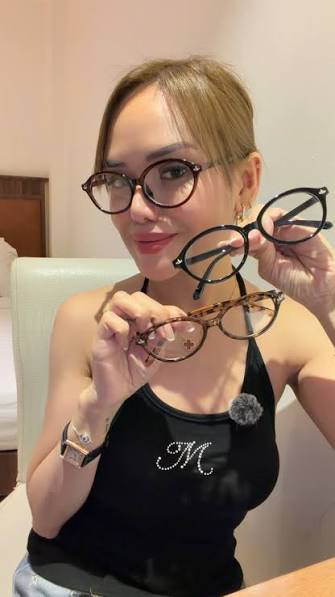
Eyeglasses as the Finishing Touch: How to Make Your Frames Blend Perfectly Into Your Everyday Outfits
Eyeglasses are more than a tool for clearer vision. Today, they are one of the most powerful accessories in a modern wardrobe....

Old Money Style Guide: How Cashmere Coats, Premium Leather Bags, and Classic Black Frame Glasses Create Timeless Elegance
Introduction: Understanding the True Meaning of Old Money FashionFashion trends come and go, but true elegance has always been about something deeper...
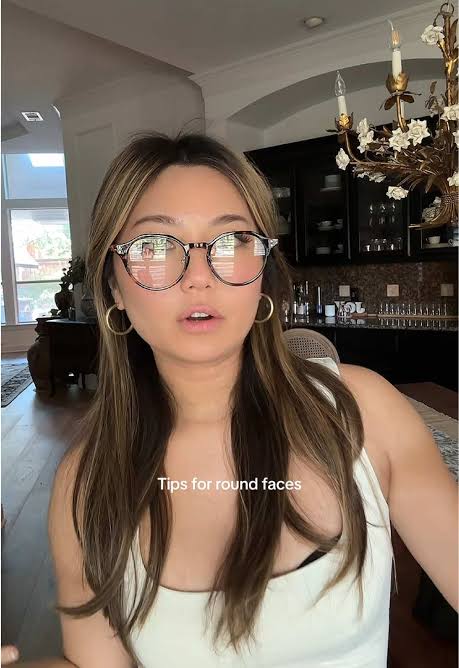
The Ultimate Style Rescue for Round-Faced Women: How Necklines, Bag Placement, and Geometric Glasses Create a Slimmer Look
Introduction: Redefining Beauty Beyond Face ShapeFor many women with round faces, getting dressed can sometimes feel like a constant battle. The cheeks...
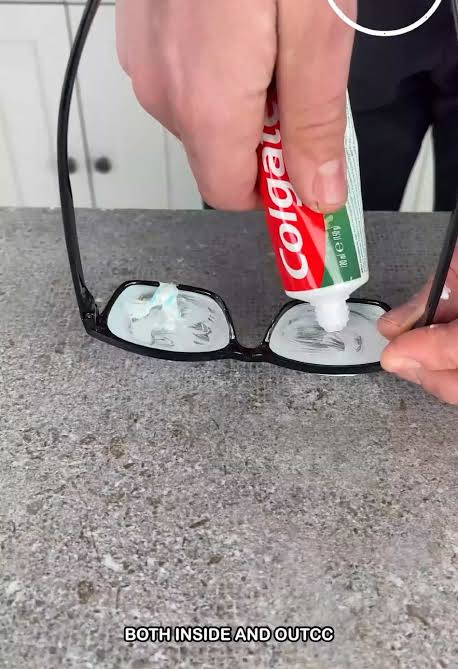
One Swipe, Crystal Clear: The Ultimate Guide to Efficient Eyeglass Cleaning
Introduction: Clear Vision Starts With Proper Lens CareFor millions of people around the world, eyeglasses are an essential part of daily life....

Eyeglasses as the Finishing Touch to Your Outfit: How Frame Shapes Can Elevate Your Style
Introduction: Eyeglasses as the Ultimate Fashion AccessoryWhen people think about fashion accessories, they often consider watches, jewelry, handbags, shoes, or clothing details....
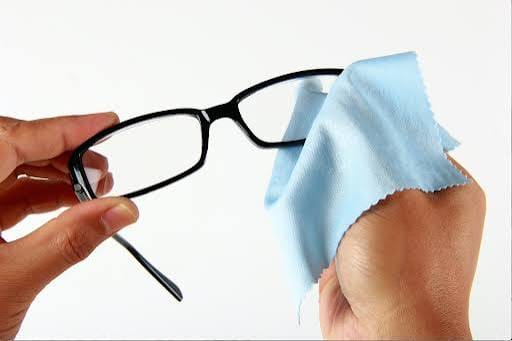
Care for Your Glasses Like You Care for Your Skin: The Complete Guide to Eyewear Maintenance
Introduction: Your Glasses Deserve More Than Just a Quick WipeMany people spend time and money caring for their skin every day.They choose...