
How to Measure Pupillary Distance(PD)?
What Is Pupillary Distance(PD)?
Pupillary Distance (PD) is the measurement, in millimeters, between the centers of your two pupils. This measurement is essential for crafting eyeglasses, as it ensures that the lenses’ optical centers align with your line of sight for optimal vision clarity.
Steps to measure your PD
Note: The average PD ranges from 54 to 78mm, but actual measurements may vary. To ensure accuracy, measure your PD 2-3 times.
Step1
Stand at arm's length from a friend or position yourself about 8 inches (20cm) away from a mirror.

Step2
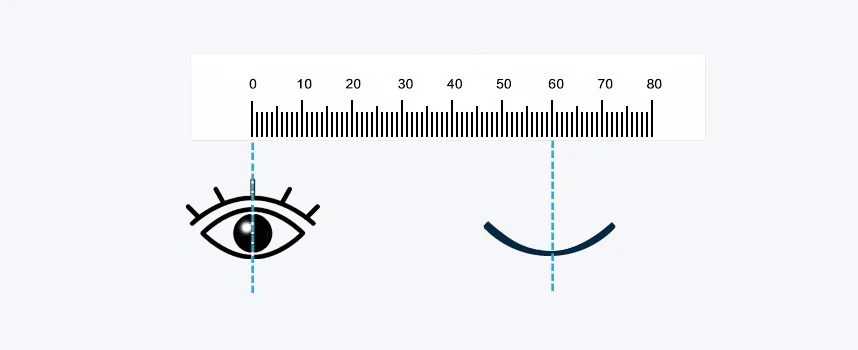
Close your right eye and position the 0 mm mark of a ruler over the center of your left pupil.
Step3
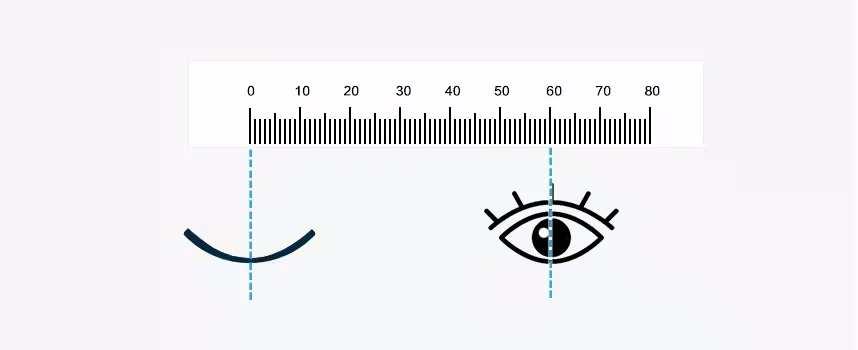
Close your left eye and note the measurement that aligns with the center of your right pupil. This value is your Total PD.
Step4
Measure the distance from the center of each pupil to the bridge of your nose separately. This will confirm if you have two distinct PD measurements for each eye.
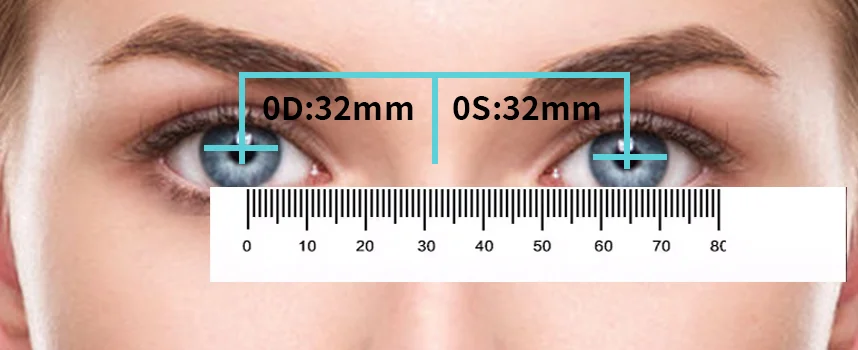
By following these steps, you can obtain accurate PD measurements, ensuring your glasses provide maximum comfort and visual precision.
Share this post

2026 Spring/Summer Fashion Trends: When Retro Small-Frame Glasses Meet the Underarm Bag
Fashion has always had a talent for bringing the past back in unexpected ways.A silhouette that once belonged to another decade can...

Soft Aesthetics for Girls with Square Faces: How Rounded Handbags and Gentle Eyeglass Frames Soften Facial Lines
A square face can be striking, elegant, and full of character. Defined by a broader forehead, a relatively straight jawline, and noticeable...
How to Buy Prescription Glasses Online on XCombo
Looking to buy glasses online? XCombo makes it easy to get stylish, high-quality glasses tailored to your prescription. Follow this simple step-by-step...

The Executive Style Code: A Career Guide to Suits, Briefcases, and Sophisticated Eyewear
In the modern workplace, professional style is about much more than wearing expensive clothes.The strongest business wardrobe communicates something before you say...
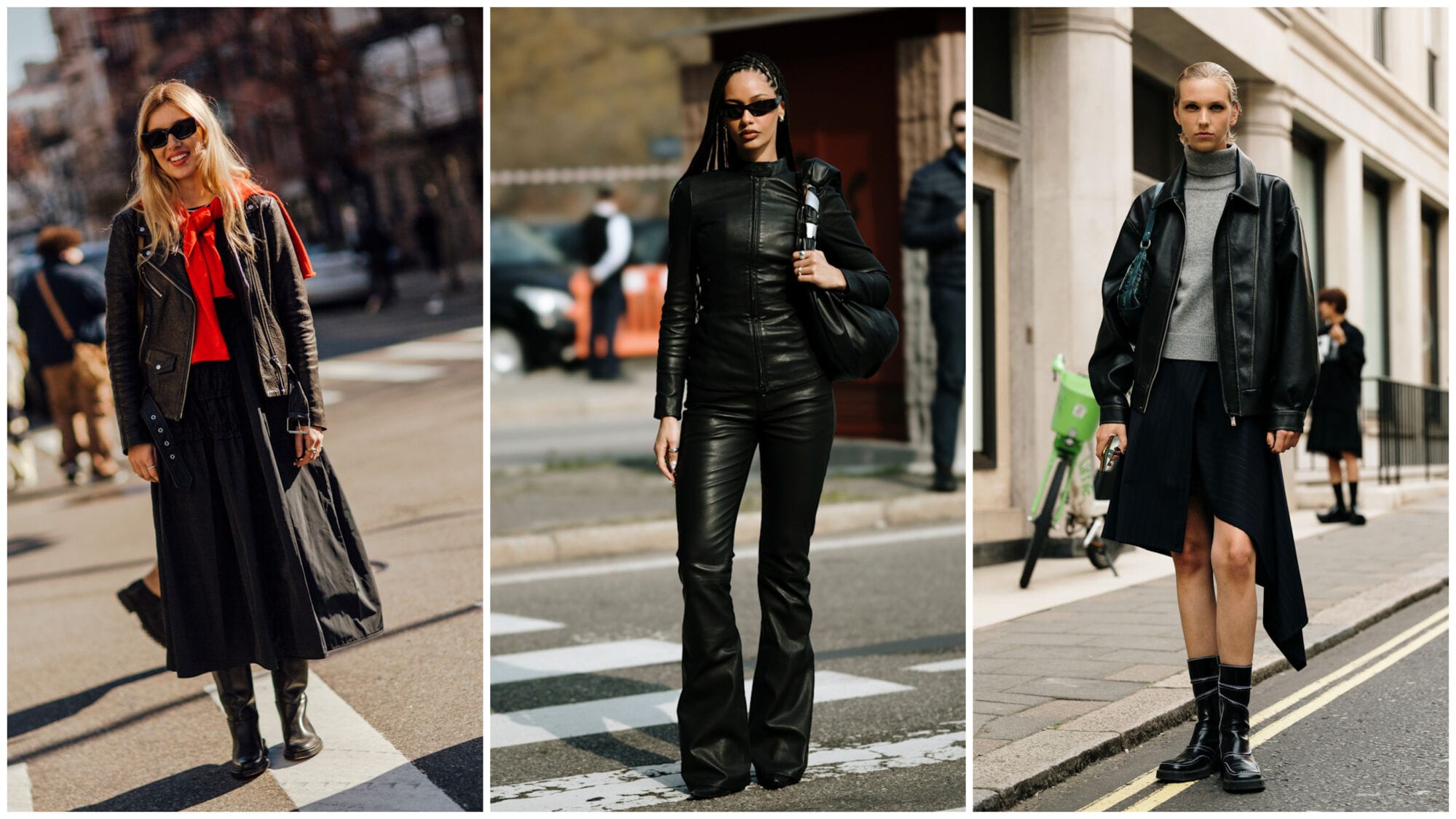
Street-Cool Style: How to Make Motorcycle Jackets, Belt Bags, and Futuristic Sunglasses Stand Out
Street fashion has never been about following every rule.It is about knowing which rules to break.A motorcycle jacket, a compact belt bag,...

The Art of Color Coordination: How to Match Your Bag With Your Eyeglass Frames for an Effortlessly Sophisticated Look
Fashion is often about the little details.A beautifully tailored outfit can look polished, yet something may still feel incomplete. The reason is...
Dating Night Style Secrets: The Perfect Collision of an Elegant Cocktail Dress, a Chain Evening Bag, and Sophisticated Semi-Rimless Glasses
Dating night is about more than choosing an outfit. It is about creating an impression without looking like you tried too hard....
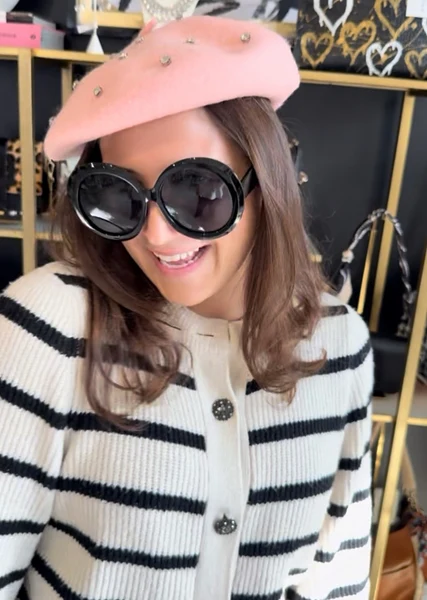
Effortless French Elegance: The Perfect Pairing of Knitwear, Tote Bags, and Cat-Eye Glasses
There is something undeniably captivating about French style.It is polished without looking overly polished, feminine without being overly delicate, and comfortable without...
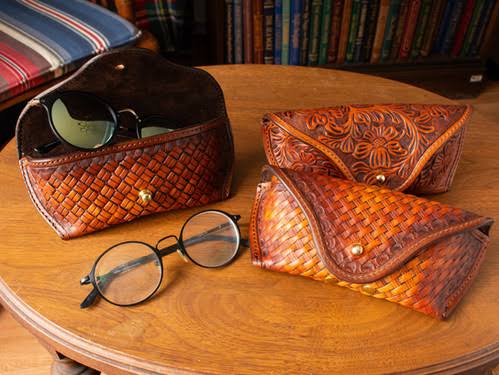
A Cross-Textural Conversation: The Tactile Collision of Leather Bags, Tweed Clothing, and Wood-Frame Eyewear
Introduction: When Materials Become the Main CharacterFashion is often discussed in terms of color, silhouette, trend, and season. Yet some of the...

The Ultimate Guide to Vacation-Style Outfits: Floral Dresses, Straw Bags, and Round Sunglasses for Summer
Summer is the season of relaxed mornings, warm afternoons, outdoor dinners, weekend getaways, and long-awaited vacations. It is also the perfect time...
The Romance of Earth Tones in Fall: The Color Aesthetics of Trench Coats, Saddle Bags, and Tea-Tinted Sunglasses
Introduction: Falling in Love With the Colors of AutumnThere is something irresistibly romantic about autumn fashion.As summer fades, bright colors gradually give...
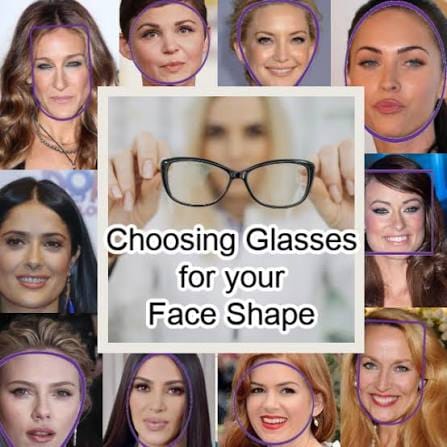
Best Glasses for Your Face Shape: Round, Square, Oval & More
Introduction: The Right Glasses Can Transform Your Entire AppearanceChoosing a pair of glasses is about much more than simply correcting your vision....