
Understanding CYL, AXIS, and SPH in Eye Prescriptions
When you receive an eye prescription, you may notice terms like CYL, AXIS, and SPH. These are essential measurements that help determine the right lenses for correcting your vision. Each term serves a specific purpose in addressing different vision issues such as nearsightedness, farsightedness, or astigmatism. Here's a breakdown of these terms and what they mean for your eye health.
What Is CYL in an Eye Prescription?
CYL Explained
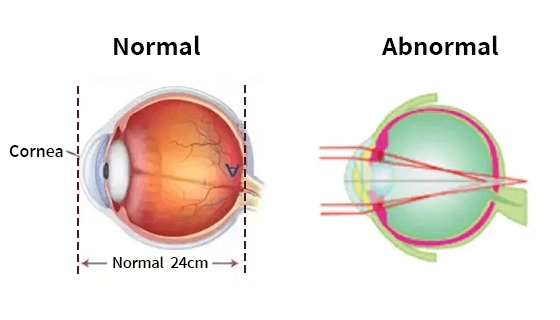
CYL stands for "Cylinder," which measures the lens power required to correct astigmatism. Astigmatism occurs when the cornea is irregularly shaped, causing blurred or distorted vision. CYL indicates the difference in power between the eye's weakest and strongest meridians, separated by 90 degrees.
Normal vs. Abnormal CYL
- A normal CYL indicates no astigmatism, and this section on your prescription will be blank.
- An abnormal CYL suggests astigmatism, and a numerical value will indicate the required correction.
What Is AXIS in an Eye Prescription?
AXIS Defined
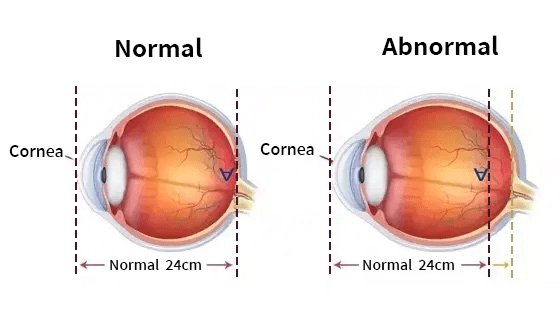
The AXIS refers to the orientation of astigmatism in the eye. It is measured in degrees, ranging from 1 to 180. The AXIS value helps position the cylindrical correction on the lens, aligning it with the irregular shape of the cornea.
Normal vs. Abnormal AXIS
- A normal AXIS is consistent and works with the CYL to ensure clear vision.
- Significant changes in AXIS, often greater than 90 degrees, may require a visit to an eye specialist for further evaluation.
What Is SPH in an Eye Prescription?
SPH Basics
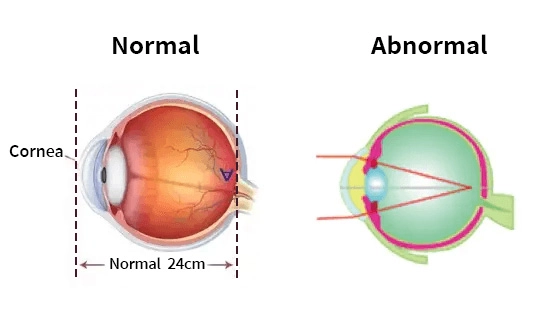
SPH stands for "Sphere," which indicates the spherical lens power needed to correct nearsightedness (myopia) or farsightedness (hyperopia). It measures the overall lens strength in diopters (D).
- A minus sign (-) before the SPH value indicates nearsightedness, where faraway objects appear blurry.
- A plus sign (+) indicates farsightedness, where nearby objects are difficult to see clearly.
Normal vs. Abnormal SPH
- A SPH value of 0 diopters indicates no need for spherical correction.
- A SPH value greater than 1.5 diopters suggests a need for corrective lenses.
FAQs About CYL, AXIS, and SPH
What Does CYL Mean in an Eye Prescription?
CYL represents the cylinder correction for astigmatism, showing the difference between the eye's weakest and strongest powers.
Is CYL Important to Know?
Yes, CYL is essential as it indicates whether or not you have astigmatism and helps determine the correct lenses for optimal vision.
Can the AXIS of the Eye Change?
While rare, changes in the cornea's shape can alter the AXIS. If the AXIS changes significantly, it’s crucial to consult an eye specialist.
What Does SPH Indicate with a Minus or Plus Sign?
- A minus sign (-) indicates nearsightedness.
- A plus sign (+) signifies farsightedness.
Why Understanding CYL, AXIS, and SPH Matters
These values are critical in determining the appropriate prescription lenses for correcting your vision. Knowing how to read your eye prescription can help you better understand your eye health and ensure you receive the right eyewear to improve your quality of life.
Share this post
Blue Light Blocking Lens
Blue-ray exists everywhere todayWith the widespread use of electronic screens, more people suffer from eyestrain symptoms when using electronic devices. One of...
Lenses And Coatings
At XCombo.com, we are committed to providing high-quality prescription lenses tailored to every pair of frames you purchase. Our affordable and reliable...
What Are Photochromic Lenses (Transition Lenses)? A Complete Guide
Photochromic lenses, also known as transition lenses, have become a popular choice for many eyeglass wearers. These lenses adjust automatically to changing...
High Index Lenses: Pros, Cons, and Essential Information
High index lenses are a lightweight and thinner alternative to regular lenses, designed to correct high refractive errors like nearsightedness, farsightedness, and...
What Affects the Thickness of Glasses Lenses?
When choosing new glasses, most people are excited about selecting a stylish frame, but for some, the thickness of the lenses is...
Bifocal Lenses: Benefits and Drawbacks Explained
If you’re struggling to see both near and far distances clearly, bifocal lenses may be a practical solution. These lenses combine two...
Trifocal Lenses: Advantages, Disadvantages, and Key Insights
Trifocal lenses are a popular choice for those struggling with presbyopia, a condition that affects near, intermediate, and distance vision. These lenses...
Trivex Lenses Explained: Differences, Advantages, and Considerations
Trivex lenses have gained significant attention in the eyewear industry as an advanced alternative to traditional lenses. Known for their durability, lightweight...
Varifocal Lenses: How They Work, Benefits, and Drawbacks
Varifocal lenses, also known as progressive lenses, provide seamless vision correction for various distances. They eliminate the need for multiple pairs of...