
Bifocal Lenses: Benefits and Drawbacks Explained
If you’re struggling to see both near and far distances clearly, bifocal lenses may be a practical solution. These lenses combine two prescriptions into a single lens, with one portion designed for distance vision and another for near vision, typically located at the lower half. Bifocal lenses can address conditions like myopia (short-sightedness) and presbyopia (age-related farsightedness), offering convenience and functionality in one pair of glasses.
What Are Bifocal Lenses?
How They Work
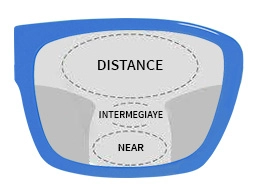
Bifocal lenses are specially designed for individuals who need vision correction for both long-distance and close-up tasks. They incorporate two distinct optical powers into a single lens:
- Upper portion: For clear distance vision.
- Lower portion: For close-up tasks like reading or writing.
Who Needs Them?
Typically recommended for those over 40-45 years old, bifocal lenses help combat presbyopia, a natural aging process where the eye’s lens loses its ability to focus on nearby objects. If you notice yourself holding books or screens further away to see clearly, it might be time to visit an optometrist.
Advantages of Bifocal Lenses
1. One Pair of Glasses for All Tasks
Bifocal lenses eliminate the hassle of switching between different glasses for near and far vision. Simply look straight ahead for distance and downward for close-up tasks. This dual functionality offers unmatched convenience for users.
2. Cost-Effective Compared to Progressive Lenses
Bifocal lenses are more affordable than progressive lenses, making them an ideal option for budget-conscious individuals. While progressives provide a seamless transition between different prescriptions, bifocals deliver essential functionality at a lower cost.
3. Easier Adjustment Period
Unlike progressive lenses, which may cause dizziness or nausea during the initial adjustment phase, bifocal lenses are easier to get used to. The distinct separation of prescriptions allows users to quickly learn which section to look through, minimizing discomfort.
Disadvantages of Bifocal Lenses
1. Visible Bifocal Line
One common complaint is the visible line separating the two prescriptions. This can be visually distracting and may reduce the field of view, as the stark division interrupts the natural line of sight.
2. Potential Visual Distortions
While bifocal lenses generally cause fewer distortions than progressive lenses, users may still encounter some challenges, such as:
- Adjusting to the lens division.
- Difficulties with depth perception, particularly when climbing stairs or curbs, as the near-vision section may distort the view.
3. Adjustment Period Required
Even though bifocals are easier to adapt to than other multifocal lenses, users new to them might experience headaches or mild nausea during the transition period. This happens as your eyes learn to switch between the lens sections for different tasks.
How Do Bifocal Lenses Compare to Progressive Lenses?
1. Structure and Function
- Bifocal lenses: Feature a distinct line separating the distance and near-vision areas.
- Progressive lenses: Offer a seamless transition between near, intermediate, and distance vision without visible lines.
2. Adjustment Period
Bifocal lenses are easier to adapt to, while progressive lenses often require more time due to their continuous gradation of prescriptions.
3. Cost
Bifocal lenses are generally more budget-friendly than progressives, making them an attractive choice for those prioritizing cost.
Summary of Bifocal Lenses Pros and Cons
Bifocal lenses provide a cost-effective and convenient solution for individuals needing correction for both near and far vision. While they come with some drawbacks, such as the visible bifocal line and an adjustment period, their advantages often outweigh these challenges.
When deciding on bifocal lenses, consider factors like your lifestyle, budget, and visual needs. Consult your optometrist to ensure you choose the right lens type for optimal comfort and vision clarity.
Share this post
Blue Light Blocking Lens
Blue-ray exists everywhere todayWith the widespread use of electronic screens, more people suffer from eyestrain symptoms when using electronic devices. One of...
Lenses And Coatings
At XCombo.com, we are committed to providing high-quality prescription lenses tailored to every pair of frames you purchase. Our affordable and reliable...
What Are Photochromic Lenses (Transition Lenses)? A Complete Guide
Photochromic lenses, also known as transition lenses, have become a popular choice for many eyeglass wearers. These lenses adjust automatically to changing...
High Index Lenses: Pros, Cons, and Essential Information
High index lenses are a lightweight and thinner alternative to regular lenses, designed to correct high refractive errors like nearsightedness, farsightedness, and...
What Affects the Thickness of Glasses Lenses?
When choosing new glasses, most people are excited about selecting a stylish frame, but for some, the thickness of the lenses is...
Understanding CYL, AXIS, and SPH in Eye Prescriptions
When you receive an eye prescription, you may notice terms like CYL, AXIS, and SPH. These are essential measurements that help determine...
Trifocal Lenses: Advantages, Disadvantages, and Key Insights
Trifocal lenses are a popular choice for those struggling with presbyopia, a condition that affects near, intermediate, and distance vision. These lenses...
Trivex Lenses Explained: Differences, Advantages, and Considerations
Trivex lenses have gained significant attention in the eyewear industry as an advanced alternative to traditional lenses. Known for their durability, lightweight...
Varifocal Lenses: How They Work, Benefits, and Drawbacks
Varifocal lenses, also known as progressive lenses, provide seamless vision correction for various distances. They eliminate the need for multiple pairs of...