
How Should Your Glasses Fit for Comfort and Style?
Choosing the right pair of eyeglasses involves not only selecting the perfect frame design but also ensuring a proper fit for maximum comfort and functionality. Eyeglasses that fit well will improve both your appearance and vision. Below, we explain the important factors to consider when determining how your glasses should fit.
Factors That Affect the Fit of Your Glasses
When you buy eyeglasses online or in-store, there are several factors that can influence the fit. Understanding these elements will help you find the most comfortable and suitable pair of glasses for your face shape and size.
Frame Width and Alignment
The frame width should align with the width of your face, especially at the temples. Frames that are too wide can misalign the lenses and make them appear off-center. Make sure the frames do not extend too far past the sides of your face.
Frame Measurements
Most eyeglass frames come with specific measurements, which include lens width, bridge width, and temple length. These measurements help ensure the frames fit your face properly. Be sure to check these dimensions before purchasing.
Pupillary Distance (PD)
Pupillary distance (PD) refers to the distance between the centers of your pupils, measured in millimeters. This measurement is crucial for proper lens alignment and helps ensure that the lenses are centered in front of your eyes, improving vision clarity and comfort.
Face Shape Considerations
Everyone has a unique face shape, which can impact the type of eyeglasses that fit best. For example, round faces tend to look better with angular frames, while people with square faces may opt for round or oval frames. Choose a frame that complements your natural face shape for both comfort and style.
How Glasses Should Fit on Your Face
The fit of your glasses should be comfortable and enhance your facial features. Here are some guidelines to ensure your glasses fit correctly and suit your face.
Eye Position and Lens Alignment
Your lenses should be centered directly in front of your eyes. The pupils should align with the center of each lens to prevent any discomfort or visual distortion. Misalignment can lead to eye strain, so make sure the frames are adjusted properly.
Eyebrow Visibility and Frame Height
The top rim of your glasses should sit comfortably just above your eyebrows. The frame should not cover or rest too high above them. Your eyebrows should remain visible above the frame to maintain a natural and balanced appearance.
Cheek Comfort and Frame Placement
Your glasses should not touch your cheeks when you smile. The bottom edge of the frame should sit slightly above your cheeks, ensuring no pressure is applied and providing a comfortable fit during movement.
Proper Nose Pad Fit
The nose pads should rest gently on the bridge of your nose without causing tightness or discomfort. If the nose pads are too tight, they can cause pressure, and if they are too loose, the glasses may slide down. Properly adjusted nose pads keep the glasses secure and comfortable.
Ear Placement and Temple Fit
The temples of your glasses should rest lightly on top of your ears without causing any pressure. If the temples are too tight, they can lead to discomfort, while if they are too loose, the glasses may slide off your face.
Head Fit and Frame Tension
The frame should not feel too tight against the sides of your head. A good-fitting pair of glasses will feel secure without excessive pressure, and they should not feel loose or wobbly when you move your head.
How to Determine if Your Glasses Fit Properly
It’s important to evaluate the fit of your glasses after wearing them for a while. Here are some tips to help you determine whether your glasses fit properly.
Proper Tightness
Your glasses should feel snug but not tight. If they are too loose or tight, you’ll notice discomfort throughout the day. A properly fitting pair of glasses will feel secure without you constantly adjusting them.
Frame Size in Relation to Your Face
Glasses that are too large may slip off your face, while frames that are too small may not fit securely. Ensure that the frame measurements are suited to your face size. Well-fitting glasses should rest comfortably without slipping or feeling tight.
Adjustments for Long-Term Comfort
Sometimes, even the best-fitting glasses need small adjustments over time. If you notice discomfort after wearing them for a while, visit an optician for adjustments to the nose pads or temples for a more comfortable fit.
Achieving the Perfect Fit for Your Eyeglasses
A proper fit is essential for both comfort and functionality. By understanding the key factors, such as frame width, lens alignment, and face shape, you can ensure that your eyeglasses fit properly and enhance your overall appearance. Regular adjustments will also help maintain comfort over time, ensuring you get the best experience from your glasses.
Share this post
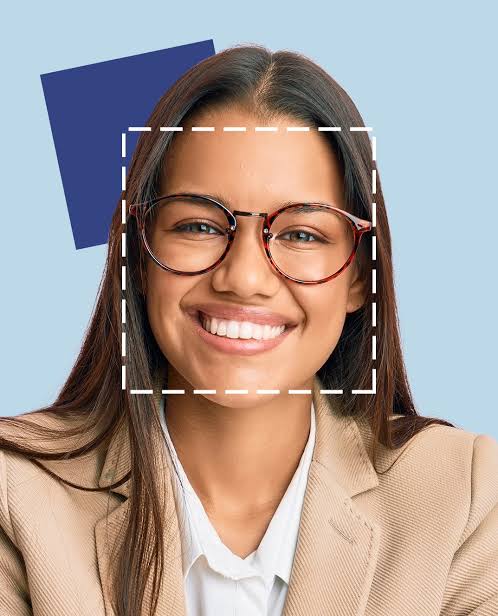
Soft Aesthetics for Girls with Square Faces: How Rounded Handbags and Gentle Eyeglass Frames Soften Facial Lines
A square face can be striking, elegant, and full of character. Defined by a broader forehead, a relatively straight jawline, and noticeable...
How to Buy Prescription Glasses Online on XCombo
Looking to buy glasses online? XCombo makes it easy to get stylish, high-quality glasses tailored to your prescription. Follow this simple step-by-step...

The Executive Style Code: A Career Guide to Suits, Briefcases, and Sophisticated Eyewear
In the modern workplace, professional style is about much more than wearing expensive clothes.The strongest business wardrobe communicates something before you say...
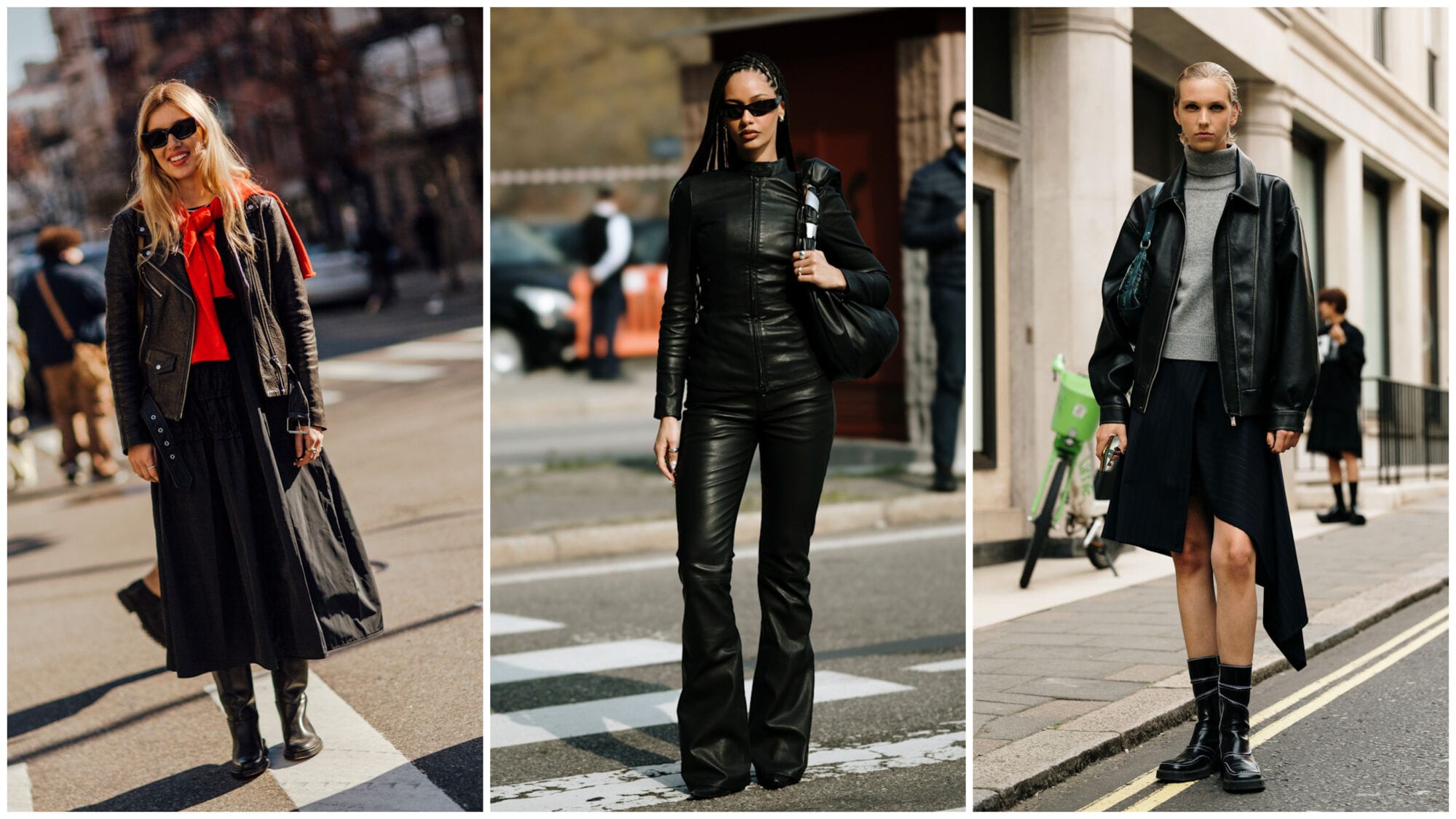
Street-Cool Style: How to Make Motorcycle Jackets, Belt Bags, and Futuristic Sunglasses Stand Out
Street fashion has never been about following every rule.It is about knowing which rules to break.A motorcycle jacket, a compact belt bag,...

The Art of Color Coordination: How to Match Your Bag With Your Eyeglass Frames for an Effortlessly Sophisticated Look
Fashion is often about the little details.A beautifully tailored outfit can look polished, yet something may still feel incomplete. The reason is...
Dating Night Style Secrets: The Perfect Collision of an Elegant Cocktail Dress, a Chain Evening Bag, and Sophisticated Semi-Rimless Glasses
Dating night is about more than choosing an outfit. It is about creating an impression without looking like you tried too hard....
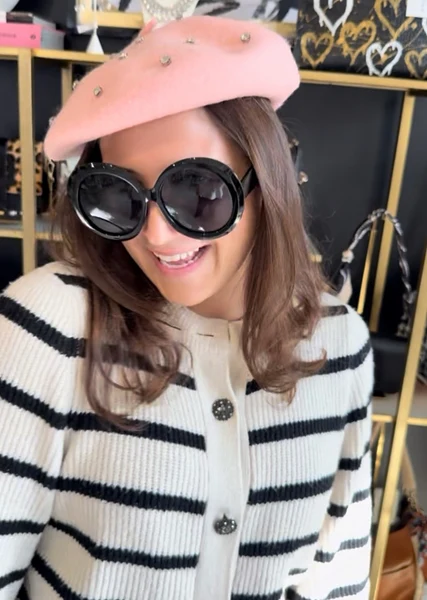
Effortless French Elegance: The Perfect Pairing of Knitwear, Tote Bags, and Cat-Eye Glasses
There is something undeniably captivating about French style.It is polished without looking overly polished, feminine without being overly delicate, and comfortable without...
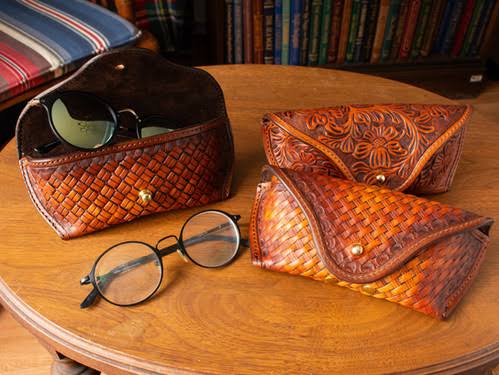
A Cross-Textural Conversation: The Tactile Collision of Leather Bags, Tweed Clothing, and Wood-Frame Eyewear
Introduction: When Materials Become the Main CharacterFashion is often discussed in terms of color, silhouette, trend, and season. Yet some of the...
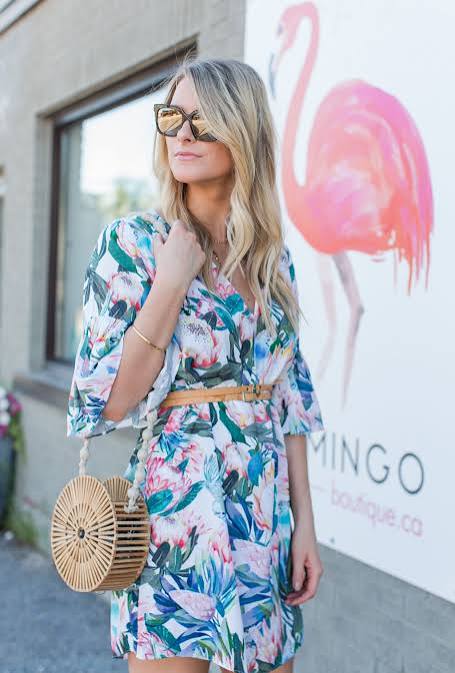
The Ultimate Guide to Vacation-Style Outfits: Floral Dresses, Straw Bags, and Round Sunglasses for Summer
Summer is the season of relaxed mornings, warm afternoons, outdoor dinners, weekend getaways, and long-awaited vacations. It is also the perfect time...
The Romance of Earth Tones in Fall: The Color Aesthetics of Trench Coats, Saddle Bags, and Tea-Tinted Sunglasses
Introduction: Falling in Love With the Colors of AutumnThere is something irresistibly romantic about autumn fashion.As summer fades, bright colors gradually give...
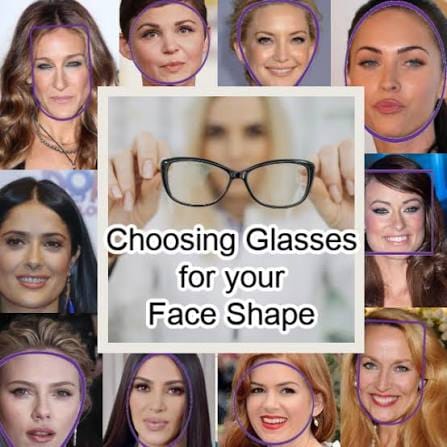
Best Glasses for Your Face Shape: Round, Square, Oval & More
Introduction: The Right Glasses Can Transform Your Entire AppearanceChoosing a pair of glasses is about much more than simply correcting your vision....
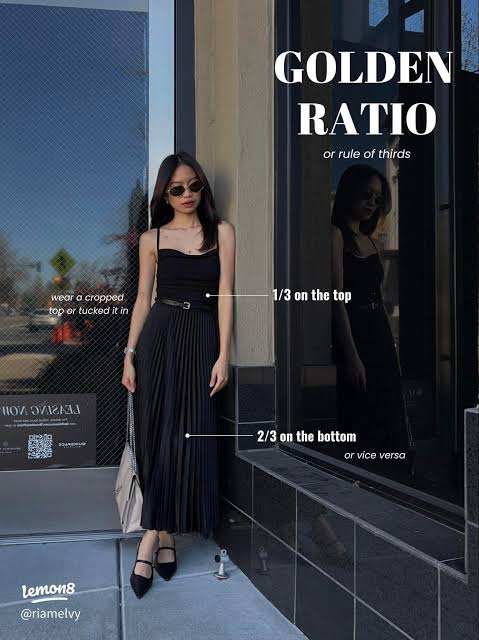
From Head to Toe: The Golden Ratio for Styling Glasses, Clothing, and Bags
Introduction: The Secret to Looking Polished From Head to ToeGreat style is rarely about wearing the most expensive clothes, following every trend,...