
Say Goodbye to an Awkward Look: How to Choose the Right Eyeglasses Based on Your Body Proportions and Bag Size
Eyeglasses are more than a vision-correction tool. They are also an important fashion accessory that can influence the balance, proportion, and overall impression of an outfit. The right pair of glasses can make your face look more harmonious, complement your body shape, and coordinate beautifully with the accessories you carry every day. However, even an attractive frame can look out of place when it does not match your proportions or the size of your handbag.
Many people choose eyeglasses based only on face shape, frame color, or current fashion trends. These factors certainly matter, but they are not the only considerations. Your height, shoulder width, body proportions, clothing volume, and even the size of your everyday bag can affect whether a pair of glasses looks naturally integrated into your appearance or creates an unexpected sense of imbalance.
For example, oversized frames may look stylish on someone with a tall figure and a structured outfit, but they may overwhelm a petite person wearing delicate clothing. Similarly, a very small, narrow frame may appear refined on a slim face but seem visually weak when paired with a large tote, oversized coat, or dramatic accessories.
The key is not to follow rigid fashion rules. Instead, it is to understand visual proportion and use it to create a coordinated appearance.
This guide explains how to choose eyeglasses according to your body proportions and bag size. It also explores frame width, lens height, color, material, outfit structure, and practical styling strategies to help you avoid a disconnected or awkward look.
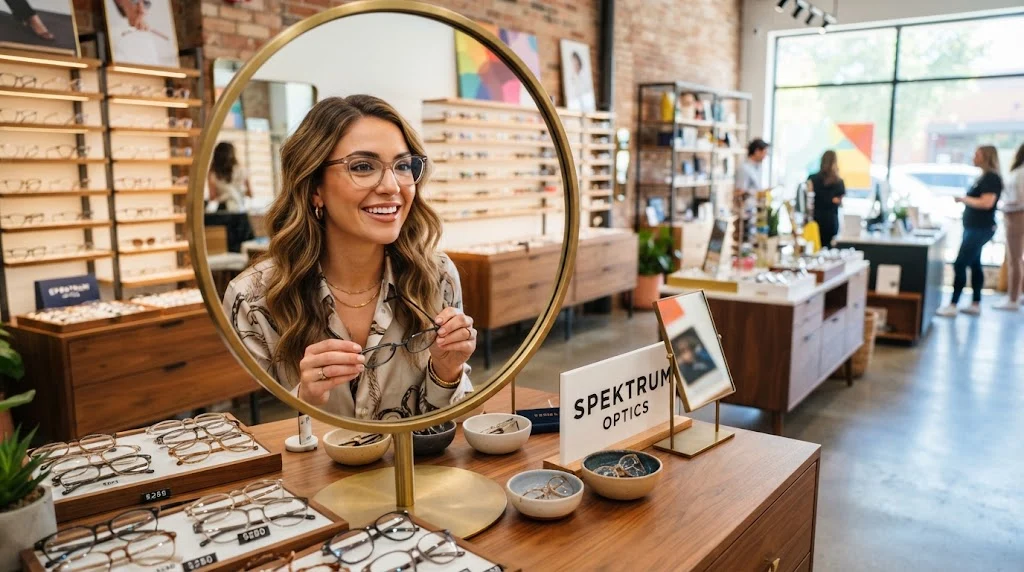
1. Why Body Proportions Matter When Choosing Eyeglasses
When people discuss eyeglass fitting, they usually focus on facial measurements. While face shape and facial width are essential, the visual relationship between your glasses and the rest of your body also matters.
The human eye naturally evaluates balance. When one accessory is much larger, heavier, or more visually striking than everything around it, it may become the only thing people notice. That can be intentional, but it can also make an outfit look unbalanced.
Eyeglasses sit directly on the face, which is one of the most noticeable areas of the body. Their size, shape, and color can influence how the entire figure is perceived.
1.1 Visual scale and overall balance
Visual scale refers to how large or small an object appears in relation to surrounding elements. In fashion styling, scale is influenced by:
- Height
- Shoulder width
- Head size
- Facial features
- Clothing volume
- Accessory size
- Frame thickness
- Bag dimensions
- Shoe shape
- Hair volume
A person with a tall frame may be able to wear larger eyeglasses without making the face appear overwhelmed. Someone with a smaller frame may find that medium-sized or slightly narrower glasses create a more balanced effect.
This does not mean petite people must avoid oversized glasses or tall people must avoid small frames. It simply means that the rest of the outfit should support the chosen scale.
For instance, oversized glasses can work well on a petite person when paired with:
- A clean hairstyle
- A simple neckline
- Minimal jewelry
- A compact handbag
- Clothing with a relatively streamlined silhouette
The same glasses may look less harmonious if combined with a large scarf, bulky coat, oversized tote, and statement earrings.
1.2 Eyeglasses as part of the full silhouette
An outfit is not made up of isolated pieces. Your glasses, hairstyle, clothing, bag, and shoes form one visual composition.
Imagine a person wearing:
- A fitted blazer
- Straight-leg trousers
- A medium-sized structured handbag
- Small metal-frame glasses
The overall look is likely to feel polished and controlled because the accessories have a similar visual weight.
Now imagine replacing the glasses with an extremely thick, oversized frame while keeping the rest of the outfit unchanged. The glasses may suddenly dominate the face and create a stronger, more dramatic impression than the clothing supports.
Neither look is automatically wrong. The difference is whether the frame’s scale matches the intended style.
2. Understand Your Body Proportions Before Choosing a Frame
Before selecting eyeglasses, take a moment to evaluate your general proportions. You do not need exact measurements or a particular body type. The goal is simply to understand your natural visual scale.
2.1 Petite proportions
People with petite proportions often have a smaller overall frame, narrower shoulders, or a shorter vertical silhouette. Eyeglasses that are extremely wide or heavy may dominate the face and make other accessories appear less noticeable.
However, petite individuals can still wear statement frames. The key is to control the rest of the look.
Helpful choices may include:
- Medium-width frames rather than extremely wide frames
- Lightweight materials
- Thin or moderately thick temples
- Soft geometric shapes
- Clear, translucent, or muted colors
- Compact handbags
- Simple clothing lines
If you prefer oversized glasses, consider choosing a frame with a lighter visual presence. A transparent acetate frame, thin metal frame, or softly rounded shape may provide the oversized effect without appearing too heavy.
2.2 Tall proportions
People with taller figures often have more room to accommodate larger accessories. Oversized eyeglasses, bold frames, and larger bags can create a coordinated, fashion-forward impression.
That said, very small glasses may appear visually insignificant when paired with:
- Wide shoulders
- Long coats
- Oversized jackets
- Large handbags
- Chunky shoes
- Dramatic jewelry
Small frames can still work beautifully, especially for minimalist or vintage-inspired outfits. To prevent them from looking disconnected, repeat their delicate scale elsewhere. For example, pair narrow glasses with a small shoulder bag, fine jewelry, and a streamlined outfit.
2.3 Broad shoulders
Shoulder width can influence how large a frame appears. People with broader shoulders may find that medium-to-wide eyeglasses create a more balanced relationship between the face and upper body.
Narrow frames are not prohibited, but they may create a stronger contrast. If you choose narrow glasses with broad-shouldered clothing, consider adding other refined details, such as:
- A small structured bag
- Fine earrings
- A narrow belt
- Slim shoes
- A clean neckline
Alternatively, a slightly wider frame can help visually connect the face with the shoulder line.
2.4 Narrow shoulders
If your shoulders are relatively narrow, extremely large frames may draw significant attention toward the face. This can be attractive if you want a fashion-focused look, but it may also make the upper body appear visually top-heavy.
Balanced choices include:
- Medium-width frames
- Rounded or softly angular shapes
- Moderate lens height
- Lightweight construction
- Medium-sized handbags
- Clothing with subtle shoulder structure
If you love oversized frames, balance them with a jacket, cardigan, scarf, or neckline that adds some visual structure around the shoulders.
2.5 Long or short vertical proportions
Vertical proportion refers to how the body’s length is visually distributed. A person with a long torso and shorter legs may style accessories differently from someone with a short torso and longer legs.
Eyeglasses do not directly change leg or torso length, but they contribute to the visual rhythm of the upper body. Large glasses, large earrings, and a large bag may concentrate attention on the upper half of the body. A smaller frame and a compact bag can create a quieter appearance.
When the goal is to elongate the overall silhouette, consider:
- Medium-sized eyeglasses
- Vertical or slightly upswept frame shapes
- A bag with a longer strap
- Monochromatic clothing
- Clean, uninterrupted outfit lines
When the goal is to create more visual presence around the upper body, larger frames and a structured bag may be useful.
3. The Relationship Between Frame Width and Facial Width
Although body proportions matter, eyeglasses must still fit the face correctly. A frame that is too narrow or too wide can look awkward regardless of body type.
3.1 Why frame width matters
The front width of a frame should generally correspond reasonably well with the width of your face. If the frame is too narrow, it may make the face appear wider or create a cramped appearance around the temples. If it is too wide, the eyes may appear too close together, and the frame may extend excessively beyond the face.
A well-fitting frame should:
- Sit comfortably on the bridge of the nose
- Avoid pressing tightly against the temples
- Keep the eyes reasonably centered in the lenses
- Stay stable during movement
- Follow the natural width of the face
- Avoid excessive slipping or tilting
3.2 The visual effect of wider frames
Wider frames can create a more relaxed, expressive, or contemporary look. They may also visually broaden the upper face.
They often work well with:
- Narrow or oval faces
- Long facial proportions
- Minimalist outfits that need a focal point
- Larger handbags
- Structured jackets
- Casual streetwear
However, a wide frame may appear too dominant when combined with a very small face, delicate clothing, and tiny accessories.
3.3 The visual effect of narrower frames
Narrow frames often create a refined, intellectual, vintage, or understated impression. They can work particularly well with:
- Small or medium facial proportions
- Tailored clothing
- Fine jewelry
- Compact handbags
- Slim silhouettes
- Minimalist wardrobes
A narrow frame can look elegant on a person with a larger figure, but it may need support from other small-scale accessories to avoid appearing visually isolated.
4. How Lens Height Influences Your Appearance
Frame width is not the only measurement to consider. Lens height can significantly influence the overall impression of eyeglasses.
4.1 Low lens height
Frames with shorter lenses often look sleek and lightweight. They may be suitable for:
- Small faces
- Narrow facial features
- Minimalist outfits
- Professional wardrobes
- Small handbags
- Lightweight summer clothing
Low-profile frames can help create a clean, understated look. However, if the rest of your outfit is very oversized, the glasses may appear too delicate unless you intentionally want that contrast.
4.2 Tall lenses
Frames with taller lenses often create a more noticeable and expressive appearance. They may be especially effective with:
- Larger facial features
- Tall or medium-tall figures
- Oversized coats
- Chunky knitwear
- Large tote bags
- Bold fashion styling
Tall lenses can add presence to the face, but they may overwhelm a small face if the frame is also wide and thick.
4.3 Balancing lens height with hairstyle
Hair volume changes the visual scale of the head. A person with thick, curly, or voluminous hair may be able to wear larger lenses without the glasses appearing too dominant. In contrast, a very short hairstyle may make a large frame stand out more strongly.
This does not mean hair and glasses must match perfectly. Instead, consider the combined visual weight of:
- Hair
- Eyeglasses
- Earrings
- Neckline
- Bag
- Outerwear
A bold frame can look balanced when the hairstyle and clothing provide enough structure around it.
5. Choosing Eyeglasses According to Your Everyday Bag
A handbag is one of the most important accessories to consider when selecting eyeglasses. Because both glasses and bags can serve as visual focal points, their size and style should either coordinate or create a deliberate contrast.
5.1 Small bags and compact eyeglasses
Small handbags, mini shoulder bags, and compact crossbody bags generally have a delicate visual scale. They often pair naturally with:
- Thin metal frames
- Narrow acetate frames
- Small geometric glasses
- Light-colored frames
- Minimalist designs
- Subtle decorative details
This combination creates a refined and controlled appearance.
For example, a small black shoulder bag with gold hardware may look elegant alongside thin gold eyeglasses. A mini cream-colored handbag may pair well with translucent beige frames or slim brown frames.
However, a small bag does not automatically require small glasses. If you want a bold fashion statement, oversized frames can create an interesting contrast. To make the contrast look intentional, keep the clothing relatively simple.
5.2 Medium-sized handbags and versatile frames
Medium-sized handbags are the easiest to coordinate because they offer a balanced visual scale. They can work with nearly every frame category, including:
- Medium-width acetate frames
- Classic rectangular frames
- Rounded metal frames
- Cat-eye glasses
- Browline frames
- Soft square frames
- Moderate oversized frames
If you want one pair of eyeglasses that works with most of your wardrobe, a medium-sized frame is often a practical choice.
A medium bag also gives you flexibility. You can use a bold frame with casual clothing or a delicate frame with tailored outfits without creating too much visual imbalance.
5.3 Large totes and oversized eyeglasses
Large totes, work bags, and oversized shoulder bags have a strong visual presence. They often pair well with glasses that have a similar level of structure.
Suitable choices may include:
- Wide rectangular frames
- Oversized square frames
- Thick acetate frames
- Bold browline designs
- Dark tortoiseshell frames
- Strong geometric shapes
The combination can create a confident, contemporary appearance.
However, large glasses and a large bag can become overwhelming when combined with bulky clothing and oversized jewelry. If you choose both accessories in a bold scale, consider simplifying another element of the outfit.
For example:
- Large tote + oversized glasses + fitted blazer
- Large work bag + bold frame + simple knit dress
- Oversized shoulder bag + statement glasses + streamlined trousers
The goal is not to make every item large. It is to balance strong accessories with quieter clothing or smaller details.
5.4 Structured bags and structured frames
A structured handbag has defined edges and a firm shape. It often communicates polish, professionalism, and precision.
To reinforce this impression, consider:
- Rectangular eyeglasses
- Square frames
- Browline frames
- Angular cat-eye styles
- Dark or neutral colors
- Clean metal details
This pairing works especially well for office clothing, tailored suits, blazers, and minimalist outfits.
A structured bag can also make rounded eyeglasses feel more approachable and softer. This creates a pleasing contrast between strict and relaxed elements.
5.5 Soft bags and rounded frames
Slouchy hobo bags, soft leather shoulder bags, fabric totes, and relaxed crossbody bags often pair naturally with rounded or softly curved eyeglasses.
Good options include:
- Round metal frames
- Oval glasses
- Soft-square shapes
- Rounded acetate frames
- Transparent frames
- Warm neutral colors
This combination creates a relaxed, artistic, approachable, or casual impression.
If you prefer angular glasses with a soft bag, choose a frame with softened corners rather than extremely sharp edges. This can help maintain visual harmony.
6. Matching Frame Thickness with Bag Structure
Frame thickness is another important element. Two glasses of the same width can create very different impressions depending on whether they are thin, medium, or thick.
6.1 Thin frames
Thin frames generally appear light and delicate. They are suitable for:
- Small handbags
- Fine jewelry
- Lightweight fabrics
- Slim silhouettes
- Minimalist outfits
- Soft colors
- Compact accessories
Thin frames can also balance a bold outfit by reducing visual clutter around the face.
6.2 Medium-thickness frames
Medium-thickness frames offer versatility. They are appropriate for:
- Everyday workwear
- Medium-sized handbags
- Casual outfits
- Smart-casual clothing
- Classic wardrobe staples
- Mixed accessory styles
If you frequently switch between backpacks, totes, crossbody bags, and shoulder bags, a medium-thickness frame may be the most adaptable option.
6.3 Thick frames
Thick frames create a stronger statement. They often work well with:
- Large handbags
- Structured outerwear
- Bold prints
- Chunky shoes
- Oversized sweaters
- Statement accessories
- Contemporary streetwear
Thick frames can look especially attractive when one other accessory repeats their visual weight. For example, a thick black frame can coordinate with a large black tote, black belt, or chunky black shoes.
The repetition does not need to be identical. Similar visual weight is often enough.
7. Coordinating Frame Color with Your Handbag
Color coordination does not mean that your glasses and bag must be the same color. In fact, exact matching can sometimes look overly deliberate. Instead, consider color relationships.
7.1 Monochromatic coordination
A monochromatic outfit uses different shades of one color family. For example:
- Black glasses
- Charcoal coat
- Black handbag
- Gray trousers
This approach creates a cohesive and sophisticated appearance.
Monochromatic styling works especially well with strong frame shapes because the color consistency helps integrate the accessories.
7.2 Repeating a small color detail
You can coordinate glasses and bags by repeating a subtle color.
For example:
- Brown tortoiseshell glasses with a cognac leather bag
- Burgundy frames with a burgundy handbag detail
- Gold metal glasses with gold bag hardware
- Olive frames with an olive scarf
- Cream frames with a beige tote
The repeated color creates visual continuity without making the accessories look identical.
7.3 Complementary contrast
Contrasting colors can also create a stylish effect. A neutral outfit may be enhanced by:
- Blue frames with a tan bag
- Green glasses with a burgundy handbag
- Warm brown frames with a cool gray bag
- Clear frames with a colorful tote
When using contrast, keep the rest of the outfit relatively controlled. Too many competing colors may make the accessories appear disconnected.
7.4 Neutral frames for maximum flexibility
If you own several bags in different colors, neutral eyeglasses may be the most practical choice.
Useful neutral frame colors include:
- Black
- Brown
- Tortoiseshell
- Clear
- Champagne
- Gray
- Navy
- Soft beige
- Dark olive
Neutral frames can adapt to different bag sizes, clothing colors, and seasonal wardrobes.
8. How Clothing Volume Changes the Best Frame Choice
Your clothing creates the background against which your eyeglasses and bag are viewed. The same frame may look entirely different with a fitted dress, oversized sweatshirt, or structured suit.
8.1 Fitted clothing
Fitted clothing usually creates a clean silhouette. It can support either delicate or bold glasses, depending on the desired style.
For a refined look, try:
- Slim frames
- Medium-width rectangular glasses
- Fine metal frames
- Small structured bags
For a stronger look, try:
- Oversized frames
- Bold cat-eye glasses
- Thick acetate frames
- Medium or large handbags
A fitted outfit gives statement accessories room to stand out without competing with excessive fabric volume.
8.2 Oversized clothing
Oversized clothing already has a strong visual presence. Large sweaters, wide-leg trousers, oversized coats, and relaxed jackets may pair well with medium-to-large frames, but the entire look should be carefully balanced.
If your clothing is oversized and your bag is also large, consider choosing glasses with:
- Moderate thickness
- Clear or translucent material
- Soft edges
- Medium width
- A lighter color
This prevents the face from becoming visually overloaded.
8.3 Tailored clothing
Tailored clothing often benefits from frames with clear structure. Suitable styles include:
- Rectangular glasses
- Square frames
- Browline designs
- Geometric metal frames
- Dark tortoiseshell
- Subtle cat-eye shapes
A structured frame can reinforce the precision of a blazer, suit, or tailored coat. A rounded frame can soften the outfit and make it appear more approachable.
8.4 Flowing or romantic clothing
Flowing dresses, soft blouses, pleated skirts, and romantic fabrics often pair well with:
- Rounded frames
- Oval glasses
- Delicate metal designs
- Soft cat-eye frames
- Light tortoiseshell
- Warm translucent colors
A very severe, thick, angular frame may create an intentional contrast, but it can also feel disconnected if no other structured element appears in the outfit.
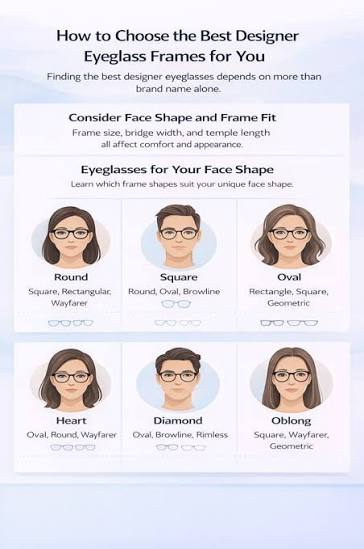
9. A Practical Guide for Different Body-and-Bag Combinations
The following combinations can help you understand how frame scale, body proportions, and bag size work together.
9.1 Petite figure with a small crossbody bag
A petite figure and small bag create a delicate visual scale. Consider:
- Medium-width frames
- Lightweight materials
- Thin temples
- Soft square or oval shapes
- Clear, beige, or light tortoiseshell colors
Avoid choosing an extremely thick frame unless the rest of the outfit is simple and streamlined.
9.2 Petite figure with a large work tote
A large tote can create a visual imbalance if the glasses are extremely small. A medium-width or slightly oversized frame may help connect the face with the bag.
Good choices include:
- Medium-thick acetate
- Soft rectangular frames
- Moderate cat-eye shapes
- Dark tortoiseshell
- Neutral colors
Keep the clothing relatively clean so that the glasses and bag do not compete with too many other details.
9.3 Tall figure with a mini handbag
A tall person carrying a very small bag may create a deliberate contrast. To reinforce a refined, minimalist style, choose:
- Narrow or medium-width glasses
- Thin metal frames
- Low-profile lenses
- Fine jewelry
- Simple clothing lines
If you want to emphasize the contrast, bold glasses can work, but they should be treated as a clear statement accessory.
9.4 Tall figure with an oversized tote
This is an excellent setting for statement eyewear. You may consider:
- Oversized square frames
- Wide rectangular glasses
- Thick acetate
- Bold browline styles
- Dark or saturated colors
To avoid looking excessively bulky, pair these accessories with a clean hairstyle and relatively simple clothing.
9.5 Broad shoulders with a medium handbag
Medium-to-wide frames can create a balanced relationship with broader shoulders. Consider:
- Rectangular frames
- Soft square shapes
- Moderate lens height
- Medium-thickness temples
- Structured or semi-structured bags
A narrow frame may also work if you prefer a delicate, understated aesthetic.
9.6 Narrow shoulders with a large shoulder bag
A large shoulder bag can add visual weight to the upper body. If you also wear oversized glasses, the upper half may become very prominent.
To create balance, consider:
- Medium-width glasses
- Lighter frame colors
- Moderate thickness
- Soft shapes
- A bag with a controlled silhouette
Alternatively, embrace the dramatic effect intentionally and keep the lower half of the outfit visually strong with wide-leg pants, substantial shoes, or a structured skirt.
10. How to Avoid the “Everything Is Oversized” Problem
Oversized fashion can look modern and effortless, but wearing too many large accessories at once may make the outfit feel heavy.
A combination such as the following may be visually overwhelming:
- Oversized glasses
- Large earrings
- Voluminous hair
- Oversized scarf
- Oversized coat
- Large tote
- Chunky shoes
The problem is not any single item. The issue is the accumulation of visual weight.
A useful styling principle is to choose one or two dominant elements and allow the remaining pieces to provide support.
For example:
Option A: Bold glasses as the focal point
- Oversized glasses
- Medium handbag
- Simple earrings
- Fitted or streamlined clothing
Option B: Large bag as the focal point
- Medium-sized glasses
- Large structured tote
- Minimal jewelry
- Clean clothing silhouette
Option C: Dramatic clothing as the focal point
- Lightweight glasses
- Small or medium handbag
- Simple shoes
- Minimal accessories
This approach makes the outfit look intentional rather than crowded.
11. When Contrast Works Better Than Matching
Although coordination is useful, perfect matching is not always the goal. Fashion often becomes more interesting when different scales or shapes are combined thoughtfully.
11.1 Small glasses with a large bag
This combination can create a sophisticated, editorial appearance. The contrast may emphasize the size of the bag while keeping the face visually delicate.
It works particularly well with:
- Tailored coats
- Minimalist clothing
- Monochromatic outfits
- Sleek hairstyles
- Fine jewelry
11.2 Large glasses with a small bag
This combination creates a playful or fashion-forward effect. The glasses become the main statement, while the small bag adds a contrasting accessory.
It can work with:
- Casual denim
- Simple dresses
- Cropped jackets
- Minimalist streetwear
- Clean silhouettes
11.3 Angular glasses with a soft bag
The contrast between hard and soft shapes can create visual interest. For example, square glasses paired with a slouchy leather bag may look modern but approachable.
11.4 Rounded glasses with a structured bag
Rounded glasses can soften the strict appearance of a structured handbag. This is useful for professional outfits that might otherwise look overly formal.
The key is to make the contrast appear deliberate. Repeating a color, material, or detail elsewhere in the outfit can help connect the two accessories.
12. Consider Your Lifestyle, Not Just Appearance
The most attractive glasses are not necessarily the most useful ones. Your daily routine should influence your frame selection.
12.1 Office and professional settings
If you work in a formal environment, consider:
- Medium-width frames
- Neutral colors
- Moderate thickness
- Comfortable nose pads
- Durable materials
- Shapes that complement tailored clothing
A structured handbag and classic frame can create a polished appearance without looking overly formal.
12.2 Travel and commuting
For commuting, walking, or traveling, comfort and durability are especially important. Consider:
- Lightweight frames
- Secure temples
- Scratch-resistant lenses
- Flexible materials
- Medium-sized bags with protective compartments
Your glasses should remain comfortable even when your bag is full and your day is busy.
12.3 Creative or fashion-oriented work
If your environment allows more personal expression, you may experiment with:
- Oversized frames
- Unusual geometric shapes
- Transparent colors
- Bold tortoiseshell patterns
- Sculptural acetate
- Contrasting bag styles
However, even expressive styling benefits from a clear focal point.
12.4 Minimalist wardrobes
If your wardrobe consists mainly of neutral basics, eyeglasses can become a useful signature accessory. A distinctive frame may add personality without requiring dramatic clothing.
A medium-to-bold frame can work particularly well with:
- White shirts
- Black trousers
- Simple knitwear
- Neutral coats
- Medium-sized handbags
13. Practical Fitting Considerations You Should Never Ignore
Style is important, but comfort and optical performance come first. A frame that looks attractive but fits poorly will not create a polished appearance.
13.1 Eye position
Your eyes should be positioned appropriately within the lenses. If the eyes sit too close to one side, the frame may look incorrectly sized and the lenses may not perform as intended.
13.2 Bridge fit
The bridge should sit comfortably on your nose without excessive slipping or pressure. Different nose shapes may require different bridge designs or adjustable nose pads.
13.3 Temple length
The temples should extend comfortably behind the ears without creating pressure. If they are too short or too long, the glasses may sit incorrectly.
13.4 Frame stability
Your glasses should remain stable when you:
- Turn your head
- Bend down
- Walk quickly
- Talk
- Smile
- Wear a mask
- Adjust your hair
A frame that constantly slides or tilts can undermine even the most carefully coordinated outfit.
13.5 Lens thickness and prescription needs
Certain prescriptions may require specific lens materials, thicknesses, or frame shapes. A very large frame may not always be the best practical choice for every prescription.
Discuss lens options with a qualified optical professional before selecting a fashion-driven frame.
14. How to Use Accessories to Create Visual Continuity
Visual continuity means that the elements of an outfit appear connected rather than randomly assembled. You can create continuity by repeating:
- Color
- Shape
- Material
- Texture
- Visual weight
- Hardware finish
14.1 Repeat the frame color
If your glasses are dark brown, consider a brown belt, brown shoes, or a cognac bag.
14.2 Repeat the frame shape
If your glasses have rounded corners, you might choose a handbag with curved edges or rounded hardware.
If your glasses are angular, a structured bag or geometric jewelry may reinforce the same design language.
14.3 Repeat the hardware finish
Gold eyeglasses can coordinate with gold bag hardware, while silver frames may work naturally with silver jewelry and cool-toned accessories.
14.4 Repeat the material impression
Tortoiseshell acetate frames may pair beautifully with leather bags because both have a rich, tactile appearance. Transparent frames may work well with lightweight fabrics and minimalist accessories.
15. Common Mistakes to Avoid
Mistake 1: Choosing glasses based only on trends
A fashionable frame may not suit your proportions, lifestyle, or wardrobe. Consider how it works with your existing accessories before purchasing.
Mistake 2: Ignoring bag size
A very small frame may appear disconnected from a large tote, while a very bold frame may overwhelm a tiny handbag and delicate outfit.
Mistake 3: Matching everything too precisely
Exact color and shape matching can make an outfit appear overly coordinated. Subtle repetition is often more sophisticated.
Mistake 4: Wearing too many statement accessories
Large glasses, oversized earrings, a large bag, and bold shoes may compete for attention. Choose a primary focal point.
Mistake 5: Forgetting frame thickness
Two frames with similar dimensions can have very different visual weights. Thickness matters just as much as width.
Mistake 6: Ignoring hairstyle volume
Hair affects how large or small glasses appear. Consider the complete head-and-shoulder area.
Mistake 7: Prioritizing appearance over comfort
A frame that pinches, slips, or causes pressure will not look good for long. Proper fit should always be a priority.
Mistake 8: Choosing a frame that does not suit your prescription
Certain lens prescriptions may require special consideration regarding frame size, shape, or material.
Mistake 9: Forgetting the outfit’s overall silhouette
Your glasses should be evaluated with your actual clothing and bags, not only in a store mirror.
Mistake 10: Following rules too rigidly
Fashion is personal. Proportion guidelines are tools, not strict restrictions. If a contrast makes you feel confident, it may be exactly the right choice.
16. A Simple Eyeglass-and-Bag Matching Checklist
Before purchasing a new pair of glasses, ask yourself the following questions:
About your body proportions
- Is my overall frame petite, medium, or tall?
- Are my shoulders relatively narrow or broad?
- Does my hairstyle add significant volume?
- Do I usually wear fitted, relaxed, or oversized clothing?
About the glasses
- Is the frame too wide or too narrow for my face?
- Are the lenses too tall or too short?
- Is the frame thickness appropriate for my preferred style?
- Does the color complement my wardrobe?
- Are the glasses comfortable and stable?
About your handbag
- Do I usually carry a small, medium, or large bag?
- Is the bag structured or soft?
- Does it have strong hardware or decorative details?
- Is it usually neutral or colorful?
- Does it already serve as the main focal point of my outfit?
About the complete look
- Are the glasses and bag similar in visual weight?
- If they contrast, does the contrast look intentional?
- Are there too many bold accessories?
- Is there a repeated color, shape, or material?
- Does the outfit feel balanced from head to toe?
17. Frequently Asked Questions
Should petite people avoid oversized eyeglasses?
No. Petite individuals can wear oversized glasses successfully. Choose a frame that fits the face properly and consider using lightweight materials, softer colors, or simpler clothing to reduce visual heaviness.
Should large handbags always be paired with large glasses?
Not necessarily. Large bags and large glasses can create a strong coordinated look, but a smaller or medium frame may be better if the outfit already contains many oversized elements.
Can I wear small glasses with a large tote?
Yes. This can create an elegant contrast, especially with tailored clothing, minimalist styling, and restrained accessories.
Should my glasses match my handbag exactly?
Exact matching is optional. Repeating a color, material, hardware finish, or visual weight is often enough to create coordination.
Are thick frames suitable for people with small faces?
They can be, but frame width and overall fit are important. A thick frame that is too wide may overwhelm the face. Consider a moderate width with a bold material.
What glasses work best with a structured handbag?
Rectangular, square, browline, and softly angular frames often complement structured bags. Rounded frames can also work when you want to soften the overall appearance.
What glasses pair well with a soft hobo bag?
Rounded, oval, soft-square, and lightly curved frames usually create a natural relationship with a relaxed bag.
Do frame colors need to match my shoes?
No. However, repeating the frame color in shoes, belts, jewelry, or bag details can create a more cohesive outfit.
Is frame thickness more important than frame width?
Both matter. Width affects facial proportion, while thickness affects visual weight. A wide, thin frame may look lighter than a narrow, thick frame.
Can my glasses change how tall or short I look?
Glasses do not physically change height, but they influence visual emphasis. Frame size, color, and shape can affect how attention is distributed across the body.
What should I consider if I carry different bags every day?
Choose a versatile medium-sized frame in a neutral color, such as black, brown, tortoiseshell, gray, or clear. This will usually coordinate with a wide range of bag styles.
Is fashion coordination more important than comfort?
No. Proper fit, clear vision, comfort, and lens performance should always come first. Fashion styling should support—not compromise—your optical needs.
Conclusion: The Best Glasses Are the Ones That Belong to Your Whole Look
Choosing eyeglasses is not simply a matter of selecting a fashionable frame or matching it to your face shape. The most successful choice considers the relationship between your face, body proportions, clothing, handbag, hairstyle, and personal style.
A petite person may look beautifully balanced in a lightweight medium frame and compact bag. A tall person may confidently wear oversized glasses with a large tote. Someone with broad shoulders may prefer a wider frame, while someone with narrow shoulders may enjoy a softer, more moderate design.
The most important principle is visual balance rather than strict matching.
Think about the scale of your accessories, the structure of your clothing, the color relationships within your outfit, and the role you want your glasses to play. Do you want them to blend in, frame your face quietly, or become the main statement? Your answer will guide the right choice.
When your eyeglasses and handbag work together with your proportions instead of competing against them, your outfit feels more natural, polished, and intentional. The result is not merely a better-looking accessory combination—it is a more confident expression of your personal style.