
A Cross-Textural Conversation: The Tactile Collision of Leather Bags, Tweed Clothing, and Wood-Frame Eyewear
Introduction: When Materials Become the Main Character
Fashion is often discussed in terms of color, silhouette, trend, and season. Yet some of the most memorable outfits are not defined by a particular shade or a dramatic cut. Instead, they stand out because of the way different materials interact. A smooth leather handbag beside a rugged tweed jacket and a pair of wood-frame glasses can create a visual conversation that feels sophisticated, warm, tactile, and unexpectedly modern.
This kind of styling is more than simply mixing accessories. It is an exploration of texture.
Leather, tweed, and wood each carry a distinct personality. Leather suggests craftsmanship, durability, and understated luxury. Tweed brings density, heritage, warmth, and an unmistakable sense of structure. Wood introduces an organic quality, natural variation, and a connection to the outdoors. When these materials appear together, they create contrast without necessarily creating conflict.
The appeal of this combination lies in balance. A polished leather bag can prevent a textured tweed outfit from looking overly rustic. A wood-frame pair of glasses can soften the formality of leather accessories while adding a distinctive natural accent. Tweed, meanwhile, acts as a bridge between the smoothness of leather and the organic character of wood.
This cross-material approach works across many styles, from classic and preppy to minimalist, vintage-inspired, casual, and contemporary. It can also be adapted for different seasons, occasions, and personal aesthetics.
The key is understanding what each material contributes to an outfit and learning how to make those materials communicate rather than compete.
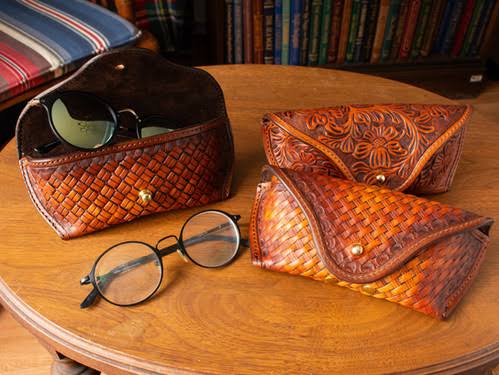
1. Why Material Contrast Matters in Modern Fashion
Texture is one of the easiest ways to add depth to an outfit without relying on complicated patterns or excessive accessories.
Imagine a simple outfit consisting of neutral trousers, a plain shirt, and a structured jacket. The colors may be attractive, but if every piece has a similar surface quality, the overall look can feel flat. Now introduce a textured tweed jacket, a smooth leather bag, and natural wood eyewear. Suddenly, the outfit has multiple visual layers.
This effect comes from contrast.
Smooth materials reflect light differently from rough or woven materials. Leather can appear sleek and polished, while tweed absorbs light through its complex weave. Wood often sits somewhere between the two, featuring a subtle grain that creates visual movement without becoming overwhelming.
These differences make an outfit more interesting.
Material contrast also allows accessories to become part of the overall design instead of appearing as isolated additions. A leather handbag does not have to match a pair of shoes exactly. A wood-frame pair of glasses does not have to match the handbag either. Instead, the materials can share a visual relationship through color, finish, scale, or craftsmanship.
This is especially useful for people who prefer timeless wardrobes.
Rather than constantly buying new statement pieces, you can create different looks by changing the relationship between existing materials. A classic leather tote can look professional with a tailored blazer, relaxed with denim, or artistic when paired with textured outerwear and natural wood accessories.
The same principle applies to glasses.
Eyewear is often treated as a purely functional item, but frames occupy one of the most visible positions on the body. Because they sit directly on the face, they influence how other accessories are perceived. Wood-frame glasses can introduce warmth and individuality to otherwise conventional clothing.
The result is a wardrobe that feels considered rather than overly coordinated.
2. Leather Bags: The Language of Polish and Craftsmanship
Leather has maintained its position in fashion for generations because it combines practical performance with visual sophistication.
A leather bag can communicate many different things depending on its construction. A structured leather handbag may feel elegant and professional. A soft leather shoulder bag can appear relaxed and approachable. A large leather tote may suggest practicality, while a compact crossbody can create a more casual impression.
Regardless of shape, leather usually brings a certain visual smoothness to an outfit.
This makes it particularly interesting when paired with tweed.
Tweed is typically characterized by visible fibers, woven patterns, and a slightly rugged surface. Leather, by contrast, can be sleek and uniform. Putting them together creates an immediate tactile contrast.
The combination works particularly well when the leather bag has a simple design.
A heavily decorated bag with large logos, metallic hardware, or excessive embellishments may compete with the texture of tweed. A clean leather bag allows the material itself to become the statement.
Color also matters.
Brown leather is especially effective with tweed because both materials naturally lend themselves to earthy palettes. Cognac, chestnut, caramel, espresso, and deep brown leather can complement gray, beige, olive, cream, navy, and muted burgundy tweeds.
Black leather creates a sharper contrast.
For example, a charcoal tweed coat paired with a black leather handbag produces a refined urban look. Add wood-frame glasses, and the natural warmth of the frames creates a subtle counterpoint to the monochromatic clothing.
This demonstrates an important styling principle: not every accessory needs to match.
Instead, accessories should relate.
The leather bag can connect with the shoes, belt, or watch strap. The wood glasses can echo warm undertones in the clothing. Tweed can serve as the textural centerpiece.
The result is coordinated without looking overly deliberate.
3. Tweed Clothing: Texture, Heritage, and Visual Depth
Tweed has a unique ability to make even a simple garment visually complex.
Unlike smooth fabrics, tweed often contains multiple colors woven together. A jacket that appears gray from a distance may reveal threads of cream, brown, black, blue, or green when viewed up close.
This complexity makes tweed ideal for building layered outfits.
Historically associated with classic tailoring and country-inspired clothing, tweed has evolved considerably. Today, it appears in jackets, skirts, trousers, vests, coats, caps, and even contemporary streetwear.
The material can feel traditional, but styling determines whether it looks old-fashioned or modern.
One of the easiest ways to modernize tweed is through contrast.
Pairing tweed with a streamlined leather bag immediately gives the fabric a more urban character. Adding wood-frame glasses can create a creative and contemporary finishing touch.
Tweed also provides a strong foundation for neutral outfits.
Consider a beige sweater, dark trousers, brown leather bag, and medium-brown wood-frame glasses. A tweed jacket layered over the sweater introduces additional texture while maintaining a coherent palette.
The trick is to avoid excessive visual noise.
Because tweed already has a strong surface texture, other clothing pieces should often be relatively simple. A plain knit sweater, solid shirt, or understated trousers allow the tweed to remain visible.
Patterns require more caution.
A patterned tweed combined with patterned clothing, patterned accessories, and highly decorative eyewear can quickly become overwhelming. If the tweed contains several colors, choose accessories that pick up one or two of those colors rather than introducing entirely new ones.
This creates visual continuity.
4. Wood-Frame Eyewear: An Organic Accent on the Face
Wood-frame glasses occupy a fascinating position within the material conversation.
Unlike leather and tweed, which are usually associated with clothing and accessories, wood eyewear introduces a natural material directly into the face area. This gives it exceptional visual importance.
Wood frames are known for their organic grain, tonal variation, and handcrafted appearance. Even when two frames share the same basic shape, differences in grain and color can make each one feel distinctive.
This individuality is one of their biggest attractions.
Wood-frame eyewear can also soften an outfit that might otherwise appear too formal.
Imagine a tailored tweed blazer, crisp button-down shirt, dark trousers, and polished leather bag. Without a natural accent, the outfit could look extremely conventional. A warm wood frame adds an unexpected organic element.
It creates a bridge between classic tailoring and contemporary design.
Different wood tones can create different effects.
Light wood frames can feel fresh, relaxed, and understated. Honey or amber tones bring warmth. Medium brown frames can complement leather accessories particularly well. Dark wood can create a more dramatic appearance while maintaining the natural character of the material.
The shape of the frame is equally important.
Round wood frames can emphasize a creative, vintage-inspired aesthetic. Square or rectangular frames may appear more architectural and contemporary. Softly rounded shapes can balance structured tweed jackets and angular leather bags.
The best choice depends on the wearer's facial features, personal style, and wardrobe.
Most importantly, wood eyewear does not need to look rustic.
When combined with minimalist clothing and refined leather accessories, it can appear sophisticated rather than outdoorsy.
5. The Three-Way Conversation: Leather Meets Tweed Meets Wood
The real magic happens when all three materials appear together.
Each one performs a different visual role.
Leather provides smoothness.
Tweed provides texture.
Wood provides organic character.
This creates a three-dimensional styling system.
Imagine a dark olive tweed jacket, cream knit top, straight-leg denim, brown leather shoulder bag, and medium-tone wood-frame glasses. The tweed adds surface complexity, the leather introduces polish, and the wood frames add warmth.
No single material dominates.
This is what makes the combination sophisticated.
The same concept can be adapted to more formal clothing. Consider a charcoal tweed blazer, white shirt, black trousers, black leather handbag, and dark wood glasses. The black accessories create structure, while the wood frames keep the look from becoming overly severe.
For a relaxed weekend outfit, try a soft tweed overshirt, plain T-shirt, jeans, brown leather crossbody bag, and light wood frames.
The materials remain consistent, but the mood changes completely.
This demonstrates why texture-based styling is so versatile.
6. Color Coordination Without Perfect Matching
One of the biggest mistakes in material styling is trying to make every item the same color.
A brown leather bag does not require brown shoes, a brown belt, and brown glasses. In fact, excessive matching can make an outfit feel rigid.
A better strategy is tonal coordination.
Look for shared undertones.
Warm brown leather can work beautifully with warm wood frames. Gray tweed can provide a neutral background. Cream, beige, camel, olive, navy, and burgundy can then be introduced selectively.
For cooler palettes, black leather and dark wood can work with charcoal or navy tweed.
For warmer palettes, cognac leather and honey-colored wood can complement camel, tan, cream, and earthy green tweeds.
You can also use the clothing itself as the connecting element.
If your tweed jacket contains subtle brown threads, a brown leather bag and wood frames can reinforce those hidden tones. The accessories may not exactly match, but they appear connected because the colors already exist within the fabric.
This technique creates a sophisticated visual rhythm.
7. Smooth Versus Rough: Creating Balanced Texture
Texture should be treated like volume in an outfit.
Too little texture can make an outfit boring.
Too much texture can make it chaotic.
Leather and tweed naturally balance each other because they are opposites in surface quality.
A polished leather bag looks especially attractive against a textured wool coat. Likewise, a soft tweed jacket can make a sleek leather accessory feel even more refined.
Wood adds another layer because its grain is visually detailed but generally less aggressive than a bold textile pattern.
The result is a controlled progression:
smooth → woven → organic grain
This progression is easy for the eye to understand.
It also explains why these materials can work together even when their colors differ slightly. Their surface qualities create enough relationship to unify the look.
8. Choosing the Right Leather Bag for Tweed Clothing
Not every leather bag works equally well with tweed.
The first consideration is structure.
Structured leather bags pair naturally with tailored tweed jackets. Their clean edges reinforce the jacket's architectural shape.
Soft leather bags, meanwhile, create a more relaxed contrast. They work well with oversized tweed coats, loose trousers, and casual knitwear.
Size matters too.
A large textured tweed coat combined with a tiny decorative bag may create an unusual proportion. Conversely, a very large leather tote with a lightweight tweed outfit can feel visually heavy.
Consider the overall silhouette.
If the clothing is voluminous, a medium-sized structured bag can provide definition. If the outfit is sleek and fitted, a larger tote or relaxed shoulder bag can add visual weight.
Hardware should also be considered.
Minimal metal hardware tends to work best when the goal is to emphasize material quality. A bag with excessive hardware can distract from the natural grain of wood eyewear and the complexity of tweed.
Simple construction often creates the strongest result.
9. Selecting Tweed for Different Personal Styles
Tweed is not a single aesthetic.
Its appearance can vary dramatically depending on color, weave, weight, and pattern.
For a classic look, choose traditional herringbone, subtle checks, or muted gray and brown tones.
For a contemporary wardrobe, look for oversized silhouettes, unexpected colors, or simplified tweed textures.
For a feminine aesthetic, a tweed jacket with a defined waist can be paired with a structured leather handbag and rounded wood frames.
For a minimalist wardrobe, select low-contrast tweed with a relatively simple weave. This allows the material to provide texture without becoming visually dominant.
For a creative or artistic style, stronger tweed patterns can be balanced with understated leather accessories and distinctive wood eyewear.
The goal is not to make every material equally noticeable.
Instead, decide which material should lead.
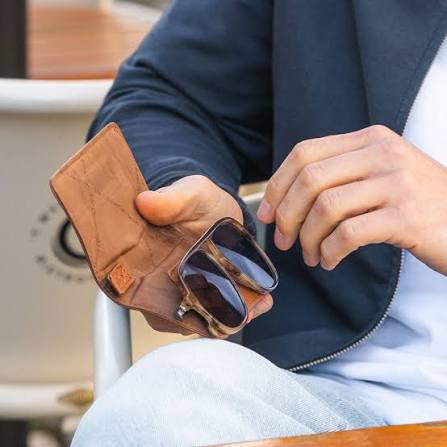
10. How Face Shape Influences Wood-Frame Glasses
Because eyewear sits directly on the face, frame selection deserves particular attention.
Round faces often benefit from frames with more defined angles, while angular faces can be complemented by softer curves. Oval faces tend to work with a broad range of shapes, while longer faces may benefit from frames that create additional horizontal presence.
These are guidelines rather than strict rules.
Personal preference remains more important than rigid fashion formulas.
The color of the wood also matters.
Light-colored frames can create a subtle effect, while dark frames provide stronger definition. Medium brown tones are versatile and can easily connect with leather bags and earthy clothing.
If your wardrobe already contains substantial texture, a relatively simple frame shape may be preferable.
If your clothing is minimalist, a more distinctive frame can become the focal point.
This is another advantage of wood eyewear: it can function as both an accessory and a personal signature.
11. Seasonal Styling: Making the Combination Work Year-Round
The leather-tweed-wood combination is especially natural in fall and winter, but it does not have to disappear during warmer months.
In autumn, heavy tweed jackets, leather handbags, and darker wood frames create a rich, layered aesthetic.
During winter, the same materials can be combined with wool coats, knitwear, boots, and heavier leather accessories.
Spring calls for lighter versions.
Choose lightweight tweed, pale leather, and light wood frames. Cream, soft gray, beige, dusty blue, and muted green can make the combination feel fresher.
Even summer can incorporate the concept.
Instead of heavy tweed clothing, consider a lightweight textured jacket or a small tweed accessory. Pair it with a compact leather bag and natural wood eyewear. The emphasis shifts from warmth to texture.
The key is material weight.
Heavy materials should generally be balanced with lighter ones when temperatures rise.
12. Casual Versus Professional Styling
The same three materials can produce very different impressions depending on the surrounding garments.
For a professional environment, try a tailored tweed blazer, solid blouse or shirt, straight trousers, structured leather handbag, and refined wood-frame glasses.
Keep the color palette restrained.
For a smart-casual look, replace the tailored trousers with dark denim and choose a softer leather shoulder bag.
For weekends, use a relaxed tweed jacket, simple knit top, jeans, casual leather crossbody, and natural wood frames.
For creative workplaces, experiment with stronger frame shapes, unusual tweed patterns, or more distinctive leather textures.
The materials remain the same.
The styling language changes.
13. Common Mistakes to Avoid
Material mixing is relatively flexible, but several mistakes can undermine the effect.
Mistake 1: Matching Everything Exactly
Matching leather, wood, shoes, belt, and clothing to one identical shade can look artificial.
Aim for harmony instead of duplication.
Mistake 2: Using Too Many Strong Textures
A highly textured tweed jacket, heavily embossed leather bag, chunky knit sweater, patterned scarf, and decorative wood frames may create too much visual information.
Give at least one or two elements a quieter role.
Mistake 3: Ignoring Proportion
Large bags, oversized tweed coats, and oversized glasses can overwhelm a smaller frame.
Balance volume across the outfit.
Mistake 4: Choosing Materials Without Considering Quality
Cheap-looking faux leather, poorly finished frames, or low-quality tweed can weaken the entire aesthetic.
Because this styling approach is built around material character, construction matters.
Mistake 5: Treating Wood Frames as a Costume
Wood eyewear does not have to mean a rustic or outdoorsy outfit.
Pairing natural frames with clean tailoring is often more interesting.
14. Caring for Leather, Tweed, and Wood
A material-focused wardrobe also requires thoughtful maintenance.
Leather should generally be protected from excessive moisture, heat, and prolonged direct sunlight. Depending on the type of leather, occasional conditioning may help maintain flexibility and appearance.
Tweed requires careful handling because its woven fibers can catch on rough surfaces. Follow the garment's care instructions, and avoid aggressive washing unless the fabric specifically permits it.
Wood-frame eyewear also benefits from proper care. Avoid exposing the frames to unnecessary moisture or extreme temperatures. Store them in a protective case when they are not being worn, and use an appropriate microfiber cloth for routine cleaning.
Care is not merely about extending product life.
Well-maintained materials often look better over time.
One of the most attractive qualities of leather, tweed, and wood is their ability to develop character. Small changes in surface appearance can make an item feel more personal and lived-in.
15. Why Natural Materials Feel More Personal
There is a broader reason this combination feels appealing.
Natural materials often contain variation.
Leather has grain.
Tweed has irregular fibers and woven color.
Wood has natural lines and tonal differences.
These imperfections can create a sense of individuality.
In a world filled with mass-produced accessories that can look nearly identical, materials with visible character offer something different.
A wood-frame pair of glasses may have subtle grain variations. A leather bag may develop a unique patina. A tweed jacket may reveal different threads under changing light.
These changes make objects feel less disposable.
They become part of personal style rather than simply seasonal purchases.
16. Building a Capsule Wardrobe Around Material Contrast
You do not need dozens of garments to experiment with this aesthetic.
A small selection of versatile pieces can create numerous combinations.
Start with one quality leather bag in black, brown, or another neutral shade.
Add one versatile tweed jacket in gray, brown, navy, or beige.
Then choose a pair of wood-frame glasses that complements your natural coloring and existing accessories.
From there, build around simple wardrobe staples: plain knitwear, shirts, denim, tailored trousers, neutral skirts, and understated footwear.
The materials do most of the visual work.
This approach can also make shopping more intentional.
Instead of asking, "Is this item trendy?" ask:
What material does this piece add to my wardrobe?
How does its texture interact with what I already own?
Can I wear it in multiple combinations?
These questions encourage longer-term thinking.
17. From Minimalism to Maximalism: Adjusting the Intensity
Material contrast does not require a specific fashion personality.
Minimalists can use the concept subtly.
Choose a smooth leather bag, low-contrast tweed, and simple wood frames. Keep colors within a narrow palette.
Maximalists can amplify the interaction.
Use patterned tweed, richly colored leather, distinctive eyewear, and additional accessories.
The important thing is hierarchy.
Even maximalist outfits benefit from having a visual focal point.
If the tweed is dramatic, keep the bag relatively simple. If the wood frames have an unusual shape, let them lead the face area. If the leather bag has a striking texture or silhouette, simplify the surrounding pieces.
A strong outfit does not require every item to shout.
18. The Psychology of Tactile Fashion
Texture influences how clothing feels psychologically, not just visually.
Smooth leather can suggest order and refinement.
Tweed can evoke comfort, tradition, warmth, and reliability.
Wood can communicate naturalness, individuality, and craftsmanship.
Combining these associations can create an outfit that feels both polished and approachable.
This may explain why material combinations often leave a stronger impression than color combinations alone.
Colors tell us what we see.
Textures tell us what we imagine something would feel like.
That imagined tactile quality adds another dimension to fashion.
A leather bag looks smooth before you touch it. Tweed looks warm and substantial. Wood eyewear appears solid and organic.
The outfit therefore communicates through multiple sensory associations.
19. Turning Accessories Into a Signature
Personal style becomes more recognizable when certain materials repeatedly appear.
Perhaps you always carry a brown leather tote.
Perhaps you prefer textured jackets.
Perhaps wood-frame glasses have become part of your everyday appearance.
Together, these choices can create a recognizable visual signature.
The objective is not to wear the same outfit every day.
It is to establish recurring elements.
A signature material can be just as powerful as a signature color.
This is particularly valuable for people who want a wardrobe that feels personal rather than dictated by seasonal trends.
20. The Future of Material-Driven Fashion
As consumers become increasingly interested in craftsmanship, durability, individuality, and material transparency, tactile design is likely to remain relevant.
People are paying more attention to how products are made, how they age, and how they fit into longer-term wardrobes.
This makes leather, tweed, and wood particularly interesting.
Each material has a strong relationship with craftsmanship.
Each can be evaluated through construction and finish.
And each can become more distinctive through use.
The most compelling future of fashion may not be about constantly replacing one trend with another. It may be about understanding materials well enough to create combinations that remain attractive over time.
Conclusion: Let Materials Have a Conversation
Leather bags, tweed clothing, and wood-frame eyewear may come from different design traditions, but their differences are exactly what make them work together.
Leather brings polish.
Tweed brings texture.
Wood brings warmth and organic character.
When combined thoughtfully, they create a layered aesthetic that feels sophisticated without becoming overly formal, natural without looking rustic, and distinctive without appearing forced.
The secret is not perfect matching.
It is balance.
Choose one material to lead, another to support, and a third to create contrast. Consider color undertones, proportions, surface textures, and the overall silhouette. Let natural variation become part of the design rather than something to hide.
Most importantly, think beyond individual products.
A leather bag is not simply a bag. Tweed is not simply a fabric. Wood-frame glasses are not merely functional eyewear. Each material contributes a visual and tactile language to the outfit.
When those languages complement one another, fashion becomes a conversation.
And sometimes, the most interesting conversations are created not by adding more, but by choosing materials that have something different to say.
Share this post
How Should Your Glasses Fit for Comfort and Style?
Choosing the right pair of eyeglasses is about more than finding a frame design you like. A properly fitted pair of glasses...
How to Install and Remove the Top Frame
How to Install Your XCombo TopperCheck Left & RightMake sure each topper is on the correct side.Attach at the Nose BridgeAlign the...
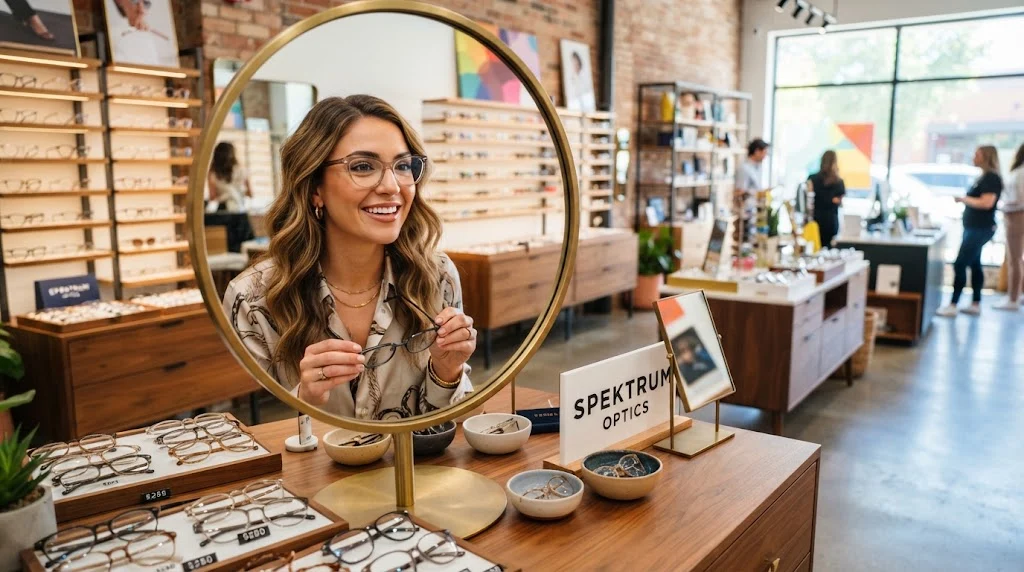
Say Goodbye to an Awkward Look: How to Choose the Right Eyeglasses Based on Your Body Proportions and Bag Size
Eyeglasses are more than a vision-correction tool. They are also an important fashion accessory that can influence the balance, proportion, and overall...
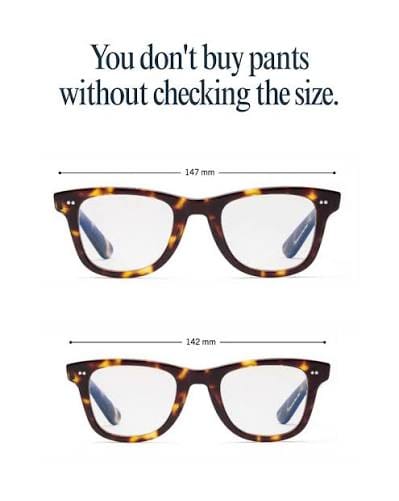
Say Goodbye to Awkward Proportions: How to Choose the Right Glasses for Your Body Shape and Bag Size
Accessories can transform an ordinary outfit into a polished, thoughtfully coordinated look. A beautiful handbag adds personality, while the right pair of...
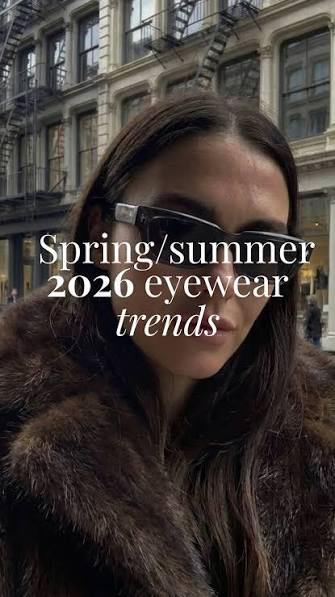
2026 Spring/Summer Fashion Trends: When Retro Small-Frame Glasses Meet the Underarm Bag
Fashion has always had a talent for bringing the past back in unexpected ways.A silhouette that once belonged to another decade can...
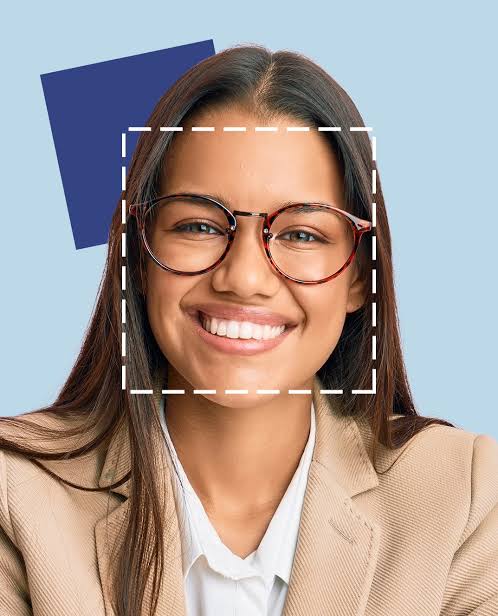
Soft Aesthetics for Girls with Square Faces: How Rounded Handbags and Gentle Eyeglass Frames Soften Facial Lines
A square face can be striking, elegant, and full of character. Defined by a broader forehead, a relatively straight jawline, and noticeable...
How to Buy Prescription Glasses Online on XCombo
Looking to buy glasses online? XCombo makes it easy to get stylish, high-quality glasses tailored to your prescription. Follow this simple step-by-step...
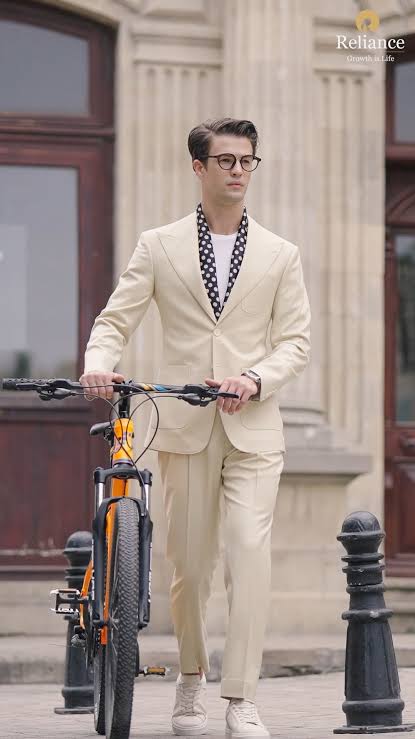
The Executive Style Code: A Career Guide to Suits, Briefcases, and Sophisticated Eyewear
In the modern workplace, professional style is about much more than wearing expensive clothes.The strongest business wardrobe communicates something before you say...
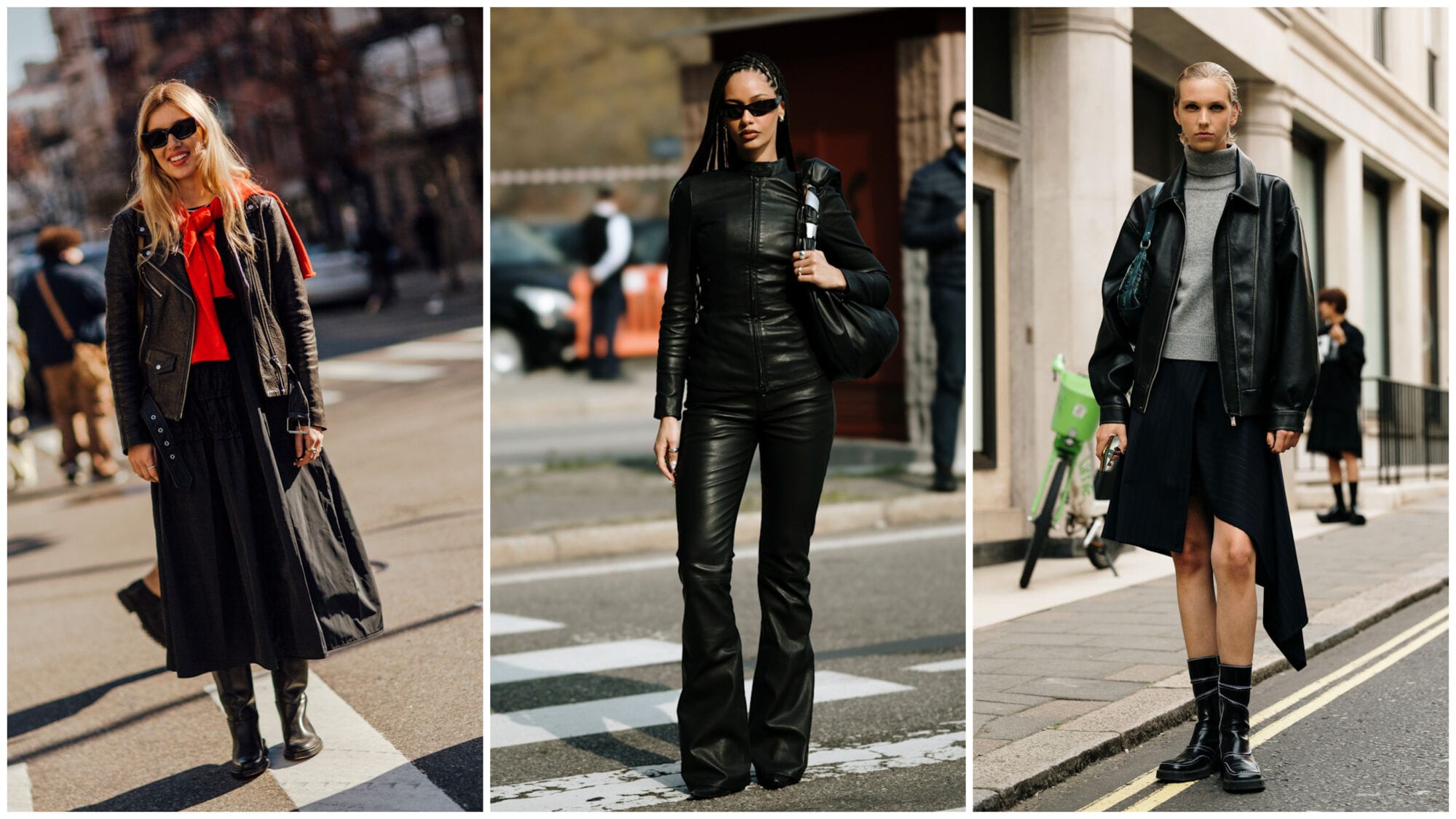
Street-Cool Style: How to Make Motorcycle Jackets, Belt Bags, and Futuristic Sunglasses Stand Out
Street fashion has never been about following every rule.It is about knowing which rules to break.A motorcycle jacket, a compact belt bag,...
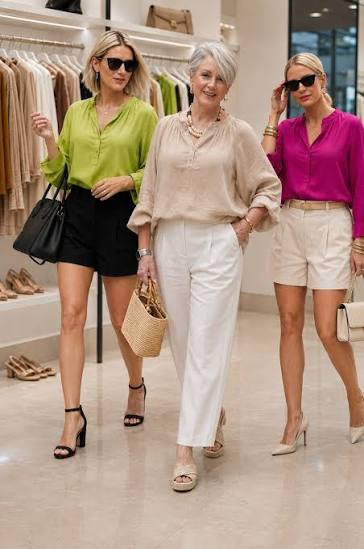
The Art of Color Coordination: How to Match Your Bag With Your Eyeglass Frames for an Effortlessly Sophisticated Look
Fashion is often about the little details.A beautifully tailored outfit can look polished, yet something may still feel incomplete. The reason is...
Dating Night Style Secrets: The Perfect Collision of an Elegant Cocktail Dress, a Chain Evening Bag, and Sophisticated Semi-Rimless Glasses
Dating night is about more than choosing an outfit. It is about creating an impression without looking like you tried too hard....
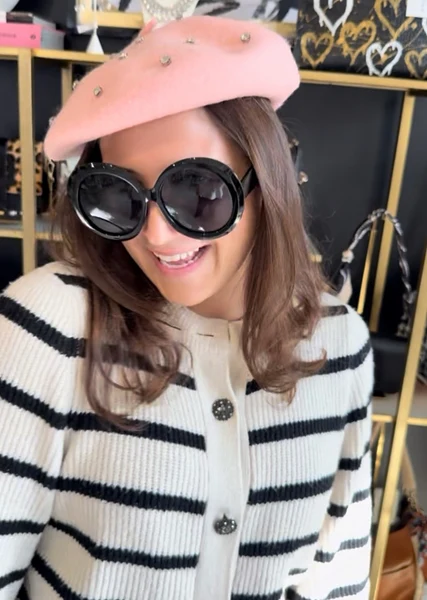
Effortless French Elegance: The Perfect Pairing of Knitwear, Tote Bags, and Cat-Eye Glasses
There is something undeniably captivating about French style.It is polished without looking overly polished, feminine without being overly delicate, and comfortable without...