
The Executive Style Code: A Career Guide to Suits, Briefcases, and Sophisticated Eyewear
In the modern workplace, professional style is about much more than wearing expensive clothes.
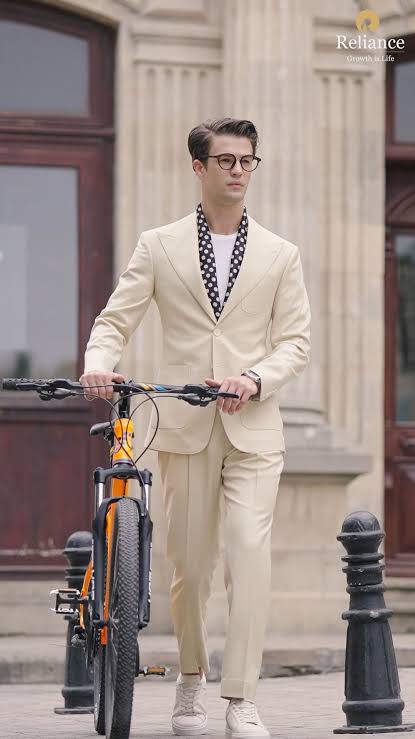
The strongest business wardrobe communicates something before you say a single word. A well-fitted suit can suggest confidence and discipline. A refined briefcase can signal organization and attention to detail. A sophisticated pair of glasses can frame the face, sharpen an overall look, and become one of the most recognizable elements of a personal professional style.
For ambitious professionals, executives, entrepreneurs, consultants, lawyers, financial specialists, creative directors, and anyone building a credible career presence, these details can make a meaningful difference.
The goal is not to look overly formal or to dress like someone else. The goal is to create a professional wardrobe that feels intentional, polished, modern, and consistent with your role.
Among the many pieces in a business wardrobe, three deserve particular attention:
The suit.
The briefcase.
The glasses.
Together, they create a visual foundation for a sophisticated professional image.
But buying these three items is only the beginning. The real skill lies in understanding how to coordinate them.
This guide explores how to build an elevated workplace wardrobe, choose the right suit, select a professional briefcase, find glasses that complement your face and clothing, coordinate colors and materials, adapt your style to different business environments, and develop a signature look that feels naturally confident.
Why Professional Style Matters
Clothing does not determine professional ability.
Skills, experience, communication, judgment, and performance will always matter more.
However, appearance influences first impressions.
Before a colleague understands your expertise, a client hears your presentation, or a manager evaluates your work, people may already form an initial impression based on visual signals.
That does not mean you need designer labels.
It means your clothing should communicate intentionality.
A polished professional appearance can suggest:
- Attention to detail
- Confidence
- Reliability
- Organization
- Self-awareness
- Respect for the environment
- Professional maturity
The most effective business wardrobe does not scream for attention.
Instead, it creates a sense of consistency.
Your suit fits properly.
Your shoes are maintained.
Your briefcase looks intentional.
Your glasses complement your face.
Your accessories do not compete with each other.
The overall result feels effortless.
That is the essence of sophisticated workplace dressing.
The First Rule: Fit Before Brand
One of the most common mistakes in professional fashion is prioritizing brand names over fit.
A moderately priced suit that fits exceptionally well can look significantly more refined than an expensive suit with poor proportions.
Before considering labels, focus on:
- Shoulder width
- Jacket length
- Sleeve length
- Chest fit
- Waist suppression
- Trouser break
- Trouser width
- Collar position
- Overall silhouette
The shoulder is particularly important.
A jacket shoulder that extends too far beyond your natural shoulder line can make the entire outfit look oversized.
A shoulder that is too narrow can create tension and wrinkles.
The jacket should create a clean silhouette without restricting movement.
The Ideal Suit Jacket
A professional suit jacket should generally sit naturally across the shoulders.
The lapels should lie flat.
The button area should not pull excessively when fastened.
Sleeves should expose a small amount of shirt cuff when appropriate.
The jacket should provide enough room for normal movement without appearing boxy.
These details create the foundation of a polished business appearance.
Choosing the Right Suit Color
Color is one of the easiest ways to influence the character of a professional outfit.
For a versatile executive wardrobe, several colors are especially useful.
Navy
Navy is one of the most adaptable choices.
It works well in:
- Corporate offices
- Client meetings
- Business dinners
- Presentations
- Conferences
- Interviews
- Networking events
A dark navy suit can appear authoritative without feeling as severe as solid black.
It also works beautifully with white, pale blue, gray, and subtle patterned shirts.
Charcoal Gray
Charcoal gray is another essential.
It has a serious, professional character and pairs easily with a wide range of accessories.
Charcoal works particularly well for traditional corporate environments.
Pair it with:
- White shirts
- Light blue shirts
- Burgundy accents
- Black leather accessories
- Dark brown accessories
Medium Gray
Medium gray creates a slightly more relaxed appearance.
It can work well in modern offices and business-casual environments.
It also provides more flexibility for mixing jackets and trousers.
Black
A black suit has a strong visual impact but should be used strategically.
For many workplaces, navy and charcoal provide more versatility.
Black can work particularly well for:
- Formal events
- Evening business occasions
- Certain creative industries
- Formal presentations
- Professional ceremonies
The key is to avoid making every accessory equally dark and severe.
Understanding Suit Construction
Two suits in the same color can look completely different because of their construction.
Important elements include:
- Lapel width
- Jacket length
- Number of buttons
- Shoulder structure
- Pocket design
- Fabric weight
- Trouser rise
- Trouser silhouette
A more structured suit tends to create a stronger executive presence.
A softer construction can feel more modern and relaxed.
Neither is automatically better.
The appropriate choice depends on your industry, body type, personality, and workplace environment.
The Importance of Fabric
Fabric affects both appearance and comfort.
Wool remains one of the most versatile choices for professional suits because it can offer breathability, structure, durability, and a refined appearance.
For warmer climates, lighter-weight fabrics can be particularly comfortable.
Blended fabrics may also provide useful durability and wrinkle resistance.
When selecting a suit, consider your actual working environment.
If you travel frequently, a fabric that resists wrinkles may be more practical than an extremely delicate luxury fabric.
If you spend most of the day in an air-conditioned office, a lightweight suit may still be comfortable.
Good style has to work in real life.
The Shirt: The Quiet Foundation
A great suit needs a great shirt.
For a professional wardrobe, start with simple colors.
White is timeless.
Light blue is highly versatile.
Soft gray, pale pink, and subtle patterns can provide additional variety.
Avoid overly complicated patterns if your glasses, tie, or pocket square already provide visual interest.
A useful rule is:
If one element is making a statement, let the surrounding pieces support it.
This is especially important when wearing distinctive eyewear.
Choosing a Professional Tie
A tie can add personality without overwhelming the outfit.
For an executive wardrobe, consider:
- Solid silk ties
- Subtle stripes
- Small geometric patterns
- Deep burgundy
- Navy
- Forest green
- Charcoal
- Dark brown
The tie should coordinate with the suit rather than exactly match it.
A navy suit does not require a navy tie.
A burgundy tie can create a sophisticated contrast.
A textured tie can also add visual depth to a simple suit.
The Briefcase: More Than a Work Bag
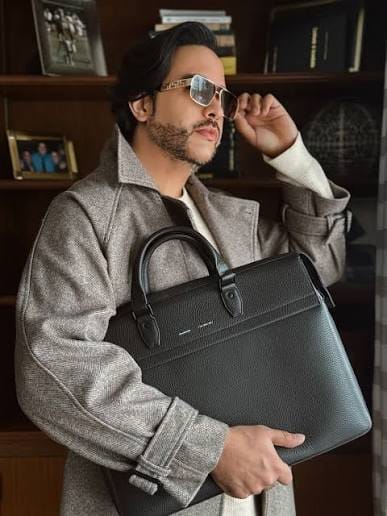
A briefcase is one of the most visible accessories in professional life.
Unlike many fashion accessories, it also has a practical purpose.
It carries:
- Laptop
- Documents
- Notebook
- Chargers
- Business cards
- Pens
- Presentation materials
- Personal essentials
Because of this, a briefcase should balance appearance and functionality.
A beautiful bag that cannot comfortably carry your daily essentials is not a good professional investment.
Choosing the Right Briefcase Material
Leather remains a classic choice.
A high-quality leather briefcase can develop character over time and work naturally with traditional business attire.
Other materials may provide advantages in weight, weather resistance, or durability.
When choosing a briefcase, consider:
- Material quality
- Hardware
- Stitching
- Handle construction
- Interior organization
- Laptop protection
- Weight
- Closure system
- Weather resistance
The details matter.
A poorly constructed bag can make an otherwise excellent outfit appear less polished.
Black or Brown Briefcase?
This is one of the most practical decisions in professional styling.
Black is extremely versatile with:
- Black shoes
- Charcoal suits
- Dark gray trousers
- Formal business attire
Brown can create a warmer and more approachable impression.
It works particularly well with:
- Navy suits
- Medium gray suits
- Brown leather shoes
- Burgundy accessories
- Business-casual clothing
The most important rule is coordination.
Your briefcase does not have to match your shoes perfectly, but the leather tones should make sense together.
The Rise of Sophisticated Eyewear
Glasses are often treated as purely functional objects.
But in professional styling, eyewear can become a defining accessory.
Because glasses sit directly on the face, they naturally attract attention.
They influence:
- Face shape
- Eye area
- Facial proportions
- Perceived personality
- Overall style
This makes them particularly important for professionals who wear glasses every day.
The right frame can make an outfit feel more sophisticated without adding unnecessary decoration.
Why Glasses Can Transform a Business Look
Imagine the same person wearing:
- A navy suit
- White shirt
- Brown leather shoes
- Leather briefcase
Now change only the glasses.
A thin metal frame may create a minimalist, intellectual appearance.
A dark acetate frame may feel more authoritative.
A rectangular frame may look structured and professional.
A softly rounded frame may appear more approachable.
A subtle geometric frame may add modern character.
The clothing has not changed.
But the visual message has.
This is why eyewear deserves more attention in professional styling.
Choosing Frames for Your Face Shape
There is no single frame that works for everyone.
Instead of following rigid rules, consider balance.
Round Faces
More structured frames can create useful contrast.
Rectangular or softly angular frames may add definition.
Square Faces
Rounded or slightly curved frames can soften strong facial lines.
Oval Faces
Many frame shapes can work well because the proportions are naturally balanced.
The main consideration is choosing a frame that is appropriately sized.
Long Faces
Frames with greater vertical depth can help create visual balance.
Heart-Shaped Faces
Medium-sized frames with balanced proportions can work particularly well.
The goal is not to follow a mathematical formula.
The goal is to create visual harmony.
Frame Size Matters More Than You Think
A sophisticated frame should fit the face properly.
Look at:
- Frame width
- Bridge fit
- Lens height
- Temple length
- Position relative to the eyes
A frame that is too narrow can make the face appear wider.
A frame that is too large can overwhelm facial features.
A frame that sits too low can change the proportions of the entire face.
For professional eyewear, subtle proportion errors can become surprisingly noticeable.
Metal Frames for a Minimalist Executive Look
Metal eyewear is an excellent choice for professionals who prefer understated sophistication.
Common finishes include:
- Silver
- Gunmetal
- Gold
- Matte black
- Champagne
- Dark bronze
A thin metal frame can pair beautifully with a clean, modern suit.
For example:
Charcoal suit + white shirt + silver metal frames
creates a crisp, contemporary appearance.
Meanwhile:
Navy suit + pale blue shirt + warm gold frames
can feel slightly more distinctive while remaining professional.
Acetate Frames for More Personality
Acetate frames tend to have more visual presence.
They can be especially effective for professionals who want eyewear to become part of their signature style.
Classic choices include:
- Black
- Tortoiseshell
- Dark brown
- Transparent gray
- Deep navy
- Crystal
A tortoiseshell frame can add warmth to a conservative suit.
A black acetate frame can create a stronger intellectual or executive character.
Transparent frames can produce a lighter, more contemporary effect.
The Psychology of Dark Frames
Dark frames naturally attract attention to the face.
They can create an impression of structure and confidence.
This does not mean every professional should wear black frames.
The important point is proportion.
If your suit is already dark and your hair is also very dark, a heavy black frame may create a particularly strong visual effect.
If you prefer a softer appearance, consider:
- Dark brown
- Tortoiseshell
- Gunmetal
- Transparent gray
These alternatives maintain sophistication while reducing visual heaviness.
Matching Eyewear With Your Suit
The goal is coordination rather than exact matching.
Navy Suit
Consider:
- Gunmetal frames
- Black frames
- Tortoiseshell
- Dark brown
- Silver
- Deep blue
Charcoal Suit
Consider:
- Black
- Gunmetal
- Silver
- Dark tortoiseshell
Gray Suit
Consider:
- Black
- Brown
- Transparent gray
- Silver
- Gold
Brown Suit
Consider:
- Dark brown
- Tortoiseshell
- Gold
- Bronze
- Warm transparent tones
Think about temperature as well as color.
Warm clothing generally works well with warm accessories.
Cool clothing can pair naturally with silver, gunmetal, and cooler neutrals.
The Three-Point Coordination Rule
One useful approach to sophisticated professional styling is to repeat a visual element across three parts of the outfit.
For example:
Brown glasses + brown belt + brown briefcase
or:
Silver glasses + silver watch + subtle silver hardware
This repetition creates visual continuity.
However, repetition should not become literal matching.
You do not need every brown element to be exactly the same shade.
A little variation creates depth.
Avoiding the Over-Matched Look
Professional style can become too coordinated.
If your:
- Tie
- Pocket square
- Glasses
- Watch
- Shoes
- Belt
- Briefcase
all match perfectly, the result can feel artificial.
Sophisticated style usually includes controlled contrast.
For example:
Navy suit + white shirt + burgundy tie + dark brown briefcase + tortoiseshell glasses
contains several different colors, but they work together because none competes excessively with the others.
Building a Signature Professional Look
A signature look does not mean wearing exactly the same outfit every day.
It means establishing recognizable visual characteristics.
Perhaps your signature elements are:
- Dark navy suits
- White shirts
- Minimal watches
- Tortoiseshell glasses
- Brown leather accessories
Or:
- Charcoal tailoring
- Black shoes
- Black acetate frames
- Minimalist briefcase
- Silver accessories
Consistency makes personal style easier to maintain.
People begin to associate these details with you.
Dressing for Different Workplace Environments
Not every office has the same dress code.
Traditional Corporate
Think:
- Navy suit
- White shirt
- Conservative tie
- Leather briefcase
- Classic glasses
Keep patterns restrained.
Finance and Law
A structured wardrobe often works best.
Charcoal, navy, white, and subtle patterns are dependable choices.
Classic rectangular eyewear can reinforce the professional aesthetic.
Consulting
Consulting environments often reward polished versatility.
Choose clothing that can transition between office meetings, client presentations, travel, and dinners.
A versatile navy suit and sophisticated glasses can form the foundation.
Creative Industries
You may have more freedom.
Try:
- Relaxed tailoring
- Distinctive eyewear
- Textured fabrics
- Minimal sneakers where appropriate
- Statement accessories
The key is still intentionality.
Technology Companies
Many technology workplaces are more casual.
Instead of wearing a full suit every day, consider:
- Unstructured blazer
- Oxford shirt
- Fine knitwear
- Tailored trousers
- Sophisticated glasses
- Minimal leather bag
Professional style does not require traditional formalwear.
Business Travel and the Executive Wardrobe
Frequent travelers need a different strategy.
Choose clothing that can perform across multiple situations.
A compact business wardrobe might include:
- One navy suit
- One charcoal blazer or suit
- Several white and blue shirts
- Two versatile ties
- One black or dark brown briefcase
- One formal shoe
- One smart casual shoe
- Two pairs of professional glasses or one versatile primary frame
Wrinkle resistance becomes especially important.
Your wardrobe should be easy to transport and easy to coordinate.
The Role of Shoes
Shoes complete the professional silhouette.
Classic choices include:
- Oxford shoes
- Derby shoes
- Loafers
- Monk straps
- Minimal leather sneakers for appropriate workplaces
The color should coordinate with the rest of your accessories.
Black shoes work naturally with black or charcoal tailoring.
Brown shoes can add warmth to navy and gray.
Keep shoes clean and maintained.
A polished suit paired with neglected shoes creates an immediate visual contradiction.
The Watch and Other Accessories
Professional accessories should support the outfit rather than dominate it.
A watch, belt, wallet, pen, and glasses can all contribute to an overall impression.
The best accessories often share subtle characteristics:
- Similar metal finishes
- Compatible leather tones
- Consistent level of formality
- Simple design language
You do not need many accessories.
You need the right ones.
The Power of Minimalism
One of the easiest ways to look sophisticated is to reduce unnecessary visual noise.
A professional outfit does not need:
- Oversized logos
- Excessive patterns
- Too many colors
- Large decorative hardware
- Numerous statement accessories
Minimalism allows quality and fit to become more visible.
This is particularly useful with eyewear.
A beautifully designed pair of glasses does not need a giant logo to communicate quality.
How to Look Expensive Without Overspending
Sophisticated style is not necessarily expensive style.
Focus your budget on pieces that have the greatest visual impact.
For many professionals, these include:
- Suit fit
- Shoes
- Eyewear
- Briefcase
- Grooming
A perfectly tailored suit can outperform a more expensive but poorly fitted one.
Likewise, a carefully selected pair of glasses can elevate a simple outfit.
Prioritize construction, fit, material, and versatility rather than simply paying for a famous name.
The Importance of Grooming
Clothing cannot operate independently of grooming.
A professional appearance is influenced by:
- Hair
- Skin
- Facial hair
- Nails
- Shoes
- Glasses cleanliness
- Clothing condition
Dirty lenses can undermine an otherwise polished look immediately.
Make a habit of cleaning your glasses with appropriate lens-care products and a clean microfiber cloth.
Avoid wiping lenses with rough clothing or paper products that may scratch specialized coatings.
Maintaining Your Professional Wardrobe
A sophisticated wardrobe should also be maintained.
For suits:
- Use appropriate hangers
- Allow garments to air out
- Avoid excessive dry cleaning
- Remove stains promptly
- Store them in suitable conditions
For leather briefcases:
- Keep them away from excessive moisture
- Follow the manufacturer's care instructions
- Avoid overloading them
- Inspect handles and hardware
For glasses:
- Clean lenses regularly
- Check screws and hinges
- Store them safely
- Avoid placing lenses directly on hard surfaces
Good maintenance preserves both appearance and function.
Common Professional Styling Mistakes
Wearing an Oversized Suit
Oversized tailoring can look intentional when professionally designed, but accidental oversized clothing can appear sloppy.
Choosing Glasses That Are Too Large
Large frames can overwhelm the face.
Ignoring the Bridge Fit
A poorly fitting bridge can cause discomfort and make the glasses sit incorrectly.
Carrying an Overstuffed Briefcase
A bulging bag immediately reduces visual refinement.
Mixing Too Many Leather Colors
Black shoes, reddish-brown belt, tan briefcase, and dark brown watch strap may create unnecessary visual conflict.
Wearing Too Many Accessories
More accessories do not automatically create more sophistication.
Following Trends Too Literally
A professional wardrobe should survive beyond one fashion season.
How to Create a Five-Day Executive Wardrobe
A simple weekly rotation can make dressing easier.
Monday
Navy suit + white shirt + burgundy tie + dark leather briefcase + dark acetate glasses.
Tuesday
Charcoal suit + pale blue shirt + navy tie + black briefcase + gunmetal frames.
Wednesday
Gray trousers + navy blazer + white shirt + loafers + tortoiseshell glasses.
Thursday
Navy suit + subtle patterned shirt + textured tie + brown briefcase + metal frames.
Friday
Unstructured blazer + tailored trousers + knit polo or Oxford shirt + sophisticated eyewear + leather bag.
The individual pieces can be mixed and matched throughout the week.
This creates variety without requiring an enormous wardrobe.
Creating a Professional Eyewear Collection
If you wear glasses every day, consider building a small eyewear rotation.
One pair can serve as your primary professional frame.
A second pair can offer a different character.
For example:
Frame One: Thin gunmetal rectangle for formal meetings.
Frame Two: Dark tortoiseshell acetate for presentations and social events.
The frames do not need to be dramatically different.
Subtle variation can be enough.
Eyewear for Presentations and Public Speaking
When presenting, your face becomes one of the central visual points.
Glasses can influence how your expression is perceived.
A well-fitting frame should not constantly require adjustment.
Avoid frames that slide down your nose or create discomfort.
During a presentation, you want to focus on:
- Eye contact
- Voice
- Body language
- Content
- Audience engagement
Your eyewear should support that confidence rather than become a distraction.
The Executive Casual Look
Not every professional moment requires a full suit.
For business-casual settings, combine:
Blazer + Oxford shirt + tailored trousers + sophisticated glasses + leather briefcase
This can provide a polished appearance without the formality of a full suit.
For a more relaxed environment:
Knit polo + tailored trousers + loafers + refined eyewear
can create a modern professional look.
The important thing is maintaining structure and intentionality.
Dressing for a Client Meeting
When meeting a new client, prioritize reliability over experimentation.
A strong formula is:
Well-fitted navy or charcoal suit + clean white or light blue shirt + restrained accessories + polished shoes + sophisticated glasses.
Your goal is not to make the client remember your outfit.
Your goal is to make them remember your confidence and professionalism.
The outfit simply creates the right environment for that interaction.
Dressing for a Job Interview
An interview is usually not the best time to test a highly experimental look.
Choose something familiar and comfortable.
Make sure:
- The suit fits
- The shirt is clean
- Shoes are polished
- Glasses are clean
- Briefcase is organized
- Accessories are restrained
Confidence is easier when you are not worrying about your clothes.
Dressing for Business Networking Events
Networking provides slightly more flexibility.
You want to look professional while allowing some personality to show.
This is an ideal situation for distinctive eyewear.
A classic suit with an interesting frame can communicate individuality without appearing inappropriate.
A textured tie, pocket square, or subtle accessory can provide another personal detail.
Developing Your Personal Style Language
The strongest professional wardrobes tell a consistent story.
Ask yourself:
- Do I prefer traditional or contemporary tailoring?
- Do I want to appear authoritative or approachable?
- Do I prefer warm or cool colors?
- Do I like bold or understated eyewear?
- Do I travel frequently?
- Do I work in a formal or relaxed environment?
- Which accessories do I use every day?
Your answers can define your style language.
Perhaps your style is:
Modern Executive
Clean tailoring, minimalist glasses, dark leather, neutral colors.
Or:
Classic Professional
Traditional suits, conservative eyewear, polished leather, timeless accessories.
Or:
Creative Executive
Relaxed tailoring, distinctive frames, textured fabrics, modern accessories.
There is no universally correct version.
The best style is one that fits your professional identity.
The Ultimate Executive Style Formula
If you want a simple starting point, use this formula:
Fit + Color + Texture + Proportion + Consistency
Fit
Everything should sit correctly on the body.
Color
Use a controlled palette.
Texture
Mix materials subtly to create depth.
Proportion
Make sure glasses, bag, shoes, and clothing have visual balance.
Consistency
Repeat certain design characteristics to create a recognizable personal style.
This formula works across industries and generations.
Final Thoughts
Professional style is not about wearing the most expensive suit in the room.
It is about understanding how individual pieces work together.
A well-fitted suit establishes the foundation.
A functional, refined briefcase reinforces organization and professionalism.
A sophisticated pair of glasses frames the face and can become a signature element of your appearance.
When these pieces are coordinated thoughtfully, even a relatively simple wardrobe can create a strong impression.
Start with fit.
Choose versatile colors.
Invest in quality where it matters.
Pay attention to proportion.
Keep accessories restrained.
Maintain your clothing and eyewear.
Most importantly, choose pieces that allow you to feel comfortable and confident.
The modern workplace does not require everyone to dress identically. In fact, the most memorable professional style often comes from finding the balance between established standards and individual personality.
Your suit does not need to be flashy.
Your briefcase does not need a giant logo.
Your glasses do not need an exaggerated shape.
Instead, let quality, proportion, and thoughtful coordination do the work.
When every element supports the others, your wardrobe becomes more than a collection of clothing and accessories. It becomes a visual expression of your professionalism, confidence, and attention to detail.
And that is the real secret behind an elevated executive wardrobe: look intentional, feel comfortable, and let your personal style reinforce the professional you are becoming.
Share this post
How Should Your Glasses Fit for Comfort and Style?
Choosing the right pair of eyeglasses is about more than finding a frame design you like. A properly fitted pair of glasses...
Say Goodbye to an Awkward Look: How to Choose the Right Eyeglasses Based on Your Body Proportions and Bag Size
Eyeglasses are more than a vision-correction tool. They are also an important fashion accessory that can influence the balance, proportion, and overall...
Say Goodbye to Awkward Proportions: How to Choose the Right Glasses for Your Body Shape and Bag Size
Accessories can transform an ordinary outfit into a polished, thoughtfully coordinated look. A beautiful handbag adds personality, while the right pair of...
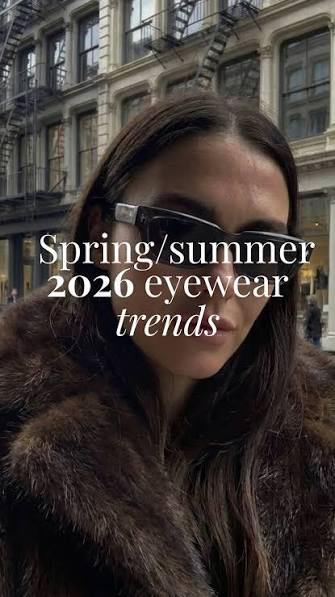
2026 Spring/Summer Fashion Trends: When Retro Small-Frame Glasses Meet the Underarm Bag
Fashion has always had a talent for bringing the past back in unexpected ways.A silhouette that once belonged to another decade can...
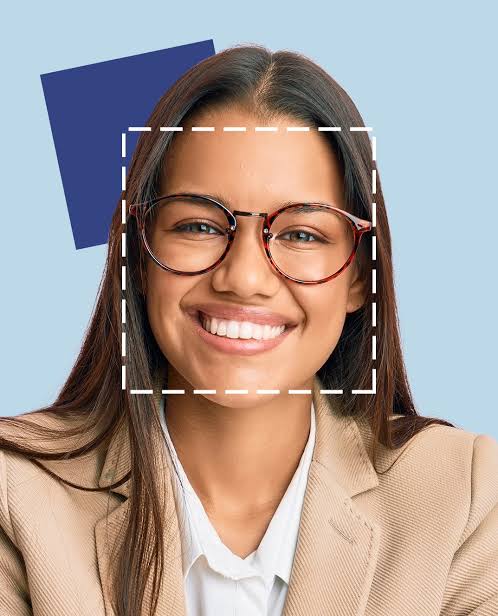
Soft Aesthetics for Girls with Square Faces: How Rounded Handbags and Gentle Eyeglass Frames Soften Facial Lines
A square face can be striking, elegant, and full of character. Defined by a broader forehead, a relatively straight jawline, and noticeable...
How to Buy Prescription Glasses Online on XCombo
Looking to buy glasses online? XCombo makes it easy to get stylish, high-quality glasses tailored to your prescription. Follow this simple step-by-step...
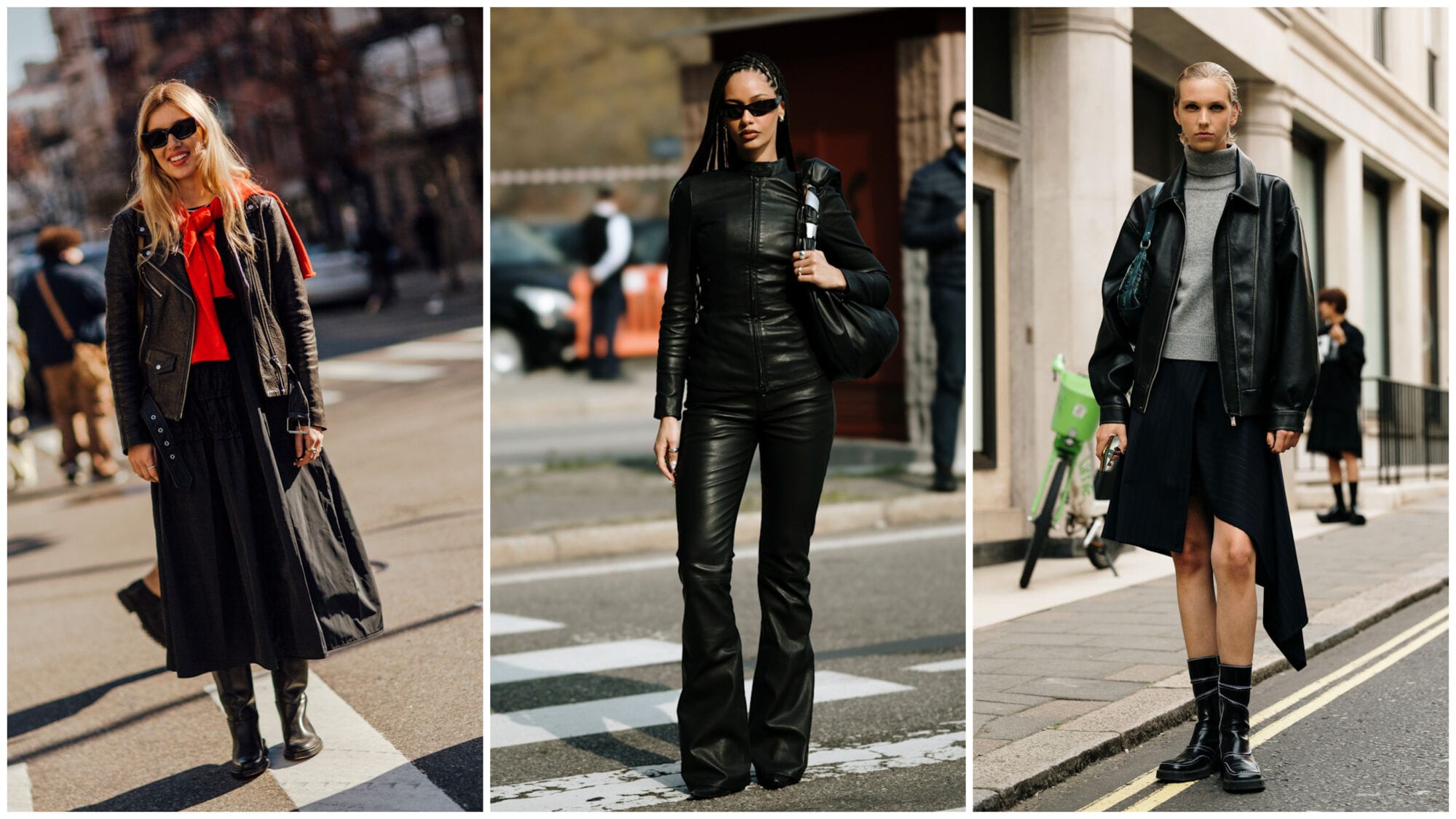
Street-Cool Style: How to Make Motorcycle Jackets, Belt Bags, and Futuristic Sunglasses Stand Out
Street fashion has never been about following every rule.It is about knowing which rules to break.A motorcycle jacket, a compact belt bag,...

The Art of Color Coordination: How to Match Your Bag With Your Eyeglass Frames for an Effortlessly Sophisticated Look
Fashion is often about the little details.A beautifully tailored outfit can look polished, yet something may still feel incomplete. The reason is...
Dating Night Style Secrets: The Perfect Collision of an Elegant Cocktail Dress, a Chain Evening Bag, and Sophisticated Semi-Rimless Glasses
Dating night is about more than choosing an outfit. It is about creating an impression without looking like you tried too hard....
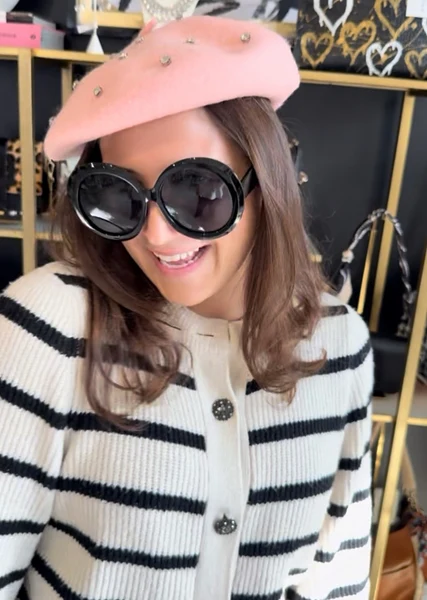
Effortless French Elegance: The Perfect Pairing of Knitwear, Tote Bags, and Cat-Eye Glasses
There is something undeniably captivating about French style.It is polished without looking overly polished, feminine without being overly delicate, and comfortable without...
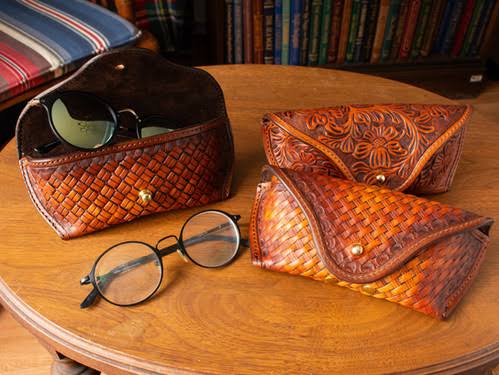
A Cross-Textural Conversation: The Tactile Collision of Leather Bags, Tweed Clothing, and Wood-Frame Eyewear
Introduction: When Materials Become the Main CharacterFashion is often discussed in terms of color, silhouette, trend, and season. Yet some of the...
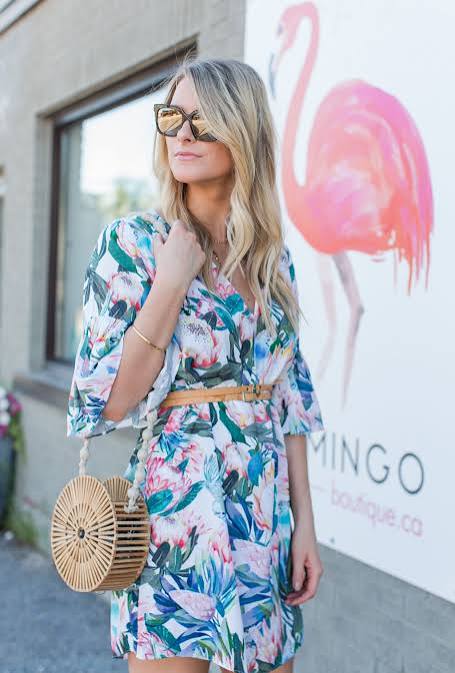
The Ultimate Guide to Vacation-Style Outfits: Floral Dresses, Straw Bags, and Round Sunglasses for Summer
Summer is the season of relaxed mornings, warm afternoons, outdoor dinners, weekend getaways, and long-awaited vacations. It is also the perfect time...