
Don’t Overpay for the Logo: The Ultimate Guide to Buying Stylish Glasses with the Best Value for Your Money
Shopping for a new pair of glasses can be exciting—until you see the price tags. Luxury designer frames often cost several hundred or even thousands of dollars, leading many shoppers to believe that a higher price automatically means higher quality. But is that really true?
The reality is more nuanced. While some premium eyewear brands offer excellent craftsmanship and innovative materials, a significant portion of the retail price often reflects branding, marketing campaigns, celebrity endorsements, and luxury positioning rather than substantial differences in performance.
Today's consumers are smarter than ever. Instead of simply chasing famous logos, they're asking better questions:
- What materials are used?
- How durable are the frames?
- Are the lenses worth the extra cost?
- Will these glasses stay comfortable all day?
- Is this frame truly worth the price?
If you're looking for fashionable eyewear that combines quality, durability, comfort, and affordability, this guide will help you avoid common shopping mistakes and make informed purchasing decisions.
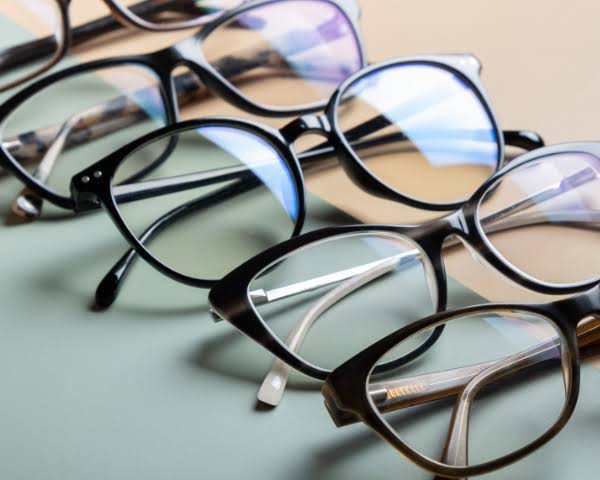
1. Why Luxury Glasses Often Carry High Price Tags
Before assuming every expensive pair of glasses is overpriced, it's important to understand what contributes to the final retail price.
In many cases, the cost includes far more than the frame itself.
Factors that influence pricing include:
- Brand reputation
- Designer collaborations
- Fashion marketing campaigns
- Celebrity ambassadors
- Premium retail locations
- Luxury packaging
- Licensing fees
- Limited-edition collections
These elements certainly add value for some buyers who appreciate brand prestige. However, they don't always translate into better durability, improved comfort, or superior everyday performance.
That's why many experienced eyewear shoppers focus on product quality rather than brand recognition alone.
2. Understanding the Difference Between Price and Value
One of the biggest mistakes shoppers make is confusing "expensive" with "valuable."
A pair of glasses offers good value when it delivers:
- Comfortable all-day wear
- Durable construction
- High-quality materials
- Reliable hinges
- Well-made lenses
- Timeless style
- Long service life
A frame costing $120 that lasts five years often provides better value than a designer pair costing $500 that shows wear after two years.
Instead of asking, "What's the cheapest option?" consider asking, "Which pair gives me the best overall experience for the money?"
3. Common Myths About Designer Eyewear
Let's clear up some of the most common misconceptions.
Myth 1: Higher Prices Always Mean Better Quality
Not necessarily.
Many premium brands outsource manufacturing to the same factories that produce frames for lesser-known labels. While design specifications may differ, the manufacturing standards can be remarkably similar.
Always evaluate the actual materials and craftsmanship instead of relying solely on the logo.
Myth 2: Fashion Brands Are Eyewear Experts
Many well-known fashion houses are famous for clothing, handbags, or accessories—not eyewear manufacturing.
In many cases, they license their brand names to specialized eyewear manufacturers.
This doesn't make the products bad, but it does mean the brand name itself shouldn't be your only buying criterion.
Myth 3: Affordable Glasses Look Cheap
Today's independent eyewear brands have dramatically improved their designs.
Modern affordable frames feature:
- Premium acetate
- Lightweight titanium
- Precision hinges
- Contemporary styling
- Excellent finishing
Without closely examining the logo, many people cannot distinguish between a premium designer frame and a well-made independent alternative.
Myth 4: You Need Multiple Designer Frames to Stay Fashionable
Fashion isn't about collecting expensive labels.
A thoughtfully chosen collection of two or three versatile, high-quality frames can easily cover every occasion:
- Professional meetings
- Casual weekends
- Travel
- Special events
Versatility matters far more than price.
4. What Actually Determines the Quality of Glasses?
Rather than focusing on the brand, examine the product itself. Several factors have a much greater impact on long-term satisfaction.
Frame Material
The material influences weight, durability, flexibility, comfort, and appearance. We'll explore material options in detail later in this guide.
Construction Quality
Look closely at smooth polishing, even coloring, solid hinge movement, tight screws, precise assembly, and a comfortable nose bridge. Small construction details often reveal overall manufacturing quality.
Lens Quality
Excellent frames deserve excellent lenses. Consider coatings such as anti-reflective, UV protection, scratch resistance, and water or oil-repellent coatings. These features often improve everyday usability far more than a designer logo.
Proper Fit
Even the most expensive glasses become uncomfortable if they don't fit correctly. Pay attention to frame width, bridge size, temple length, lens height, and overall balance. Properly fitted glasses feel almost weightless after several hours of wear.
5. The Real Characteristics of High-Value Eyewear
When experienced buyers evaluate glasses, they often focus on practical characteristics instead of brand prestige.
Comfortable Weight
Heavy glasses may look luxurious but become tiring during long workdays. Lightweight materials often improve the wearing experience considerably.
Durable Hinges
Weak hinges are among the most common causes of frame failure. Quality hinges should open and close smoothly without excessive looseness or stiffness. Spring hinges can provide additional flexibility for some users.
Balanced Design
Well-designed frames distribute weight evenly across the face, reducing pressure on the nose, behind the ears, and at the temples.
Timeless Styling
Trendy designs come and go, but classic shapes remain fashionable for years. Examples include rectangular frames, round metal glasses, soft square acetate frames, browline designs, and transparent frames.
6. Red Flags to Avoid When Buying Fashion Glasses
Not every attractive frame deserves your money. Here are some warning signs:
Extremely Low Prices with Unrealistic Claims
If a retailer promises premium titanium frames with advanced lens coatings for an unusually low price, proceed with caution. Quality materials involve real costs.
Poor Frame Symmetry
Place the glasses on a flat surface. Do both temples rest evenly? Does the frame wobble? Uneven construction may indicate poor manufacturing quality.
Loose Hinges
Open and close the temples several times. The movement should feel smooth, consistent, and secure.
Sharp Edges
Premium eyewear should feel comfortable everywhere. Check for rough polishing, sharp corners, or uneven finishing.
Missing Product Information
Reliable manufacturers typically provide information about frame material, lens specifications, measurements, care instructions, and warranty.

7. Why Independent Eyewear Brands Are Becoming More Popular
One of the biggest shifts in today's eyewear market is the rise of independent brands. These companies often invest more heavily in innovative design, premium materials, customer experience, and competitive pricing.
Without massive advertising budgets or expensive celebrity endorsements, they can often deliver impressive quality at more accessible prices.
8. The Smart Shopper's Checklist: How to Buy Fashion Glasses That Deliver Real Value
Now that we've discussed why an expensive logo doesn't automatically guarantee a better pair of glasses, it's time to focus on what truly matters. Think of this section as your practical buying checklist.
Step 1: Start with the Frame Material
Acetate: The Premium Choice for Fashion
Made from plant-based cellulose fibers, acetate offers luxurious appearance, rich color depth, excellent durability, and hypoallergenic properties. If fashion is your top priority, acetate frames provide a great balance between quality and style.
TR90: Lightweight Everyday Comfort
This flexible thermoplastic material offers exceptional comfort, high flexibility, and impact resistance. Ideal for students, office workers, and active lifestyles.
Titanium: Premium Performance Without Excessive Weight
Titanium offers outstanding strength, corrosion resistance, ultra-light weight, and long-term durability. The investment reflects genuine material advantages.
Stainless Steel: Durable and Affordable
Provides good durability, a modern appearance, and slim frame designs at a lower cost than titanium.
Mixed Materials
Hybrid construction (e.g., acetate front with titanium temples) combines the strengths of different materials while improving comfort and appearance.
Step 2: Don't Ignore the Hinges
Hinges are opened and closed thousands of times. Look for smooth movement and solid construction. Spring hinges offer extra flexibility and reduce pressure on the sides of the head.
Step 3: Choose Lens Coatings Wisely
Anti-Reflective Coating
Reduces glare, improves vision clarity, and looks better on video calls and in photos. Highly recommended.
Scratch-Resistant Coating
Significantly improves durability for daily wearers, students, and travelers.
UV Protection
Essential for reducing long-term exposure to harmful sunlight.
Water-Repellent & Smudge-Resistant Coatings
Hydrophobic and oleophobic coatings make lenses repels water, fingerprints, and dust, making them much easier to clean.
Blue Light Filtering
Helps reduce screen glare and increases visual comfort during long hours in front of digital devices.
Step 4: Evaluate Comfort Before Appearance
A beautiful frame that feels uncomfortable will sit in a drawer. Always verify proper bridge fit, nose pad comfort, balanced weight, and gentle temple pressure before buying.
Step 5: Choose Timeless Designs Over Short-Lived Trends
Classic frame shapes stay stylish for years. Consider rectangular frames, soft square frames, transparent frames, thin metal frames, or classic tortoiseshell patterns.
9. Shopping Online vs. Buying In-Store
Buying Online
Pros: Larger selection, competitive pricing, easy comparison, and virtual try-ons.
Cons: Cannot physically test fit/comfort prior to delivery.
Buying In-Store
Pros: Professional fitting, immediate adjustments, and direct physical inspection.
Cons: Higher overhead costs and smaller inventory.
10. Common Mistakes That Cost Buyers Money
- Buying Based Only on Brand Recognition: A recognizable logo doesn't guarantee value.
- Ignoring Measurements: Frame width, bridge size, and temple length dictate comfort.
- Choosing Fashion Over Function: Always consider your real daily routine.
- Forgetting Replacement Costs: Specialty designer frames may require expensive proprietary parts.
- Buying Multiple Similar Frames: Instead, build a diverse, versatile collection (e.g., one professional pair, one casual pair, one bold statement frame, one pair of sunglasses).
11. How to Recognize Premium Craftsmanship Yourself
Examine the Finish Closely
Ensure edges are smoothly polished, surfaces have consistent gloss/matte finishing, and temple alignments match precisely without visible glue marks.
Check the Balance
Hold the frame to ensure neither side feels heavier, temples open smoothly, and the glasses sit flat on a level surface.
Pay Attention to the Nose Bridge
The right bridge fit prevents pressure marks, constant slipping, and headaches. Test both molded acetate and adjustable metal nose pads.
Test Everyday Comfort
Wear test frames for at least 10–15 minutes to spot subtle pressure points around temples or behind ears.
12. Matching Frames to Different Face Shapes
Round Face
Opt for rectangular frames, square acetate, or browline styles to add visual structure.
Square Face
Opt for oval frames, round metal glasses, or soft geometric shapes to soften angular features.
Oval Face
Highly versatile; aviators, transparent frames, cat-eye designs, and oversized acetate all work well.
Heart-Shaped Face
Choose rimless styles, round frames, or thin metal designs to avoid overemphasizing the forehead.
13. Caring for Your Glasses to Maximize Their Value
- Always Use a Protective Case: Protects against scratches and bends in bags.
- Clean Lenses Correctly: Use microfiber cloths and lens-safe cleaning sprays. Avoid paper towels or clothing.
- Remove Glasses with Both Hands: Prevents hinge stretching and frame misalignment.
- Keep Away from Extreme Heat: High temperature inside cars can warp plastics and ruin lens coatings.
- Tighten Screws Promptly: Prevent loose components from causing damage.
14. Frequently Asked Questions
Are expensive glasses always better?
No. Higher prices often reflect branding, marketing, and luxury positioning rather than superior materials or durability.
Which frame material offers the best value?
Acetate for fashion, TR90 for lightweight everyday comfort, Titanium for extreme durability, and Stainless Steel for budget durability. Select based on your primary lifestyle need.
How many pairs of glasses should I own?
Most people benefit from owning at least two pairs: one primary everyday frame and one backup/style alternative.
Are online glasses worth buying?
Yes, as long as you verify frame measurements carefully, use virtual try-on tools, and check seller return policies.
Conclusion: Buy Quality, Not Just a Name
Luxury branding has its appeal, but smart shopping means understanding where your money creates genuine value. The best-value glasses combine high-quality materials, excellent craftsmanship, a comfortable fit, durable construction, and timeless design at a fair price.
Rather than chasing logos, focus on choosing frames that fit your face, complement your style, and meet your everyday needs. At the end of the day, the most impressive eyewear isn't defined by the name on the temple—it's defined by how well it fits, how long it lasts, and how confidently it helps you express yourself.
Looking for fashionable, high-quality eyewear at a competitive price? Feel free to leave a comment or contact us for personalized recommendations, custom solutions, or wholesale inquiries. We'd be happy to help you find the perfect pair of glasses for your needs.
Share this post
2026 Spring/Summer Fashion Trends: When Retro Small-Frame Glasses Meet the Underarm Bag
Fashion has always had a talent for bringing the past back in unexpected ways.A silhouette that once belonged to another decade can...

Soft Aesthetics for Girls with Square Faces: How Rounded Handbags and Gentle Eyeglass Frames Soften Facial Lines
A square face can be striking, elegant, and full of character. Defined by a broader forehead, a relatively straight jawline, and noticeable...
How to Buy Prescription Glasses Online on XCombo
Looking to buy glasses online? XCombo makes it easy to get stylish, high-quality glasses tailored to your prescription. Follow this simple step-by-step...

The Executive Style Code: A Career Guide to Suits, Briefcases, and Sophisticated Eyewear
In the modern workplace, professional style is about much more than wearing expensive clothes.The strongest business wardrobe communicates something before you say...
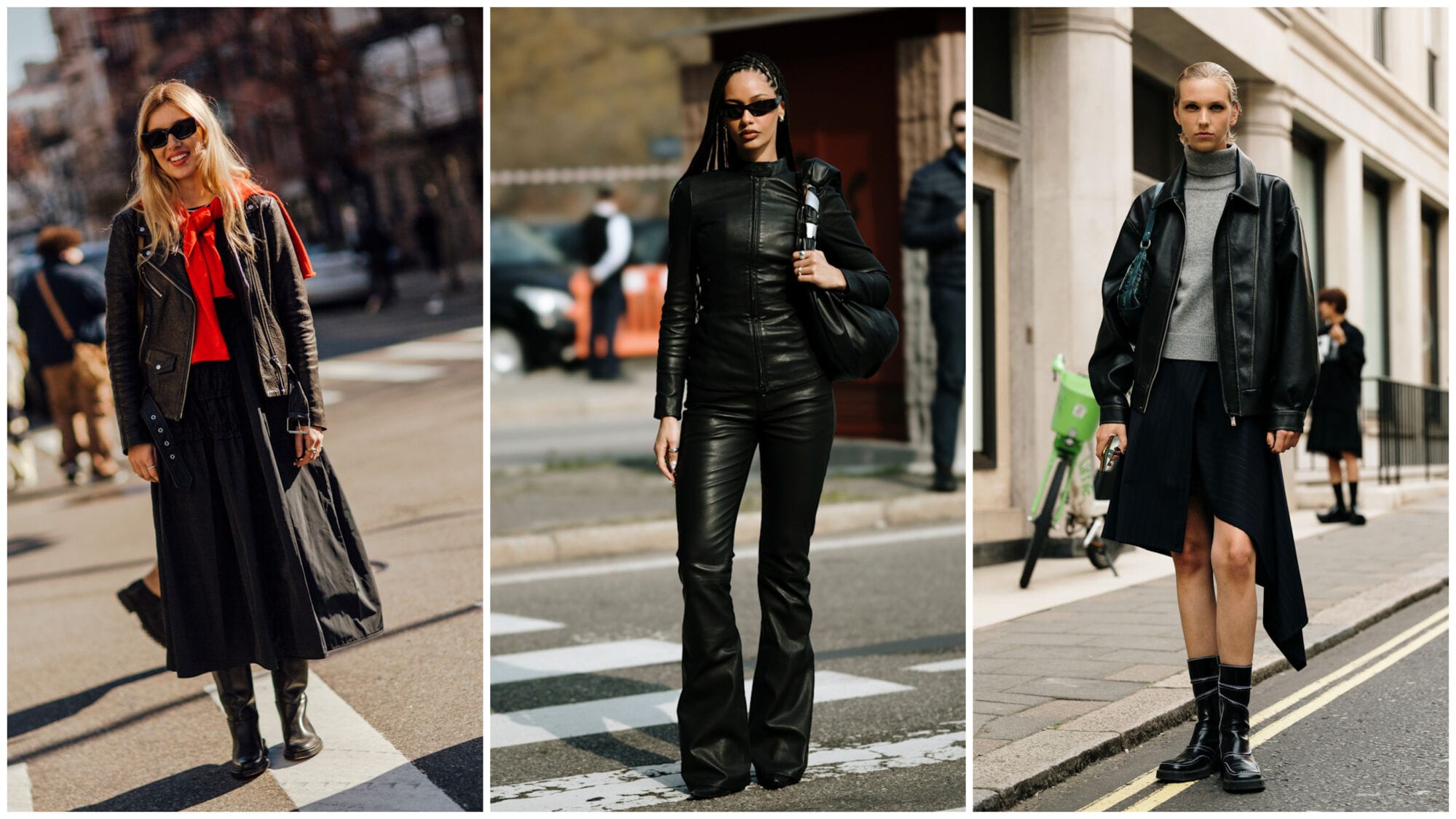
Street-Cool Style: How to Make Motorcycle Jackets, Belt Bags, and Futuristic Sunglasses Stand Out
Street fashion has never been about following every rule.It is about knowing which rules to break.A motorcycle jacket, a compact belt bag,...

The Art of Color Coordination: How to Match Your Bag With Your Eyeglass Frames for an Effortlessly Sophisticated Look
Fashion is often about the little details.A beautifully tailored outfit can look polished, yet something may still feel incomplete. The reason is...
Dating Night Style Secrets: The Perfect Collision of an Elegant Cocktail Dress, a Chain Evening Bag, and Sophisticated Semi-Rimless Glasses
Dating night is about more than choosing an outfit. It is about creating an impression without looking like you tried too hard....
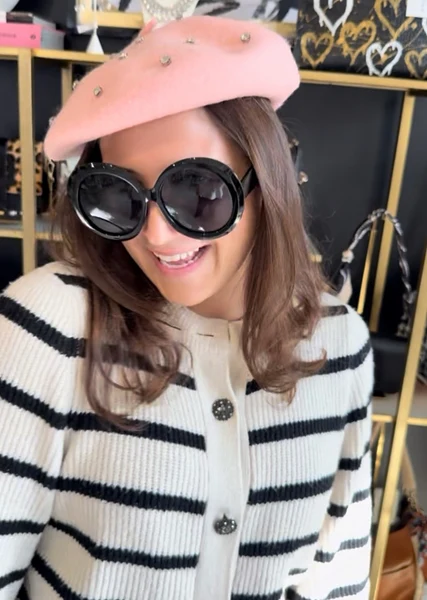
Effortless French Elegance: The Perfect Pairing of Knitwear, Tote Bags, and Cat-Eye Glasses
There is something undeniably captivating about French style.It is polished without looking overly polished, feminine without being overly delicate, and comfortable without...
A Cross-Textural Conversation: The Tactile Collision of Leather Bags, Tweed Clothing, and Wood-Frame Eyewear
Introduction: When Materials Become the Main CharacterFashion is often discussed in terms of color, silhouette, trend, and season. Yet some of the...
The Ultimate Guide to Vacation-Style Outfits: Floral Dresses, Straw Bags, and Round Sunglasses for Summer
Summer is the season of relaxed mornings, warm afternoons, outdoor dinners, weekend getaways, and long-awaited vacations. It is also the perfect time...
The Romance of Earth Tones in Fall: The Color Aesthetics of Trench Coats, Saddle Bags, and Tea-Tinted Sunglasses
Introduction: Falling in Love With the Colors of AutumnThere is something irresistibly romantic about autumn fashion.As summer fades, bright colors gradually give...
Best Glasses for Your Face Shape: Round, Square, Oval & More
Introduction: The Right Glasses Can Transform Your Entire AppearanceChoosing a pair of glasses is about much more than simply correcting your vision....