
Say Goodbye to Blurry Vision: The Complete Guide to Cleaning, Maintaining, and Repairing Your Glasses Without Costly Mistakes
Whether you wear prescription glasses every day, switch between reading glasses and sunglasses, or rely on blue light filtering lenses during work, clear vision depends on more than just having the right prescription. Even the highest-quality eyewear can quickly become frustrating if the lenses are dirty, scratched, loose, or poorly maintained.
Many people assume that blurry vision automatically means they need a new prescription. In reality, the problem is often much simpler. Smudges, microscopic scratches, damaged lens coatings, loose screws, or improper cleaning habits can all reduce visual clarity and make your glasses feel less comfortable.
Unfortunately, countless pairs of glasses are damaged every year by well-intentioned owners using the wrong cleaning products, wiping lenses with rough fabrics, or attempting DIY repairs that create bigger problems.
The good news is that most of these issues are preventable.
This guide explains everything you need to know about keeping your glasses clean, extending their lifespan, avoiding common maintenance mistakes, recognizing when repairs are worthwhile, and knowing when replacement is the smarter choice.
Why Do Glasses Become Blurry?
Blurry lenses are not always caused by poor eyesight. Several everyday factors can interfere with clear vision.
Some are temporary and easy to fix, while others require professional attention.
Common causes include:
- Fingerprints and skin oils
- Dust and airborne particles
- Water spots
- Cosmetic residue
- Scratched lenses
- Damaged lens coatings
- Loose or bent frames
- Incorrect lens positioning
- Aging prescriptions
Understanding the cause is the first step toward finding the right solution.
Daily Dirt Is More Harmful Than You Think
Most glasses collect contaminants throughout the day.
These include:
- Natural skin oils
- Sweat
- Makeup
- Sunscreen
- Dust
- Pollen
- Cooking grease
- Air pollution
At first, these substances only reduce clarity. Over time, however, they can gradually affect lens coatings if they are not removed properly.
The longer dirt stays on the lenses, the more difficult it becomes to clean without additional rubbing—which increases the risk of scratching.
Making lens cleaning part of your daily routine helps preserve both visibility and the condition of your eyewear.
The Right Way to Clean Your Glasses
Cleaning glasses seems simple, but many people unknowingly damage their lenses through improper techniques.
Following a few basic steps can make a significant difference.
Step 1: Wash Your Hands First
Before touching your lenses, wash your hands with soap and water.
Dirty hands can transfer oils and abrasive particles directly onto the lenses.
Dry your hands with a clean, lint-free towel before handling your glasses.
Step 2: Rinse the Lenses
Hold your glasses under lukewarm running water.
This removes loose dust and grit that could scratch the lenses during cleaning.
Avoid hot water, as excessive heat may damage certain lens coatings.
Step 3: Use a Lens-Safe Cleaner
Apply a cleaner specifically designed for eyeglass lenses or use a small amount of mild dish soap without added moisturizers.
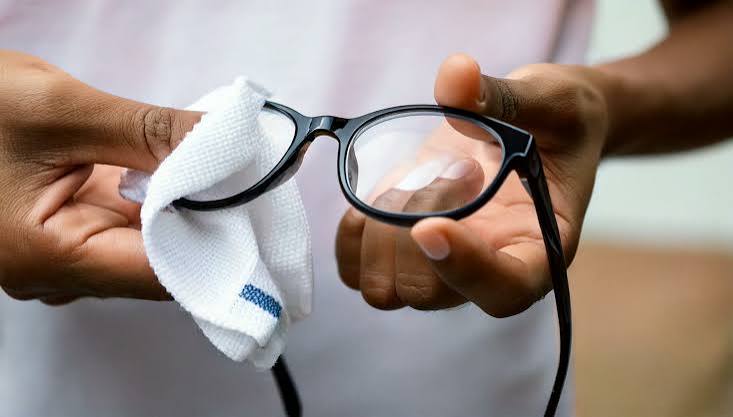
Gently clean both sides of each lens along with the frame.
Pay extra attention to areas around the nose pads and hinges where oils often accumulate.
Step 4: Dry With a Microfiber Cloth
Use a clean microfiber cloth made for optical lenses.
Microfiber lifts oils and moisture without scratching delicate surfaces.
Avoid twisting or pressing too hard.
Gentle circular motions are usually sufficient.
Cleaning Products You Should Never Use
Many household products appear harmless but can damage lenses or protective coatings.
Avoid using:
- Paper towels
- Facial tissues
- Napkins
- Clothing
- Alcohol-based household cleaners
- Glass cleaners designed for windows
- Bleach
- Ammonia-based products
- Abrasive cleaning powders
Even soft-looking paper products contain wood fibers that can leave tiny scratches over time.
Likewise, household glass cleaners often contain chemicals that are too harsh for coated prescription lenses.
Why Your Shirt Is Not a Cleaning Cloth
One of the most common habits among glasses wearers is wiping lenses with a shirt.
Although convenient, this habit can gradually damage the lenses.
Clothing may contain:
- Dust
- Dirt
- Fabric fibers
- Laundry detergent residue
These particles can create fine scratches that scatter light and reduce visual clarity.
A microfiber cloth is a much safer alternative and is easy to carry in a glasses case or bag.
Understanding Lens Coatings
Modern eyeglass lenses often include specialized coatings that improve performance.
Common coatings include:
Anti-Reflective Coating
Reduces glare from:
- Computer screens
- Vehicle headlights
- Indoor lighting
It also improves cosmetic appearance by reducing reflections.
Scratch-Resistant Coating
No lens is completely scratch-proof.
Scratch-resistant coatings simply make lenses more durable during everyday use.
Proper cleaning is still essential.
UV Protection
Many modern lenses block harmful ultraviolet radiation.
This protection helps shield the eyes during outdoor activities.
Blue Light Filtering
Some lenses are designed to reduce exposure to certain blue light wavelengths from digital devices.
While research on benefits continues to evolve, many users report improved visual comfort during extended screen use.
Common Cleaning Mistakes That Shorten Lens Life
Even careful owners sometimes develop habits that gradually damage their eyewear.
Avoid these common mistakes:
Cleaning Dry Lenses
Rubbing dry lenses allows dust particles to scrape across the surface.
Always rinse first.
Using Excessive Pressure
Pressing harder does not improve cleaning.
It only increases the chance of damaging coatings.
Ignoring the Frame
Frames collect oils, bacteria, and debris.
Cleaning only the lenses leaves buildup around hinges and nose pads.
Reusing Dirty Cloths
A microfiber cloth should be cleaned regularly.
A dirty cloth may simply move oils around instead of removing them.
How to Prevent Scratches Before They Happen
Prevention is always easier than repair.
Simple habits can greatly reduce the likelihood of scratching your lenses.
For example:
- Store glasses in a protective case when not in use.
- Place glasses with the lenses facing upward.
- Avoid leaving them loose inside bags or pockets.
- Keep them away from keys, coins, and sharp objects.
- Remove glasses with both hands to reduce frame stress.
These habits take only seconds but can significantly extend the life of your eyewear.
When Loose Frames Affect Your Vision
Sometimes blurry vision has nothing to do with the lenses themselves.
Frames that have become loose or bent may position the lenses incorrectly in front of your eyes.
Signs include:
- Glasses sliding down your nose
- Uneven fit on your face
- Crooked frames
- Frequent adjustments throughout the day
- Pressure behind one ear
A simple frame adjustment performed by an optical professional can often restore comfort and improve visual alignment.
Can Scratched Lenses Be Repaired?
This is one of the most frequently asked questions among glasses wearers.
The honest answer is that most scratches cannot be completely repaired.
Many online "scratch removal" methods recommend products such as toothpaste, baking soda, or polishing compounds.
These methods may actually make the problem worse by removing protective coatings or creating additional surface damage.
If scratches noticeably affect your vision, replacing the lenses is usually the safest solution.
Recognizing When Repairs Make Sense
Not every problem requires new glasses.
Professional repairs may be worthwhile if your eyewear has:
- Loose screws
- Bent temples
- Misaligned hinges
- Worn nose pads
- Missing temple tips
- Minor frame adjustments
These repairs are often quick and inexpensive compared with purchasing a completely new pair.
When Replacement Is the Better Investment
There comes a point when replacing your glasses makes more sense than continuing to repair them.
Consider replacement if:
- The prescription is outdated.
- Lenses are heavily scratched.
- Lens coatings are peeling.
- The frame is cracked beyond repair.
- The fit cannot be restored comfortably.
- Repairs become frequent and costly.
A new pair can improve both visual performance and everyday comfort.
Caring for Glasses While Traveling
Travel exposes glasses to additional risks.
To protect them:
- Always carry a hard-shell case.
- Bring an extra microfiber cloth.
- Pack lens cleaner in a travel-size bottle.
- Avoid leaving glasses in hot vehicles.
- Keep them away from sand and saltwater whenever possible.
Temperature extremes and abrasive particles can shorten the lifespan of your eyewear.
Tips for Long-Term Glasses Maintenance
A few consistent habits can help your glasses stay in excellent condition for years.
- Clean lenses daily using proper methods.
- Wash microfiber cloths regularly.
- Tighten loose screws before they become larger problems.
- Schedule periodic professional adjustments.
- Replace worn nose pads when necessary.
- Store glasses safely whenever they are not being worn.
Routine maintenance is far less expensive than replacing damaged eyewear prematurely.
Frequently Asked Questions
How often should I clean my glasses?
For most people, a light cleaning once or twice a day is enough. If you work in dusty environments or wear makeup or sunscreen, you may need to clean them more often.
Is it okay to use water only?
Water can remove loose dust, but it may not effectively remove oils or smudges. A lens-safe cleaner or mild dish soap is generally more effective.
Can I repair loose screws myself?
Small eyeglass repair kits can help with simple screw tightening, but avoid overtightening, as this can damage the frame. If you're unsure, an optical shop can usually make the adjustment quickly.
How long should a pair of glasses last?
With proper care, quality frames can last for many years. Lens lifespan depends on daily wear, coating condition, and whether your prescription changes over time.
Final Thoughts: Clear Vision Starts With Proper Care
Your glasses are more than a vision aid—they're an investment in your daily comfort, productivity, and quality of life. Clear lenses, well-fitted frames, and proper maintenance all contribute to a better viewing experience.
Many common problems, from blurry lenses to loose frames, can be prevented with simple habits like using the right cleaning materials, storing glasses properly, and scheduling occasional professional adjustments.
At the same time, it's important to recognize when repairs are no longer practical. Severely scratched lenses, damaged coatings, or broken frames often require replacement to restore the clarity and comfort you deserve.
By understanding how to clean, maintain, repair, and protect your eyewear, you can extend its lifespan, avoid unnecessary expenses, and enjoy sharp, comfortable vision every day.
Share this post

2026 Spring/Summer Fashion Trends: When Retro Small-Frame Glasses Meet the Underarm Bag
Fashion has always had a talent for bringing the past back in unexpected ways.A silhouette that once belonged to another decade can...

Soft Aesthetics for Girls with Square Faces: How Rounded Handbags and Gentle Eyeglass Frames Soften Facial Lines
A square face can be striking, elegant, and full of character. Defined by a broader forehead, a relatively straight jawline, and noticeable...
How to Buy Prescription Glasses Online on XCombo
Looking to buy glasses online? XCombo makes it easy to get stylish, high-quality glasses tailored to your prescription. Follow this simple step-by-step...

The Executive Style Code: A Career Guide to Suits, Briefcases, and Sophisticated Eyewear
In the modern workplace, professional style is about much more than wearing expensive clothes.The strongest business wardrobe communicates something before you say...

Street-Cool Style: How to Make Motorcycle Jackets, Belt Bags, and Futuristic Sunglasses Stand Out
Street fashion has never been about following every rule.It is about knowing which rules to break.A motorcycle jacket, a compact belt bag,...

The Art of Color Coordination: How to Match Your Bag With Your Eyeglass Frames for an Effortlessly Sophisticated Look
Fashion is often about the little details.A beautifully tailored outfit can look polished, yet something may still feel incomplete. The reason is...
Dating Night Style Secrets: The Perfect Collision of an Elegant Cocktail Dress, a Chain Evening Bag, and Sophisticated Semi-Rimless Glasses
Dating night is about more than choosing an outfit. It is about creating an impression without looking like you tried too hard....

Effortless French Elegance: The Perfect Pairing of Knitwear, Tote Bags, and Cat-Eye Glasses
There is something undeniably captivating about French style.It is polished without looking overly polished, feminine without being overly delicate, and comfortable without...
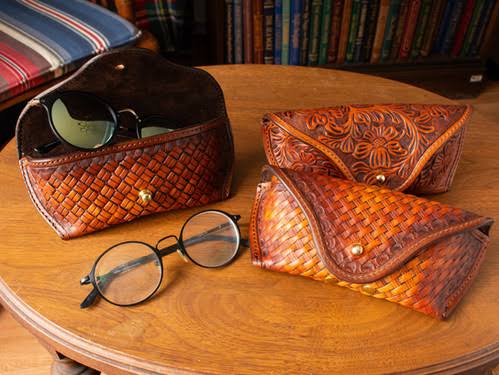
A Cross-Textural Conversation: The Tactile Collision of Leather Bags, Tweed Clothing, and Wood-Frame Eyewear
Introduction: When Materials Become the Main CharacterFashion is often discussed in terms of color, silhouette, trend, and season. Yet some of the...

The Ultimate Guide to Vacation-Style Outfits: Floral Dresses, Straw Bags, and Round Sunglasses for Summer
Summer is the season of relaxed mornings, warm afternoons, outdoor dinners, weekend getaways, and long-awaited vacations. It is also the perfect time...
The Romance of Earth Tones in Fall: The Color Aesthetics of Trench Coats, Saddle Bags, and Tea-Tinted Sunglasses
Introduction: Falling in Love With the Colors of AutumnThere is something irresistibly romantic about autumn fashion.As summer fades, bright colors gradually give...
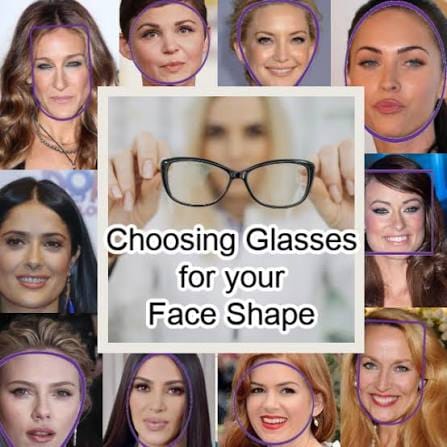
Best Glasses for Your Face Shape: Round, Square, Oval & More
Introduction: The Right Glasses Can Transform Your Entire AppearanceChoosing a pair of glasses is about much more than simply correcting your vision....