
Clear Vision, Clear Life: The Ultimate Eyeglass Care Guide for Everyday Living
Eyeglasses are more than just vision tools. For millions of people, they are essential daily companions that improve productivity, confidence, comfort, and style. Whether you wear prescription glasses for reading, computer work, driving, or all-day use, proper eyeglass care can dramatically extend the life of your lenses and frames while keeping your vision crystal clear.
Unfortunately, many people unknowingly damage their glasses through simple habits like wiping lenses with shirts, placing frames face-down, or leaving them in hot cars. Over time, these small mistakes can lead to scratches, loose hinges, warped frames, foggy lenses, and expensive replacements.
This comprehensive guide explores everything you need to know about eyeglass maintenance, cleaning techniques, storage habits, travel protection, lens care, and lifestyle tips. Whether you own budget-friendly eyewear or premium designer frames, these practical strategies will help you keep your glasses in excellent condition for years.
Why Proper Eyeglass Care Matters
Eyeglasses are an investment in both vision and quality of life. Taking care of them offers several important benefits:
Better Visual Clarity
Dirty or scratched lenses reduce sharpness and increase eye strain. Clean lenses improve focus, reduce glare, and make daily tasks easier.
Longer Lifespan
Frames and lenses that are properly maintained can last significantly longer, saving money over time.
Improved Comfort
Loose nose pads, bent temples, and dirty surfaces can create discomfort during long wear. Regular maintenance keeps glasses comfortable throughout the day.
Enhanced Appearance
Clean, polished eyewear looks more professional and stylish. Smudged or scratched lenses can affect both appearance and confidence.
Reduced Replacement Costs
Minor maintenance helps prevent major damage that often leads to costly repairs or complete replacement.
Understanding the Anatomy of Your Glasses
Before learning how to care for your glasses, it helps to understand the main components.
Lenses
Lenses are the most delicate and important part of your eyewear. They may include coatings such as:
- Anti-reflective coating
- Scratch-resistant coating
- Blue light filtering
- UV protection
- Transition technology
Each coating requires gentle handling to prevent damage.
Frames
Frames come in various materials:
- Plastic
- Acetate
- Titanium
- Stainless steel
- Aluminum
- Memory metal
Different materials respond differently to heat, pressure, and moisture.
Hinges
Hinges connect the temples to the frame front and allow glasses to fold. Loose hinges are one of the most common maintenance issues.
Nose Pads
Nose pads provide comfort and proper positioning. Over time, they collect oil, sweat, and bacteria.
Temples
The temple arms rest over the ears and help stabilize the glasses during wear.
The Correct Way to Clean Your Glasses
Cleaning your glasses properly is one of the most important habits for preserving lens quality.
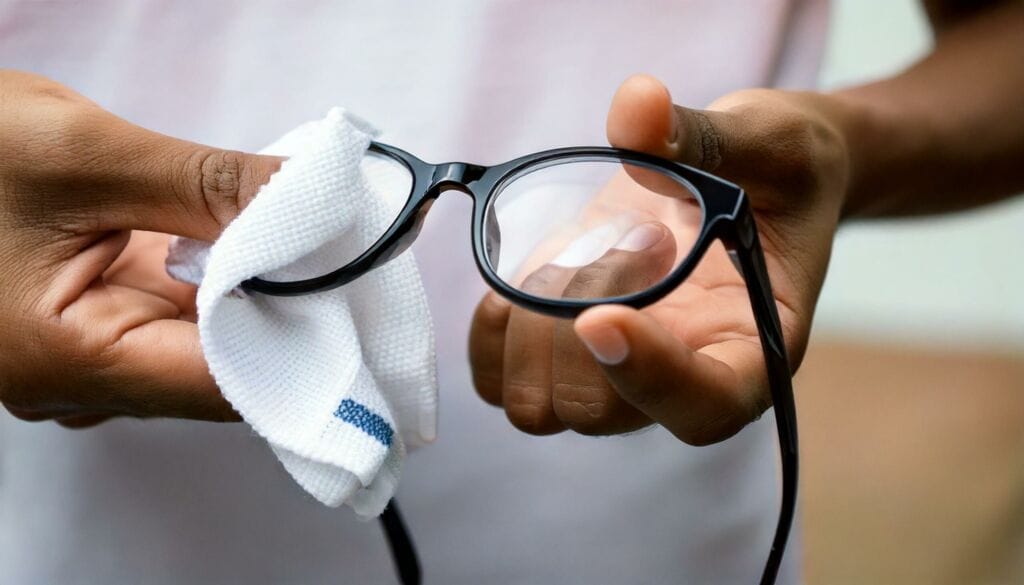
Step 1: Wash Your Hands
Always begin with clean hands. Oils, lotion, dirt, and debris on your fingers can transfer to lenses and cause smearing or scratching.
Use lotion-free soap whenever possible.
Step 2: Rinse Glasses with Lukewarm Water
Before wiping lenses, rinse them gently under lukewarm water to remove dust and particles.
Never use hot water because it can damage lens coatings.
Step 3: Apply Lens Cleaner or Mild Soap
Use a cleaner specifically designed for eyeglasses or a tiny drop of gentle dish soap.
Avoid products containing:
- Ammonia
- Bleach
- Vinegar
- Harsh chemicals
- Alcohol-heavy solutions
These ingredients may damage protective coatings.
Step 4: Clean Carefully
Use your fingertips to gently clean both sides of the lenses, the frame front, nose pads, and temples.
Pay extra attention to areas near the nose pads where oils accumulate.
Step 5: Dry with a Microfiber Cloth
Use only a clean microfiber cloth designed for glasses.
Never use:
- Paper towels
- Tissues
- Napkins
- Shirts
- Towels
These materials can create microscopic scratches.

Common Eyeglass Cleaning Mistakes
Many lens problems are caused by improper cleaning methods.
Dry Wiping
Wiping dry lenses without rinsing first can grind dust particles into the surface.
Using Household Glass Cleaner
Window cleaners often contain chemicals that strip lens coatings.
Breathing on Lenses
Fogging lenses with your breath and wiping them with clothing may seem convenient, but it spreads oils and increases scratching risk.
Using Dirty Cloths
Microfiber cloths should be washed regularly. Dirty cloths trap debris that can scratch lenses.
Excessive Pressure
Pressing too hard while cleaning may stress frames or damage coatings.
How to Store Your Glasses Properly
Storage habits play a major role in protecting eyewear.
Always Use a Hard Case
A hard-shell case provides the best protection against crushing, bending, and scratches.
Soft pouches help prevent dust but offer limited impact protection.
Store Glasses Face-Up
Never place glasses lens-side down on tables or countertops.
Keep Away from Extreme Heat
Heat can warp frames and damage coatings.
Avoid leaving glasses:
- Inside cars
- Near ovens
- On dashboards
- In direct sunlight for long periods
Designate a Safe Spot
Create a consistent location at home for your glasses to reduce accidental drops or misplacement.
Travel Tips for Protecting Your Eyewear
Travel exposes glasses to extra risks, including pressure, impact, dust, and changing temperatures.
Carry a Backup Pair
Having a second pair can save major inconvenience if your primary glasses are lost or damaged.
Pack Cleaning Supplies
Bring:
- Microfiber cloths
- Lens cleaning spray
- Protective case
- Anti-fog wipes if needed
Use a Durable Case During Flights
Luggage movement can damage frames. Keep glasses in a protective case inside your carry-on bag.
Protect Sunglasses Too
Prescription sunglasses require the same care as regular eyewear.
Preventing Scratches on Your Lenses
Scratches are one of the most frustrating eyewear problems.
Use Proper Cleaning Materials
Microfiber cloths and approved cleaners reduce abrasion risk.
Avoid Tossing Glasses onto Surfaces
Even soft surfaces may contain particles that scratch lenses.
Keep Glasses Away from Keys and Coins
In bags or pockets, hard objects can easily damage lenses.
Replace Old Cleaning Cloths
Overused cloths accumulate debris over time.
Be Careful at the Gym
Sweat, towels, and accidental drops make workouts risky for eyewear.
Consider sports straps or specialized athletic frames.
How to Handle Foggy Glasses
Foggy lenses became a common issue for many people, especially during mask use and cold weather.
Use Anti-Fog Products
Specialized anti-fog sprays and wipes help reduce condensation.
Improve Airflow
Adjust masks to direct breath downward instead of upward toward lenses.
Keep Lenses Clean
Oil buildup increases fogging.
Choose Proper Frame Fit
Frames sitting too close to the face may trap moisture.
Caring for Different Types of Eyeglasses
Different lifestyles require different care strategies.
Computer Glasses
Blue light and computer glasses are often exposed to fingerprints and screen-related smudges.
Clean them frequently to maintain visual comfort during long work sessions.
Reading Glasses
Reading glasses are commonly placed on tables, books, and counters.
Develop consistent storage habits to avoid scratches.
Sports Glasses
Athletic eyewear requires:
- Frequent cleaning
- Sweat management
- Impact-resistant storage
Prescription Sunglasses
Saltwater, sunscreen, and sand can damage sunglasses.
Rinse thoroughly after beach use.
Seasonal Eyeglass Care Tips
Weather conditions affect your eyewear differently throughout the year.
Summer
Summer risks include:
- Heat damage
- Sunscreen smudges
- Sweat buildup
- UV exposure
Clean glasses more frequently during hot weather.
Winter
Cold temperatures increase fogging and condensation.
Use anti-fog products and avoid sudden temperature changes when possible.
Rainy Seasons
Water spots may leave mineral residue on lenses.
Dry lenses promptly with microfiber cloths.
How to Maintain Frame Alignment
Bent or crooked glasses affect comfort and vision accuracy.
Signs Your Frames Need Adjustment
- Uneven fit
- Sliding down nose
- One lens sitting higher
- Pressure behind ears
Avoid DIY Force
Bending frames aggressively can cause breakage.
For major adjustments, visit an optical professional.
Tighten Loose Screws Carefully
Eyeglass repair kits are useful for small fixes.
Use gentle pressure to avoid stripping screws.
Cleaning Nose Pads and Hard-to-Reach Areas
Nose pads collect oils, makeup, sweat, and bacteria.
Use a Soft Brush
A soft toothbrush or cotton swab can help clean small crevices.
Sanitize Occasionally
Mild soap and water usually work well.
Avoid strong disinfectants that may damage materials.
Replace Worn Nose Pads
Old nose pads can discolor or harden over time.
Replacement improves both comfort and hygiene.
Best Habits for Kids with Glasses
Children often need extra guidance on eyewear care.
Teach Proper Removal
Kids should use both hands when taking off glasses.
Use Flexible Frames
Durable materials help reduce breakage.
Create Cleaning Routines
Simple daily habits encourage responsibility.
Label Cases
Personalized cases reduce loss at school.
Eyeglass Care for Office Workers
People who spend long hours in offices face unique challenges.
Reduce Screen Smudges
Frequent adjustments during computer work lead to fingerprints.
Store Glasses Safely During Meetings
Avoid placing glasses on conference tables without protection.
Maintain Clean Lenses for Productivity
Clear vision reduces eye fatigue during long work sessions.
How Makeup and Skincare Affect Glasses
Beauty products often interact with eyewear.
Foundation and Oils
Makeup buildup near nose pads can stain frames.
Hairspray and Perfume
Chemical sprays may leave residue on lenses.
Apply products before putting on glasses.
Sunscreen Smudges
Clean lenses promptly after sunscreen contact.
Digital Eye Strain and Lens Maintenance
Dirty lenses worsen symptoms of digital eye strain.
Symptoms Include
- Headaches
- Blurry vision
- Dry eyes
- Fatigue
Keep Lenses Spotless
Smudges force eyes to work harder during screen use.
Follow the 20-20-20 Rule
Every 20 minutes, look at something 20 feet away for 20 seconds.
The Importance of UV Protection
UV exposure affects eye health long term.
UV-Protective Lenses
Many modern lenses include UV filtering technology.
Outdoor Habits
Wear sunglasses even on cloudy days.
Protect Children’s Eyes
Kids spend significant time outdoors and benefit greatly from UV protection.
When to Replace Your Glasses
Even well-maintained glasses eventually need replacement.
Signs It’s Time for New Eyewear
- Persistent scratches
- Outdated prescription
- Loose frame structure
- Peeling coatings
- Frequent headaches
Regular Eye Exams Matter
Vision changes gradually over time.
Routine exams help ensure your prescription remains accurate.
Eco-Friendly Eyeglass Care Practices
Sustainable habits reduce waste and environmental impact.
Reuse Durable Cases
Avoid disposable storage options.
Wash Microfiber Cloths
Reusable cleaning cloths reduce paper waste.
Donate Old Frames
Many organizations accept gently used glasses for recycling or redistribution.
Choose Durable Products
Long-lasting eyewear reduces replacement frequency.
Organizing Multiple Pairs of Glasses
Many people own:
- Reading glasses
- Prescription sunglasses
- Computer glasses
- Fashion frames
Use Dedicated Storage
Drawer organizers and display stands help prevent damage.
Rotate Usage Carefully
Switching pairs properly reduces wear concentration.
Keep Cases Accessible
Convenience encourages better habits.
Emergency Eyeglass Repair Tips
Minor issues sometimes happen unexpectedly.
Loose Screws
Mini repair kits can temporarily fix hinges.
Missing Nose Pads
Temporary replacements are available until professional repair.
Bent Frames
Avoid excessive force.
Professional adjustments are safer for delicate materials.
Building a Daily Eyeglass Care Routine
Consistency is more important than perfection.
Morning Routine
- Inspect lenses
- Remove dust
- Check alignment
Midday Habits
- Store glasses safely
- Avoid shirt cleaning
- Use microfiber cloths
Evening Routine
- Deep clean lenses
- Place glasses in case
- Keep away from heat
Myths About Eyeglass Care
Many common beliefs are inaccurate.
“Scratch-Resistant Means Scratch-Proof”
No lens is completely scratch-proof.
“Any Cloth Is Fine”
Fabric texture matters greatly.
“Water Alone Cleans Everything”
Oils often require proper cleaning solution.
“Hot Water Sanitizes Better”
Heat may damage coatings.
How Lifestyle Influences Eyeglass Longevity
Your daily environment impacts eyewear condition.
Active Lifestyles
Sports and outdoor work increase exposure to dust and impact.
Urban Living
Pollution and frequent commuting create additional cleaning needs.
Coastal Areas
Salt exposure can damage frames and coatings over time.
Choosing the Right Eyeglass Accessories
Good accessories simplify maintenance.
Essential Items
- Hard-shell case
- Microfiber cloth
- Lens cleaning spray
- Repair kit
Optional Upgrades
- Anti-fog wipes
- Travel pouch
- Lens cleaning station
- Sports straps
The Connection Between Clean Glasses and Confidence
Eyewear affects first impressions more than many people realize.
Clean, well-maintained glasses can improve:
- Professional appearance
- Personal confidence
- Comfort during conversations
- Visual clarity during important tasks
Taking care of your eyewear is ultimately a form of self-care.
Final Thoughts
Eyeglasses support your vision every single day, so they deserve consistent attention and protection. Small habits—like using microfiber cloths, storing glasses in hard cases, avoiding heat exposure, and cleaning lenses properly—can make a tremendous difference in both performance and longevity.
Whether you wear glasses occasionally or rely on them from morning until night, proper maintenance helps preserve comfort, clarity, and style. By building smart daily routines and avoiding common mistakes, you can keep your eyewear looking and functioning like new for years to come.
Clear vision starts with good care habits. Treat your glasses well, and they’ll continue helping you see the world at its very best.
Share this post

2026 Spring/Summer Fashion Trends: When Retro Small-Frame Glasses Meet the Underarm Bag
Fashion has always had a talent for bringing the past back in unexpected ways.A silhouette that once belonged to another decade can...
Soft Aesthetics for Girls with Square Faces: How Rounded Handbags and Gentle Eyeglass Frames Soften Facial Lines
A square face can be striking, elegant, and full of character. Defined by a broader forehead, a relatively straight jawline, and noticeable...
How to Buy Prescription Glasses Online on XCombo
Looking to buy glasses online? XCombo makes it easy to get stylish, high-quality glasses tailored to your prescription. Follow this simple step-by-step...

The Executive Style Code: A Career Guide to Suits, Briefcases, and Sophisticated Eyewear
In the modern workplace, professional style is about much more than wearing expensive clothes.The strongest business wardrobe communicates something before you say...
Street-Cool Style: How to Make Motorcycle Jackets, Belt Bags, and Futuristic Sunglasses Stand Out
Street fashion has never been about following every rule.It is about knowing which rules to break.A motorcycle jacket, a compact belt bag,...

The Art of Color Coordination: How to Match Your Bag With Your Eyeglass Frames for an Effortlessly Sophisticated Look
Fashion is often about the little details.A beautifully tailored outfit can look polished, yet something may still feel incomplete. The reason is...
Dating Night Style Secrets: The Perfect Collision of an Elegant Cocktail Dress, a Chain Evening Bag, and Sophisticated Semi-Rimless Glasses
Dating night is about more than choosing an outfit. It is about creating an impression without looking like you tried too hard....
Effortless French Elegance: The Perfect Pairing of Knitwear, Tote Bags, and Cat-Eye Glasses
There is something undeniably captivating about French style.It is polished without looking overly polished, feminine without being overly delicate, and comfortable without...
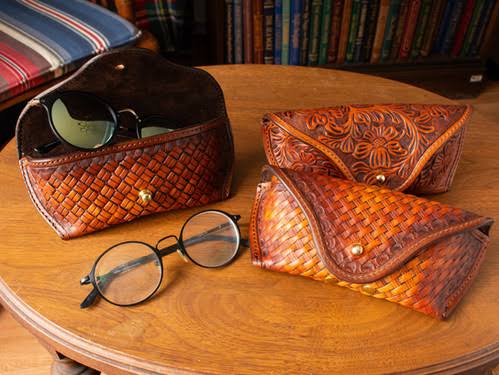
A Cross-Textural Conversation: The Tactile Collision of Leather Bags, Tweed Clothing, and Wood-Frame Eyewear
Introduction: When Materials Become the Main CharacterFashion is often discussed in terms of color, silhouette, trend, and season. Yet some of the...
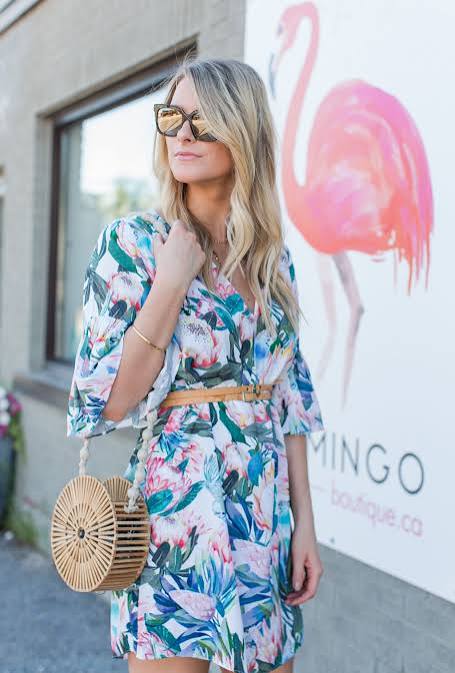
The Ultimate Guide to Vacation-Style Outfits: Floral Dresses, Straw Bags, and Round Sunglasses for Summer
Summer is the season of relaxed mornings, warm afternoons, outdoor dinners, weekend getaways, and long-awaited vacations. It is also the perfect time...
The Romance of Earth Tones in Fall: The Color Aesthetics of Trench Coats, Saddle Bags, and Tea-Tinted Sunglasses
Introduction: Falling in Love With the Colors of AutumnThere is something irresistibly romantic about autumn fashion.As summer fades, bright colors gradually give...
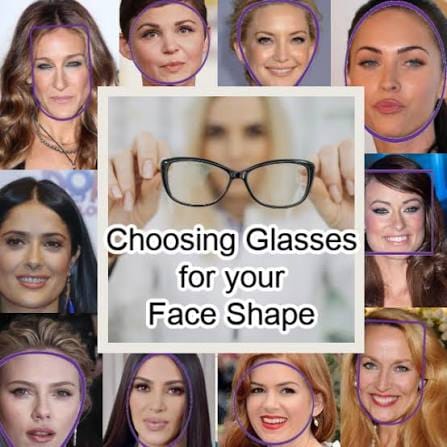
Best Glasses for Your Face Shape: Round, Square, Oval & More
Introduction: The Right Glasses Can Transform Your Entire AppearanceChoosing a pair of glasses is about much more than simply correcting your vision....