
More Than Style: The “Gold Standard” for Measuring the Quality of a Great Pair of Eyeglasses
When choosing a new pair of eyeglasses, many people begin with the same question: “Does this frame look good on me?” Style, color, and shape are certainly important. Eyeglasses are not only vision-correction tools but also a reflection of personal taste, personality, and lifestyle.
However, a truly great pair of glasses is defined by much more than appearance.
A fashionable frame with poor construction, uncomfortable materials, or low-quality lenses may look attractive in the store but become frustrating after weeks of daily wear. On the other hand, well-made eyewear can provide exceptional comfort, durability, visual clarity, and confidence for years.
The real value of a pair of glasses comes from the combination of design, craftsmanship, materials, optical performance, and user experience.
This guide explores the key factors that represent the “gold standard” of eyeglass quality and explains how to evaluate whether a pair of glasses is truly worth your investment.
Why Appearance Alone Does Not Define Quality
Eyeglasses sit on your face for many hours every day.
Unlike accessories that are occasionally worn, glasses are constantly involved in your daily routine:
- Working
- Driving
- Reading
- Using digital devices
- Exercising
- Socializing
- Traveling
Because of this, quality should be measured by more than visual appeal.
A good pair of eyeglasses should provide:
- Clear vision
- Comfortable fit
- Long-lasting durability
- Reliable materials
- Excellent craftsmanship
- Protection for your eyes
A beautiful frame that causes pressure on your nose or produces unclear vision is not a truly high-quality product.
The best eyewear combines beauty with function.
The First Standard of Quality: Premium Lens Performance
The lenses are the heart of every pair of glasses.
While frames determine appearance, lenses determine how well you see and how comfortable your eyes feel.
A high-quality lens should provide:
- Accurate vision correction
- Minimal distortion
- Good optical clarity
- Appropriate protection
- Comfortable viewing experience
Optical Clarity: The Foundation of Good Vision
One of the most important measurements of lens quality is optical clarity.
High-quality lenses are manufactured with precise technology to reduce visual distortion.
Poor-quality lenses may create:
- Blurry edges
- Uneven focus
- Eye fatigue
- Difficulty adjusting
Premium lenses maintain consistent optical performance across the entire viewing area.
This is especially important for people with:
- Strong prescriptions
- Progressive lenses
- Astigmatism correction
- High daily screen use
Lens Material Matters
Different lens materials provide different benefits.
Standard Plastic Lenses
These are commonly used because they offer:
- Good optical quality
- Affordable pricing
- Lightweight comfort
They are suitable for many everyday users.
Polycarbonate Lenses
Polycarbonate lenses are popular for active lifestyles.
Advantages include:
- High impact resistance
- Lightweight construction
- Built-in UV protection
They are often recommended for children, sports eyewear, and safety-focused applications.
Trivex Lenses
Trivex provides excellent optical performance while maintaining durability.
Benefits include:
- Superior clarity
- Lightweight feel
- Strong impact resistance
High-Index Lenses
For stronger prescriptions, high-index lenses provide:
- Thinner appearance
- Reduced weight
- Better aesthetics
A quality eyewear provider should recommend lens materials based on prescription and lifestyle rather than simply offering the most expensive option.
Lens Coatings: Small Details With Big Impact
A lens is not complete without proper coatings.
Modern lens coatings improve performance and durability.
Important options include:
Anti-Reflective Coating
Anti-reflective coating reduces reflections from the front and back surfaces of lenses.
Benefits include:
- Better nighttime vision
- Less glare
- Improved appearance in photos and video calls
- Reduced visual distractions
Scratch-Resistant Coating
Although no lens is completely scratch-proof, protective coatings help maintain lens quality.
They are especially valuable for:
- Daily commuters
- Students
- Outdoor users
- People who frequently clean their glasses
UV Protection
Quality lenses should provide protection from harmful ultraviolet rays.
UV protection supports long-term eye health and is important even on cloudy days.
Blue Light Filtering
For people who spend significant time using digital devices, blue light filtering options may improve visual comfort.
The Second Standard of Quality: Frame Materials and Construction
A frame is not simply a decorative structure.
It determines:
- Comfort
- Stability
- Durability
- Overall wearing experience
A well-made frame should maintain its shape, feel comfortable, and withstand daily use.
Understanding Frame Materials
Different materials offer different advantages.
Acetate Frames
High-quality acetate is widely appreciated in premium eyewear.
Benefits include:
- Rich colors
- Comfortable feel
- Strong durability
- Excellent craftsmanship potential
Acetate allows designers to create unique patterns and finishes.
Stainless Steel Frames
Metal frames often provide:
- Lightweight construction
- Strength
- Modern appearance
- Adjustable fit
Titanium Frames
Titanium is considered a premium material.
Advantages include:
- Extremely lightweight
- Corrosion resistance
- High strength
- Comfortable long-term wear
Flexible Materials
Some modern frames use flexible materials designed for active users.
These frames can provide:
- Better impact resistance
- Reduced breakage risk
- Comfortable movement
Frame Construction Quality
Material alone does not determine quality.
Craftsmanship is equally important.
Look for:
Strong Hinges
High-quality hinges allow smooth opening and closing.
Poor hinges may:
- Loosen quickly
- Feel unstable
- Break easily
Balanced Weight Distribution
Good frames distribute weight evenly.
A quality pair should not feel:
- Heavy on the nose
- Tight around the temples
- Unbalanced
Smooth Finishing
Examine the frame carefully.
Premium craftsmanship usually shows:
- Smooth edges
- Clean connections
- Consistent surface finishes
- Precise details
Small manufacturing flaws often indicate lower production standards.

The Third Standard of Quality: Comfort and Fit
Even the most expensive glasses are not high quality if they are uncomfortable.
Comfort determines whether you will actually enjoy wearing them every day.
A proper fit should include:
- Correct frame width
- Comfortable nose support
- Appropriate temple pressure
- Stable positioning
Frame Size: The Foundation of Comfort
A frame should match your facial structure.
Important measurements include:
- Lens width
- Bridge width
- Temple length
A frame that is too narrow may create pressure.
A frame that is too wide may slide down.
The correct size improves both comfort and appearance.
Nose Bridge Design
The bridge plays a major role in comfort.
A good bridge design:
- Supports the glasses securely
- Reduces pressure points
- Prevents slipping
Different face shapes may require different bridge styles.
Temple Comfort
The temple arms should hold the glasses securely without squeezing.
Poor temple design can cause:
- Headaches
- Ear discomfort
- Pressure behind the ears
A quality frame should feel natural after hours of wear.
The Fourth Standard of Quality: Craftsmanship and Manufacturing Precision
Behind every high-quality pair of glasses is careful manufacturing.
Premium eyewear often reflects attention to detail in:
- Cutting
- Polishing
- Assembly
- Quality inspection
Handmade vs. Mass Production
Handcrafted eyewear is often valued because of:
- Detailed finishing
- Individual inspection
- Unique design elements
However, advanced manufacturing technology can also produce excellent quality.
The key factor is not simply whether a frame is handmade.
The real question is:
“Was it made with precision and quality control?”
Quality Inspection Standards
Reliable eyewear manufacturers typically inspect:
- Frame alignment
- Lens fitting
- Hinge performance
- Surface finishing
- Structural strength
A careful inspection process helps ensure consistency.
The Fifth Standard of Quality: Durability and Long-Term Value
A quality pair of glasses should be viewed as a long-term investment.
Durability depends on:
- Material selection
- Manufacturing quality
- Daily care
- Usage environment
Signs of Durable Eyewear
High-quality glasses often have:
- Strong hinges
- Stable frame structure
- Resistant finishes
- Reliable lenses
They maintain performance even after months or years of use.
Why Cheap Glasses Often Cost More Over Time
Low-priced eyewear may seem attractive initially, but frequent replacement can increase overall costs.
Problems may include:
- Broken hinges
- Scratched lenses
- Poor comfort
- Frame deformation
- Reduced vision quality
Investing in better quality often provides better value.
The Sixth Standard of Quality: Personalization and Professional Service
A great eyewear experience includes more than the product itself.
Professional guidance helps ensure:
- Correct prescription
- Proper fitting
- Suitable lens selection
- Long-term satisfaction
Important services include:
- Frame adjustments
- Lens recommendations
- Maintenance support
- Warranty assistance
Quality is not only about what you buy but also the support you receive afterward.
How to Evaluate Eyeglasses Before Buying
Before purchasing, consider the following checklist.
Check the Frame
Ask:
- Does it feel balanced?
- Are the hinges smooth?
- Are the edges comfortable?
- Does the material feel durable?
Check the Lenses
Ask:
- Is the lens material suitable?
- Are protective coatings included?
- Does the vision feel clear?
- Does the lens thickness match your needs?
Check the Fit
Ask:
- Does it stay in place?
- Does it create pressure?
- Can you wear it comfortably for hours?
Check the Service
Ask:
- Are adjustments available?
- Is there warranty support?
- Can the lenses be replaced later?
Common Mistakes When Choosing Eyeglasses
Many buyers focus too heavily on appearance.
Avoid these mistakes:
Choosing Style Over Comfort
A fashionable frame is useless if you cannot wear it comfortably.
Ignoring Lens Quality
The frame may attract attention, but lenses affect your daily experience.
Selecting Based Only on Price
The cheapest option may not provide long-term value.
Buying Without Proper Measurements
Incorrect sizing affects comfort and vision.
Forgetting Your Lifestyle Needs
Different users need different features.
Matching Eyeglass Quality to Your Lifestyle
The ideal glasses depend on how you use them.
Office Professionals
Consider:
- Lightweight frames
- Anti-reflective lenses
- Comfortable all-day designs
Outdoor Users
Consider:
- Durable materials
- UV protection
- Impact-resistant lenses
Digital Device Users
Consider:
- Blue light filtering
- Anti-reflective coatings
- Comfortable frame designs
Active Individuals
Consider:
- Flexible materials
- Secure fit
- Strong lenses
The True Definition of Premium Eyewear
A truly high-quality pair of glasses is not defined by a famous logo or expensive price tag.
The real standard includes:
- Excellent optical performance
- Reliable materials
- Comfortable design
- Skilled craftsmanship
- Long-term durability
- Proper personalization
The best glasses are the ones that disappear into your daily life while quietly delivering better vision and comfort.
Final Thoughts
Choosing eyeglasses should never be only about finding a fashionable frame. Style is important, but quality is what determines whether your glasses remain comfortable, functional, and valuable over time.
The “gold standard” of eyewear quality comes from the perfect balance of lens performance, frame craftsmanship, comfortable fitting, durable materials, and professional service.
Before purchasing your next pair of glasses, look beyond appearance. Examine the details that truly matter—the materials, construction, lens technology, and overall experience.
A great pair of eyeglasses does more than improve your appearance. It enhances your vision, supports your lifestyle, and becomes a reliable companion for everyday moments.
Share this post
Best Glasses for Your Face Shape: Round, Square, Oval & More
Introduction: The Right Glasses Can Transform Your Entire AppearanceChoosing a pair of glasses is about much more than simply correcting your vision....
From Head to Toe: The Golden Ratio for Styling Glasses, Clothing, and Bags
Introduction: The Secret to Looking Polished From Head to ToeGreat style is rarely about wearing the most expensive clothes, following every trend,...

Minimalist Style: How Glasses and Bags Add the Perfect Finishing Touch to Black, White, and Gray Outfits
Minimalist fashion is often described as simple, effortless, and timeless. But creating a truly polished minimalist outfit is not as easy as...

Effortless Style: The Perfect Chemistry of Oversized Sweatshirts, Crossbody Bags, and Vintage Metal-Frame Glasses
Introduction: Why Relaxed Style Feels So RightFashion does not always have to look carefully calculated.Sometimes, the most appealing outfit is the one...
The Symphony of Metallic Elements: The Art of Layering Belt Buckles, Chain Bags, and Metal Frames
Introduction: When Metal Becomes a Fashion LanguageFashion has always been a conversation between materials, shapes, and personal expression. Among all design elements,...
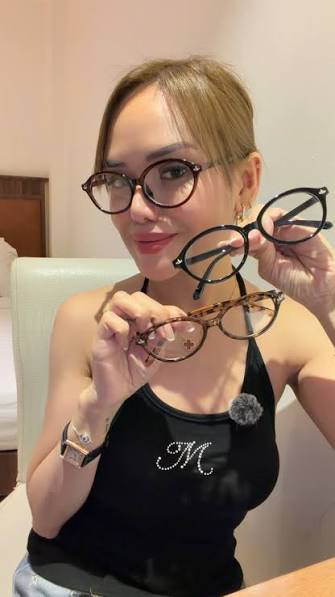
Eyeglasses as the Finishing Touch: How to Make Your Frames Blend Perfectly Into Your Everyday Outfits
Eyeglasses are more than a tool for clearer vision. Today, they are one of the most powerful accessories in a modern wardrobe....
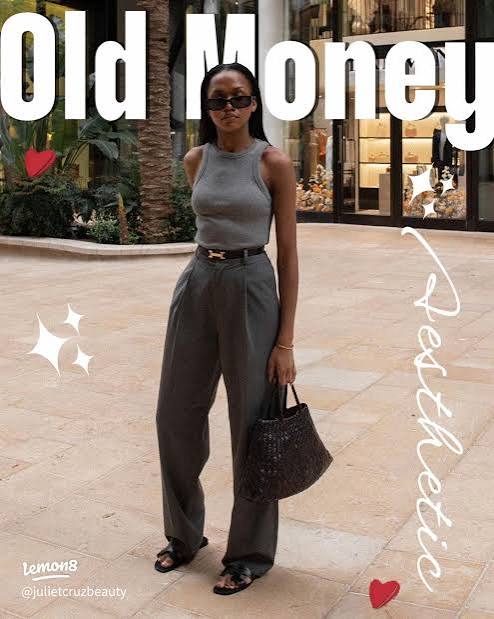
Old Money Style Guide: How Cashmere Coats, Premium Leather Bags, and Classic Black Frame Glasses Create Timeless Elegance
Introduction: Understanding the True Meaning of Old Money FashionFashion trends come and go, but true elegance has always been about something deeper...
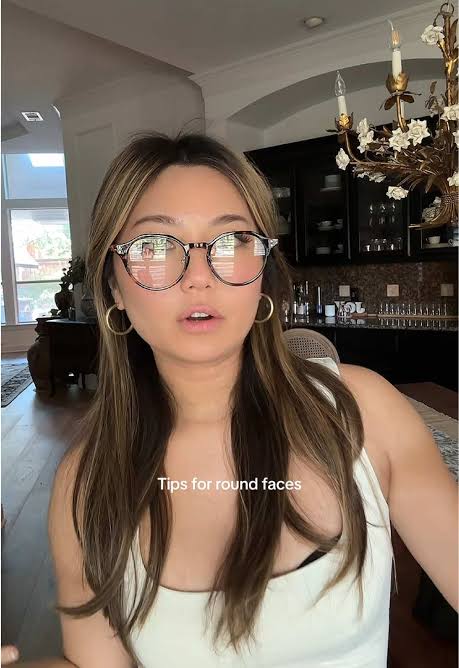
The Ultimate Style Rescue for Round-Faced Women: How Necklines, Bag Placement, and Geometric Glasses Create a Slimmer Look
Introduction: Redefining Beauty Beyond Face ShapeFor many women with round faces, getting dressed can sometimes feel like a constant battle. The cheeks...
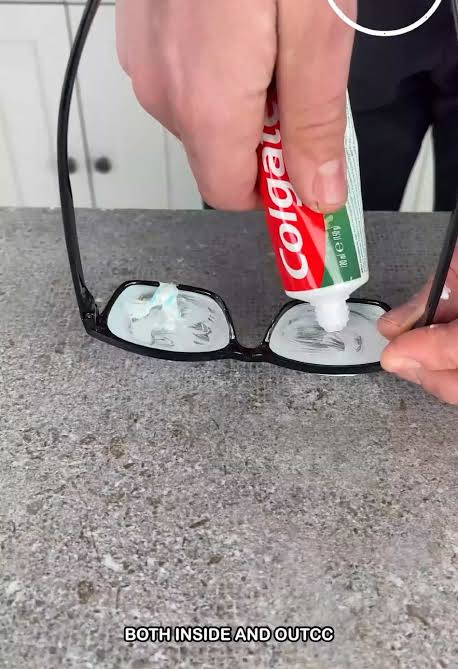
One Swipe, Crystal Clear: The Ultimate Guide to Efficient Eyeglass Cleaning
Introduction: Clear Vision Starts With Proper Lens CareFor millions of people around the world, eyeglasses are an essential part of daily life....

Eyeglasses as the Finishing Touch to Your Outfit: How Frame Shapes Can Elevate Your Style
Introduction: Eyeglasses as the Ultimate Fashion AccessoryWhen people think about fashion accessories, they often consider watches, jewelry, handbags, shoes, or clothing details....
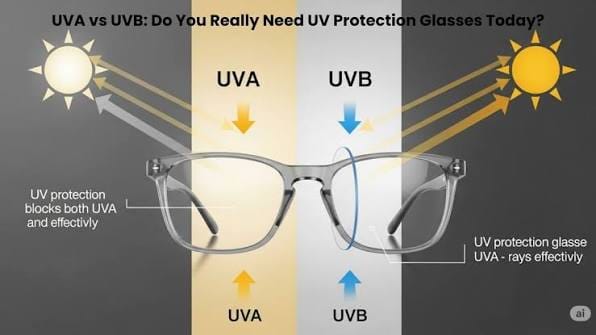
Blue Light Protection or UV Protection? Common Mistakes When Choosing Eye Protection Glasses
Introduction: Choosing the Right Eye Protection Is More Complicated Than It LooksEyeglasses have evolved far beyond simple vision correction tools. Today, consumers...
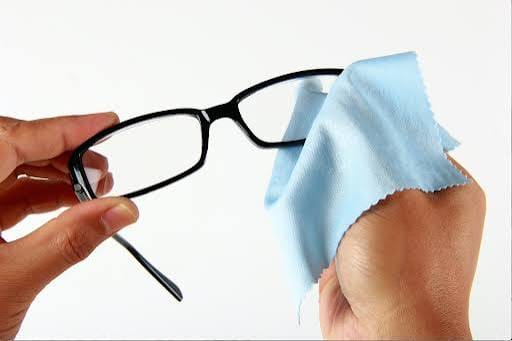
Care for Your Glasses Like You Care for Your Skin: The Complete Guide to Eyewear Maintenance
Introduction: Your Glasses Deserve More Than Just a Quick WipeMany people spend time and money caring for their skin every day.They choose...