
More Than Fashion: 3 Functional Lens Features You Must Consider Before Buying Eyeglasses
Eyeglasses have evolved far beyond their original purpose of correcting vision. Today, they are an essential part of personal style, professional image, and daily comfort. While many shoppers spend considerable time selecting the perfect frame, the lenses themselves often receive far less attention. In reality, even the most stylish frame cannot compensate for lenses that fail to meet your visual needs.
Choosing the right lenses isn't simply about improving eyesight. The lens material, protective coatings, and optical performance all contribute to how comfortable, durable, and effective your glasses will be throughout the day. Whether you're working long hours in front of a computer, driving at night, enjoying outdoor activities, or reading for extended periods, the right functional features can dramatically improve your experience.
This guide explores three essential functional lens features that every eyewear buyer should consider before making a purchase. Understanding these features will help you invest in glasses that not only look great but also perform exceptionally in everyday life.
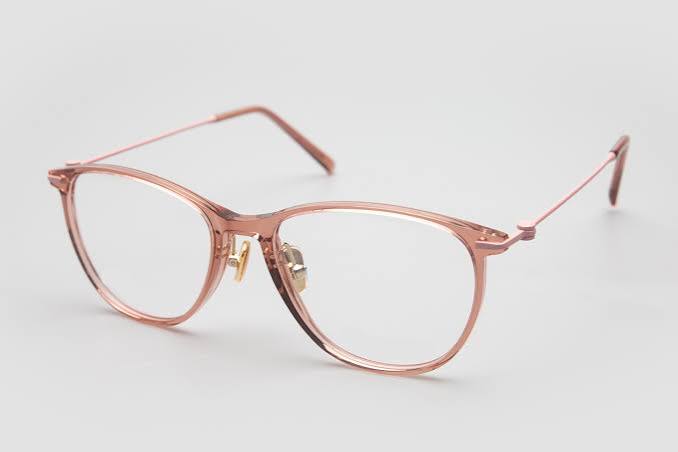
Why Lens Function Matters More Than Frame Style
When shopping for eyeglasses, it's natural to be drawn to attractive frame designs. Frames are the first thing people notice, but lenses are what you'll experience every minute you're wearing your glasses.
Poor-quality lenses can cause:
- Eye fatigue
- Blurry peripheral vision
- Glare while driving
- Frequent scratches
- Heavy discomfort on your nose
- Distorted vision
- Increased headaches
On the other hand, premium functional lenses provide:
- Sharper vision
- Better visual comfort
- Longer product lifespan
- Enhanced eye protection
- Reduced maintenance
- Improved daily productivity
That's why professional opticians often recommend choosing your lenses first and then selecting frames that complement them.
Functional Feature #1: Lens Material and Impact Resistance
One of the most overlooked aspects of eyeglasses is the material used to manufacture the lenses.
Different lens materials offer varying levels of durability, weight, optical clarity, and safety.
Polycarbonate Lenses
Polycarbonate has become one of the most popular materials for modern eyewear.
Advantages include:
- Extremely impact resistant
- Lightweight
- Built-in UV protection
- Ideal for children
- Excellent for sports
- Safer than traditional plastic
These lenses are especially recommended for active lifestyles because they're much less likely to shatter if dropped or hit.
Trivex Lenses
Trivex lenses are considered a premium upgrade over polycarbonate.
Benefits include:
- Outstanding optical clarity
- Lightweight construction
- Excellent impact resistance
- Better peripheral vision
- Higher visual precision
Many professionals who spend long hours wearing glasses appreciate the sharper vision offered by Trivex.
Standard Plastic (CR-39)
CR-39 remains a common choice for everyday prescription glasses.
Pros include:
- Affordable
- Good optical quality
- Lightweight compared to glass
- Easy to tint
However, they are less impact-resistant than polycarbonate or Trivex.
High-Index Lenses
People with stronger prescriptions often benefit from high-index lenses.
Instead of producing thick, bulky lenses, high-index materials bend light more efficiently, allowing lenses to remain thinner.
Advantages:
- Slim appearance
- Reduced weight
- Better aesthetics
- Increased comfort
- Less eye magnification
High-index lenses are available in several refractive indexes, including:
- 1.60
- 1.67
- 1.74
The stronger your prescription, the greater the benefit.
Glass Lenses
Although less common today, glass lenses still offer excellent scratch resistance and optical clarity.
However, they are:
- Heavy
- More fragile
- Less suitable for active users
Most consumers now choose modern plastic alternatives for better comfort and safety.
Understanding Impact Resistance
Impact resistance doesn't simply mean durability.
It also affects personal safety.
Accidents happen unexpectedly:
- Glasses fall onto hard floors.
- Children drop them.
- Sports equipment makes contact.
- Airbags deploy during car accidents.
Stronger lenses reduce the risk of injury.
For this reason, many safety standards recommend polycarbonate or Trivex for children, athletes, and individuals working in demanding environments.
Functional Feature #2: Protective Lens Coatings
Even the highest-quality lens material can underperform without the right protective coatings.
Lens coatings improve durability, comfort, and visual performance.
Think of them as upgrades that make your lenses smarter.
Anti-Reflective (AR) Coating
Perhaps the most valuable coating available is anti-reflective treatment.
It reduces reflections on both sides of the lens.
Benefits include:
- Sharper vision
- Less nighttime glare
- Better computer viewing
- Improved appearance during video calls
- Easier eye contact
- Reduced eye strain
People who frequently drive after dark often notice a dramatic improvement.
Streetlights, headlights, and reflective road signs become much easier to manage.
Scratch-Resistant Coating
Plastic lenses naturally scratch more easily than glass.
A scratch-resistant coating helps protect your investment.
Although no lens is completely scratch-proof, quality coatings significantly increase durability.
This is especially important for:
- Students
- Office workers
- Travelers
- Parents
- Outdoor enthusiasts
Proper cleaning still matters.
Always use a microfiber cloth and approved lens cleaner instead of paper towels or clothing.
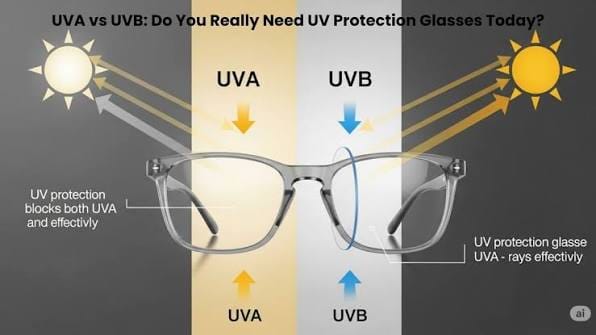
UV Protection
Ultraviolet radiation can damage your eyes over time.
Long-term UV exposure has been linked to:
- Cataracts
- Macular degeneration
- Photokeratitis
- Other eye conditions
Many modern lens materials already include UV protection.
However, buyers should always verify that their lenses block:
- UVA
- UVB
Complete UV protection benefits your eyes year-round, not just during summer.
Cloudy weather still allows UV rays to reach your eyes.
Blue Light Filtering
Digital devices have become unavoidable.
Many people spend:
- Eight hours working
- Two hours using smartphones
- Additional time watching television
Blue light filtering lenses have gained popularity for digital lifestyles.
Potential benefits include:
- Reduced screen discomfort
- Less visual fatigue
- Improved long-term comfort
- Better contrast during computer work
Although research continues regarding blue light's long-term effects, many users report improved comfort during extended screen sessions.
Hydrophobic Coating
Hydrophobic coatings repel water.
Benefits include:
- Easier cleaning
- Fewer water spots
- Improved rainy-weather visibility
- Less smudging
They are particularly useful for people living in humid climates.
Oleophobic Coating
This coating resists fingerprints and facial oils.
Advantages:
- Cleaner lenses
- Less frequent wiping
- Better visual clarity
- Easier maintenance
Anyone who constantly adjusts their glasses will appreciate this feature.

Functional Feature #3: Optical Performance and Visual Comfort
The third major factor goes beyond durability.
It concerns how accurately your lenses deliver vision.
Not all lenses provide identical optical performance.
Even with the same prescription, manufacturing quality makes a noticeable difference.
Optical Precision
Premium lenses undergo tighter manufacturing tolerances.
Benefits include:
- Reduced distortion
- Clearer peripheral vision
- Better depth perception
- More natural image quality
This becomes especially noticeable in stronger prescriptions.
Aspheric Lens Design
Traditional lenses often become thicker around the edges.
Aspheric lenses feature flatter curves.
Advantages include:
- Slimmer appearance
- Less distortion
- Wider viewing area
- Better cosmetic appearance
Many high-end eyewear brands now use aspheric designs.
Progressive Lens Technology
For people needing multiple vision corrections, progressive lenses eliminate visible bifocal lines.
Modern progressives provide:
- Distance vision
- Intermediate vision
- Reading vision
All within one lens.
Premium progressive designs often offer:
- Wider reading zones
- Easier adaptation
- Less peripheral distortion
Although they cost more, many users find the comfort worthwhile.
Night Driving Performance
Driving after sunset presents unique visual challenges.
Common problems include:
- Headlight glare
- Halo effects
- Reduced contrast
- Eye fatigue
High-quality lenses with anti-reflective coating significantly improve nighttime driving.
Some premium lens technologies also optimize contrast under low-light conditions.
Contrast Enhancement
Certain specialty lenses enhance contrast in different environments.
Examples include:
Outdoor activities
- Hiking
- Fishing
- Golf
Driving
- Rain
- Fog
- Snow
Sports
- Cycling
- Running
- Baseball
Better contrast allows objects to appear more defined.
Photochromic Lenses
Photochromic lenses automatically adjust to changing light conditions.
Indoors:
They remain mostly clear.
Outdoors:
They darken in sunlight.
Advantages include:
- Convenience
- Continuous UV protection
- Reduced need for separate sunglasses
- Comfortable transitions
Modern versions activate faster than earlier generations.
Polarized Prescription Sunglasses
If you spend considerable time outdoors, polarized prescription sunglasses deserve consideration.
They reduce glare from:
- Water
- Snow
- Roads
- Car hoods
- Glass buildings
This creates more comfortable vision while driving, boating, or spending time outside.
Matching Lens Features to Your Lifestyle
No single lens is ideal for everyone.
Your daily routine should guide your decision.
Office Professionals
Recommended features:
- High-index lenses
- Anti-reflective coating
- Blue light filtering
- Scratch resistance
Students
Best options include:
- Lightweight materials
- Scratch-resistant coating
- UV protection
- Anti-reflective coating
Outdoor Enthusiasts
Ideal choices:
- Polycarbonate
- Polarized sunglasses
- Photochromic lenses
- Hydrophobic coating
Drivers
Important features include:
- Premium AR coating
- High optical clarity
- Night-driving optimization
- UV protection
Parents Buying Glasses for Children
Children benefit from:
- Polycarbonate lenses
- Scratch resistance
- UV protection
- Lightweight construction
Safety should always be the top priority.
Common Mistakes Buyers Make
Many consumers unknowingly prioritize appearance over performance.
Avoid these common mistakes:
Buying frames first.
Ignoring lens coatings.
Choosing the cheapest option available.
Skipping UV protection.
Selecting overly heavy lenses.
Not discussing daily activities with an optician.
Replacing scratched lenses too late.
How to Evaluate Lens Quality Before Buying
Ask these questions:
What material is the lens made from?
Does it include UV protection?
Is anti-reflective coating included?
What scratch warranty is available?
Will the lenses suit my prescription?
How heavy will they be?
How easy are they to clean?
Will they fit my lifestyle?
Investing in Long-Term Eye Comfort
Eyeglasses are worn for thousands of hours over their lifetime.
Choosing premium functional features may increase the initial cost, but they often reduce long-term frustration.
Better lenses:
- Last longer
- Feel lighter
- Stay cleaner
- Improve vision
- Reduce fatigue
- Enhance daily comfort
The difference becomes noticeable every single day.
Final Thoughts
Fashion certainly plays an important role in choosing eyeglasses, but great eyewear goes far beyond appearance. The right lenses can improve your comfort, protect your eyes, enhance visual clarity, and make everyday activities—from working at a computer to driving at night—far more enjoyable.
Before purchasing your next pair of glasses, take time to evaluate the three key functional features discussed in this guide: lens material, protective coatings, and optical performance. These factors directly affect how your glasses perform throughout their lifespan and can make a meaningful difference in your overall visual experience.
By balancing style with functionality, you'll end up with eyewear that not only complements your look but also supports your lifestyle, protects your vision, and delivers reliable performance for years to come.
Share this post
Best Glasses for Your Face Shape: Round, Square, Oval & More
Introduction: The Right Glasses Can Transform Your Entire AppearanceChoosing a pair of glasses is about much more than simply correcting your vision....
From Head to Toe: The Golden Ratio for Styling Glasses, Clothing, and Bags
Introduction: The Secret to Looking Polished From Head to ToeGreat style is rarely about wearing the most expensive clothes, following every trend,...

Minimalist Style: How Glasses and Bags Add the Perfect Finishing Touch to Black, White, and Gray Outfits
Minimalist fashion is often described as simple, effortless, and timeless. But creating a truly polished minimalist outfit is not as easy as...
Effortless Style: The Perfect Chemistry of Oversized Sweatshirts, Crossbody Bags, and Vintage Metal-Frame Glasses
Introduction: Why Relaxed Style Feels So RightFashion does not always have to look carefully calculated.Sometimes, the most appealing outfit is the one...

The Symphony of Metallic Elements: The Art of Layering Belt Buckles, Chain Bags, and Metal Frames
Introduction: When Metal Becomes a Fashion LanguageFashion has always been a conversation between materials, shapes, and personal expression. Among all design elements,...
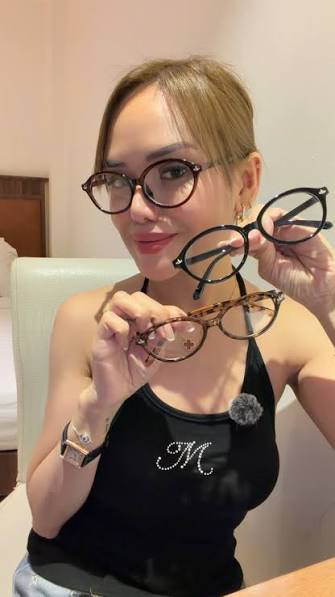
Eyeglasses as the Finishing Touch: How to Make Your Frames Blend Perfectly Into Your Everyday Outfits
Eyeglasses are more than a tool for clearer vision. Today, they are one of the most powerful accessories in a modern wardrobe....
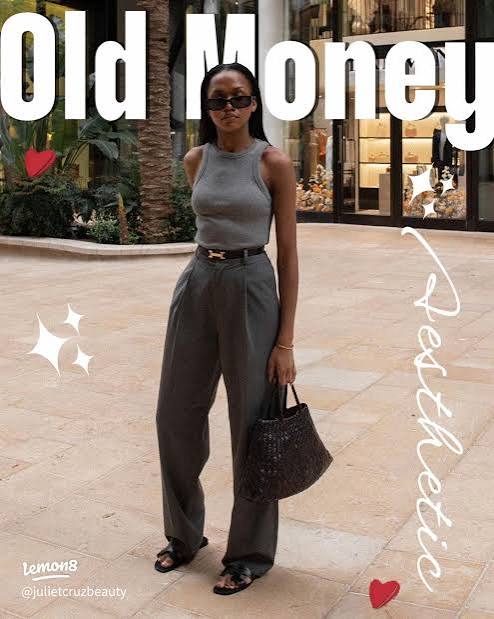
Old Money Style Guide: How Cashmere Coats, Premium Leather Bags, and Classic Black Frame Glasses Create Timeless Elegance
Introduction: Understanding the True Meaning of Old Money FashionFashion trends come and go, but true elegance has always been about something deeper...
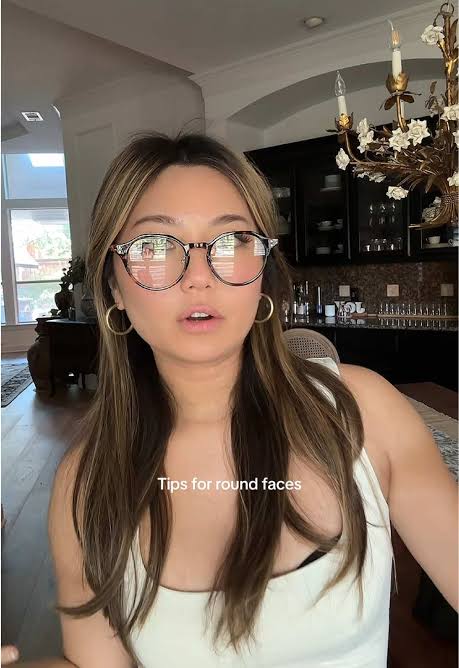
The Ultimate Style Rescue for Round-Faced Women: How Necklines, Bag Placement, and Geometric Glasses Create a Slimmer Look
Introduction: Redefining Beauty Beyond Face ShapeFor many women with round faces, getting dressed can sometimes feel like a constant battle. The cheeks...
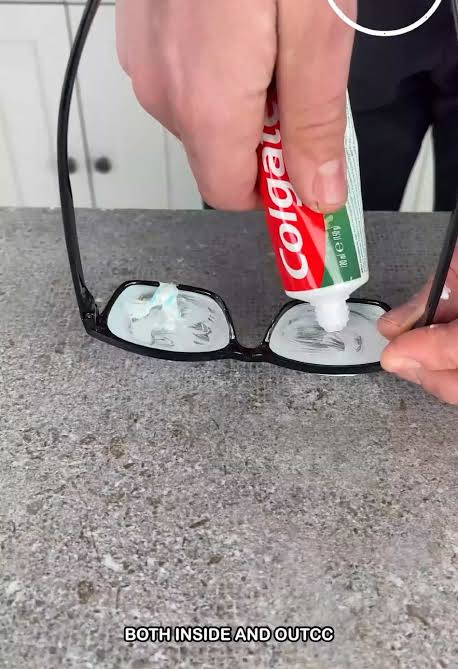
One Swipe, Crystal Clear: The Ultimate Guide to Efficient Eyeglass Cleaning
Introduction: Clear Vision Starts With Proper Lens CareFor millions of people around the world, eyeglasses are an essential part of daily life....

Eyeglasses as the Finishing Touch to Your Outfit: How Frame Shapes Can Elevate Your Style
Introduction: Eyeglasses as the Ultimate Fashion AccessoryWhen people think about fashion accessories, they often consider watches, jewelry, handbags, shoes, or clothing details....
Blue Light Protection or UV Protection? Common Mistakes When Choosing Eye Protection Glasses
Introduction: Choosing the Right Eye Protection Is More Complicated Than It LooksEyeglasses have evolved far beyond simple vision correction tools. Today, consumers...
Care for Your Glasses Like You Care for Your Skin: The Complete Guide to Eyewear Maintenance
Introduction: Your Glasses Deserve More Than Just a Quick WipeMany people spend time and money caring for their skin every day.They choose...