
Crafted to Perfection – The Art of Custom Glasses
Eyewear, once a deeply personal object, has quietly become disposable. Frames are mass-produced, faces are averaged, and individuality is trimmed down to fit standardized molds.
Custom eyewear stands in quiet opposition to that trend.
It is not about fashion alone.
It is not about luxury for luxury’s sake.
Custom eyewear is about precision, patience, and respect for the human face.
It is where engineering meets aesthetics—and where craftsmanship becomes art.
Eyewear Is the Most Intimate Object You Wear
Think about it.
Your glasses sit closer to your eyes than any other object you own.
They frame how the world sees you—and how you see the world.
And yet, most people choose them the same way they choose a T-shirt:
- Try it on quickly
- Check the mirror
- Hope it “feels okay”
Custom eyewear asks a different question:
What if your glasses were designed for you, not adapted to you?
That question changes everything.
The Difference Between Fit and Belonging
Mass-produced frames are designed for statistical averages.
Custom frames are designed for real people.
That difference shows up in places most wearers can’t immediately name—but always feel:
- Pressure points behind the ears
- Frames sliding down the nose
- Lenses sitting slightly off-axis
- Subtle visual fatigue after long wear
A well-crafted custom frame doesn’t just fit.
It belongs.
It aligns with your facial geometry, posture, habits, and visual behavior—until it disappears from your awareness.
That invisibility is not accidental.
It is the result of meticulous design.
Custom Eyewear Begins With Observation, Not Measurement
Precision does not start with numbers.
It starts with looking.
A skilled eyewear artisan observes:
- Facial asymmetry (which everyone has)
- Nose bridge structure and flexibility
- Ear height differences
- Cheekbone prominence
- Natural head tilt
- How you move when you speak or smile
These details never appear on size charts.
They live in the space between anatomy and expression—and they shape how eyewear should be built.
The Hidden Geometry of the Human Face
No face is symmetrical.
No posture is perfectly balanced.
Custom eyewear embraces this reality instead of fighting it.
Through detailed fitting and modeling, artisans adjust:
- Frame front curvature
- Bridge angle and width
- Temple length and bend
- Pantoscopic tilt
- Vertex distance
These adjustments are measured in millimeters—but felt in hours of comfort.
This is not mass customization.
This is human calibration.
Materials: Where Function Becomes Feeling
In custom eyewear, materials are not chosen for trend.
They are chosen for behavior.
High-quality acetate, titanium, stainless steel, or hybrid composites are selected based on:
- Skin sensitivity
- Climate conditions
- Weight distribution
- Structural memory
- Long-term durability
Even the same material behaves differently depending on how it is cut, layered, and finished.
A custom frame is not just assembled.
It is composed.
The Role of Handwork in a Digital Age
Technology has transformed eyewear design.
3D scanning, CAD modeling, and precision milling allow for remarkable accuracy. But technology alone does not create artistry.
Hand-finishing remains irreplaceable.
Edges are softened by touch.
Surfaces are polished by experience.
Adjustments are guided by intuition earned through years of practice.
Machines ensure consistency.
Hands ensure soul.
Lenses: The Invisible Half of the Artwork
Frames draw attention.
Lenses do the real work.
In custom eyewear, lenses are not off-the-shelf inserts. They are engineered to match:
- Prescription complexity
- Visual habits (reading, screens, driving)
- Frame geometry
- Eye dominance
- Lifestyle demands
Lens customization includes:
- Optical center placement
- Progressive corridor tuning
- Thickness balancing
- Coating selection
- Color and contrast optimization
When lenses are properly integrated, vision feels effortless—almost forgotten.
That effortlessness is the mark of mastery.
Design Is Not Decoration
In custom eyewear, design serves clarity—not spectacle.
Every curve has a reason.
Every angle serves balance.
Every proportion is intentional.
A well-designed custom frame does not shout.
It communicates quietly.
It complements facial features rather than competing with them.
It ages gracefully instead of chasing seasons.
This is not fashion for attention.
It is design for longevity.
The Time Factor: Why Custom Takes Time
Custom eyewear cannot be rushed.
The process unfolds in stages:
- Consultation and observation
- Measurement and modeling
- Design refinement
- Material selection
- Fabrication
- Hand finishing
- Final fitting and adjustment
Each step builds on the last.
Time is not a cost here—it is an ingredient.
Rushing compromises integrity.
Patience enhances precision.
Custom Eyewear as a Reflection of Identity
Your glasses speak before you do.
They suggest:
- How you see yourself
- How you want to be seen
- What you value—speed or intention
Custom eyewear allows identity to be expressed without exaggeration.
It doesn’t force personality.
It reveals it.
This is why many people who experience true custom eyewear never return to mass-produced frames.
Once you feel something made for you, everything else feels like a compromise.
Sustainability Through Longevity
In an age of fast consumption, custom eyewear offers an alternative path.
A well-made custom frame:
- Lasts for years, not seasons
- Can be adjusted, repaired, refinished
- Evolves with prescription changes
- Reduces waste through durability
Sustainability is not only about materials.
It’s about commitment to keeping what works.
Why Custom Eyewear Is an Art, Not a Luxury
Luxury implies excess.
Art implies intention.
Custom eyewear belongs to the latter.
It combines:
- Engineering precision
- Anatomical understanding
- Material science
- Visual design
- Human empathy
It is functional art—meant to be worn, lived with, and relied upon.
Its value is not in exclusivity.
It is in relevance.
The Quiet Confidence of Something Made Right
There is a certain calm that comes from wearing something that fits perfectly.
No adjustments.
No distractions.
No compromises.
Custom eyewear doesn’t announce itself.
It supports you quietly, day after day.
And in a world full of noise, that quiet confidence is powerful.
Final Thoughts: Precision Is a Form of Respect
To craft custom eyewear is to respect:
- The complexity of the human body
- The individuality of the wearer
- The discipline of the craft
It is a slow process in a fast world.
A deliberate choice in a culture of convenience.
And perhaps that’s why it matters.
Because when something is crafted with care, worn with intention, and built to last—it becomes more than an object.
It becomes part of how you see the world.
Share this post
Best Glasses for Your Face Shape: Round, Square, Oval & More
Introduction: The Right Glasses Can Transform Your Entire AppearanceChoosing a pair of glasses is about much more than simply correcting your vision....
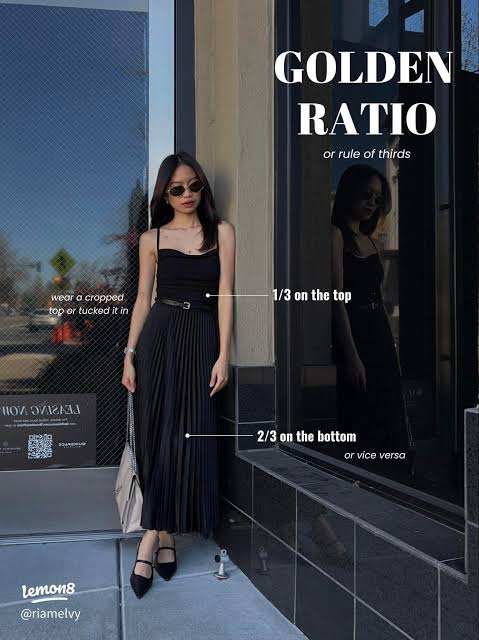
From Head to Toe: The Golden Ratio for Styling Glasses, Clothing, and Bags
Introduction: The Secret to Looking Polished From Head to ToeGreat style is rarely about wearing the most expensive clothes, following every trend,...

Minimalist Style: How Glasses and Bags Add the Perfect Finishing Touch to Black, White, and Gray Outfits
Minimalist fashion is often described as simple, effortless, and timeless. But creating a truly polished minimalist outfit is not as easy as...

Effortless Style: The Perfect Chemistry of Oversized Sweatshirts, Crossbody Bags, and Vintage Metal-Frame Glasses
Introduction: Why Relaxed Style Feels So RightFashion does not always have to look carefully calculated.Sometimes, the most appealing outfit is the one...

The Symphony of Metallic Elements: The Art of Layering Belt Buckles, Chain Bags, and Metal Frames
Introduction: When Metal Becomes a Fashion LanguageFashion has always been a conversation between materials, shapes, and personal expression. Among all design elements,...
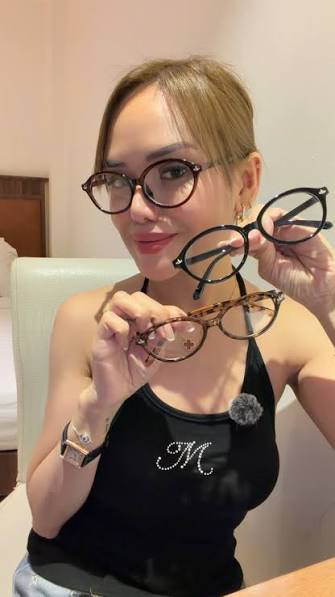
Eyeglasses as the Finishing Touch: How to Make Your Frames Blend Perfectly Into Your Everyday Outfits
Eyeglasses are more than a tool for clearer vision. Today, they are one of the most powerful accessories in a modern wardrobe....

Old Money Style Guide: How Cashmere Coats, Premium Leather Bags, and Classic Black Frame Glasses Create Timeless Elegance
Introduction: Understanding the True Meaning of Old Money FashionFashion trends come and go, but true elegance has always been about something deeper...
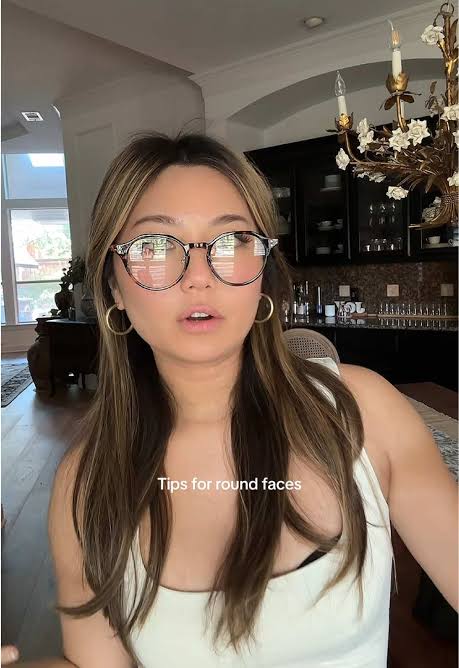
The Ultimate Style Rescue for Round-Faced Women: How Necklines, Bag Placement, and Geometric Glasses Create a Slimmer Look
Introduction: Redefining Beauty Beyond Face ShapeFor many women with round faces, getting dressed can sometimes feel like a constant battle. The cheeks...
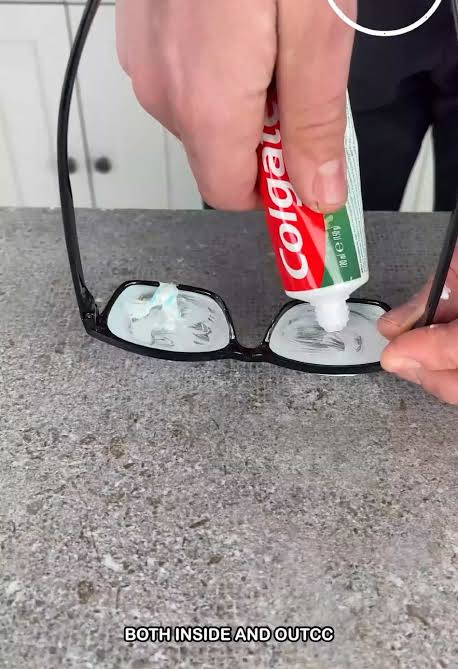
One Swipe, Crystal Clear: The Ultimate Guide to Efficient Eyeglass Cleaning
Introduction: Clear Vision Starts With Proper Lens CareFor millions of people around the world, eyeglasses are an essential part of daily life....
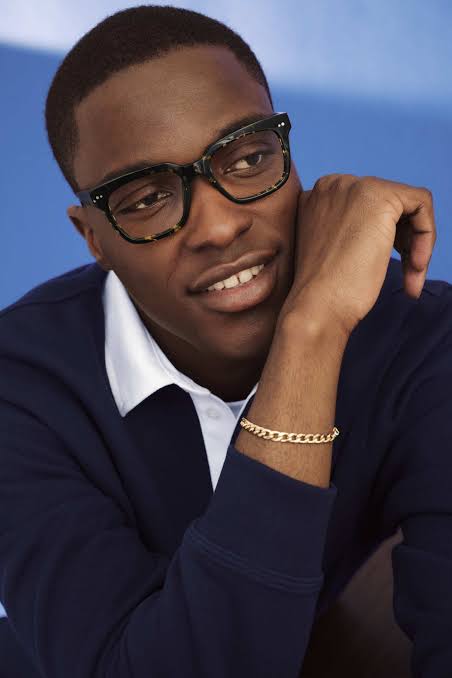
Eyeglasses as the Finishing Touch to Your Outfit: How Frame Shapes Can Elevate Your Style
Introduction: Eyeglasses as the Ultimate Fashion AccessoryWhen people think about fashion accessories, they often consider watches, jewelry, handbags, shoes, or clothing details....
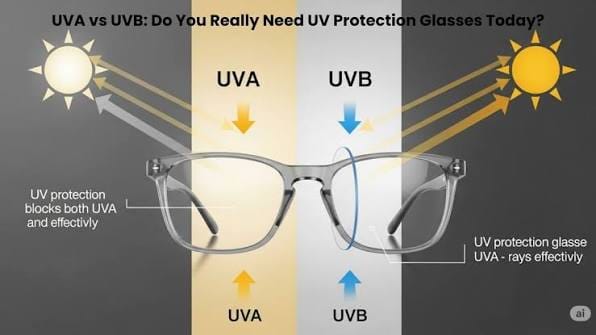
Blue Light Protection or UV Protection? Common Mistakes When Choosing Eye Protection Glasses
Introduction: Choosing the Right Eye Protection Is More Complicated Than It LooksEyeglasses have evolved far beyond simple vision correction tools. Today, consumers...
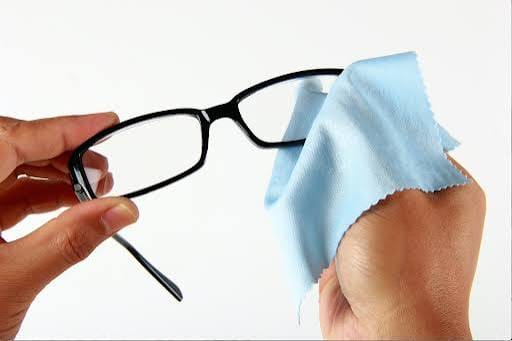
Care for Your Glasses Like You Care for Your Skin: The Complete Guide to Eyewear Maintenance
Introduction: Your Glasses Deserve More Than Just a Quick WipeMany people spend time and money caring for their skin every day.They choose...