

Blue Light Blocking Lens

Blue-ray exists everywhere today
With the widespread use of electronic screens, more people suffer from eyestrain symptoms when using electronic devices. One of the reasons for this symptom is the blue light emitted from the display on these devices.
Blue-ray will cause diffusion and flickering in the vision
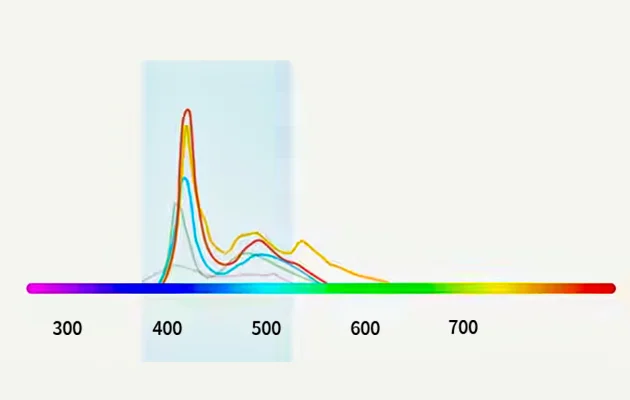
The shorter the wavelength, the more energy light waves, which are more likely to cause eye fatigue. Blue light, which is next to ultraviolet light on the electromagnetic spectrum, has a shorter wavelength than other visible light. Besides, it also tends to be diffused. Therefore, it is considered to be the cause of visual flicker.
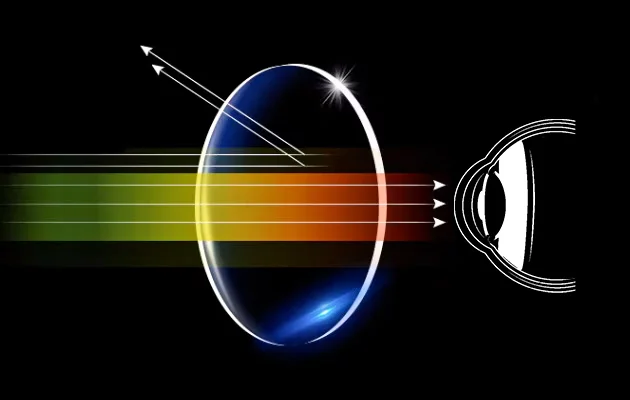
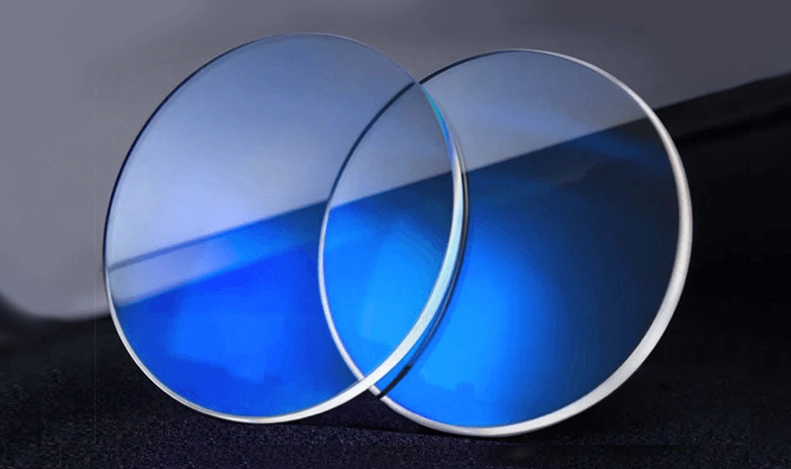
Blue light blocking lens can effectively reduce incoming blue light to the eyes
XCombo's blue light blocking lens adopted AR coating technology. Taking advantage of the principles of AR coating in the opposite way, it can prevent blue light from passing through the lens by increasing the reflection.
Advantages of
XCombo's Blue Light Blocking Lens
1. 100% UV protected.
2. Better glare reduction and help with efficiency and productivity.
3. Enhance contrast and help reduce eye fatigue.
4. Increase comfort by reducing blue light transmission
Share this post



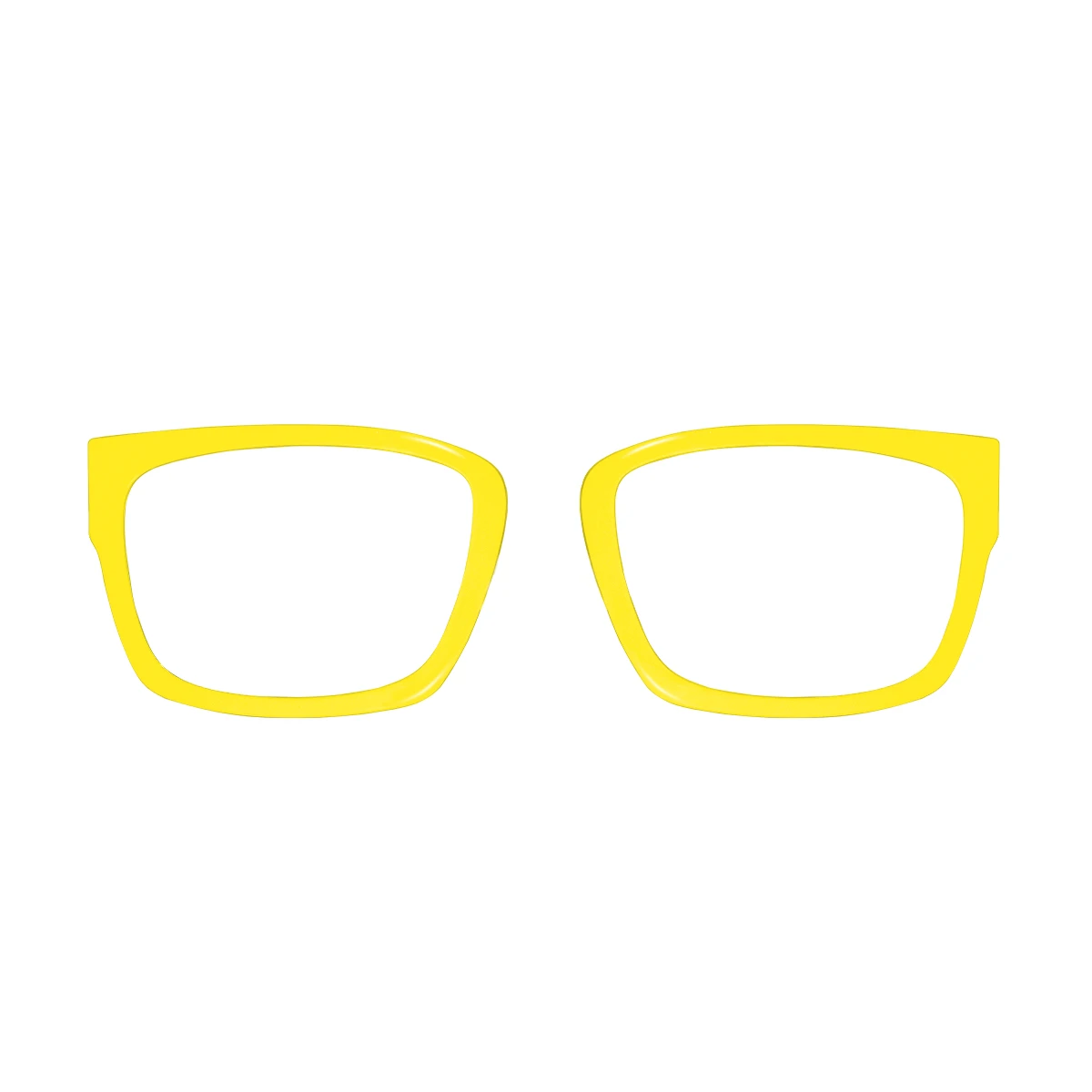
- Deep Burgundy - Solid (S01)
- Red - Solid (S02)
- Burnt Orange - Solid (S03)
- Marmalade - Solid (S04)
- Sunshine Yellow - Solid (S05)
- Lime Green - Solid (S06)
- Green Forest - Solid (S07)
- Sage - Solid (S08)
- Army Green - Solid (S09)
- Spruce - Solid (S10)
- Turquiise - Solid (S11)
- Cornflower blue - Solid (S12)
- Navy - Solid (S13)
- Indigo - Solid (S14)
- Blue Orchid - Solid (S15)
- Lavender - Solid (S21)
- Mauve - Solid (S16)
- Purple - Solid (S17)
- Grape - Solid (S18)
- Warm Coral - Solid (S19)
- Hot Pink - Solid (S20)
- Chocolate - Solid (S22)
- Black – Solid (S23)
- White - Solid (S24)
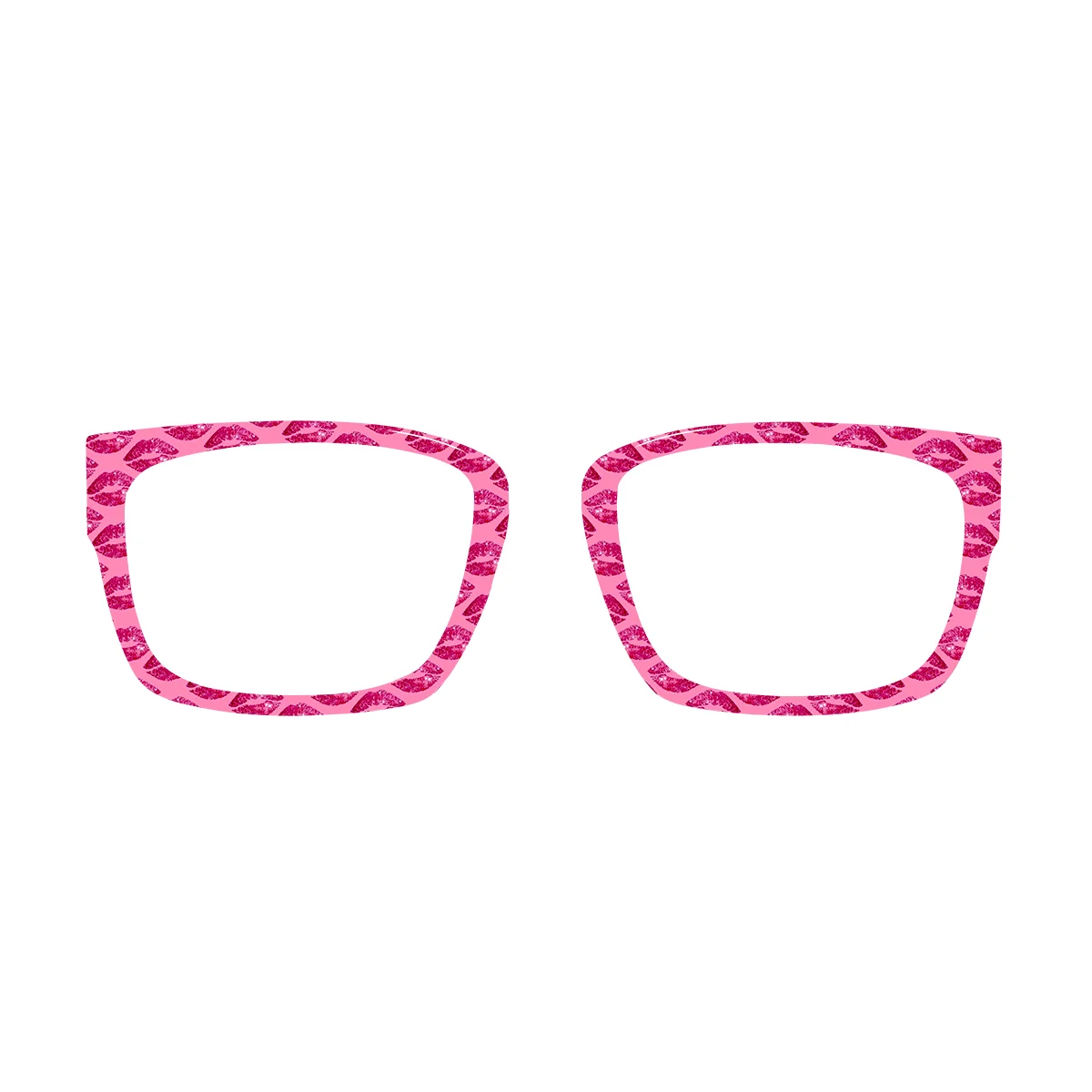
Solid Color Series Top Frames for Soline Rectangle Frame | 24 Colors Modular Glasses Toppers
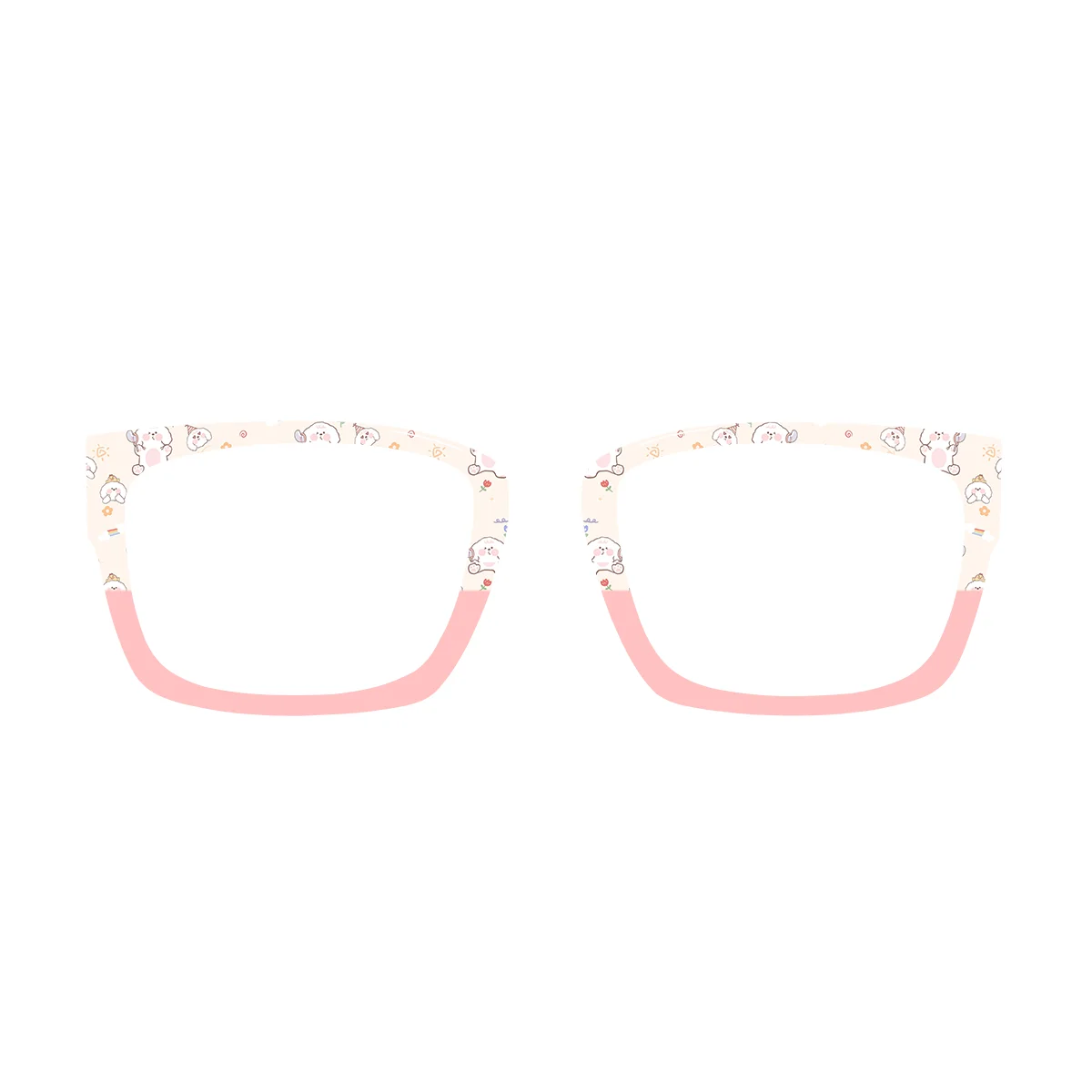
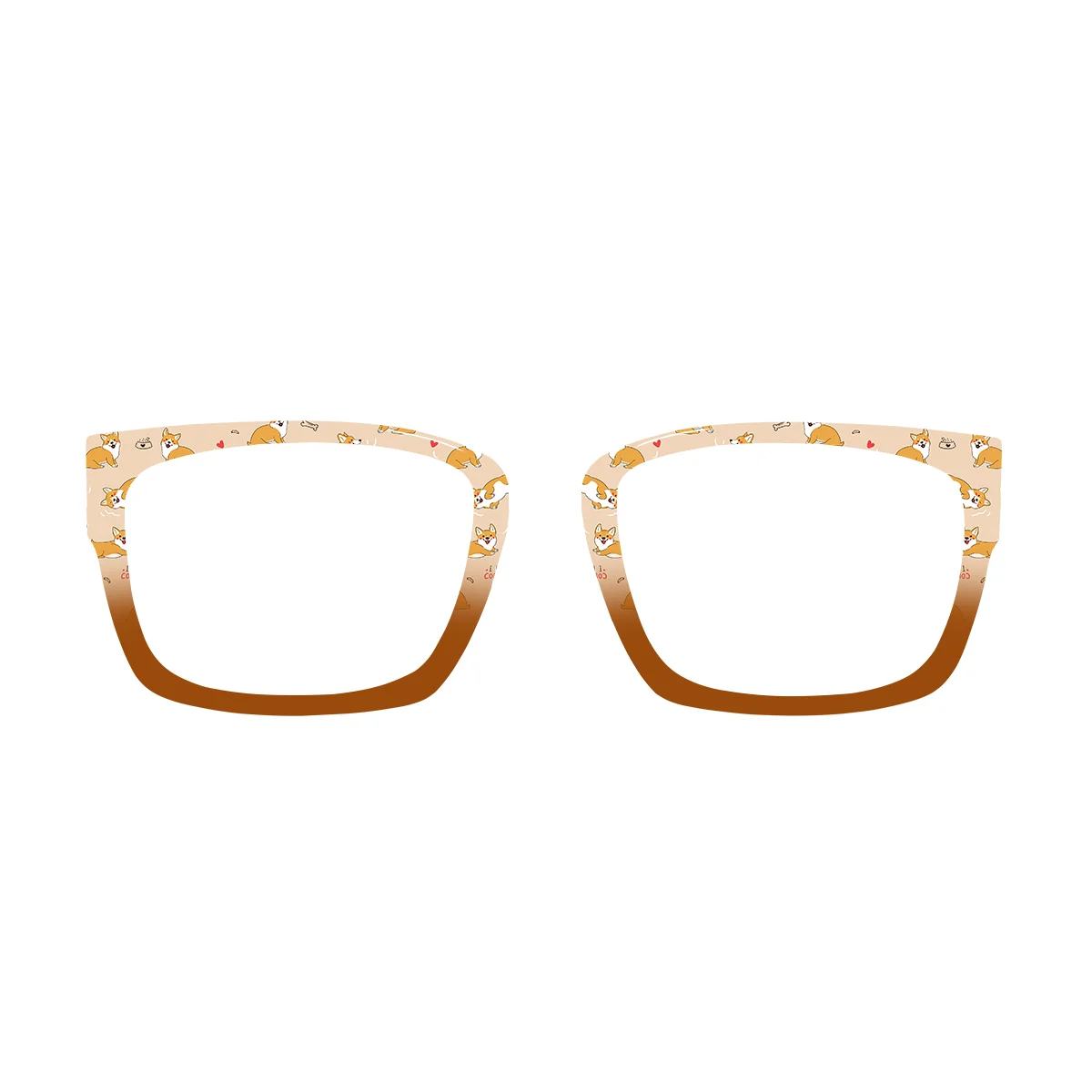
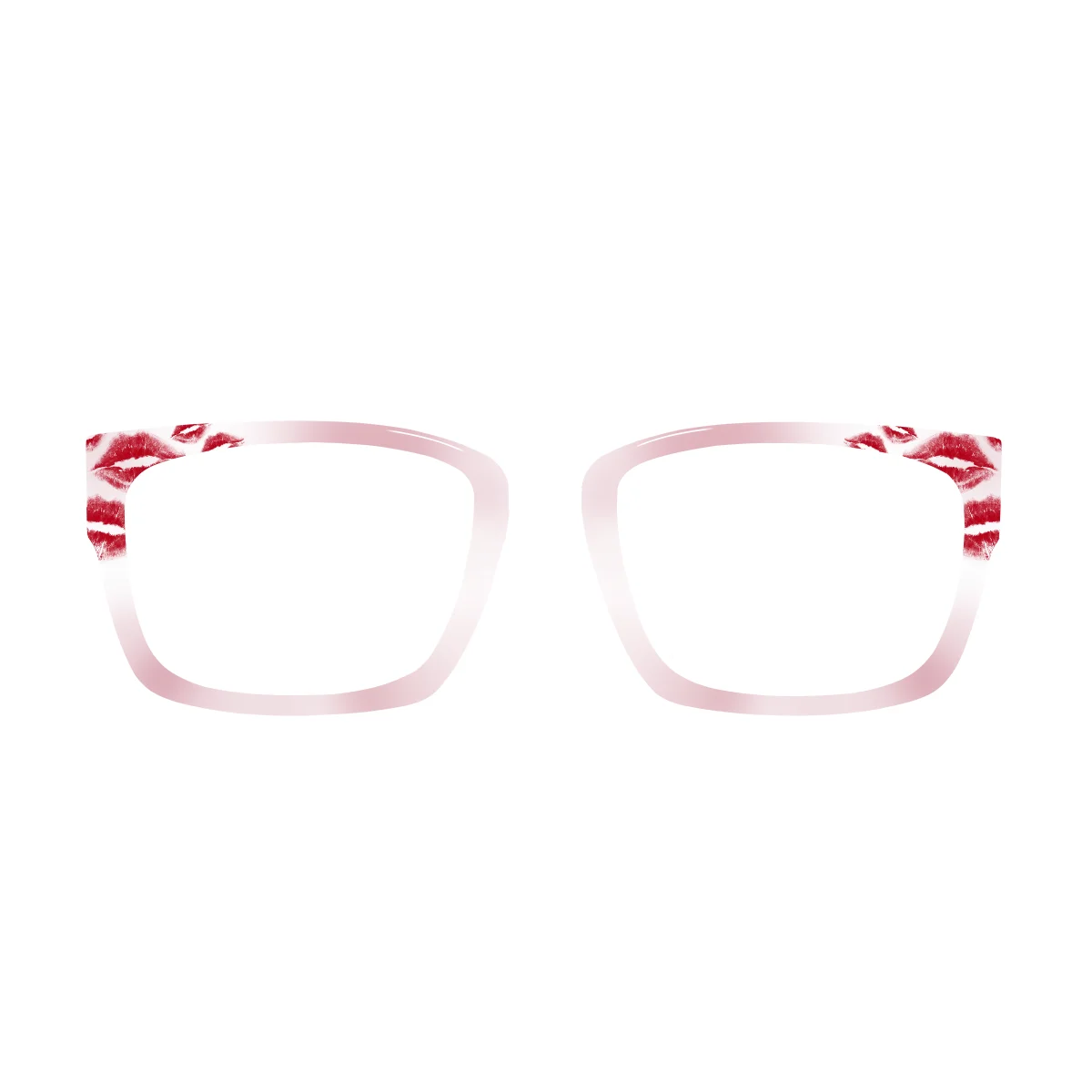
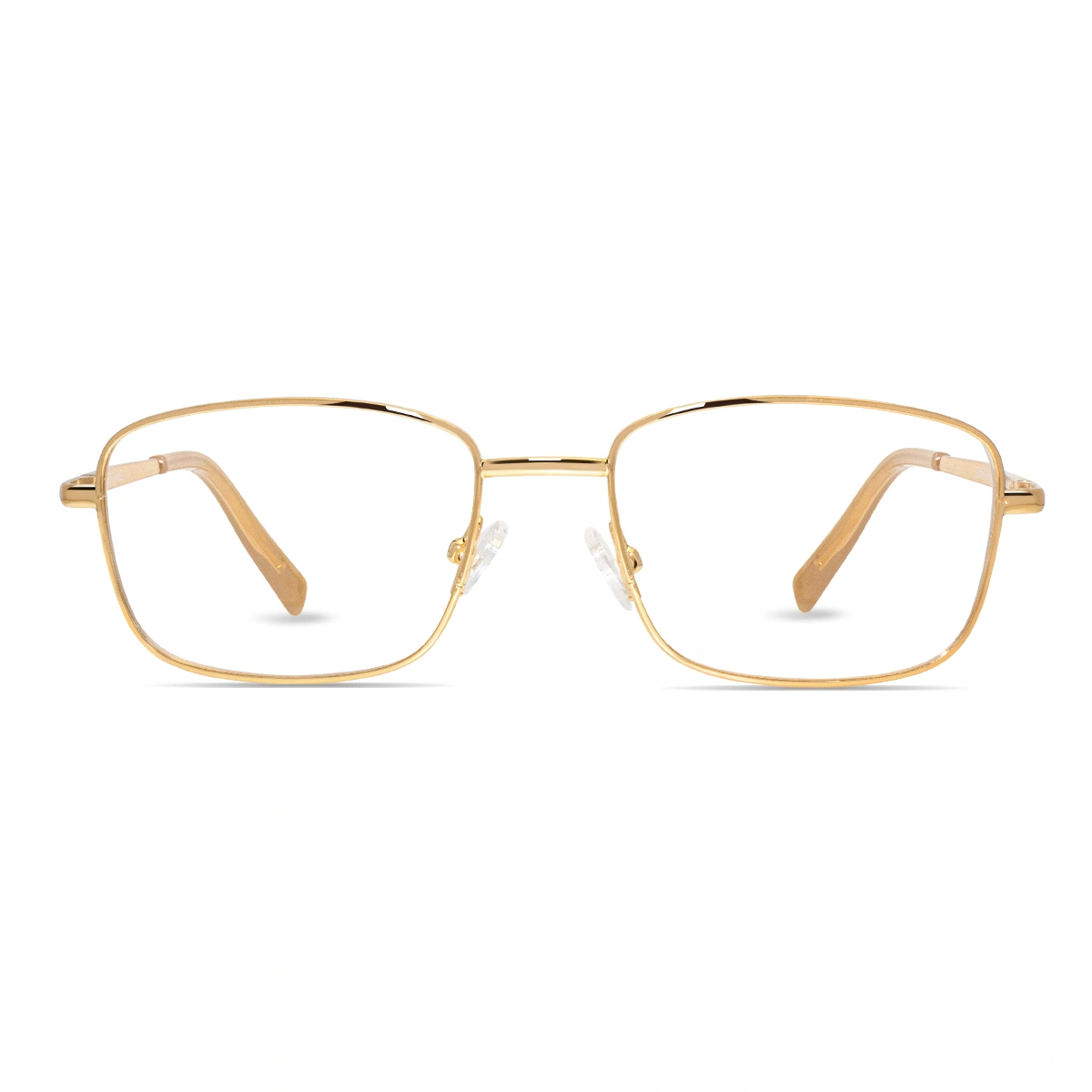
Soline Classic Gold Base Frame for Interchangeable Toppers – Wide Metal Rectangle Glasses


Mira Gunmetal Gray Interchangeable Base Frame – Wide Cat-Eye Metal Glasses
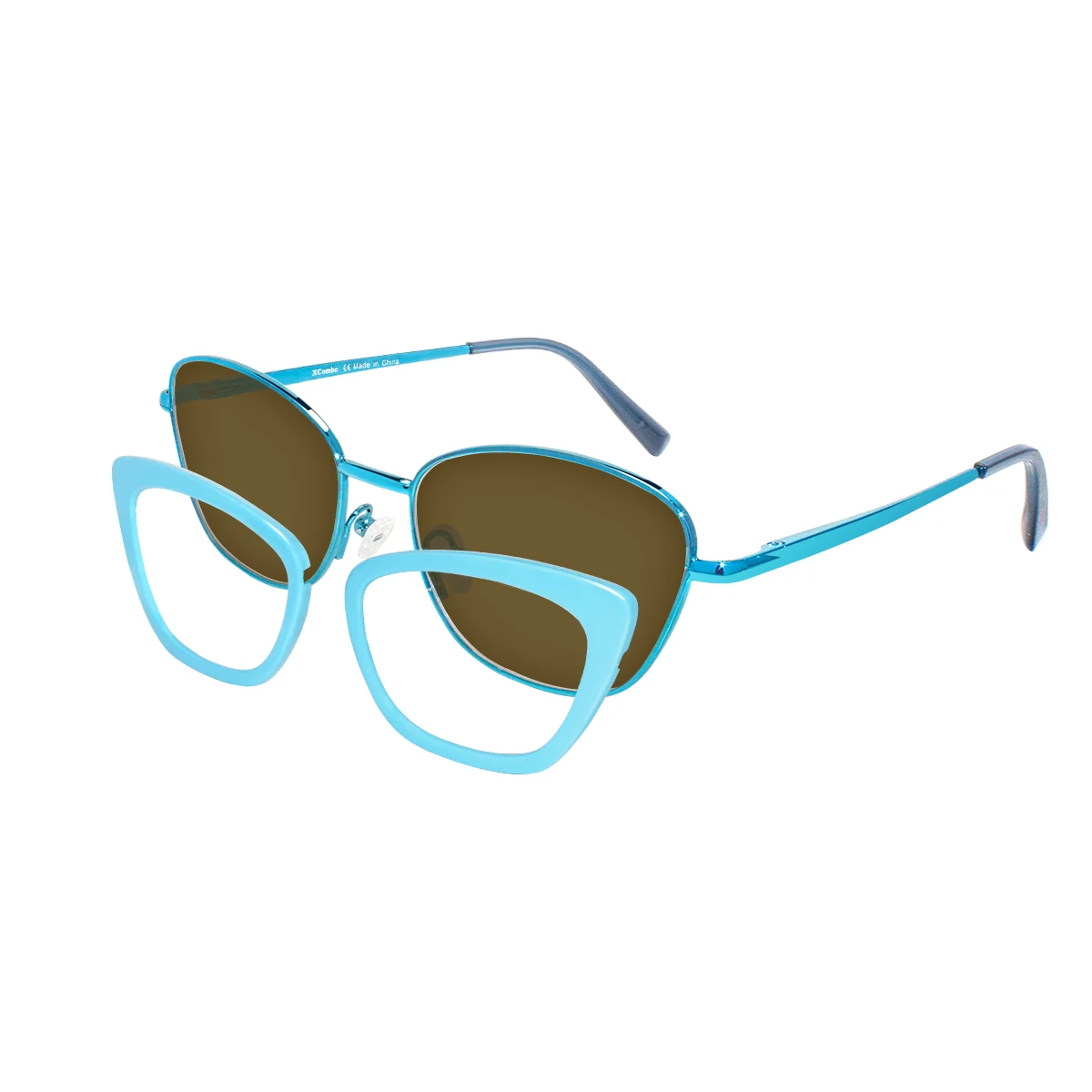
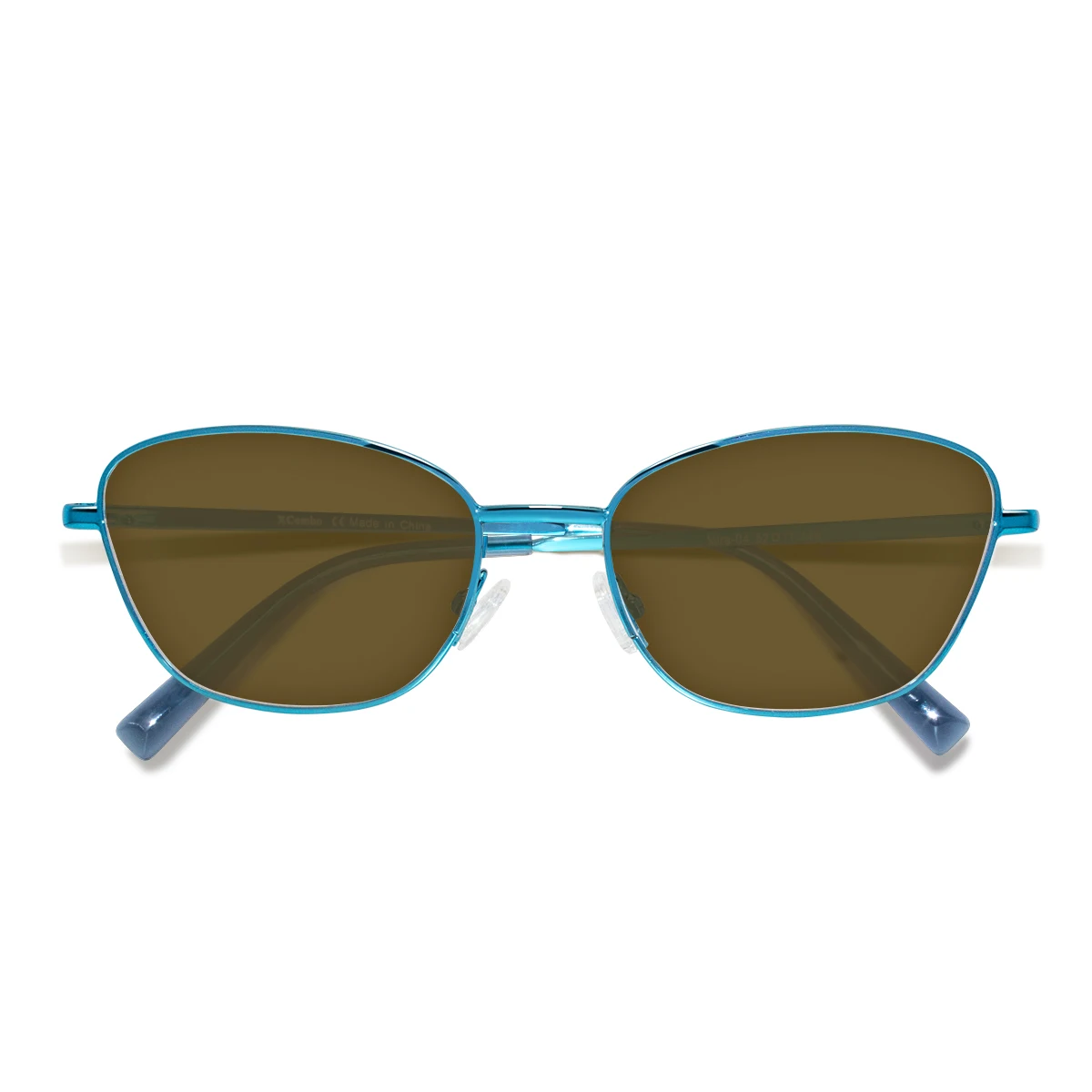
Mira Ice Blue Wide Cat-Eye Sunglasses – Metal Frame, Tinted Lenses - Interchangeable Eyewear
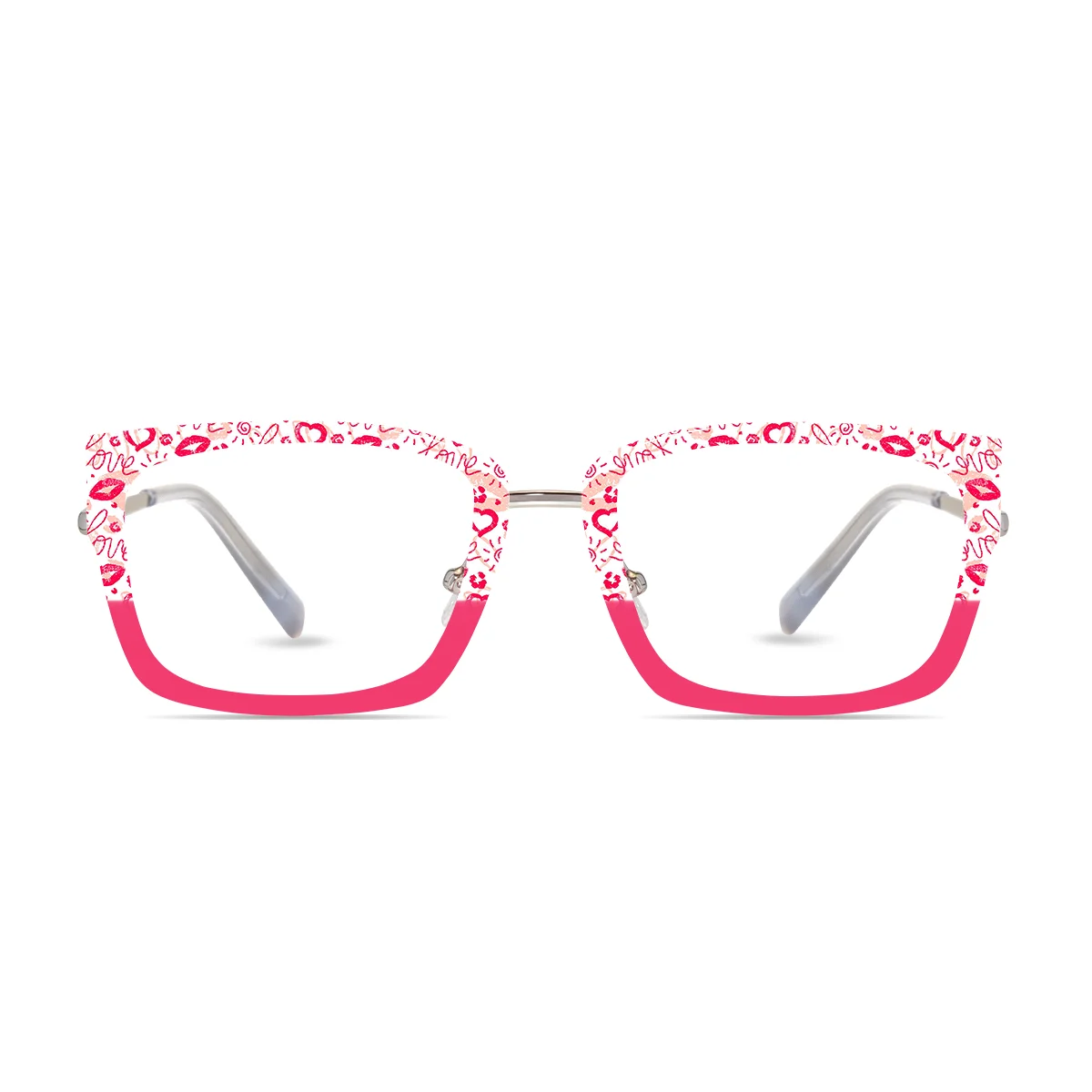
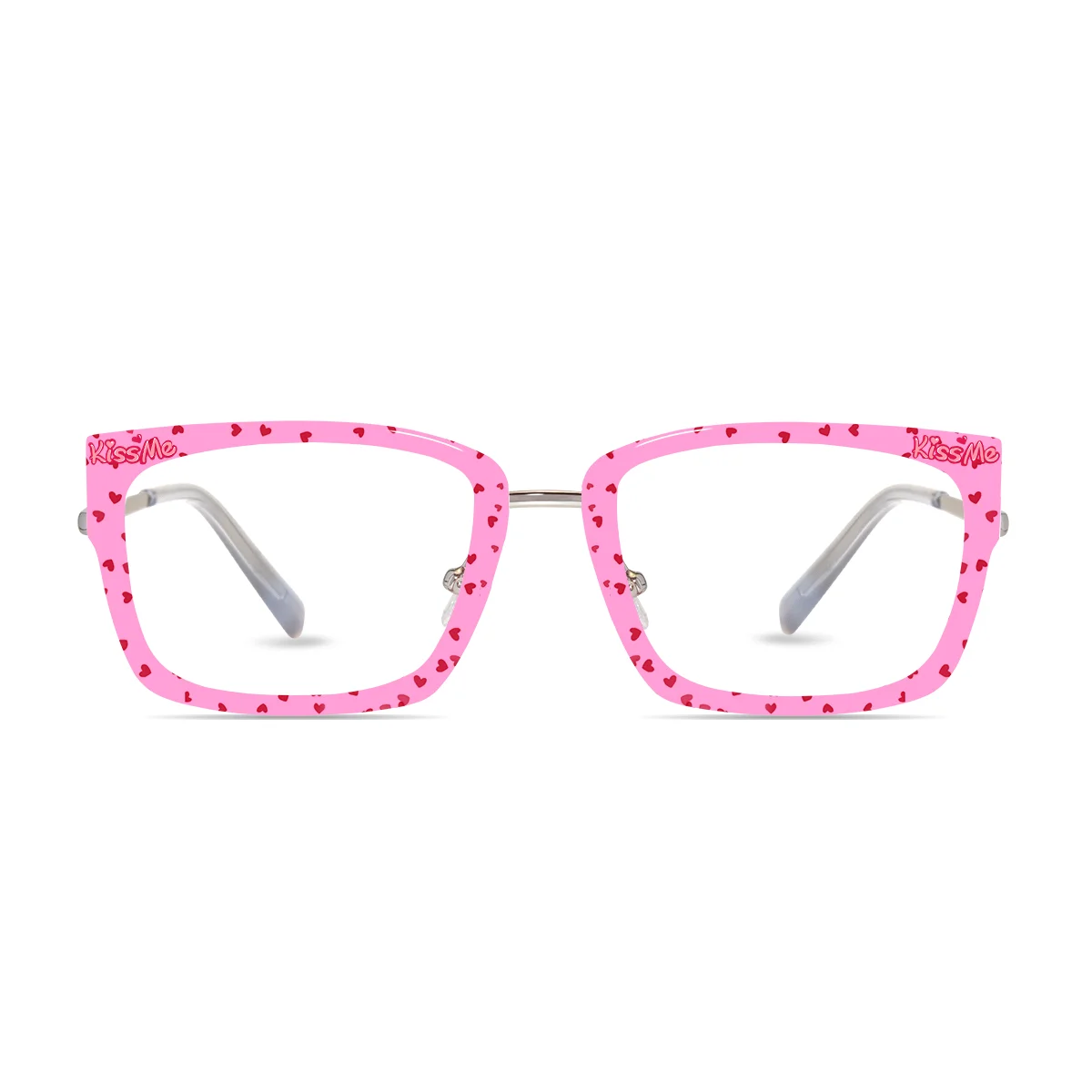
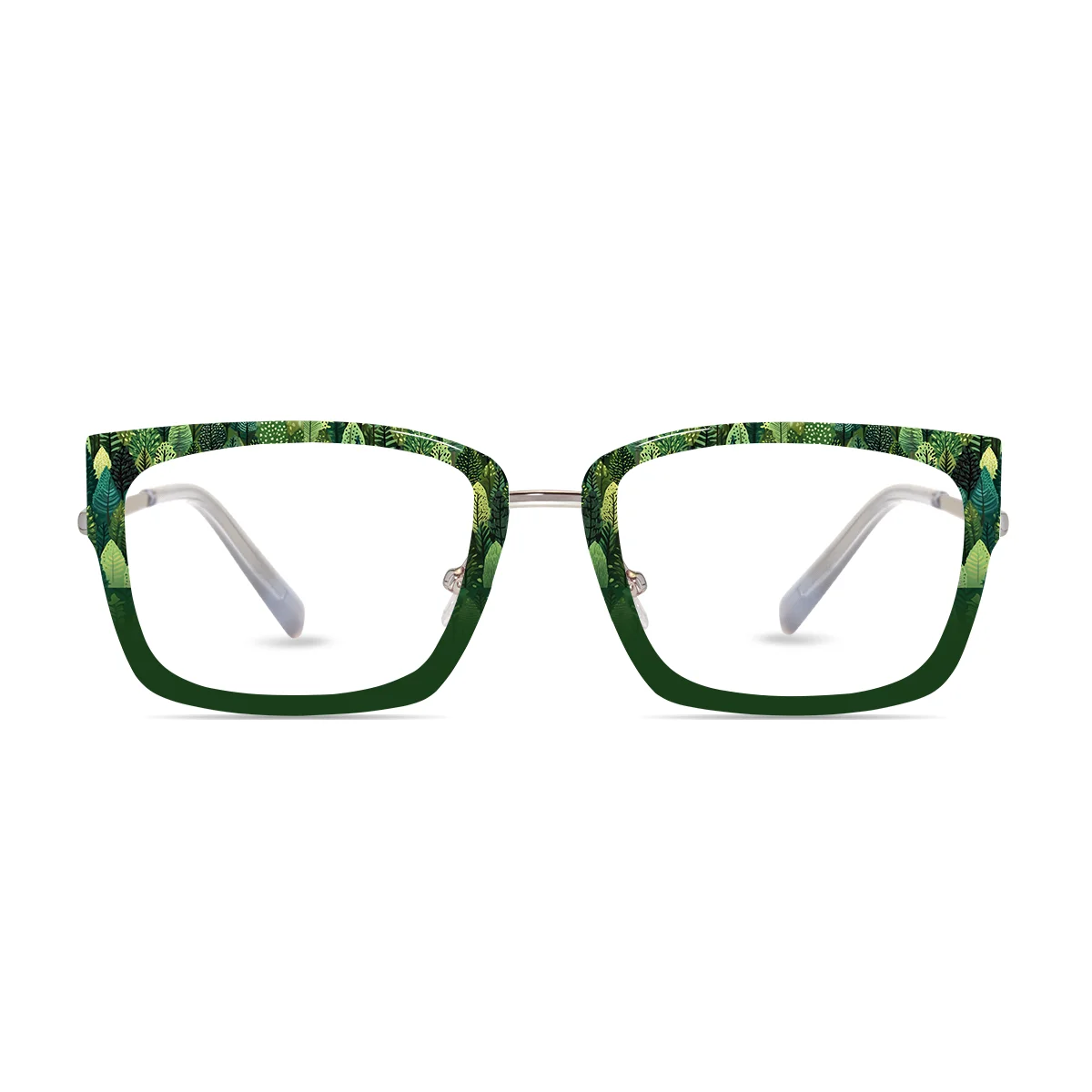
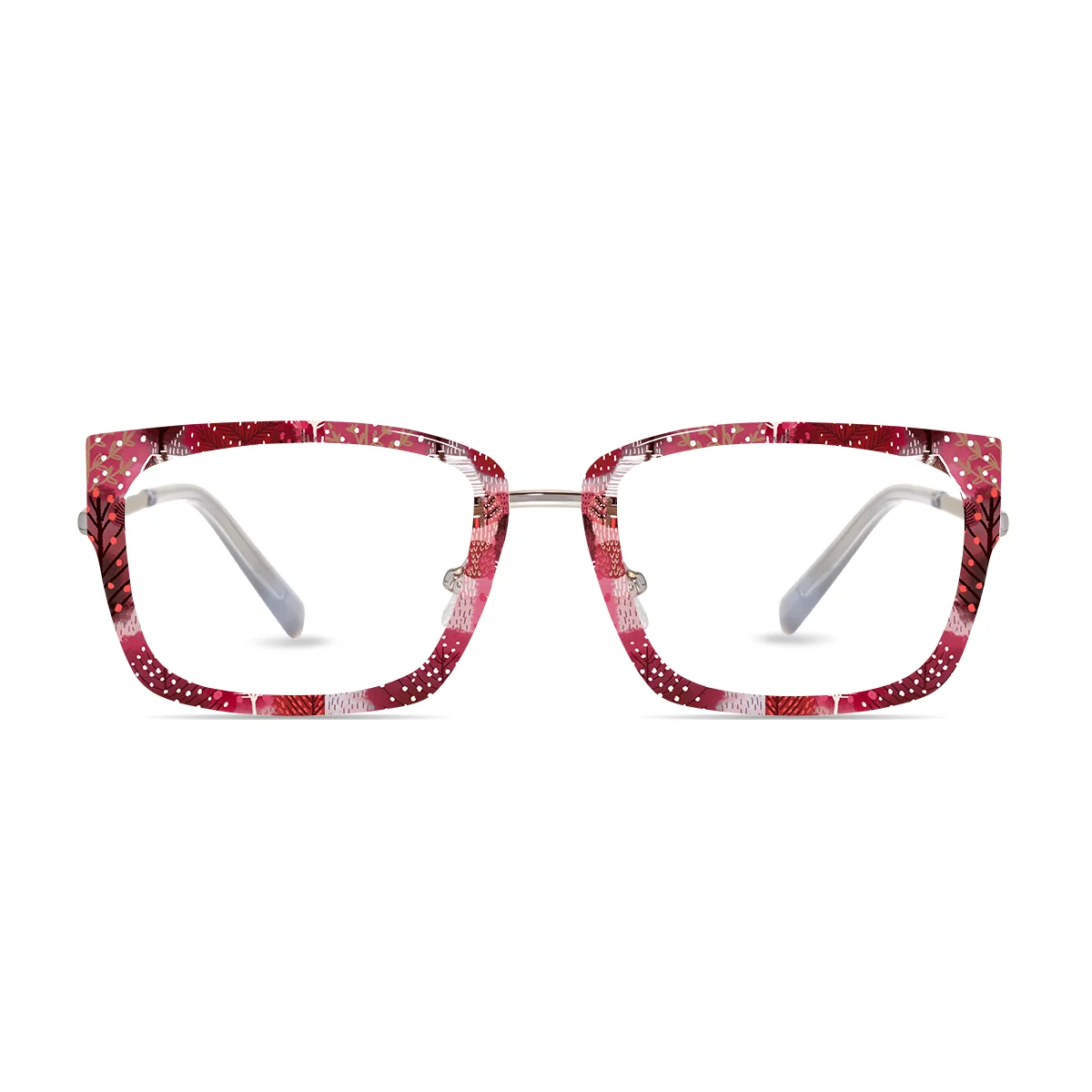
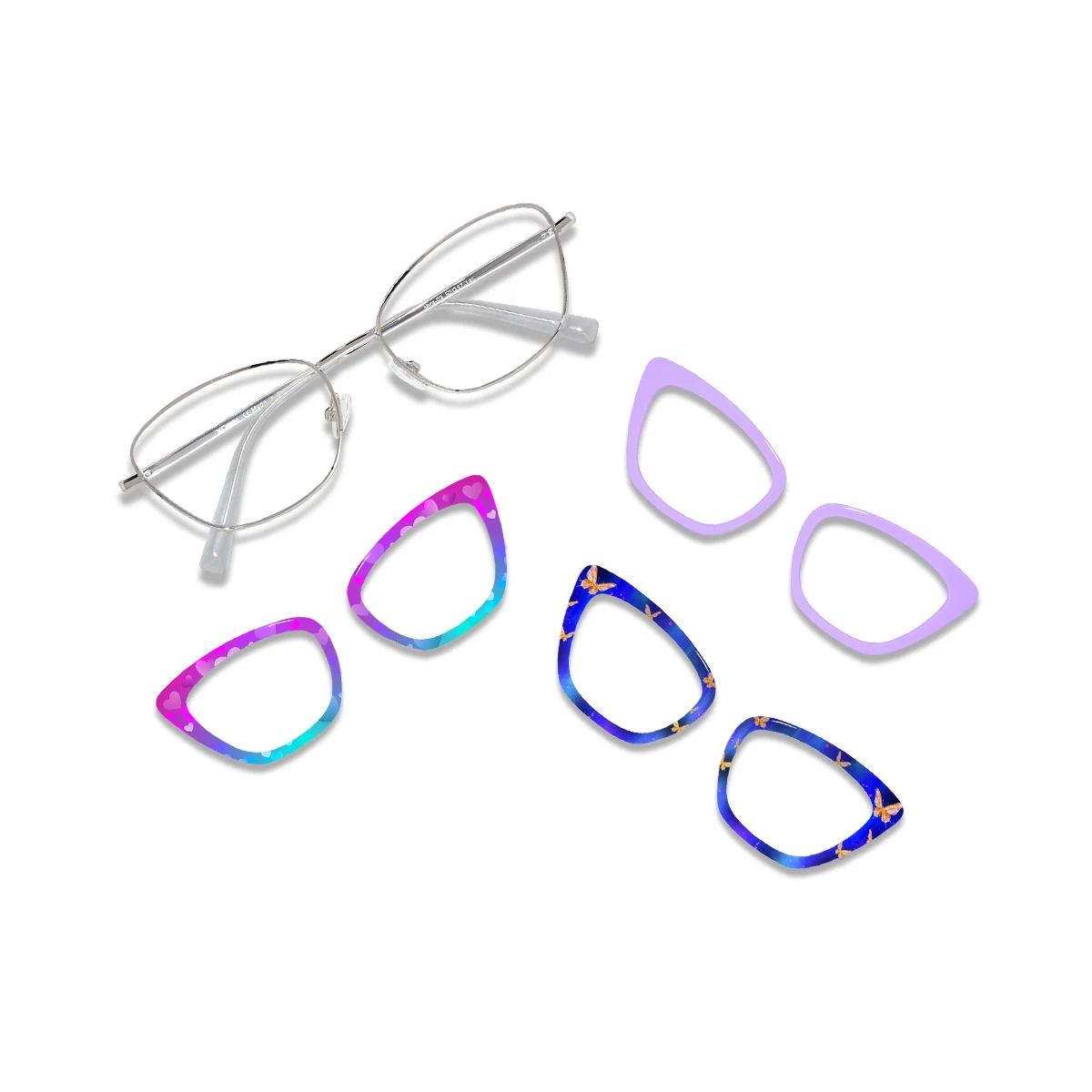
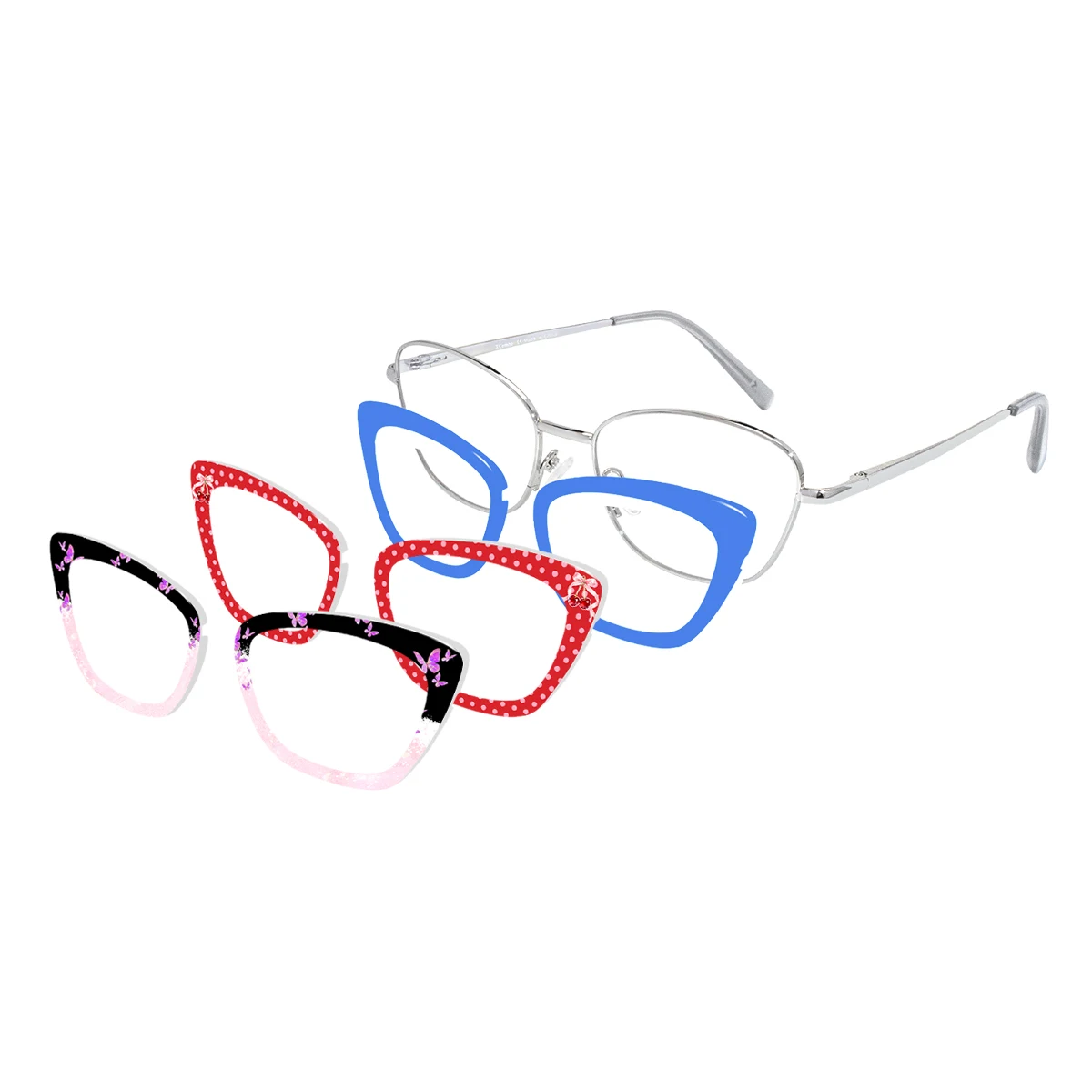
1 Base Frame + 3 Toppers | Interchangeable Glasses Bundle | Magnet-free Modular Eyewear | Cat Eye
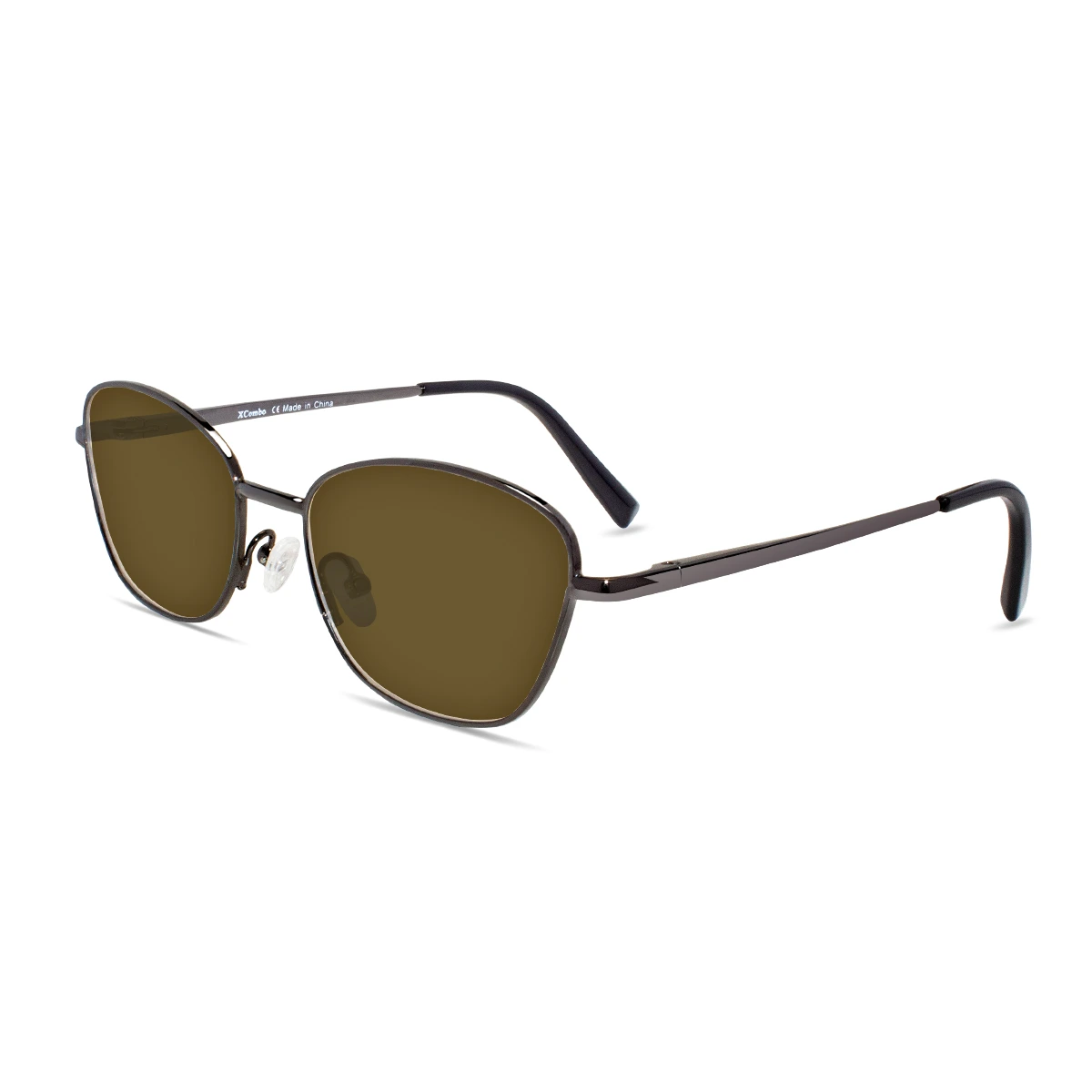
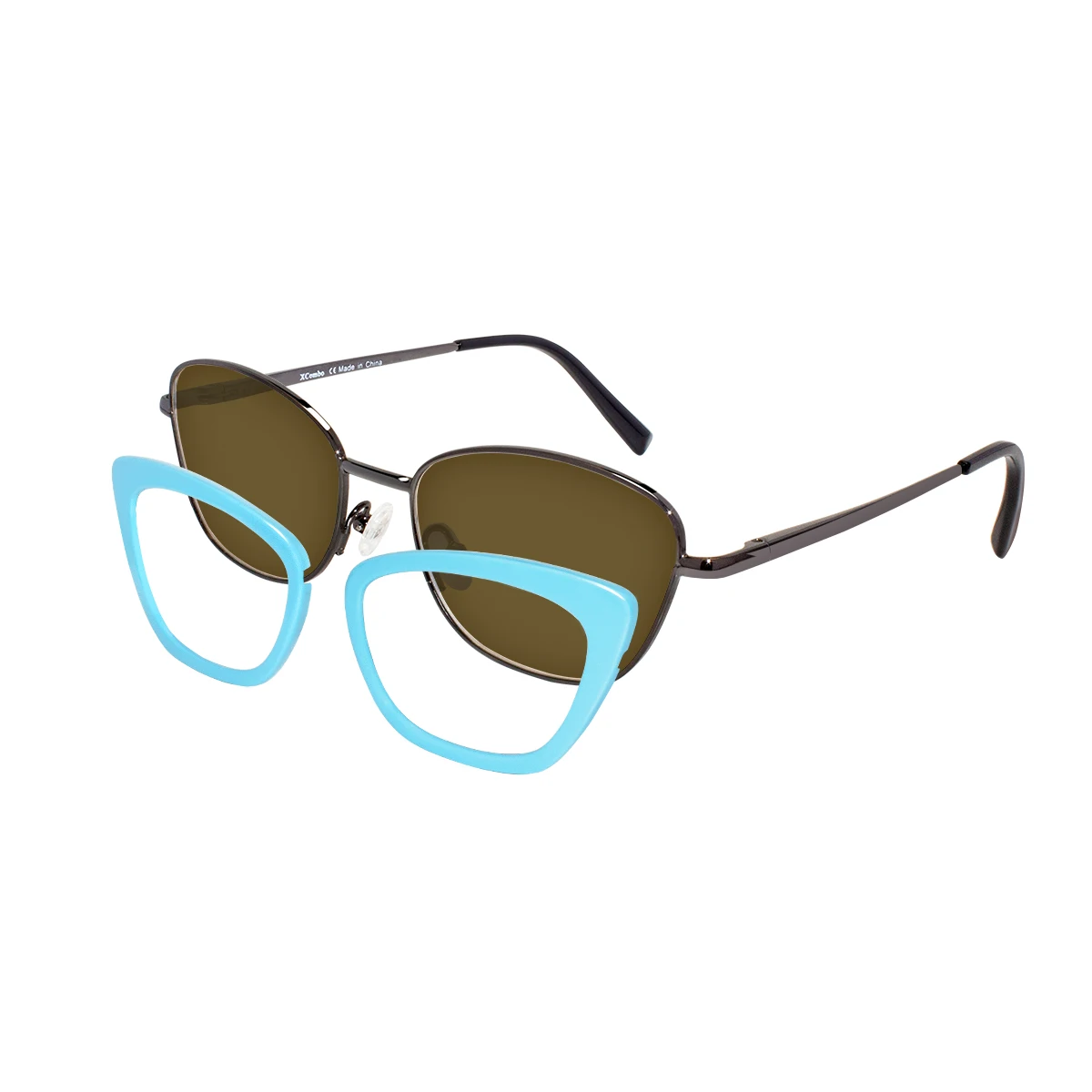
Mira Gunmetal Gray Metal Sunglasses – Wide Cat Eye, Tinted Lenses - Interchangeable Eyewear
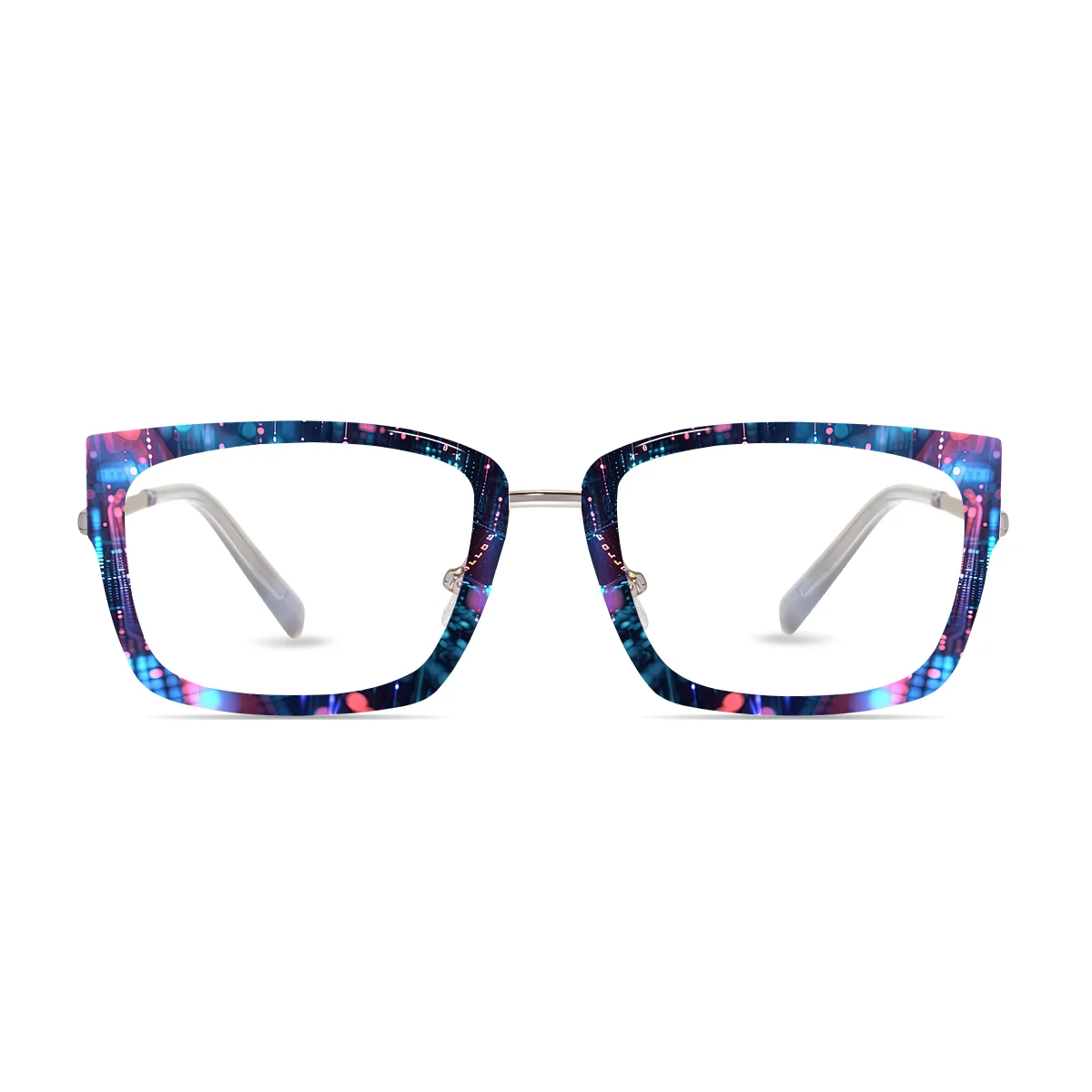
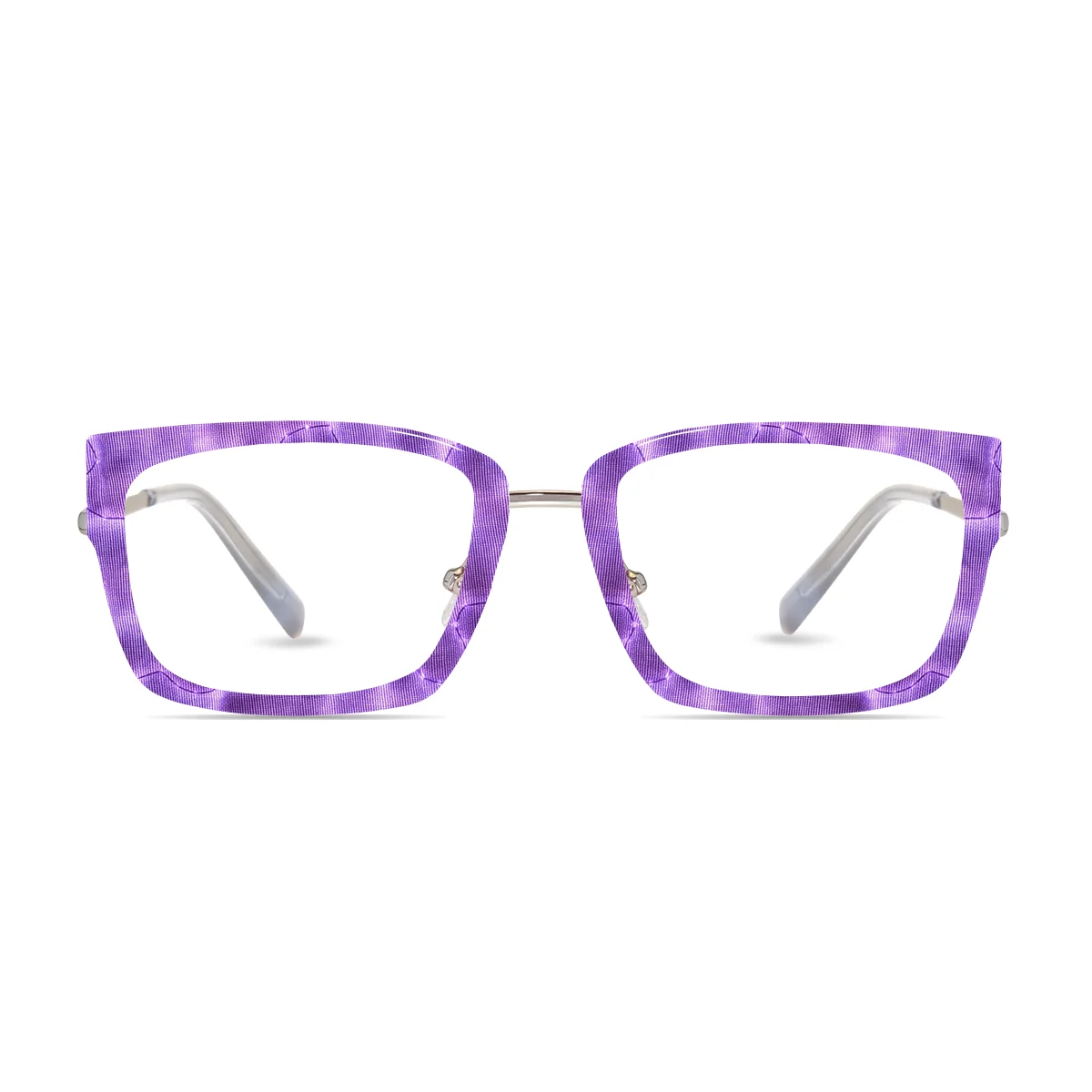
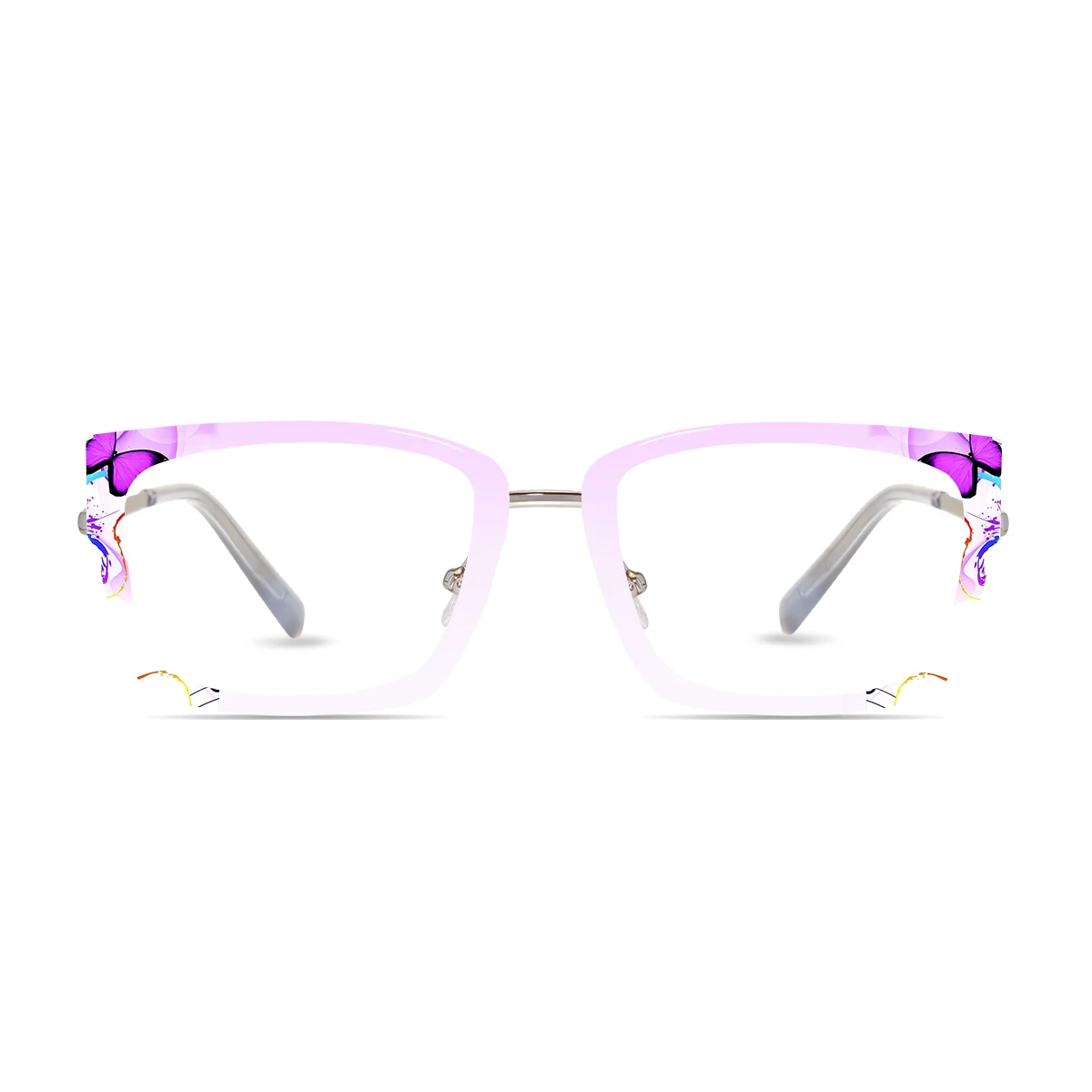
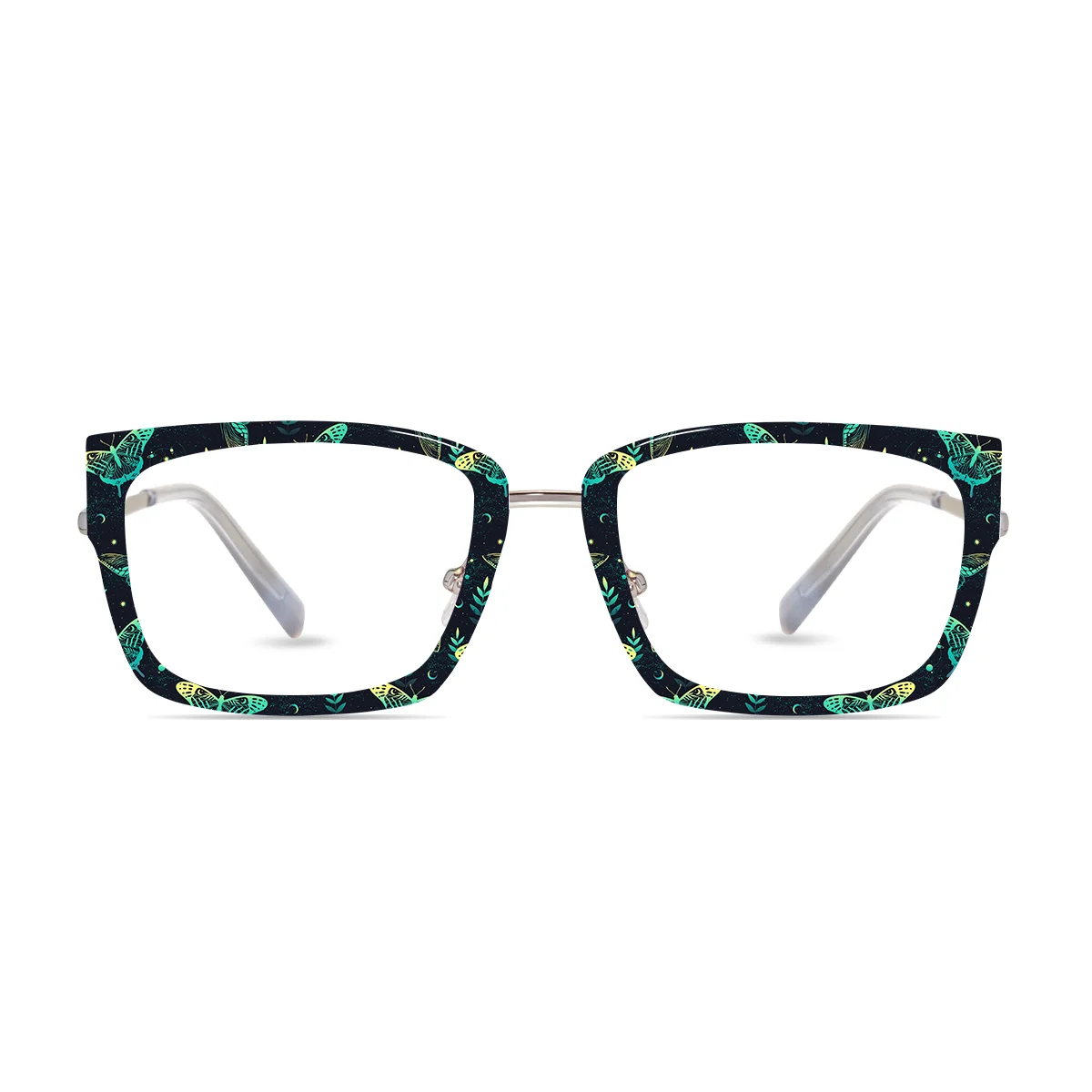


Mira Ice Blue Interchangeable Base Frame – Wide Cat-Eye Metal Glasses

Trifocal Lenses: Advantages, Disadvantages, and Key Insights
Trifocal lenses are a popular choice for those struggling with presbyopia, a condition that affects near, intermediate, and distance vision. These lenses...
Varifocal Lenses: How They Work, Benefits, and Drawbacks
Varifocal lenses, also known as progressive lenses, provide seamless vision correction for various distances. They eliminate the need for multiple pairs of...
Anti-Fatigue Lenses: Benefits, Uses, and Tips
In today’s digital age, most people spend hours in front of computer screens, binge-watching shows, or reading books with small print. These...
What Are Photochromic Lenses (Transition Lenses)? A Complete Guide
Photochromic lenses, also known as transition lenses, have become a popular choice for many eyeglass wearers. These lenses adjust automatically to changing...
Understanding CYL, AXIS, and SPH in Eye Prescriptions
When you receive an eye prescription, you may notice terms like CYL, AXIS, and SPH. These are essential measurements that help determine...
Progressive Lenses: Pros and Cons You Should Know
Progressive lenses, also called multifocal or no-line bifocals, are corrective lenses designed to provide clear vision at multiple distances. Unlike traditional bifocal...
Bifocal Lenses: Benefits and Drawbacks Explained
If you’re struggling to see both near and far distances clearly, bifocal lenses may be a practical solution. These lenses combine two...
What Affects the Thickness of Glasses Lenses?
When choosing new glasses, most people are excited about selecting a stylish frame, but for some, the thickness of the lenses is...