
The 3 “Hidden Costs” of Custom Eyewear: Accessories, Maintenance, and Prescription Accuracy — Are Online Custom Glasses Really Worth It?
When shopping for custom eyewear, most people focus on the sticker price. Whether it’s $150 from an online retailer or $1,200 from a boutique optical shop, that number often drives the decision.
But here’s the truth: the upfront price is only part of the story.
Custom glasses come with a set of “hidden costs” that can significantly affect your long-term experience—both financially and visually. These costs aren’t always obvious at the time of purchase, yet they play a crucial role in determining whether your eyewear is truly a good investment.
In this guide, we’ll break down the three most overlooked cost factors in custom eyewear:
- Accessory replacement
- Ongoing maintenance
- Prescription accuracy
We’ll also take a deep dive into one of the most common questions today: Are online custom glasses actually reliable?
Why “Hidden Costs” Matter More Than You Think
A pair of glasses isn’t a one-time purchase—it’s a daily-use tool that directly impacts your comfort, productivity, and eye health.
Even small issues can add up over time:
- Loose screws
- Scratched lenses
- Poor fit
- Slight prescription errors
These problems don’t just affect convenience—they can lead to eye strain, headaches, and even reduced visual performance.
Understanding the full cost of ownership helps you make a smarter decision upfront.
Hidden Cost #1: Accessory Replacement
When people think about glasses, they usually picture frames and lenses. But the smaller components—the accessories—are just as important.
What Counts as Accessories?
- Nose pads
- Screws and hinges
- Temple tips (ear pieces)
- Lens coatings (anti-reflective layers)
- Protective cases and cleaning cloths
These components wear out over time, especially with daily use.
Why Accessories Wear Out Faster Than You Expect
Daily Friction and Pressure
Nose pads and temple tips are constantly in contact with your skin. Over time, they:
- Harden or discolor
- Lose flexibility
- Become uncomfortable
Environmental Exposure
Heat, sweat, humidity, and UV exposure can degrade materials faster than expected.
Mechanical Stress
Opening and closing your glasses multiple times a day puts stress on hinges and screws.
The Real Cost of Replacements
Individually, these items seem inexpensive. But over time, they add up.
Typical costs include:
- Nose pad replacement: $10–$30
- Screw tightening or replacement: $5–$20
- Temple tip replacement: $15–$40
- Professional cleaning or adjustment: $10–$50
If you replace or repair components multiple times per year, the total can rival the cost of the glasses themselves.
Online vs. In-Store: Accessory Support
In-Store Purchases
- Often include free minor adjustments
- Easier access to replacement parts
- Immediate service
Online Purchases
- Limited or no physical service support
- May require DIY repairs
- Replacement parts may be harder to find
This is one of the first trade-offs to consider when buying online.
How to Minimize Accessory Costs
- Choose frames with durable materials (e.g., titanium or high-quality acetate)
- Clean glasses regularly to prevent buildup
- Store glasses properly when not in use
- Tighten screws periodically
Hidden Cost #2: Ongoing Maintenance
Custom eyewear requires consistent care to maintain performance.
What Does Maintenance Include?
- Cleaning lenses properly
- Adjusting frame alignment
- Reapplying or preserving coatings
- Checking fit and comfort
Why Maintenance Matters
Even high-end glasses can degrade without proper care.
Lens Degradation
- Scratches reduce clarity
- Worn coatings cause glare
- Smudges affect vision
Frame Misalignment
A slightly bent frame can:
- Shift optical centers
- Cause uneven pressure
- Reduce visual accuracy
Comfort Issues
Poor maintenance leads to:
- Slipping frames
- Pressure points
- Increased fatigue
The Cost of Neglect
Skipping maintenance may save money short-term—but it often leads to:
- Earlier replacement
- Reduced lifespan
- Lower visual quality
Professional vs. DIY Maintenance
Professional Care
- More precise adjustments
- Safer for delicate frames
- Often included with in-store purchases
DIY Maintenance
- Convenient but riskier
- Requires proper tools and knowledge
- Mistakes can damage frames
Online Glasses and Maintenance Challenges
If you buy glasses online, you may need to:
- Adjust frames yourself
- Find a local optician willing to help
- Pay for services that might otherwise be free
Maintenance Tips That Save Money
- Use microfiber cloths (not clothing)
- Avoid harsh cleaning chemicals
- Rinse lenses before wiping
- Store glasses in a hard case
Hidden Cost #3: Prescription Accuracy
This is arguably the most critical—and most overlooked—factor.
Why Accuracy Is Everything
Even a small error in your prescription can lead to:
- Blurry vision
- Eye strain
- Headaches
- Difficulty focusing
Key Measurements That Matter
Pupillary Distance (PD)
Distance between your pupils—essential for lens alignment.
Segment Height (for progressive lenses)
Determines where different vision zones sit.
Frame Fit
Affects how lenses align with your eyes.
Where Errors Happen
In-Store
- Generally more accurate due to professional measurement
- Adjustments can be made immediately
Online
- Relies on self-measurement or uploaded prescriptions
- Higher risk of small inaccuracies
The Cost of Inaccuracy
If your glasses are even slightly off, you may need:
- Lens remakes
- Frame adjustments
- A completely new pair
This can double your total cost.
How to Ensure Accuracy
- Get a recent, high-quality eye exam
- Double-check your PD measurement
- Choose retailers with strong remake policies
Are Online Custom Glasses Reliable?
Now let’s address the big question.
The Advantages of Buying Online
Lower Prices
Online retailers often cut out middlemen, reducing costs.
Convenience
- Shop anytime
- Wide selection
- Easy comparison
Customization Options
Many platforms offer:
- Lens upgrades
- Style variations
- Virtual try-ons
The Risks You Should Know
Fit Issues
Without trying frames on, fit can be unpredictable.
Measurement Errors
Self-reported measurements may be inaccurate.
Limited After-Sales Support
Repairs and adjustments are less accessible.
Quality Variability
Not all online retailers maintain the same standards.
When Online Glasses Make Sense
Online custom eyewear can be a great option if:
- You have a simple prescription
- You know your measurements accurately
- You’re comfortable with minor adjustments
- You’re looking for a budget-friendly option
When to Choose In-Store Instead
Consider buying in-store if:
- You have a complex prescription
- You need progressive lenses
- Fit and comfort are top priorities
- You want ongoing support
How to Get the Best Value (Online or Offline)
1. Know Your Priorities
Decide what matters most:
- Price
- Comfort
- Precision
- Durability
2. Invest Where It Counts
Spend more on:
- Lens quality
- Accurate measurements
Save on:
- Branding
- Non-essential upgrades
3. Read Policies Carefully
Look for:
- Return policies
- Warranty coverage
- Free adjustments
4. Think Long-Term
A cheaper pair that needs frequent replacement may cost more over time.
Real-Life Cost Comparison
Let’s compare two scenarios.
Option A: $200 Online Glasses
- Lower upfront cost
- Potential fit adjustments needed
- Possible remake due to measurement error
- Limited support
Total long-term cost: May reach $300–$400
Option B: $600 In-Store Glasses
- Higher upfront cost
- Accurate measurements
- Free adjustments
- Better durability
Total long-term cost: Often closer to initial price
Final Thoughts: The True Cost of Custom Eyewear
Custom glasses are more than a purchase—they’re an investment in your daily comfort and visual performance.
The biggest mistake you can make is focusing only on the upfront price.
By understanding the hidden costs—accessory replacement, maintenance, and prescription accuracy—you can make a smarter, more informed decision.
Share this post

2026 Spring/Summer Fashion Trends: When Retro Small-Frame Glasses Meet the Underarm Bag
Fashion has always had a talent for bringing the past back in unexpected ways.A silhouette that once belonged to another decade can...
Soft Aesthetics for Girls with Square Faces: How Rounded Handbags and Gentle Eyeglass Frames Soften Facial Lines
A square face can be striking, elegant, and full of character. Defined by a broader forehead, a relatively straight jawline, and noticeable...
How to Buy Prescription Glasses Online on XCombo
Looking to buy glasses online? XCombo makes it easy to get stylish, high-quality glasses tailored to your prescription. Follow this simple step-by-step...

The Executive Style Code: A Career Guide to Suits, Briefcases, and Sophisticated Eyewear
In the modern workplace, professional style is about much more than wearing expensive clothes.The strongest business wardrobe communicates something before you say...
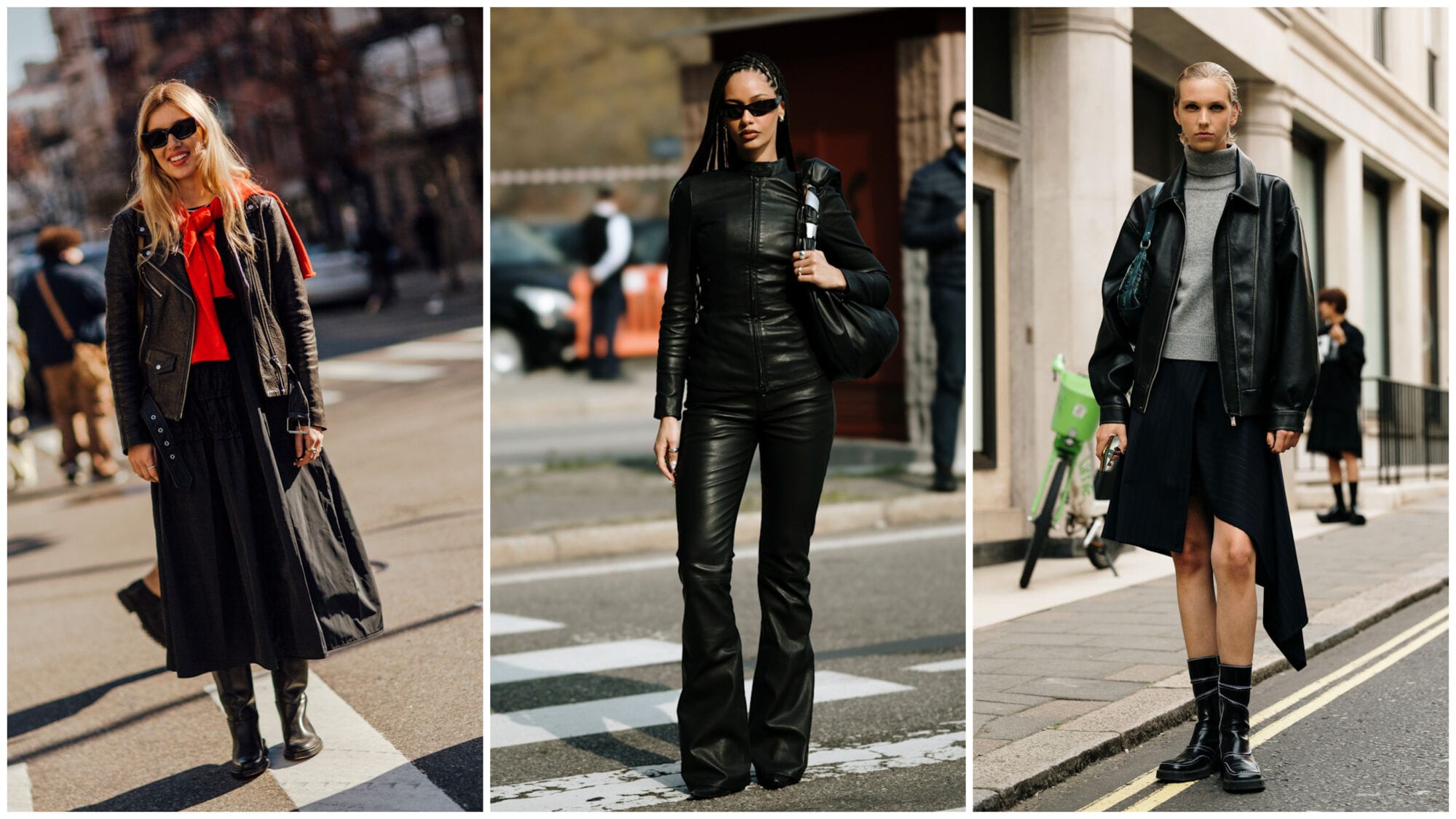
Street-Cool Style: How to Make Motorcycle Jackets, Belt Bags, and Futuristic Sunglasses Stand Out
Street fashion has never been about following every rule.It is about knowing which rules to break.A motorcycle jacket, a compact belt bag,...

The Art of Color Coordination: How to Match Your Bag With Your Eyeglass Frames for an Effortlessly Sophisticated Look
Fashion is often about the little details.A beautifully tailored outfit can look polished, yet something may still feel incomplete. The reason is...
Dating Night Style Secrets: The Perfect Collision of an Elegant Cocktail Dress, a Chain Evening Bag, and Sophisticated Semi-Rimless Glasses
Dating night is about more than choosing an outfit. It is about creating an impression without looking like you tried too hard....
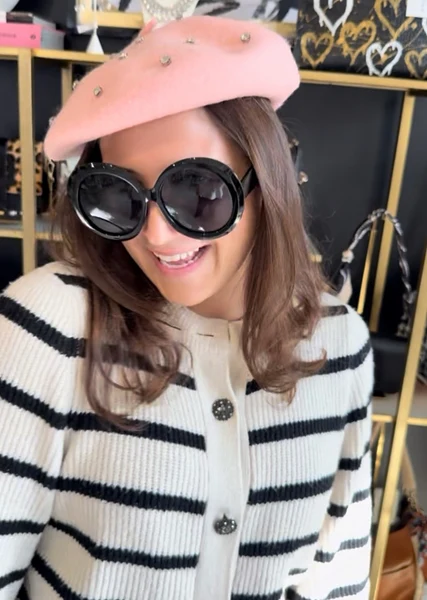
Effortless French Elegance: The Perfect Pairing of Knitwear, Tote Bags, and Cat-Eye Glasses
There is something undeniably captivating about French style.It is polished without looking overly polished, feminine without being overly delicate, and comfortable without...
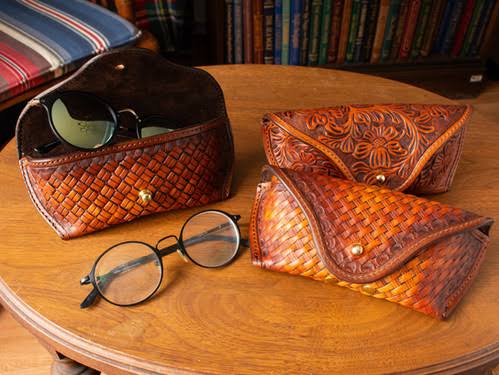
A Cross-Textural Conversation: The Tactile Collision of Leather Bags, Tweed Clothing, and Wood-Frame Eyewear
Introduction: When Materials Become the Main CharacterFashion is often discussed in terms of color, silhouette, trend, and season. Yet some of the...
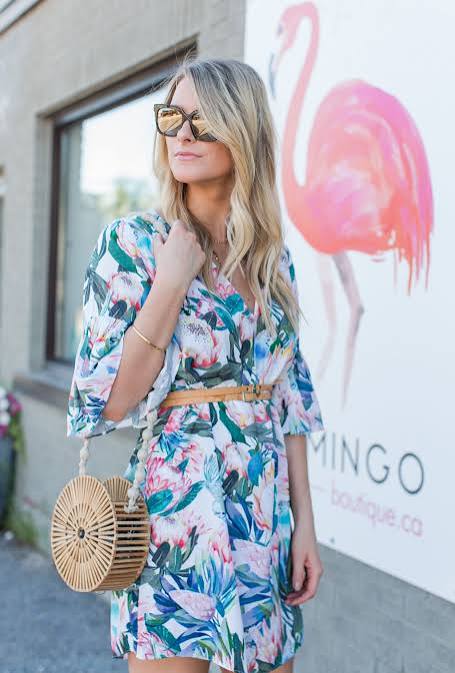
The Ultimate Guide to Vacation-Style Outfits: Floral Dresses, Straw Bags, and Round Sunglasses for Summer
Summer is the season of relaxed mornings, warm afternoons, outdoor dinners, weekend getaways, and long-awaited vacations. It is also the perfect time...
The Romance of Earth Tones in Fall: The Color Aesthetics of Trench Coats, Saddle Bags, and Tea-Tinted Sunglasses
Introduction: Falling in Love With the Colors of AutumnThere is something irresistibly romantic about autumn fashion.As summer fades, bright colors gradually give...
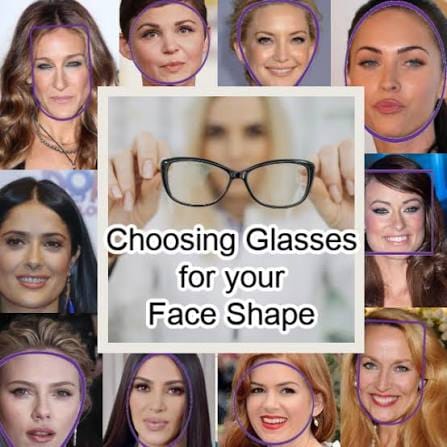
Best Glasses for Your Face Shape: Round, Square, Oval & More
Introduction: The Right Glasses Can Transform Your Entire AppearanceChoosing a pair of glasses is about much more than simply correcting your vision....