
Sustainable Fashion Eyewear: Why Eco-Friendly Materials Are Becoming the New Trend in Stylish Glasses
Fashion has always been a reflection of culture, lifestyle, and personal identity. From clothing and accessories to footwear and jewelry, the choices people make every day communicate who they are and what they value. In recent years, however, fashion has taken on a new responsibility. Beyond looking good, modern consumers are increasingly asking an important question: How was this product made, and what impact does it have on the planet?
This shift has transformed the fashion industry, creating a powerful movement known as sustainable fashion. Among the many categories influenced by this trend, eyewear has become one of the most exciting areas of innovation. Glasses are no longer viewed only as vision-correction tools or fashion accessories. They have become a statement of personal style, environmental awareness, and responsible consumption.
Sustainable fashion eyewear is quickly becoming a favorite choice among consumers who want stylish frames without compromising their commitment to the environment. With the development of recycled materials, bio-based plastics, natural fibers, and responsible manufacturing methods, eco-friendly glasses are proving that sustainability and fashion can exist together.
The growing popularity of sustainable eyewear represents a major transformation in the optical industry. Today’s customers are not only looking for attractive designs but also seeking products that reflect their values. This has encouraged designers and manufacturers to rethink traditional production methods and explore new ways to create fashionable eyewear with a smaller environmental footprint.
What Is Sustainable Fashion Eyewear?
Sustainable fashion eyewear refers to glasses designed and produced with environmental and social responsibility in mind. This approach considers every stage of the product’s life cycle, including material sourcing, manufacturing, packaging, durability, and end-of-life options.
Traditional eyewear production has historically relied heavily on petroleum-based plastics and energy-intensive manufacturing processes. While these materials offer flexibility and affordability, they can contribute to environmental challenges, especially when products are discarded after a short period of use.
Sustainable eyewear aims to reduce these negative impacts by using alternative materials and smarter production techniques. The goal is not simply to create “green” products but to build a more responsible eyewear industry where style, quality, and sustainability work together.
Key elements of sustainable eyewear include:
- Use of recycled or renewable materials
- Reduced dependence on fossil-based plastics
- Longer-lasting product design
- Environmentally responsible manufacturing
- Ethical labor practices
- Reduced packaging waste
For modern consumers, choosing sustainable glasses is becoming a way to express both fashion preferences and environmental consciousness.
Why Eco-Friendly Materials Are Changing the Eyewear Industry
Materials are at the heart of sustainable eyewear innovation. The frame material determines not only the appearance and comfort of glasses but also their environmental impact.
For decades, acetate and conventional plastics dominated the eyewear market. Although these materials helped create lightweight and affordable frames, manufacturers are now exploring better alternatives that provide similar performance with fewer environmental costs.
The development of sustainable materials has opened new possibilities for designers. Today, eco-conscious eyewear collections feature materials that were once considered impossible for fashion products.
These innovations are changing how people think about glasses. Instead of choosing between style and sustainability, consumers can now enjoy both.
Recycled Materials: Giving Waste a Second Life
One of the biggest trends in sustainable eyewear is the use of recycled materials. Recycling allows existing resources to be transformed into new products, reducing waste and lowering the demand for new raw materials.
Recycled plastic is one popular option. By collecting and processing discarded plastic materials, manufacturers can create durable frame components that maintain high quality while reducing environmental pressure.
Some sustainable eyewear brands use recycled fishing nets, discarded plastic bottles, and industrial waste to create stylish frames. These materials that were once considered environmental problems are now becoming valuable resources in fashion design.
The benefits of recycled eyewear materials include:
Reducing Plastic Waste
Millions of tons of plastic waste enter the environment every year. Turning discarded plastics into eyewear frames helps reduce the amount of waste that ends up in landfills or oceans.
Lowering Resource Consumption
Recycling existing materials requires fewer natural resources compared with producing new plastic from raw petroleum materials.
Creating Unique Design Opportunities
Recycled materials often have distinctive textures and patterns, allowing designers to create eyewear with a unique visual identity.
As consumers become more aware of environmental issues, recycled eyewear is becoming more than a trend—it is becoming a symbol of responsible fashion.
Bio-Based Materials: The Future of Sustainable Frames
Another exciting development in eco-friendly eyewear is the rise of bio-based materials. Unlike traditional plastics made primarily from fossil fuels, bio-based materials are created from renewable sources.
Common sources include:
- Plant-based oils
- Castor beans
- Wood fibers
- Natural cellulose
- Other renewable agricultural resources
Bio-based acetate has gained particular attention in the eyewear industry. Traditional acetate is already considered a higher-quality material compared with many standard plastics, but new bio-based versions take sustainability even further.
These materials provide several advantages:
Renewable Resource Support
Because bio-based materials come from renewable sources, they reduce dependence on limited fossil resources.
Premium Appearance
Many bio-based materials maintain the beautiful appearance, color depth, and smooth texture that consumers expect from high-end eyewear.
Improved Environmental Performance
By using renewable ingredients, manufacturers can reduce the overall environmental impact associated with frame production.
The combination of luxury design and environmental responsibility makes bio-based eyewear especially attractive to fashion-conscious consumers.
While recycled and bio-based materials are leading the sustainable eyewear movement, natural materials are also gaining attention among designers and consumers. These materials bring a unique combination of craftsmanship, individuality, and environmental awareness to modern glasses.
Natural eyewear materials can include wood, bamboo, cork, recycled paper fibers, and other plant-based resources. Each material has its own personality, creating frames that feel more connected to nature while offering a distinctive fashion statement.


Bamboo Eyewear: Lightweight and Naturally Stylish
Bamboo has become one of the most recognizable materials in sustainable eyewear. Known for its rapid growth and natural strength, bamboo provides an excellent alternative to traditional frame materials.
Bamboo frames are appreciated for several reasons:
- They are naturally lightweight and comfortable.
- They offer a warm, organic appearance.
- They create a unique texture that differs from mass-produced plastic frames.
- They represent a connection between fashion and nature.
The natural grain patterns of bamboo mean that every pair of glasses can have subtle differences, giving wearers a more personalized accessory.
For consumers who prefer minimalist fashion, bamboo eyewear fits perfectly with modern styles that emphasize simplicity, authenticity, and timeless design.
Wooden Frames: Where Craftsmanship Meets Sustainability
Wooden glasses have moved beyond being a niche product and have become a fashionable choice for people who appreciate handmade design. Different types of responsibly sourced wood can create frames with completely different appearances, from light and casual styles to darker, more sophisticated looks.
Wooden eyewear often appeals to customers who value craftsmanship. Unlike mass-produced frames, many wooden glasses highlight the skill of artisans who carefully shape, polish, and finish each piece.
Popular features of wooden eyewear include:
A Natural Visual Appeal
Wood offers textures and colors that cannot be perfectly replicated by synthetic materials. The natural patterns make each frame visually unique.
Comfortable Wearing Experience
Many wooden frames are surprisingly lightweight, making them comfortable for long periods of wear.
A Long-Lasting Fashion Choice
Because wooden glasses often feature classic designs, they can remain stylish for years instead of following short-term trends.
This reflects an important principle of sustainable fashion: buying fewer, better-quality products that remain useful over time.
Sustainable Acetate: A Luxury Material Becoming More Responsible
Acetate has long been considered one of the most desirable materials in premium eyewear. It offers excellent durability, vibrant colors, and a high-quality finish. However, the eyewear industry has been working to make acetate production more environmentally responsible.
Modern sustainable acetate is often created using materials derived from renewable sources, such as plant-based cellulose. This allows designers to maintain the luxurious appearance associated with acetate while improving its environmental profile.
Sustainable acetate frames offer:
- Rich colors and patterns
- Comfortable flexibility
- High durability
- Premium craftsmanship
- Reduced dependence on traditional petroleum-based plastics
Many fashion consumers are discovering that sustainability does not mean giving up elegance. Instead, responsible materials are becoming part of a new definition of luxury.
Today’s luxury is not only about appearance. It is also about thoughtful production, quality, and long-term value.
Why Consumers Are Choosing Sustainable Eyewear
The growth of sustainable eyewear is closely connected to changing consumer attitudes. Modern shoppers are becoming more informed about the environmental effects of their purchases and are looking for products that match their personal values.
Eyewear is especially meaningful because glasses are often worn every day. Unlike seasonal fashion items that may be replaced frequently, a well-designed pair of glasses can become part of someone’s identity for years.
Several factors are influencing the popularity of sustainable glasses.
1. Environmental Awareness
People around the world are becoming increasingly aware of issues such as plastic pollution, resource consumption, and climate change. This awareness has encouraged consumers to make more thoughtful purchasing decisions.
Choosing eco-friendly eyewear is one small but meaningful way individuals can support more responsible production practices.
Many consumers believe that everyday choices matter. A pair of sustainable glasses may seem like a small decision, but millions of conscious purchases can influence entire industries.
2. Desire for Authentic Products
Today’s customers are attracted to products with a story. They want to know where materials come from, who made the product, and what values the brand represents.
Sustainable eyewear often provides this sense of authenticity.
A frame made from recycled ocean materials, responsibly sourced wood, or renewable plant-based materials carries a story beyond its appearance. It represents innovation, responsibility, and creativity.
This emotional connection makes sustainable glasses more meaningful than ordinary accessories.
3. Preference for Quality Over Quantity
Fast fashion has encouraged consumers to buy inexpensive products that are quickly replaced. However, a growing number of shoppers are moving toward a more thoughtful approach: buying fewer items but choosing higher-quality products.
Sustainable eyewear fits naturally into this mindset.
A durable pair of eco-friendly glasses can provide:
- Better comfort
- Longer use
- Timeless style
- Reduced waste
Instead of constantly replacing low-quality frames, consumers are investing in products designed to last.
Sustainable Eyewear and Modern Fashion Trends
Sustainability is no longer separate from fashion. It has become one of the biggest influences shaping modern design.
Today’s eyewear trends show that environmentally responsible glasses can also be stylish, fashionable, and innovative.
Several design directions are becoming increasingly popular.
Minimalist Designs With a Sustainable Spirit
Minimalism has become a major trend in fashion, and sustainable eyewear fits naturally into this movement.
Simple shapes, clean lines, and neutral colors create frames that remain fashionable for many years.
Popular minimalist styles include:
- Thin metal frames
- Classic round shapes
- Simple rectangular designs
- Transparent frames
- Natural color palettes
These designs encourage consumers to choose timeless pieces rather than temporary trends.
A minimalist sustainable frame represents the idea that good design does not need unnecessary decoration.
Vintage-Inspired Sustainable Eyewear
Retro fashion continues to influence eyewear design. Styles inspired by the 1960s, 1970s, and 1990s are returning with a modern sustainable update.
Vintage-inspired frames often work well with eco-friendly materials because their classic designs naturally support long-term use.
Popular vintage styles include:
- Oversized frames
- Cat-eye glasses
- Round intellectual styles
- Bold acetate designs
Instead of creating disposable trends, sustainable fashion focuses on designs people will continue wearing year after year.
Customization and Personal Expression
Another growing trend in sustainable eyewear is customization.
Consumers increasingly want products that reflect their personalities. Sustainable materials often provide unique textures, colors, and patterns that allow for more creative designs.
Customized eyewear can include:
- Personalized frame colors
- Special material combinations
- Handmade details
- Adjustable designs
This approach encourages consumers to develop a stronger relationship with their products, making them less likely to replace items unnecessarily.
The Role of Responsible Manufacturing
Sustainable eyewear is not only about materials. The manufacturing process also plays an important role.
Responsible eyewear production focuses on reducing waste, improving efficiency, and creating better working conditions.
Important manufacturing practices include:
Reducing Production Waste
Advanced cutting and shaping technologies help manufacturers use materials more efficiently.
Improving Energy Efficiency
Factories are exploring cleaner energy solutions and more efficient equipment to reduce environmental impact.
Ethical Labor Practices
Sustainability also includes people. Responsible brands consider worker safety, fair treatment, and transparent supply chains.
A truly sustainable product considers both environmental and social responsibility.
Sustainable Packaging: Completing the Eco-Friendly Eyewear Experience
When people think about sustainable eyewear, they often focus on the frame materials. However, packaging is another important part of creating a truly responsible product. Traditional eyewear packaging often includes excessive plastic, unnecessary layers, and materials that are difficult to recycle.
As sustainability becomes a stronger priority, eyewear companies are redesigning packaging to reduce waste and create a more environmentally friendly customer experience.
Modern sustainable eyewear packaging may include:
- Recycled paper boxes
- Compostable materials
- Minimal packaging designs
- Reusable cases
- Plant-based packaging solutions
A simple but thoughtful package can reflect the same values as the product itself. Consumers increasingly appreciate brands that consider every detail, from the moment a product is manufactured to the moment it arrives in their hands.
A reusable glasses case, for example, extends the life cycle of the product while reducing the need for disposable packaging. Small changes like these demonstrate that sustainability is not only about one material choice but about creating a complete responsible lifestyle.
The Future of Sustainable Fashion Eyewear
The sustainable eyewear movement is still developing, and the future promises even more innovation. As technology advances and consumer expectations continue to change, designers are exploring new materials, smarter production methods, and creative approaches to responsible fashion.
Several trends are likely to shape the next generation of eyewear.
Innovative Bio Materials Will Continue Growing
Researchers and designers are constantly exploring new plant-based and biodegradable materials. Future eyewear may incorporate materials made from agricultural byproducts, natural fibers, and advanced renewable resources.
Potential innovations include:
- Plant-based polymers
- Biodegradable frame materials
- Agricultural waste transformation
- Natural fiber composites
These developments could help reduce dependence on traditional plastics while creating new opportunities for creative eyewear design.
The future of fashion will likely depend on finding ways to combine technology with nature.
Circular Fashion and Eyewear Recycling Programs
One of the most important ideas in sustainable fashion is the circular economy.
A traditional product cycle often follows a simple pattern:
Produce → Use → Throw Away
A circular approach creates a different system:
Produce → Use → Repair → Reuse → Recycle
For eyewear, this means designing products that can have longer lives and better recycling possibilities.
Future eyewear programs may include:
- Frame repair services
- Take-back programs
- Recycling initiatives
- Refurbished eyewear collections
This approach encourages consumers to see glasses as valuable products rather than disposable accessories.
Technology Meets Sustainability
Technology is playing an increasingly important role in sustainable eyewear production.
Advanced manufacturing methods allow designers to create precise, efficient, and customized products while reducing material waste.
Examples include:
Digital Design Tools
Computer-based design helps manufacturers optimize frame structures before production, reducing unnecessary material use.
Advanced Manufacturing Techniques
Modern production methods can improve accuracy and minimize leftover materials.
Smart Customization
Digital fitting technologies allow consumers to find comfortable frames while reducing the need for unnecessary product returns.
The combination of technology and sustainability is creating a more efficient future for the eyewear industry.
How to Choose the Right Sustainable Eyewear
With more eco-friendly glasses available, consumers may wonder how to identify truly responsible products. Choosing sustainable eyewear involves looking beyond marketing claims and understanding the details behind the product.
Here are several factors to consider.
Check the Material Information
A responsible eyewear brand should clearly explain what materials are used in its products.
Look for information about:
- Recycled content
- Bio-based materials
- Natural resources
- Manufacturing processes
Transparency is an important sign of a brand’s commitment to sustainability.
Consider Durability and Comfort
Sustainability is not only about choosing environmentally friendly materials. A product that breaks easily may create more waste over time.
When selecting glasses, consider:
- Frame strength
- Hinge quality
- Lens durability
- Comfort during daily wear
A well-made pair of glasses that lasts several years is often a more sustainable choice than frequently replacing cheaper frames.
Choose Timeless Designs
Fashion trends change quickly, but timeless designs remain attractive for longer periods.
Classic eyewear styles are a sustainable choice because they reduce the desire to constantly replace frames.
Consider styles that match your personal features and lifestyle, such as:
- Classic rectangular frames for a professional look
- Round frames for a creative appearance
- Soft oval designs for everyday versatility
- Neutral colors for long-term wear
A sustainable wardrobe is built around pieces that continue to feel right over time.
Sustainable Eyewear as a Personal Style Statement
Glasses are one of the most visible accessories people wear. They influence how others see us and how we express ourselves.
Choosing sustainable eyewear allows consumers to communicate more than fashion preferences. It shows awareness, responsibility, and appreciation for thoughtful design.
Eco-friendly glasses can represent:
- A connection with nature
- A preference for quality craftsmanship
- Support for responsible innovation
- A modern approach to fashion
Today, sustainability itself has become a style statement.
The most fashionable consumers are no longer simply asking, “Does this look good?” They are also asking, “Does this choice represent who I want to be?”
Why Sustainable Eyewear Is More Than a Trend
Some fashion movements disappear after a short time, but sustainable eyewear represents a deeper transformation.
The reason is simple: sustainability is connected to long-term changes in consumer values.
People are becoming more aware that every purchase has an impact. They want products that combine beauty, function, and responsibility.
Sustainable eyewear succeeds because it offers all three.
It provides:
- Attractive designs
- Comfortable daily use
- Innovative materials
- Environmental benefits
- A meaningful connection between consumers and products
Rather than being a temporary fashion trend, eco-friendly eyewear reflects a broader movement toward conscious living.
Final Thoughts: The New Definition of Stylish Eyewear
The eyewear industry is entering an exciting new era. Sustainable materials, innovative designs, and responsible manufacturing are changing the way people think about glasses.
Eco-friendly eyewear proves that protecting the environment does not mean sacrificing style. From recycled materials and plant-based acetate to bamboo frames and responsible craftsmanship, modern sustainable glasses offer countless possibilities for fashion-conscious consumers.
The future of eyewear belongs to products that are created with purpose. A beautiful pair of glasses is no longer defined only by its shape, color, or brand name. It is also defined by the choices behind its creation.
As sustainable fashion continues to grow, eyewear will remain one of the most inspiring examples of how innovation can transform everyday products. Choosing sustainable glasses is not just a fashion decision—it is a commitment to a smarter, more responsible way of living.
Whether you prefer minimalist designs, bold statement frames, natural materials, or modern eco-friendly styles, sustainable eyewear offers a way to look good while making a positive difference.
Share this post
2026 Spring/Summer Fashion Trends: When Retro Small-Frame Glasses Meet the Underarm Bag
Fashion has always had a talent for bringing the past back in unexpected ways.A silhouette that once belonged to another decade can...

Soft Aesthetics for Girls with Square Faces: How Rounded Handbags and Gentle Eyeglass Frames Soften Facial Lines
A square face can be striking, elegant, and full of character. Defined by a broader forehead, a relatively straight jawline, and noticeable...
How to Buy Prescription Glasses Online on XCombo
Looking to buy glasses online? XCombo makes it easy to get stylish, high-quality glasses tailored to your prescription. Follow this simple step-by-step...
The Executive Style Code: A Career Guide to Suits, Briefcases, and Sophisticated Eyewear
In the modern workplace, professional style is about much more than wearing expensive clothes.The strongest business wardrobe communicates something before you say...
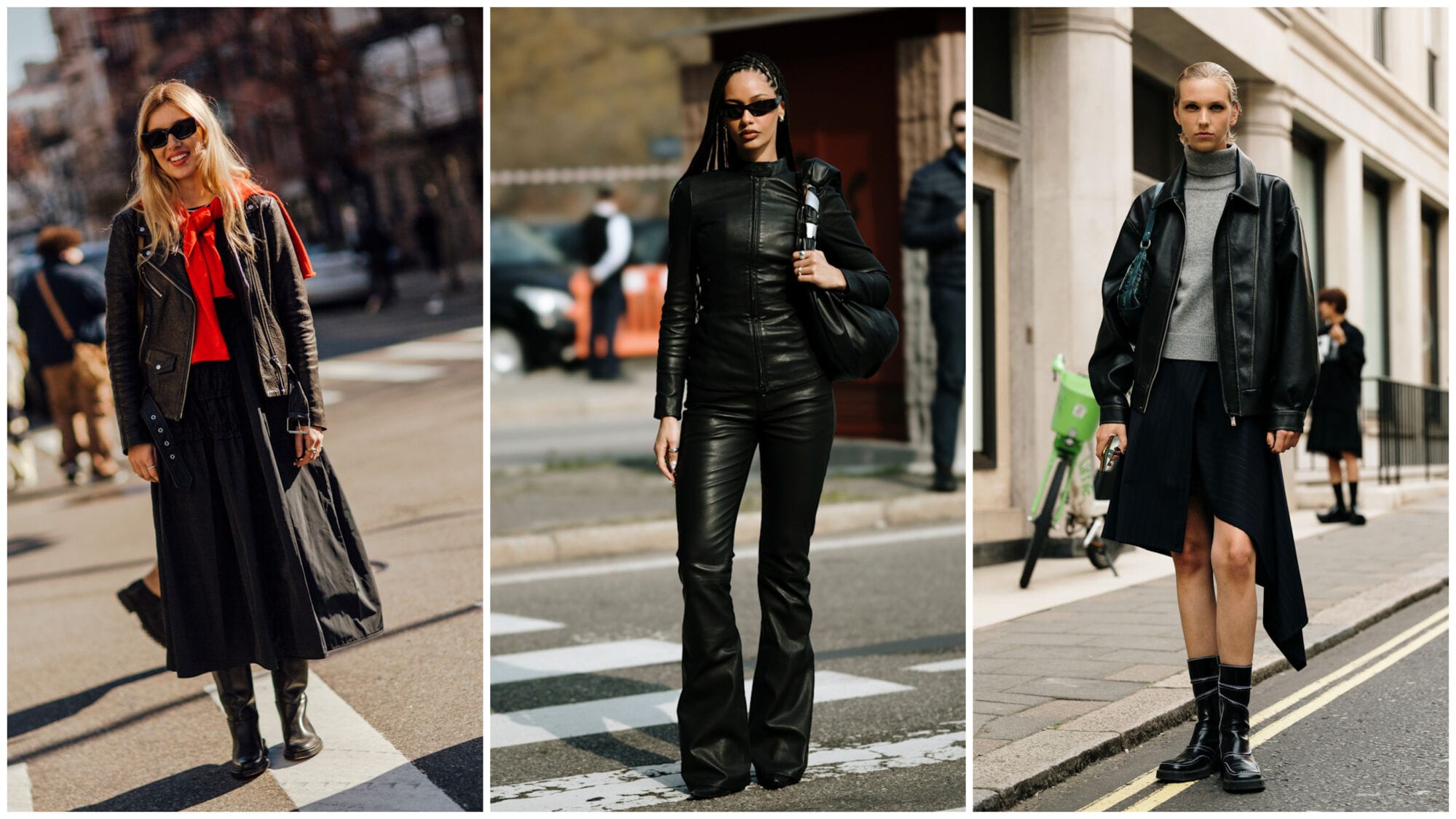
Street-Cool Style: How to Make Motorcycle Jackets, Belt Bags, and Futuristic Sunglasses Stand Out
Street fashion has never been about following every rule.It is about knowing which rules to break.A motorcycle jacket, a compact belt bag,...
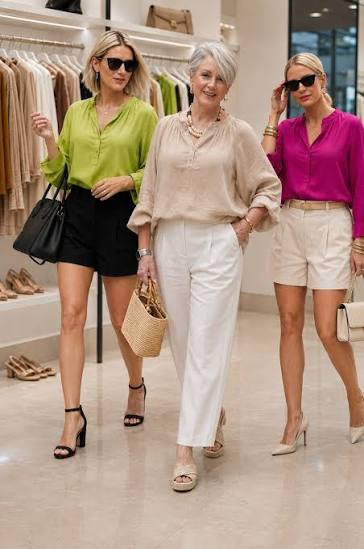
The Art of Color Coordination: How to Match Your Bag With Your Eyeglass Frames for an Effortlessly Sophisticated Look
Fashion is often about the little details.A beautifully tailored outfit can look polished, yet something may still feel incomplete. The reason is...
Dating Night Style Secrets: The Perfect Collision of an Elegant Cocktail Dress, a Chain Evening Bag, and Sophisticated Semi-Rimless Glasses
Dating night is about more than choosing an outfit. It is about creating an impression without looking like you tried too hard....

Effortless French Elegance: The Perfect Pairing of Knitwear, Tote Bags, and Cat-Eye Glasses
There is something undeniably captivating about French style.It is polished without looking overly polished, feminine without being overly delicate, and comfortable without...
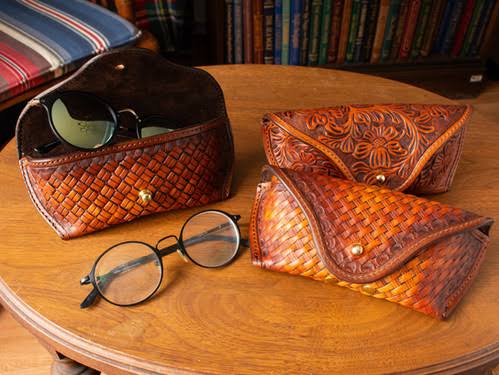
A Cross-Textural Conversation: The Tactile Collision of Leather Bags, Tweed Clothing, and Wood-Frame Eyewear
Introduction: When Materials Become the Main CharacterFashion is often discussed in terms of color, silhouette, trend, and season. Yet some of the...
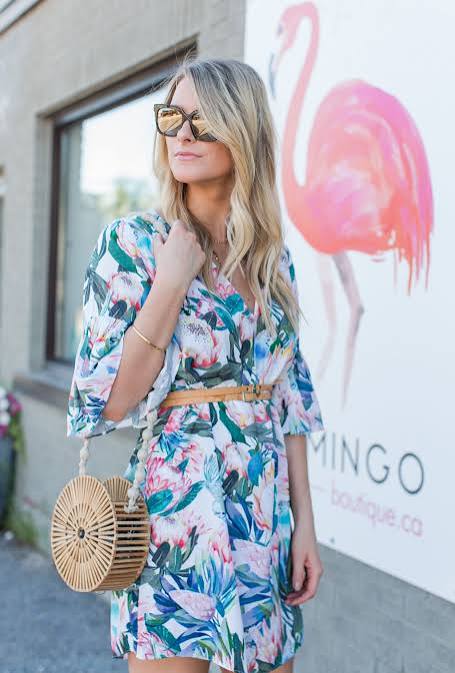
The Ultimate Guide to Vacation-Style Outfits: Floral Dresses, Straw Bags, and Round Sunglasses for Summer
Summer is the season of relaxed mornings, warm afternoons, outdoor dinners, weekend getaways, and long-awaited vacations. It is also the perfect time...
The Romance of Earth Tones in Fall: The Color Aesthetics of Trench Coats, Saddle Bags, and Tea-Tinted Sunglasses
Introduction: Falling in Love With the Colors of AutumnThere is something irresistibly romantic about autumn fashion.As summer fades, bright colors gradually give...
Best Glasses for Your Face Shape: Round, Square, Oval & More
Introduction: The Right Glasses Can Transform Your Entire AppearanceChoosing a pair of glasses is about much more than simply correcting your vision....