
Lens Index Explained: How High Prescription Glasses Can Still Look Stylish and Sophisticated
For decades, people with strong prescriptions often felt limited when choosing eyewear. Thick lenses, heavy frames, and restricted styles seemed like unavoidable compromises. Many high prescription wearers believed they had to choose between clear vision and fashionable appearance.
Fortunately, modern optical technology has completely changed that experience.
Today, high prescription glasses can be thin, lightweight, comfortable, and beautifully designed. The secret behind this transformation is lens index technology.
Understanding lens index helps you make smarter decisions when selecting prescription glasses. Whether you have high myopia, strong farsightedness, or significant astigmatism, choosing the right lens material can dramatically improve both comfort and appearance.
A strong prescription does not mean your glasses have to look bulky or outdated. With the right lens index, frame design, and optical features, your eyewear can become a stylish extension of your personality.
This complete guide explains what lens index means, how high index lenses work, how they affect appearance, and how people with stronger prescriptions can achieve a refined and fashionable look.
What Is Lens Index? Understanding the Science Behind Thinner Lenses
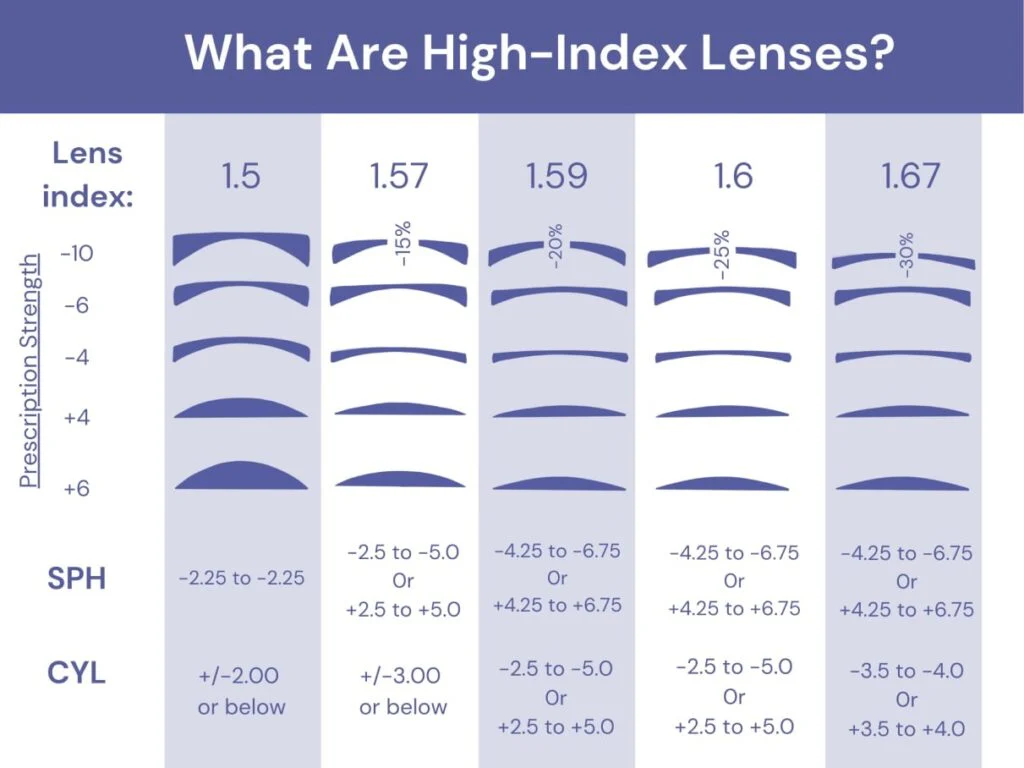
Lens index, also known as refractive index, describes how efficiently a lens material bends light.
Simply put, a lens with a higher index can bend light more effectively. Because it can provide the same vision correction with less material, the lens can be made thinner compared with traditional lenses.
This is especially important for people with stronger prescriptions.
When a person has a high prescription, a conventional lens must have a greater curvature or thickness to correctly redirect light into the eye. This can create thicker edges for nearsighted prescriptions or a magnified appearance for farsighted prescriptions.
High index lenses use advanced materials that allow manufacturers to reduce unnecessary thickness while maintaining accurate vision correction.
Common lens index options include:
1.50 Standard Index Lenses
These are traditional plastic lenses and are often suitable for mild prescriptions. They offer excellent optical clarity and affordability but may become thicker for stronger prescriptions.
1.56 Mid Index Lenses
These lenses provide a moderate improvement in thickness compared with standard lenses and are popular for low to medium prescriptions.
1.60 High Mid Index Lenses
A popular choice for many everyday prescription glasses, 1.60 lenses offer a good balance between thinness, weight, optical performance, and price.
1.67 High Index Lenses
These lenses are designed for stronger prescriptions. They provide noticeably thinner profiles and are widely chosen by people who want a cleaner, more fashionable appearance.
1.74 Ultra High Index Lenses
These are among the thinnest plastic lenses available. They are often recommended for very strong prescriptions where reducing lens thickness is a major priority.
Why Lens Index Matters More for High Prescription Glasses
If your prescription is mild, the difference between lens indexes may not be very noticeable. However, as prescription strength increases, lens material becomes a major factor in both appearance and comfort.
For example, someone with a strong nearsighted prescription may experience:
- Thick lens edges
- Heavy glasses
- Limited frame choices
- Distortion around the eyes
- A less balanced facial appearance
Choosing a higher index lens can significantly reduce these issues.
The goal is not simply to create the thinnest possible lens. The goal is to create a pair of glasses that looks natural, feels comfortable, and matches your personal style.
How High Index Lenses Change the Appearance of Strong Prescription Glasses
Many people worry that strong prescription glasses will make them look less fashionable. However, the lens itself can make a huge difference.
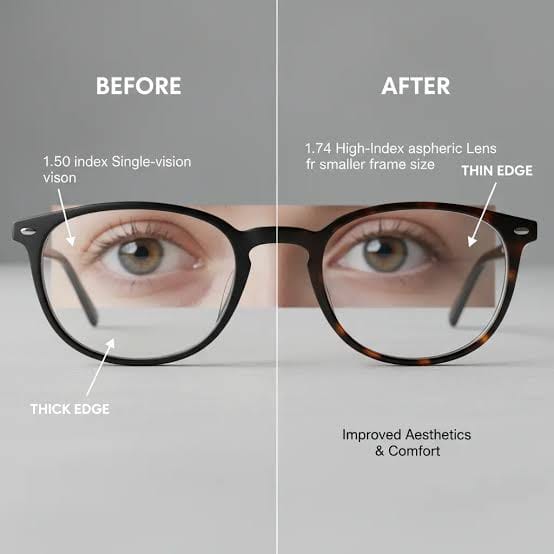
Thinner Edges Create a Cleaner Look
For myopia correction, lenses are usually thinner in the center and thicker around the edges. The stronger the prescription, the more noticeable the edge thickness becomes.
A high index lens reduces this edge thickness, creating:
- A smoother frame appearance
- Less visible lens bulk
- A more premium look
- Better harmony between the glasses and facial features
This is why many luxury eyewear designs pair beautifully with high index lenses.
A refined frame deserves a refined lens.
Better Proportions Between Frames and Lenses
The relationship between frame size and lens thickness is extremely important.
A large frame with a strong prescription can create thicker edges because the lens diameter increases. Smaller frames naturally reduce thickness, but modern high index materials give wearers much more freedom.
With the right lens index, you can confidently explore:
- Classic rectangular frames
- Modern geometric shapes
- Elegant titanium frames
- Fashion-forward acetate designs
- Professional minimalist styles
Your prescription no longer has to determine your fashion choices.
High Index Lenses and the “Small Eye” Effect
One common concern among people with strong myopia is that glasses make their eyes appear smaller.
This happens because minus lenses reduce the apparent size of the eyes. The stronger the prescription, the more noticeable this effect can become.
Several factors influence this appearance:
Lens Power
Higher minus prescriptions create stronger magnification reduction.
Lens Thickness
Thicker lenses can increase visual distortion.
Lens Design
Traditional spherical lenses may create more noticeable optical effects compared with advanced designs.
High index materials help by allowing thinner lenses. In addition, aspheric lens designs can further improve appearance by creating a flatter, more natural lens profile.
Aspheric Lenses: Another Secret to Elegant High Prescription Glasses
When discussing high prescription eyewear, lens index is only part of the story.
Lens design also matters.
Traditional spherical lenses have the same curvature across the surface. While they provide effective vision correction, stronger prescriptions can result in a more noticeable curved appearance.
Aspheric lenses use a more sophisticated surface design. They gradually change curvature from the center toward the edges, allowing the lens to be flatter and thinner.
Benefits of aspheric lenses include:
- A slimmer appearance
- Reduced distortion
- More natural-looking eyes
- Improved cosmetic results
- Better compatibility with modern frames
For high prescription wearers who care about style, combining high index material with aspheric technology can create a significant improvement.
Choosing Between 1.67 and 1.74 High Index Lenses
Many people with strong prescriptions wonder whether they should choose 1.67 or 1.74 lenses.
The answer depends on your prescription, lifestyle, and priorities.
1.67 High Index Lenses
Advantages:
- Excellent balance of thickness reduction and cost
- Good optical performance
- Suitable for many strong prescriptions
- Available with many coatings and designs
For many wearers, 1.67 lenses provide the ideal combination of appearance and value.
1.74 Ultra High Index Lenses
Advantages:
- Maximum thickness reduction
- Excellent for very strong prescriptions
- Creates the slimmest possible profile
However, they are usually more expensive and may have slightly lower optical properties in some situations compared with lower index materials.
For extremely high prescriptions, the cosmetic improvement can make the additional investment worthwhile.
Choosing the Right Frame for High Prescription Glasses
Many people assume that lens technology alone determines how attractive high prescription glasses will look. While choosing the right lens index is extremely important, the frame also plays a major role in creating a balanced and fashionable appearance.
A great pair of glasses is the result of harmony between the prescription, lens material, frame shape, and facial features.
For people with strong prescriptions, choosing the right frame can help maximize the benefits of high index lenses.
Why Frame Size Matters More Than You Think
One of the most important factors affecting lens thickness is frame size.
When a lens is cut from a larger frame shape, more of the lens material is used. For strong prescriptions, especially high minus prescriptions, larger lens diameters can increase edge thickness.
This does not mean you must always choose tiny frames. Modern lens technology allows much more flexibility. However, selecting a frame with a suitable size can improve both appearance and comfort.
For high prescription wearers, consider:
Medium-Sized Frames
Medium frames often provide an excellent balance between fashion and lens thickness.
They offer:
- A modern appearance
- Comfortable coverage
- Reduced lens edge exposure
- Better facial proportions
Avoid Extremely Oversized Frames
Oversized glasses have become a major fashion trend, but very large frames may not always be ideal for strong prescriptions.
A large lens area can:
- Increase visible thickness
- Add unnecessary weight
- Create more noticeable distortion
If you love oversized styles, a thinner high index lens combined with a carefully selected frame shape can still create a beautiful result.
Frame Shapes That Work Well With Strong Prescriptions
The best frame shape depends on your face shape and personal style, but certain designs are especially friendly for high prescription lenses.
Rectangular Frames
Rectangular glasses create a clean, professional appearance. They work especially well for people who prefer:
- Business style
- Minimalist fashion
- A sophisticated look
The structured shape can make thick lens edges appear less noticeable.
Round and Oval Frames
Round frames can soften facial features and create a creative, intellectual appearance.
For high prescriptions, smaller round frames are often a smart choice because the lens diameter naturally stays controlled.
They are popular among people who enjoy:
- Vintage-inspired fashion
- Artistic styles
- Classic eyewear designs
Browline Frames
Browline glasses combine a bold upper frame with a lighter lower design. They draw attention toward the frame rather than the lens thickness.
This style can create a fashionable, confident appearance while balancing stronger prescriptions.
Titanium and Lightweight Metal Frames
For people who want a refined, premium appearance, titanium frames are an excellent option.
Their advantages include:
- Lightweight construction
- Comfortable all-day wear
- Elegant appearance
- Excellent durability
When paired with high index lenses, titanium frames can create a nearly invisible, sophisticated eyewear style.
Lens Coatings: The Details That Make Glasses Look More Premium
A high-quality lens is not only about thickness reduction. Lens coatings also influence appearance, durability, and daily performance.
Modern prescription glasses often include several advanced coatings.
Anti-Reflective Coating: The Secret Behind Clearer-Looking Glasses
Anti-reflective coating is one of the most popular lens upgrades.
Without an anti-reflective coating, lenses can reflect surrounding light, creating visible glare in photos, meetings, or conversations.
This can make glasses appear less transparent and hide your eyes.
An anti-reflective coating helps by:
- Reducing distracting reflections
- Making lenses look clearer
- Allowing your eyes to be more visible
- Improving appearance in photographs
For people who wear high index lenses, this coating is especially valuable because high index materials naturally reflect more light than standard lenses.
Scratch-Resistant Coating for Long-Term Beauty
A scratch-resistant coating helps maintain the clean appearance of your lenses.
Even small scratches can affect:
- Visual clarity
- Lens appearance
- Overall impression of your glasses
Since high index lenses are often chosen as a long-term investment, protecting them with a durable coating helps maintain their quality.
Blue Light Filtering Options for Digital Lifestyles
Many people spend hours every day using:
- Computers
- Smartphones
- Tablets
- Digital displays
Blue light filtering lenses are designed to reduce certain wavelengths of visible light. While opinions vary regarding their benefits, many wearers appreciate them for digital comfort and modern lifestyle needs.
These lenses can also provide a subtle cosmetic advantage by reducing reflections from screens.
Photochromic Lenses: Style Meets Convenience
Photochromic lenses automatically adjust their darkness according to light conditions.
They provide:
- Clear vision indoors
- Sunglass-like protection outdoors
- Convenience for daily activities
For people who want fewer pairs of glasses while maintaining a polished appearance, photochromic high index lenses can be an excellent choice.
How High Index Lenses Help You Build a Fashionable Personal Image
Glasses are no longer just medical devices. They are fashion accessories that influence how people perceive your personality.
A carefully designed pair of glasses can communicate:
- Confidence
- Professionalism
- Creativity
- Sophistication
- Individual style
High prescription wearers sometimes worry that their glasses will attract attention for the wrong reasons. However, the right combination of lens technology and frame design can turn glasses into a signature feature.
Many fashion-conscious people intentionally choose distinctive eyewear because glasses can enhance their overall appearance.
High Prescription Glasses Can Look Luxury — Here Is Why
Luxury eyewear is not defined only by brand names or expensive frames. The true feeling of premium eyewear comes from:
- Proper proportions
- Excellent materials
- Comfortable fitting
- Clear optical performance
- Thoughtful design
A pair of high prescription glasses with thin high index lenses, a well-fitted frame, and premium coatings can easily achieve a luxury appearance.
The difference is often in the details.
A thick, poorly fitted lens can distract from a beautiful frame. A thin, precisely designed lens allows the frame design and facial features to stand out.
Common Mistakes When Choosing High Index Prescription Glasses
Even with advanced lens technology, some mistakes can affect the final result.
Understanding these common problems can help you make a better choice.
Mistake 1: Choosing the Highest Index Automatically
Many people believe that the highest index lens is always the best.
However, higher is not always better.
A 1.74 lens may be unnecessary for a moderate prescription. In some cases, a 1.60 or 1.67 lens may provide better value and excellent appearance.
The best choice depends on your actual prescription.
Mistake 2: Ignoring Frame Measurements
A beautiful frame may not always be suitable for your prescription.
Important measurements include:
- Lens width
- Bridge size
- Temple length
- Frame height
A professional fitting ensures that your glasses sit correctly and your lenses perform properly.
Mistake 3: Focusing Only on Price
Choosing the cheapest lens option may seem attractive, but your glasses are something you use every day.
Poor-quality lenses may result in:
- Uncomfortable weight
- More visible thickness
- Reduced clarity
- Shorter lifespan
Investing in suitable lens materials and coatings can significantly improve your daily experience.
Mistake 4: Forgetting About Lens Design
Many people focus only on index number and overlook lens design.
For stronger prescriptions, features such as:
- Aspheric design
- Digital lens optimization
- Personalized measurements
can make a major difference.
The goal is not just thinner lenses. The goal is better-looking, better-performing glasses.
How to Make High Prescription Glasses Look More Attractive for Different Face Shapes
Choosing glasses is not only about prescription strength. The frame should also complement your natural facial structure. When the lens, frame, and face shape work together, even strong prescription glasses can create a polished and fashionable appearance.
Many people with high prescriptions worry that their glasses will become the main focus of their face. In reality, the right design choices can help glasses enhance your features.
Glasses for Round Faces
A round face usually has softer curves, similar width and height proportions, and less angular definition.
To create balance, frames with more structure often work well.
Recommended styles include:
- Rectangular frames
- Square frames
- Geometric designs
- Slightly angular acetate frames
These shapes create contrast and add definition.
For high prescription wearers, medium-sized rectangular frames paired with high index lenses can create a sleek professional appearance while minimizing visible lens thickness.
Avoid extremely small frames if you want a more modern look, as they may appear too restrictive. The goal is balance between frame style and lens proportion.
Glasses for Square Faces
Square faces typically feature:
- A wider jawline
- Strong facial angles
- Defined cheekbones
Soft shapes can help create a more balanced appearance.
Good choices include:
- Round frames
- Oval frames
- Thin metal frames
These styles soften stronger facial features and create an elegant contrast.
High index lenses are especially useful here because lightweight materials allow delicate frame designs without creating unnecessary bulk.
Glasses for Oval Faces
Oval faces are naturally balanced and can work with many different frame styles.
Popular choices include:
- Classic rectangles
- Contemporary geometric frames
- Bold fashion frames
- Minimalist metal designs
Since oval faces are versatile, high prescription wearers can focus more on lens thickness management and personal style preferences.
Glasses for Heart-Shaped Faces
Heart-shaped faces often have:
- A wider forehead
- Narrower chin area
- Higher cheekbones
Frames that create balance between the upper and lower face often work best.
Consider:
- Thin rim frames
- Oval shapes
- Soft rectangular designs
- Light-colored acetate frames
Avoid frames that are extremely heavy on the upper portion, as they may emphasize forehead width.
Choosing Frame Colors That Enhance Your Appearance
Lens technology affects thickness and comfort, but frame color influences your overall style.
The right color can brighten your complexion, express your personality, and make your glasses look more sophisticated.
Classic Black Frames: Timeless Confidence
Black frames remain one of the most popular eyewear choices because they create a strong visual statement.
They work well for:
- Professional environments
- Minimalist fashion
- Modern styles
For high prescription wearers, black frames can also help visually blend the lens edge into the frame.
Transparent Frames: Modern and Lightweight Style
Clear and translucent frames have become increasingly popular.
They create a softer appearance because they allow more facial features to remain visible.
Benefits include:
- A lighter visual effect
- Contemporary fashion appeal
- Compatibility with many outfits
Transparent frames paired with thin high index lenses can create a clean, premium aesthetic.
Tortoiseshell Frames: Warm and Sophisticated
Tortoiseshell patterns offer a combination of classic and artistic style.
They work especially well for people who want glasses that feel:
- Elegant
- Creative
- Vintage-inspired
- Luxurious
The natural pattern can also help disguise small visual details around lens edges.
Metal Frames: Minimalist Elegance
Metal frames create a refined and professional appearance.
Popular options include:
- Silver tones
- Gold tones
- Matte finishes
- Titanium designs
Because metal frames are often thinner, pairing them with high index lenses is important for achieving a balanced look with stronger prescriptions.
The Connection Between Lens Index and Comfort
Appearance is important, but comfort is equally essential.
Most people wear prescription glasses for many hours every day. Even a stylish pair of glasses can become frustrating if it feels heavy or uncomfortable.
High index lenses improve comfort in several ways.
Reduced Weight
Thicker lenses require more material, increasing the overall weight of your glasses.
High index lenses allow manufacturers to reduce material while maintaining prescription strength.
This can help reduce:
- Nose pressure
- Ear discomfort
- Frame slipping
- Facial fatigue
For people who wear glasses all day, lightweight design can make a noticeable difference.
Improved Balance
Heavy lenses can pull glasses forward, causing them to slide down the nose.
A properly selected high index lens helps create better weight distribution.
When combined with:
- Correct frame size
- Proper bridge fit
- Quality nose pads
the glasses feel more stable throughout the day.
Better Compatibility With Active Lifestyles
Modern eyewear needs to fit different lifestyles.
Whether you are:
- Working in an office
- Traveling frequently
- Exercising occasionally
- Spending long hours outdoors
comfortable glasses are essential.
High index lenses allow stronger prescription wearers to enjoy more lightweight and versatile eyewear options.
The Role of Lens Thickness in Professional Appearance
In professional settings, appearance often influences first impressions.
Glasses with extremely thick lenses may unintentionally distract from your overall presentation.
Modern high index lenses help create a cleaner appearance that works well for:
- Business meetings
- Presentations
- Interviews
- Client communication
A thinner lens profile allows your eyes and facial expressions to remain more visible, creating better eye contact and a more confident impression.
Why High Prescription Glasses Are Becoming More Fashionable
The perception of prescription glasses has changed dramatically.
In the past, many people viewed glasses only as a necessity. Today, eyewear is an important part of fashion culture.
Designers, professionals, and style-conscious consumers increasingly use glasses as a way to express individuality.
High prescription wearers now have access to:
- Designer-inspired frames
- Lightweight materials
- Advanced lens technology
- Custom fitting options
This shift means that prescription strength no longer determines your style limitations.
Future Trends in High Index Lens Technology
The optical industry continues to develop new materials and technologies that improve both vision and appearance.
Future trends include:
More Personalized Lens Design
Digital measurement technology allows lenses to be customized according to:
- Eye position
- Frame shape
- Wearing habits
- Visual needs
This creates more accurate and comfortable results.
Lighter and Stronger Materials
New lens materials continue to focus on:
- Reduced weight
- Better impact resistance
- Improved clarity
The goal is to create lenses that feel almost invisible while providing excellent vision correction.
More Fashion-Focused Optical Solutions
As eyewear becomes increasingly connected with fashion, lens manufacturers are focusing more on cosmetic performance.
Future high index lenses will continue improving:
- Thinness
- Transparency
- Visual comfort
- Compatibility with modern frame styles
A Complete Guide to Choosing the Best High Index Lens
Choosing the right lens index is not simply about selecting the highest number available. The best choice depends on your prescription, lifestyle, appearance goals, and budget.
A successful pair of high prescription glasses should provide three things:
- Clear and comfortable vision
- A thin and attractive appearance
- Long-term wearing comfort
By considering each factor carefully, you can find lenses that fit both your optical needs and your personal style.
Step 1: Understand Your Prescription Strength
Your prescription is the most important factor when selecting lens materials.
Different prescriptions require different levels of lens thinning.
Mild Prescription
For lower prescriptions, standard or mid-index lenses may already provide excellent results.
Choosing an extremely high index lens may not create a noticeable improvement.
Moderate Prescription
For medium-strength prescriptions, 1.60 or 1.67 index lenses are often ideal.
They provide:
- Noticeably thinner lenses
- Good optical quality
- Comfortable weight
- Excellent value
Strong Prescription
For stronger prescriptions, high index materials become increasingly beneficial.
A 1.67 or 1.74 lens can significantly improve:
- Edge thickness
- Overall appearance
- Frame flexibility
- Wearing comfort
Step 2: Consider Your Frame Choice Before Ordering Lenses
Many people choose a frame first and think about lenses afterward. However, prescription and frame selection should work together.
Before finalizing your glasses, consider:
- Frame size
- Lens shape
- Frame material
- Lens thickness expectations
A smaller, well-proportioned frame can often make high prescription lenses appear thinner.
A carefully selected frame allows the lens technology to perform at its best.
Step 3: Choose the Right Lens Design
Lens index is only one part of the equation.
For stronger prescriptions, consider additional design options.
Aspheric Lens Design
Aspheric lenses provide a flatter profile and a more natural appearance.
They are especially useful for people who want:
- Less eye distortion
- A slimmer look
- Better cosmetic results
Digital Freeform Lens Technology
Modern digital lens technology creates lenses based on precise measurements.
It can optimize:
- Visual clarity
- Peripheral vision
- Wearing comfort
For people with complex prescriptions, customized lens design can provide a significant improvement.
Personalized Measurements
Accurate measurements help ensure that lenses are positioned correctly.
Important measurements include:
- Pupillary distance (PD)
- Optical center placement
- Frame fitting position
- Eye height measurements
Proper fitting improves both vision performance and appearance.
High Prescription Glasses Buying Checklist
Before purchasing your next pair of glasses, consider the following checklist.
Prescription Information
✔ Updated eye prescription
✔ Accurate measurements
✔ Correct lens power
✔ Astigmatism information if needed
Lens Material
✔ Choose an appropriate lens index
✔ Consider 1.60, 1.67, or 1.74 based on prescription strength
✔ Balance thinness, clarity, and budget
Lens Features
✔ Anti-reflective coating
✔ Scratch-resistant protection
✔ UV protection
✔ Optional photochromic or blue light filtering features
Frame Selection
✔ Choose a suitable frame size
✔ Consider face shape
✔ Select comfortable materials
✔ Avoid unnecessary lens diameter
Comfort Testing
✔ Check nose pressure
✔ Check frame stability
✔ Make sure temples fit comfortably
✔ Confirm that the glasses feel balanced
How to Create a Premium Look With High Prescription Glasses
A sophisticated eyewear style is created through thoughtful details.
You do not need the most expensive frame or the highest index lens to achieve a premium appearance. Instead, focus on overall harmony.
Keep the Frame and Lens Proportional
A balanced frame creates a cleaner look.
The ideal glasses should:
- Fit your face naturally
- Follow your facial proportions
- Allow your eyes to remain the visual focus
The right proportions often create a more luxurious appearance than simply choosing a trendy style.
Prioritize Quality Over Excessive Features
More features do not always mean better glasses.
A carefully selected combination of:
- Suitable lens index
- Quality coating
- Comfortable frame
- Professional fitting
usually creates a better experience than choosing unnecessary upgrades.
Treat Glasses as a Fashion Investment
A great pair of glasses can become part of your signature style.
Many people choose different frames for different occasions:
- Professional frames for work
- Stylish frames for social events
- Comfortable lightweight frames for everyday use
High prescription wearers can enjoy the same freedom when they use modern lens technology.
Frequently Asked Questions About Lens Index
Are high index lenses only for people with strong prescriptions?
No. While high index lenses are especially useful for strong prescriptions, some people with moderate prescriptions choose them because they prefer thinner and lighter glasses.
Do higher index lenses always look thinner?
Generally, yes, but thickness also depends on:
- Prescription power
- Frame size
- Lens shape
- Pupillary distance
- Lens design
A high index lens works best when combined with proper frame selection.
Are 1.74 lenses always better than 1.67 lenses?
Not necessarily.
A 1.74 lens provides maximum thinness, but a 1.67 lens may offer a better balance of:
- Optical performance
- Cost
- Appearance
The best choice depends on your specific needs.
Can people with very high prescriptions wear fashionable frames?
Absolutely.
Modern high index lenses allow high prescription wearers to enjoy fashionable options that were previously difficult to achieve.
With proper lens selection, you can wear:
- Modern acetate frames
- Minimalist metal frames
- Professional styles
- Trend-focused designs
Your prescription does not have to limit your personal style.
Final Thoughts: Strong Prescription Does Not Mean Limited Style
For many years, people with high prescriptions believed they had to accept thick, heavy, and unattractive glasses. Today, advanced optical technology has completely changed that experience.
Lens index technology gives high prescription wearers more freedom than ever before.
By choosing the right combination of:
- High index lens material
- Appropriate frame size
- Modern lens design
- Quality coatings
- Professional fitting
you can achieve glasses that are thin, comfortable, and stylish.
Your glasses are not simply tools for vision correction. They are part of your appearance, confidence, and personal identity.
A strong prescription does not prevent you from looking elegant. With the right lens technology, even high prescription glasses can deliver a refined, fashionable, and sophisticated look.
Modern eyewear proves that clear vision and great style can exist together.
If you have any questions about lens options, frame choices, or customized prescription solutions, feel free to leave a comment or contact us for an inquiry. We are always happy to help you find the perfect eyewear solution.
Share this post
2026 Spring/Summer Fashion Trends: When Retro Small-Frame Glasses Meet the Underarm Bag
Fashion has always had a talent for bringing the past back in unexpected ways.A silhouette that once belonged to another decade can...
Soft Aesthetics for Girls with Square Faces: How Rounded Handbags and Gentle Eyeglass Frames Soften Facial Lines
A square face can be striking, elegant, and full of character. Defined by a broader forehead, a relatively straight jawline, and noticeable...
How to Buy Prescription Glasses Online on XCombo
Looking to buy glasses online? XCombo makes it easy to get stylish, high-quality glasses tailored to your prescription. Follow this simple step-by-step...
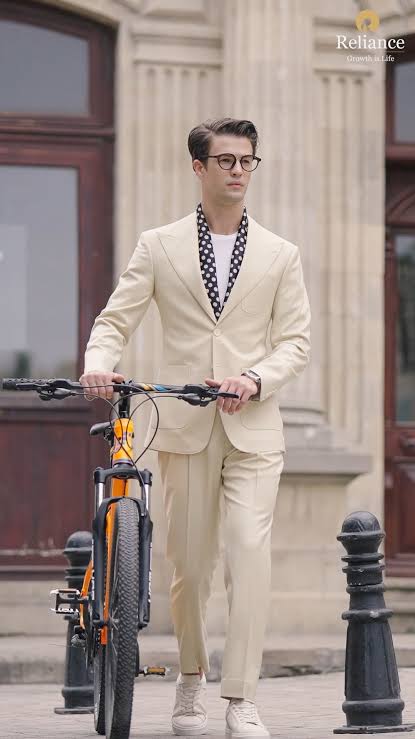
The Executive Style Code: A Career Guide to Suits, Briefcases, and Sophisticated Eyewear
In the modern workplace, professional style is about much more than wearing expensive clothes.The strongest business wardrobe communicates something before you say...

Street-Cool Style: How to Make Motorcycle Jackets, Belt Bags, and Futuristic Sunglasses Stand Out
Street fashion has never been about following every rule.It is about knowing which rules to break.A motorcycle jacket, a compact belt bag,...

The Art of Color Coordination: How to Match Your Bag With Your Eyeglass Frames for an Effortlessly Sophisticated Look
Fashion is often about the little details.A beautifully tailored outfit can look polished, yet something may still feel incomplete. The reason is...
Dating Night Style Secrets: The Perfect Collision of an Elegant Cocktail Dress, a Chain Evening Bag, and Sophisticated Semi-Rimless Glasses
Dating night is about more than choosing an outfit. It is about creating an impression without looking like you tried too hard....
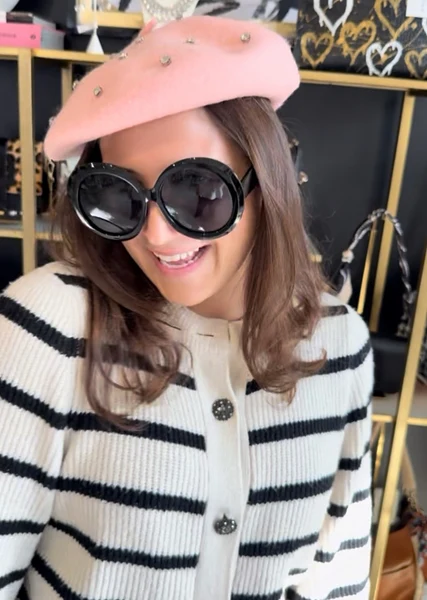
Effortless French Elegance: The Perfect Pairing of Knitwear, Tote Bags, and Cat-Eye Glasses
There is something undeniably captivating about French style.It is polished without looking overly polished, feminine without being overly delicate, and comfortable without...
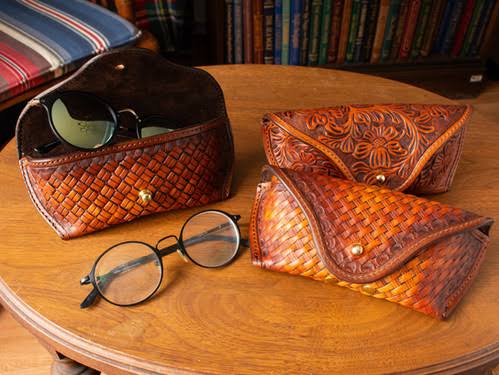
A Cross-Textural Conversation: The Tactile Collision of Leather Bags, Tweed Clothing, and Wood-Frame Eyewear
Introduction: When Materials Become the Main CharacterFashion is often discussed in terms of color, silhouette, trend, and season. Yet some of the...
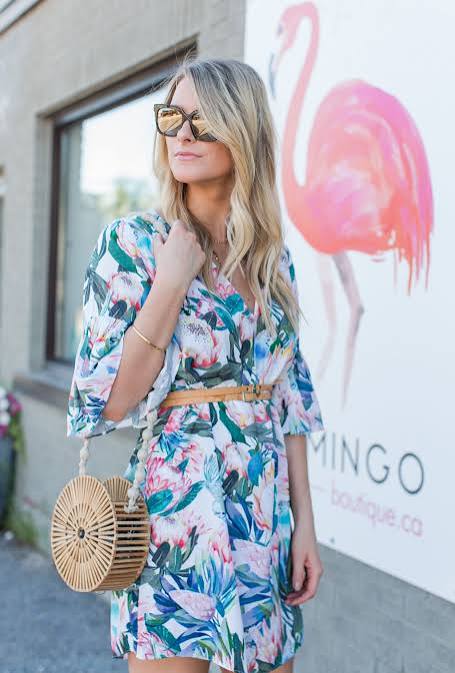
The Ultimate Guide to Vacation-Style Outfits: Floral Dresses, Straw Bags, and Round Sunglasses for Summer
Summer is the season of relaxed mornings, warm afternoons, outdoor dinners, weekend getaways, and long-awaited vacations. It is also the perfect time...
The Romance of Earth Tones in Fall: The Color Aesthetics of Trench Coats, Saddle Bags, and Tea-Tinted Sunglasses
Introduction: Falling in Love With the Colors of AutumnThere is something irresistibly romantic about autumn fashion.As summer fades, bright colors gradually give...
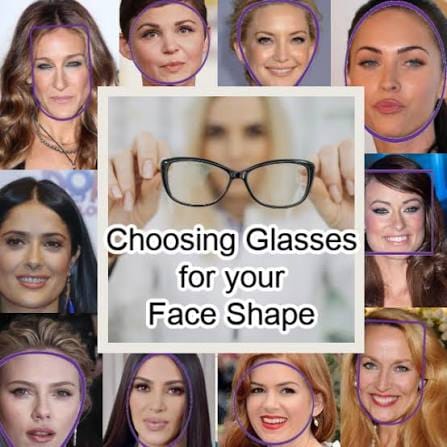
Best Glasses for Your Face Shape: Round, Square, Oval & More
Introduction: The Right Glasses Can Transform Your Entire AppearanceChoosing a pair of glasses is about much more than simply correcting your vision....