
How to Tell If Your Glasses Need Professional Realignment and Adjustment
A good pair of glasses should feel comfortable, provide clear vision, and fit securely throughout the day. But over time, even high-quality eyeglasses can slowly lose their proper alignment.
Frames bend.
Nose pads shift.
Temples loosen.
Lenses become misaligned.
And many people don’t realize that small changes in frame positioning can significantly affect both comfort and vision quality.
If your glasses suddenly feel uncomfortable, slide down your nose, leave pressure marks, sit unevenly on your face, or cause headaches, your eyewear may need professional realignment.
Unfortunately, many glasses wearers ignore these warning signs or attempt risky DIY fixes at home. Improper adjustments can damage frames, weaken hinges, scratch lenses, or even worsen visual alignment.
In this guide, we’ll explain how to tell whether your glasses need professional adjustment, why proper alignment matters, what causes glasses to shift over time, and when it’s best to visit an optical shop for expert recalibration.
Whether you wear prescription eyeglasses, blue-light glasses, progressive lenses, reading glasses, or designer frames, maintaining proper fit is essential for long-term comfort and visual performance.

Why Proper Glasses Alignment Matters
Many people assume that glasses only need to “look straight.”
But proper eyewear alignment affects far more than appearance.
A poorly fitted pair of glasses can impact:
- Vision clarity
- Eye comfort
- Lens performance
- Facial pressure distribution
- Posture
- Headaches and eye strain
- Long-term frame durability
Even minor frame distortions can change how lenses align with your eyes.
This is especially important for:
- Progressive lenses
- High-prescription lenses
- Prism corrections
- Multifocal glasses
- Astigmatism correction
Precision matters.
Common Signs Your Glasses Need Professional Adjustment
Many eyewear problems develop gradually.
Here are the most common signs your glasses may need professional recalibration.
1. Your Glasses Constantly Slide Down Your Nose
This is one of the most obvious indicators.
If your glasses repeatedly slide forward throughout the day, several issues may be responsible:
- Loose temples
- Widened frame arms
- Misaligned nose pads
- Improper frame curvature
- Warped frame structure
Sliding glasses are more than just annoying.
They force your eyes to constantly readjust focus, especially with progressive or multifocal lenses.
Frequent repositioning also creates unnecessary facial pressure.
Professional adjustments can restore proper grip and balance.
2. Your Glasses Sit Crooked on Your Face
Do your glasses appear uneven when you look in the mirror?
One side may sit higher than the other.
Common causes include:
- Bent temples
- Warped hinges
- Uneven nose pads
- Twisted frame fronts
Crooked glasses can shift lens positioning away from your optical center.
This may contribute to:
- Blurred vision
- Eye strain
- Uneven pressure
- Facial discomfort
A professional optical adjustment helps restore symmetry.
3. You Feel Pressure Behind Your Ears
Glasses should fit securely without causing pain.
If you experience soreness behind your ears, the temples may be too tight.
Possible causes include:
- Overly curved temple arms
- Improper temple angle
- Incorrect frame width
- Tight hinge tension
Long-term pressure can cause:
- Skin irritation
- Headaches
- Discomfort during prolonged wear
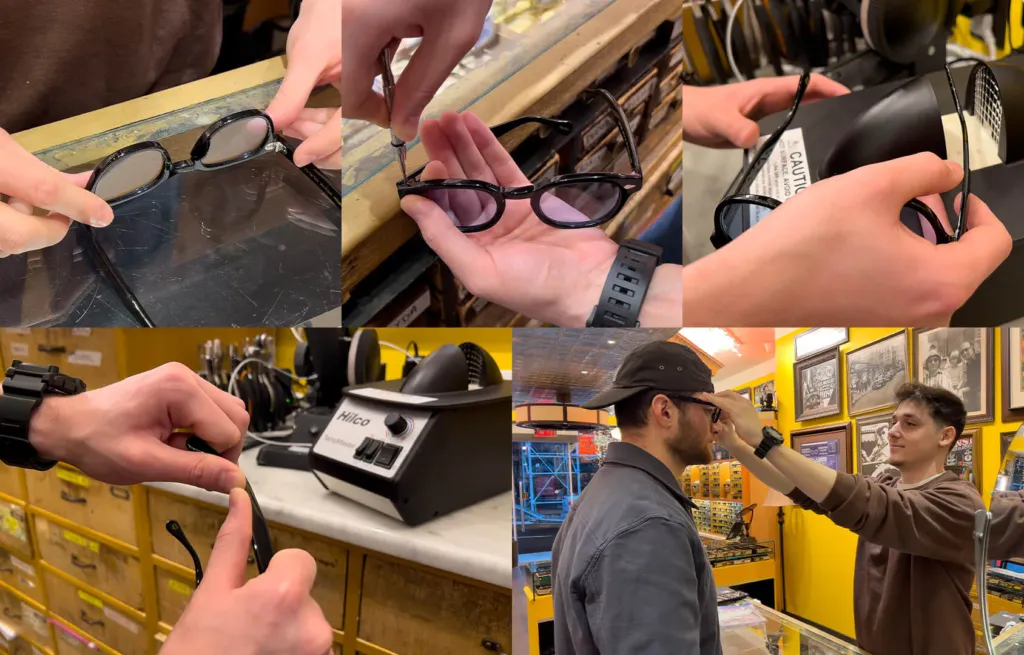
Opticians can reshape temple arms safely using specialized tools and heat-adjustment techniques.
4. Nose Pads Leave Deep Marks or Pain
Nose discomfort is extremely common.
Signs include:
- Red marks
- Skin irritation
- Pressure pain
- Indentations on the bridge of the nose
Poor weight distribution often causes these issues.
Contributing factors may include:
- Uneven nose pads
- Incorrect pad angle
- Heavy lenses
- Improper bridge fit
Professional adjustment can redistribute frame weight more evenly.
5. Your Vision Suddenly Feels “Off”
Many people assume vision changes always mean they need a new prescription.
Sometimes the problem is actually frame misalignment.
Even small shifts can alter lens positioning.
This is especially noticeable with:
- Progressive lenses
- Multifocal lenses
- Strong prescriptions
- Astigmatism correction
Symptoms may include:
- Blurry spots
- Difficulty focusing
- Distorted peripheral vision
- Headaches
- Eye fatigue
Before replacing lenses, it’s worth checking whether the frame alignment has changed.
6. One Lens Sits Closer to Your Eye Than the Other
Proper lens distance matters.
If one lens sits closer to the eye than the other, optical performance may suffer.
This issue often results from:
- Frame twisting
- Bent bridge areas
- Uneven temples
An optician can measure and restore proper vertex distance and lens positioning.
7. Your Glasses Feel Loose After Long-Term Use
Daily wear naturally loosens frames over time.
Repeated opening and closing of temples slowly affects:
- Hinges
- Screws
- Temple tension
- Structural alignment
Loose glasses may:
- Shift constantly
- Fall off easily
- Move during physical activity
- Sit improperly during reading
Routine adjustments help maintain stability.
8. Headaches Develop During Glasses Wear
Poorly aligned glasses can contribute to headaches.
This happens because your eyes work harder to compensate for lens misalignment.
Potential triggers include:
- Incorrect optical center alignment
- Uneven lens height
- Progressive lens displacement
- Pressure points around temples
Persistent discomfort should never be ignored.
9. Your Frames Were Accidentally Bent or Dropped
Even durable eyewear can shift after accidents.
Common situations include:
- Sitting on glasses
- Dropping them
- Sports impacts
- Travel pressure inside bags
- Children handling frames
Damage is not always obvious.
Frames may appear “almost normal” while still causing optical alignment problems.
Professional inspection is recommended after physical impacts.
10. Your Glasses Keep Touching Your Eyelashes
If your eyelashes constantly brush against lenses, your glasses may sit too close to your face.
This can happen because of:
- Nose pad misalignment
- Incorrect pantoscopic tilt
- Warped bridge areas
Besides discomfort, eyelash contact can leave oils and smudges on lenses.
What Causes Glasses to Lose Alignment?
Eyewear experiences constant stress during everyday use.
Several factors gradually affect frame structure.
Daily Wear and Tear
Simply putting glasses on and taking them off repeatedly creates stress.
Over time:
- Hinges loosen
- Temple arms widen
- Screws shift
- Frames bend slightly
Even premium eyewear requires maintenance eventually.
Heat Exposure
Heat is a major cause of frame distortion.
Common heat-related risks include:
- Leaving glasses inside hot cars
- Using hot water improperly
- Extended sun exposure
- Placing glasses near heaters
Many frame materials soften under heat.
Warping may affect both comfort and lens alignment.
Improper Handling Habits
Many people unintentionally damage frame alignment through poor handling.
Examples include:
- Removing glasses with one hand
- Tossing glasses onto surfaces
- Carrying glasses without a case
- Sleeping while wearing glasses
Using both hands when removing eyewear helps maintain symmetry.
Facial Changes and Fit Shifts
Your face naturally changes over time.
Weight fluctuations, aging, and skin changes can affect how glasses fit.
Frames that once fit perfectly may eventually require recalibration.
Material Fatigue
Different frame materials age differently.
Metal frames may:
- Bend
- Loosen
- Lose tension
Plastic frames may:
- Warp
- Expand under heat
- Lose structural rigidity
Routine maintenance extends lifespan.
Why DIY Glasses Adjustments Can Be Risky
Online tutorials often encourage home adjustments.
While minor cleaning and screw tightening can sometimes be safe, aggressive DIY frame bending carries risks.
Risk of Breaking Frames
Eyewear materials can crack unexpectedly.
Plastic frames especially become fragile with age.
Improper bending may cause:
- Temple snapping
- Bridge fractures
- Hinge damage
Lens Misalignment Problems
Improper adjustments can shift:
- Optical center positioning
- Lens tilt
- Pupillary alignment
This may worsen visual comfort.
Damage to Lens Coatings
Home tools may scratch:
- Anti-reflective coatings
- Blue-light filters
- Polarized surfaces
- Prescription lenses
Professional optical tools are safer.
Heat Damage Risks
Some people attempt to reshape frames using boiling water or hair dryers.
Excessive heat can:
- Warp frames permanently
- Damage lens coatings
- Distort lens curvature
Professional opticians use controlled heating equipment.
What Happens During a Professional Glasses Adjustment?
Many people are surprised by how detailed professional eyewear fitting can be.
Opticians evaluate multiple alignment factors.
Frame Symmetry
The optician checks:
- Temple alignment
- Bridge straightness
- Lens positioning
- Frame balance
Precise symmetry improves comfort and optical accuracy.
Nose Pad Calibration
Nose pads may be adjusted for:
- Height
- Width
- Angle
- Pressure distribution
Small changes can dramatically improve comfort.
Temple Adjustment
Temple arms are adjusted to:
- Improve grip
- Reduce pressure
- Improve ear alignment
- Prevent sliding
The goal is secure but comfortable wear.
Lens Alignment Checks
Opticians verify whether lenses align correctly with:
- Pupils
- Facial angles
- Prescription centers
This is especially important for progressive lenses.
Screw Tightening and Maintenance
Routine maintenance often includes:
- Screw tightening
- Hinge inspection
- Cleaning
- Minor repairs
These small services help extend frame life.
How Often Should Glasses Be Professionally Adjusted?
Adjustment frequency depends on:
- Wear habits
- Frame material
- Activity level
- Prescription type
However, many eyewear professionals recommend adjustments:
- Every few months
- After accidental bending
- Whenever discomfort develops
- When glasses begin sliding
- After lens replacements
Routine maintenance prevents larger issues later.
Signs You Need Immediate Professional Help
Some eyewear problems should not be ignored.
Seek professional adjustment promptly if:
- Vision suddenly becomes distorted
- Frames feel significantly uneven
- Glasses no longer stay on your face
- Nose pain becomes severe
- Headaches increase during wear
- Hinges become unstable
- Lenses appear misaligned
Delaying adjustments may worsen discomfort.
Progressive Lenses Require Especially Accurate Alignment
Progressive lenses are highly sensitive to frame positioning.
Small shifts can affect:
- Reading zones
- Intermediate vision
- Distance clarity
- Peripheral distortion
Symptoms of poor progressive alignment include:
- Neck strain
- Difficulty reading
- Dizziness
- “Swimming” visual effects
Professional fitting is critical for progressive wearers.
Children’s Glasses Need Frequent Adjustment
Children are especially rough on eyewear.
Their glasses often experience:
- Bending
- Dropping
- Twisting
- Playground impacts
Children’s faces also grow rapidly.
Frequent professional adjustments help maintain:
- Proper vision correction
- Comfort
- Secure fit
- Eye development support
Athletes and Active Wearers Need More Frequent Calibration
Sports and physical activity increase stress on eyewear.
Active users may experience:
- Repeated shifting
- Sweat-related slipping
- Impact bending
- Loosened frames
Regular adjustments improve stability during movement.
Seasonal Changes Can Affect Glasses Fit
Temperature and humidity can affect certain frame materials.
Summer heat may soften plastic frames.
Cold weather can make some materials more rigid and brittle.
Seasonal changes may subtly alter fit.
The Importance of Proper Pupillary Alignment
Your lenses are designed around your specific pupillary distance.
If frame positioning changes, optical alignment may shift.
This can contribute to:
- Eye fatigue
- Double vision sensations
- Focusing problems
- Reduced lens effectiveness
Accurate alignment improves visual comfort.
How Properly Adjusted Glasses Improve Daily Life
Many people underestimate how much properly fitted eyewear improves overall comfort.
Well-adjusted glasses help provide:
- Better visual clarity
- Reduced headaches
- Improved posture
- More stable reading
- Better driving comfort
- Less eye fatigue
- Greater all-day wearability
Small adjustments often create noticeable improvements.
Tips for Maintaining Proper Glasses Alignment
Although professional adjustments are important, good daily habits help preserve frame condition.
Use Both Hands
Always remove glasses with both hands.
This reduces uneven stress.
Store Glasses Properly
Use a protective case whenever possible.
Avoid placing glasses:
- Face-down
- Loose inside bags
- Near heat sources
Clean Lenses Carefully
Use microfiber cloths and lens-safe cleaners.
Avoid harsh chemicals.
Don’t Wear Glasses on Your Head
Placing glasses on top of your head stretches temples over time.
This contributes to looseness.
Schedule Routine Optical Checkups
Routine adjustments help prevent small issues from becoming major problems.
Many optical shops provide basic adjustments quickly and affordably.
Choosing the Right Optical Professional
Professional adjustments work best when performed by experienced optical technicians.
Look for providers with:
- Professional fitting experience
- Quality adjustment tools
- Knowledge of lens alignment
- Experience with premium frames
- Understanding of progressive lenses
Skilled adjustments protect both comfort and vision quality.
Final Thoughts
Your glasses are precision optical devices, not just fashion accessories.
Even small alignment changes can affect:
- Comfort
- Vision clarity
- Lens performance
- Daily wear experience
If your glasses:
- Slide constantly
- Sit unevenly
- Cause headaches
- Leave pressure marks
- Feel uncomfortable
- Affect visual clarity
it may be time for professional realignment.
Instead of risking damage through aggressive DIY fixes, visiting an experienced optical professional can help restore proper fit safely and accurately.
Routine adjustments not only improve comfort but also extend the lifespan of your eyewear and help ensure your prescription performs as intended.
Whether you wear glasses occasionally or rely on them all day every day, proper alignment matters far more than many people realize.
A professionally adjusted pair of glasses should feel natural, balanced, secure, and visually effortless.
When your eyewear fits correctly, you notice the world more — and your glasses less.
Share this post
How Should Your Glasses Fit for Comfort and Style?
Choosing the right pair of eyeglasses is about more than finding a frame design you like. A properly fitted pair of glasses...
How to Install and Remove the Top Frame
How to Install Your XCombo TopperCheck Left & RightMake sure each topper is on the correct side.Attach at the Nose BridgeAlign the...
Say Goodbye to an Awkward Look: How to Choose the Right Eyeglasses Based on Your Body Proportions and Bag Size
Eyeglasses are more than a vision-correction tool. They are also an important fashion accessory that can influence the balance, proportion, and overall...
Say Goodbye to Awkward Proportions: How to Choose the Right Glasses for Your Body Shape and Bag Size
Accessories can transform an ordinary outfit into a polished, thoughtfully coordinated look. A beautiful handbag adds personality, while the right pair of...

2026 Spring/Summer Fashion Trends: When Retro Small-Frame Glasses Meet the Underarm Bag
Fashion has always had a talent for bringing the past back in unexpected ways.A silhouette that once belonged to another decade can...
Soft Aesthetics for Girls with Square Faces: How Rounded Handbags and Gentle Eyeglass Frames Soften Facial Lines
A square face can be striking, elegant, and full of character. Defined by a broader forehead, a relatively straight jawline, and noticeable...
How to Buy Prescription Glasses Online on XCombo
Looking to buy glasses online? XCombo makes it easy to get stylish, high-quality glasses tailored to your prescription. Follow this simple step-by-step...

The Executive Style Code: A Career Guide to Suits, Briefcases, and Sophisticated Eyewear
In the modern workplace, professional style is about much more than wearing expensive clothes.The strongest business wardrobe communicates something before you say...
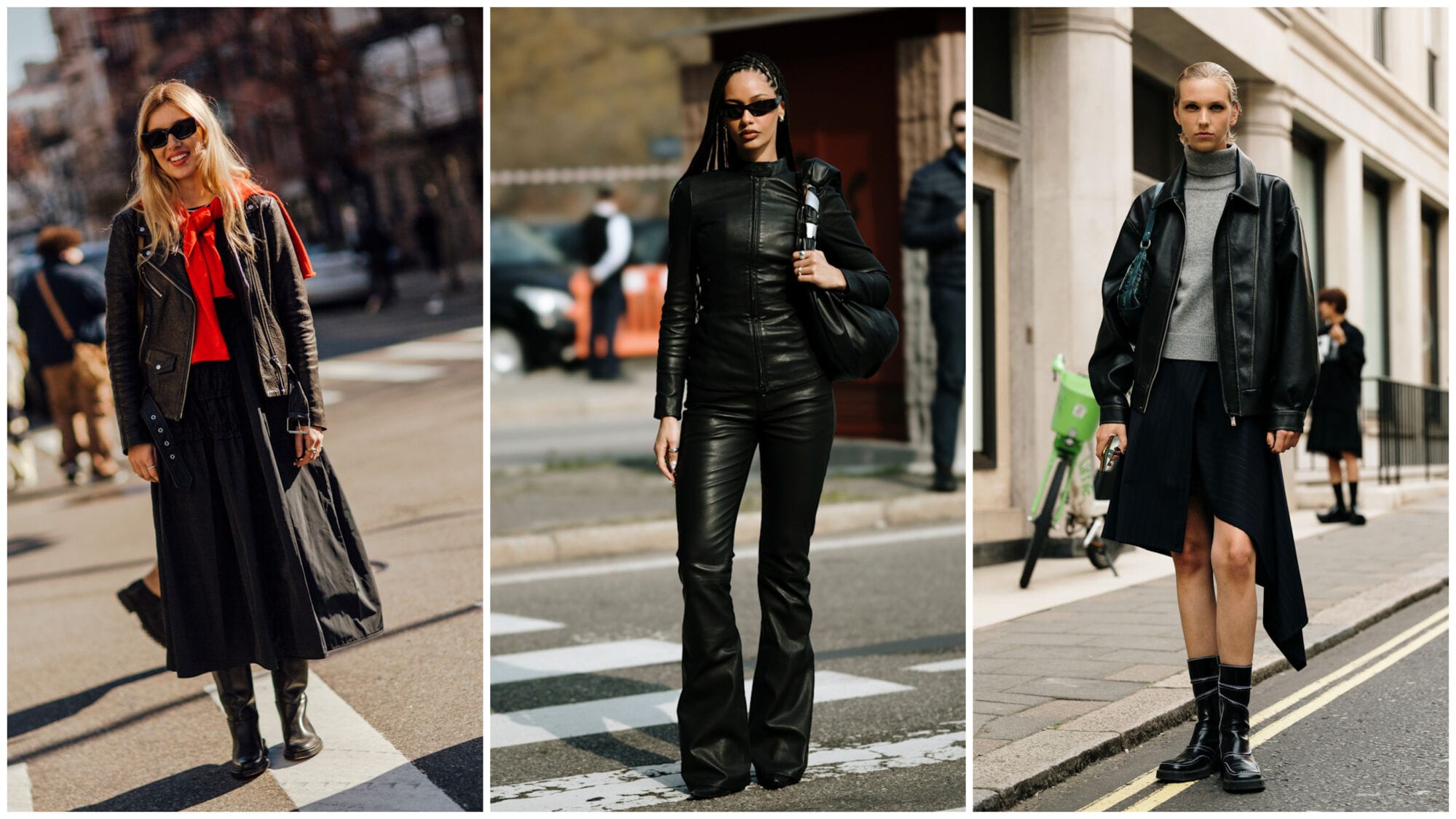
Street-Cool Style: How to Make Motorcycle Jackets, Belt Bags, and Futuristic Sunglasses Stand Out
Street fashion has never been about following every rule.It is about knowing which rules to break.A motorcycle jacket, a compact belt bag,...

The Art of Color Coordination: How to Match Your Bag With Your Eyeglass Frames for an Effortlessly Sophisticated Look
Fashion is often about the little details.A beautifully tailored outfit can look polished, yet something may still feel incomplete. The reason is...
Dating Night Style Secrets: The Perfect Collision of an Elegant Cocktail Dress, a Chain Evening Bag, and Sophisticated Semi-Rimless Glasses
Dating night is about more than choosing an outfit. It is about creating an impression without looking like you tried too hard....
Effortless French Elegance: The Perfect Pairing of Knitwear, Tote Bags, and Cat-Eye Glasses
There is something undeniably captivating about French style.It is polished without looking overly polished, feminine without being overly delicate, and comfortable without...