
Living a Multifaceted Life: How Custom Modular Eyewear Defines Your Personal Identity
Yet for years, eyewear has tried to force all these identities into one fixed frame.
In a world where people change roles, moods, and environments constantly, traditional glasses feel outdated. They assume your personality is static. Your life is not.
That’s why custom modular eyewear—also known as combination or interchangeable glasses—is no longer just a product trend. It’s a reflection of how modern individuals live, think, and express themselves.
This article explores how modular eyewear goes beyond vision correction to become a powerful tool for personal branding, identity signaling, and self-definition in a multifaceted life.
1. The End of the “One-Frame-for-Everything” Era
For decades, eyewear followed a simple rule:
One pair of glasses should do it all.
But let’s be honest—it never really worked.
The same frame that looks sharp in a boardroom may feel stiff at a café.
The glasses that match your work attire might clash with your weekend style.
And a single lens can’t adapt to indoor screens, outdoor sunlight, night driving, and fashion moods all at once.
Modern life is layered. Static eyewear isn’t.
2. Identity Is No Longer Singular—Why Should Your Glasses Be?
Today’s consumers don’t define themselves with one label.
You might be:
- A founder and a parent
- A designer and a fitness enthusiast
- A minimalist during the week and expressive on weekends
Your identity shifts by context—and that’s not inconsistency. That’s range.
Custom modular eyewear embraces this reality by allowing you to switch frames, lenses, and styles without replacing the entire pair.
One base. Multiple expressions.
3. What Is Custom Modular Eyewear, Really?
At its core, modular eyewear is built around interchangeability.
Instead of buying multiple complete glasses, you customize:
- Base frame
- Clip-on or magnetic lenses
- Top frames or overlays
- Color, texture, and finish elements
Each combination communicates a different visual message—instantly.
It’s eyewear designed for people who refuse to be boxed in.
4. Eyewear as a Personal Label, Not Just an Accessory
Think about how quickly we judge impressions:
- Clothing
- Posture
- Voice
- And yes—glasses
Eyewear sits at the center of the face. It frames how people perceive you before you speak.
Custom modular glasses allow you to control that narrative.
They don’t just match outfits—they reinforce identity.
5. One Person, Many Roles: How Modular Glasses Adapt
The Professional Mode
Clean lines. Neutral colors. Minimalist frames.
Signals: credibility, focus, authority.
The Creative Mode
Bold overlays. Unique textures. Color accents.
Signals: originality, openness, personality.
The Outdoor Mode
Polarized or UV lenses. Sporty tops. Lightweight feel.
Signals: activity, confidence, freedom.
The Social Mode
Fashion-forward frames. Statement colors. Playful details.
Signals: approachability, style, self-awareness.
Same person. Different moments. Seamless transitions.
6. The Psychology Behind Customization and Identity
Customization isn’t about vanity—it’s about control.
Psychologically, people feel more connected to products they help design. Modular eyewear turns consumers into co-creators, not passive buyers.
When you choose:
- Frame shape
- Lens function
- Color palette
You’re not just buying glasses—you’re curating a visual identity.
That sense of ownership translates into confidence.
7. Why “One Pair = One Personality” No Longer Makes Sense
The traditional eyewear model assumes:
- You have one style
- One environment
- One functional need
But modern users juggle:
- Screens + sunlight
- Work + leisure
- Fashion + health
- Formal + casual
Modular eyewear acknowledges complexity instead of ignoring it.
8. Fashion Meets Function: No More Compromises
In the past, people chose between:
- Stylish glasses that lacked function
- Functional glasses that lacked style
Modular systems remove that trade-off.
You can pair:
- Blue-light lenses with sleek office frames
- Polarized lenses with fashion-forward overlays
- Reading lenses with minimalist aesthetics
Function adapts without sacrificing appearance.
9. Personal Branding in the Age of Visual First Impressions
Social media, video calls, and content creation have amplified the importance of visual consistency.
Your glasses are part of your brand—whether you realize it or not.
Custom modular eyewear allows you to:
- Maintain a recognizable base look
- Introduce variation without losing identity
- Stay visually fresh across platforms
It’s subtle, but powerful.

10. Sustainability: Fewer Products, More Possibilities
Modular eyewear is not just expressive—it’s responsible.
Instead of buying:
- 4 full pairs of glasses
You invest in:
- 1 base frame
- Multiple interchangeable elements
This reduces:
- Material waste
- Overproduction
- Disposable fashion habits
Sustainability becomes a natural byproduct of smart design.
11. The Rise of “Situational Style”
Modern style is situational, not fixed.
People dress for:
- Meetings
- Travel
- Work-from-home
- Social events
- Outdoor activities
Modular eyewear fits seamlessly into this mindset. You don’t change who you are—you adapt how you present yourself.
12. Why Younger Generations Are Driving the Shift
Millennials and Gen Z value:
- Individuality
- Flexibility
- Purpose-driven purchases
- Personal storytelling
They don’t want mass-produced sameness.
They want products that evolve with them.
Modular eyewear speaks their language.
13. Glasses as Emotional Objects, Not Just Tools
Think about the glasses you love most.
It’s rarely just about vision.
It’s about:
- How you feel wearing them
- What they say about you
- The version of yourself they unlock
Customization deepens emotional attachment—and emotional attachment drives loyalty.
14. From Accessory to Identity System
Traditional glasses = static accessory
Modular glasses = dynamic system
They don’t just sit on your face. They interact with your lifestyle.
This shift mirrors broader trends in:
- Modular furniture
- Custom sneakers
- Configurable tech
- Personalized digital experiences
Eyewear is catching up.
15. Breaking the Fear of Standing Out
Many people play it safe with glasses:
- Neutral
- Inoffensive
- Forgettable
Modular design lowers the risk of experimentation.
You can:
- Try bold looks temporarily
- Switch back instantly
- Explore identity without commitment
That freedom encourages self-expression.
16. One Base Frame, Infinite Stories
Your base frame becomes your signature.
Your interchangeable elements become:
- Chapters
- Moods
- Contexts
It’s not about owning more—it’s about expressing more.
17. The Social Signal of Intentional Design
People notice when style looks intentional.
Modular eyewear sends a subtle message:
“I think about how I present myself.”
Not in a flashy way—but in a confident, considered one.
18. The Future of Eyewear Is Not Static
As technology and lifestyles evolve, eyewear must evolve too.
The future points toward:
- Personalization
- Adaptability
- Multi-functionality
- Identity-aware design
Modular eyewear isn’t a trend—it’s a response to reality.
Conclusion: You Are More Than One Version—Your Glasses Should Be Too
You don’t live a single-track life.
You don’t express a single mood.
You don’t fit into a single box.
Why should your glasses?
Custom modular eyewear empowers you to reflect the full spectrum of who you are—without compromise, without excess, without limitation.
Because identity isn’t fixed.
It’s layered, contextual, and evolving.
And finally, eyewear is catching up.
Share this post
2026 Spring/Summer Fashion Trends: When Retro Small-Frame Glasses Meet the Underarm Bag
Fashion has always had a talent for bringing the past back in unexpected ways.A silhouette that once belonged to another decade can...
Soft Aesthetics for Girls with Square Faces: How Rounded Handbags and Gentle Eyeglass Frames Soften Facial Lines
A square face can be striking, elegant, and full of character. Defined by a broader forehead, a relatively straight jawline, and noticeable...
How to Buy Prescription Glasses Online on XCombo
Looking to buy glasses online? XCombo makes it easy to get stylish, high-quality glasses tailored to your prescription. Follow this simple step-by-step...
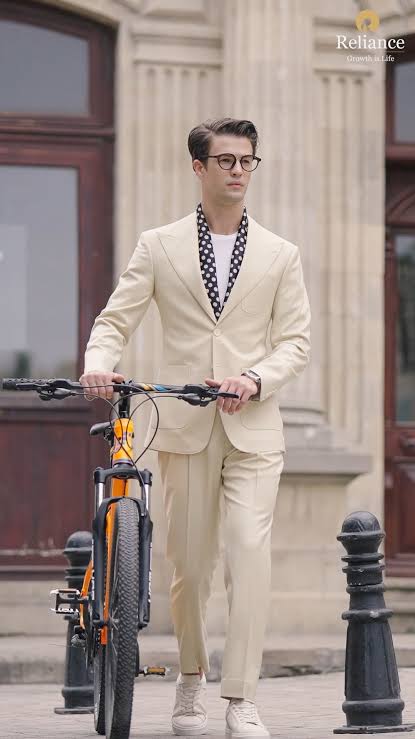
The Executive Style Code: A Career Guide to Suits, Briefcases, and Sophisticated Eyewear
In the modern workplace, professional style is about much more than wearing expensive clothes.The strongest business wardrobe communicates something before you say...
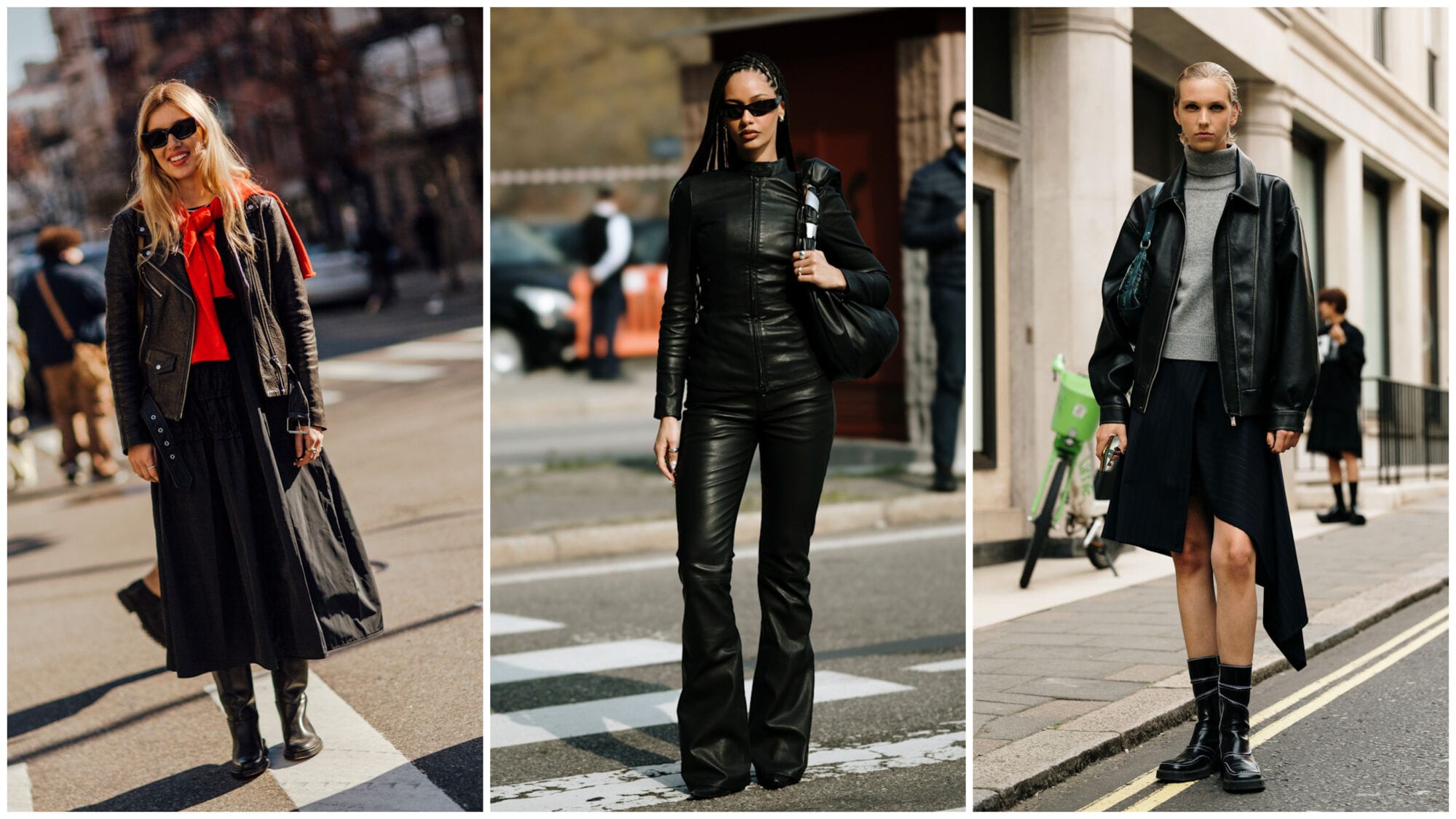
Street-Cool Style: How to Make Motorcycle Jackets, Belt Bags, and Futuristic Sunglasses Stand Out
Street fashion has never been about following every rule.It is about knowing which rules to break.A motorcycle jacket, a compact belt bag,...
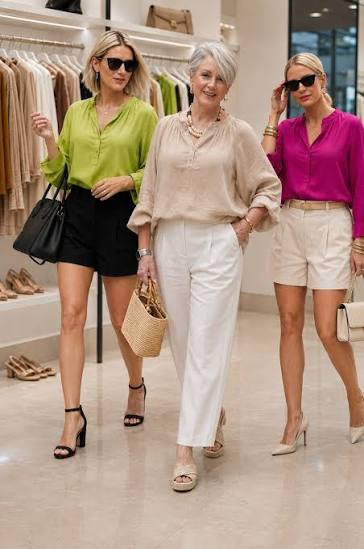
The Art of Color Coordination: How to Match Your Bag With Your Eyeglass Frames for an Effortlessly Sophisticated Look
Fashion is often about the little details.A beautifully tailored outfit can look polished, yet something may still feel incomplete. The reason is...
Dating Night Style Secrets: The Perfect Collision of an Elegant Cocktail Dress, a Chain Evening Bag, and Sophisticated Semi-Rimless Glasses
Dating night is about more than choosing an outfit. It is about creating an impression without looking like you tried too hard....
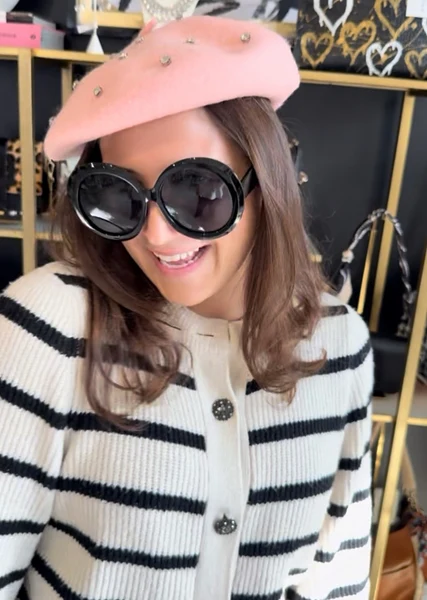
Effortless French Elegance: The Perfect Pairing of Knitwear, Tote Bags, and Cat-Eye Glasses
There is something undeniably captivating about French style.It is polished without looking overly polished, feminine without being overly delicate, and comfortable without...
A Cross-Textural Conversation: The Tactile Collision of Leather Bags, Tweed Clothing, and Wood-Frame Eyewear
Introduction: When Materials Become the Main CharacterFashion is often discussed in terms of color, silhouette, trend, and season. Yet some of the...
The Ultimate Guide to Vacation-Style Outfits: Floral Dresses, Straw Bags, and Round Sunglasses for Summer
Summer is the season of relaxed mornings, warm afternoons, outdoor dinners, weekend getaways, and long-awaited vacations. It is also the perfect time...
The Romance of Earth Tones in Fall: The Color Aesthetics of Trench Coats, Saddle Bags, and Tea-Tinted Sunglasses
Introduction: Falling in Love With the Colors of AutumnThere is something irresistibly romantic about autumn fashion.As summer fades, bright colors gradually give...
Best Glasses for Your Face Shape: Round, Square, Oval & More
Introduction: The Right Glasses Can Transform Your Entire AppearanceChoosing a pair of glasses is about much more than simply correcting your vision....