
The Battle Between Glasses and Skin Tone: How to Choose Frame Colors That Brighten Your Look
Choosing the right pair of glasses is about much more than finding a frame that fits your face. While size, shape, and comfort are important, one of the most overlooked factors is color.
The right frame color can instantly make your complexion look brighter, healthier, and more energetic. The wrong color, however, may make your skin appear dull, tired, or uneven.
This is why choosing glasses is often a subtle balance between your frames and your natural skin tone. The perfect color does not simply match your face—it enhances it.
Whether you are shopping for prescription glasses, blue light glasses, sunglasses, or fashion frames, understanding how frame colors interact with your complexion can help you make a smarter choice.
In this guide, we will explore how to identify your skin undertone, choose flattering frame colors, avoid common mistakes, and create a polished look that makes your face appear brighter and more balanced.
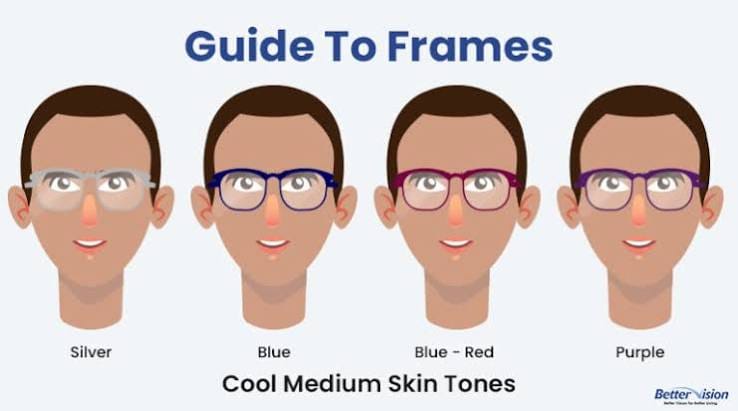
Why Frame Color Matters More Than You Think
Many people choose glasses based only on frame shape.
They ask:
"Do these glasses look stylish?"
"Do they match current trends?"
"Do they fit my face shape?"
These questions matter, but color plays an equally important role.
Glasses sit directly in the center of your face. Because of their location, the frame color strongly affects how people perceive:
- Skin brightness
- Facial contrast
- Eye area appearance
- Overall style
- Personal expression
A carefully selected frame color can:
- Make your complexion appear clearer
- Highlight your eyes
- Add warmth to your face
- Create a more youthful appearance
- Improve your overall fashion style
The goal is not to find the most popular color. The goal is to find the color that works with your natural features.
Understanding Skin Tone vs. Skin Undertone
Before choosing frame colors, it helps to understand an important difference:
Skin tone refers to the surface color of your skin.
Examples:
- Fair
- Light
- Medium
- Tan
- Deep
Skin undertone refers to the subtle color beneath the surface.
Common undertones include:
- Cool
- Warm
- Neutral
Your undertone usually has a greater influence on which frame colors look most flattering.
How to Identify Your Skin Undertone
You do not need professional tools to determine your undertone.
Try these simple methods.
Check Your Veins
Look at the veins on your wrist in natural lighting.
If they appear:
Blue or purple:
You may have a cool undertone.
Green:
You may have a warm undertone.
A mix of both:
You may have a neutral undertone.
Consider Jewelry Preferences
Think about which metals usually look better on you.
Silver jewelry often complements:
- Cool undertones
Gold jewelry often complements:
- Warm undertones
Both may work well for:
- Neutral undertones
Observe How Your Skin Reacts to Sunlight
People with cool undertones often:
- Burn more easily
- Develop pink or reddish tones
People with warm undertones often:
- Tan more easily
- Develop golden tones
This is not a perfect test, but it can provide clues.
Best Glasses Colors for Cool Skin Tones
Cool undertones often have hints of:
- Pink
- Red
- Blue
- Cool beige
The most flattering frame colors usually include cooler shades.
Black Frames
Black is a classic choice.
Benefits:
- Creates contrast
- Looks sophisticated
- Works well with many styles
However, very harsh black frames may feel too strong on extremely fair skin.
A softer black or charcoal option may create a more balanced appearance.
Silver Frames
Silver metal frames naturally complement cool undertones.
They create:
- A clean appearance
- A modern feeling
- A lightweight visual effect
Blue Frames
Blue frames can enhance cool complexions.
Popular choices include:
- Navy
- Deep blue
- Transparent blue
They often create a fresh and polished look.
Gray Frames
Gray provides elegance without overwhelming the face.
It works especially well for:
- Professional styles
- Minimalist looks
- Everyday glasses
Purple and Berry Tones
Cool-toned colors such as:
- Plum
- Lavender
- Burgundy
can add personality while maintaining harmony.
Best Glasses Colors for Warm Skin Tones
Warm undertones usually contain hints of:
- Gold
- Peach
- Yellow
- Olive
Warm frame colors tend to enhance natural glow.
Brown Frames
Brown is one of the most versatile choices for warm skin tones.
Options include:
- Chocolate brown
- Coffee brown
- Tortoiseshell patterns
These colors create a natural and comfortable appearance.
Gold Frames
Gold frames can enhance warm undertones beautifully.
They add:
- Warmth
- Luxury
- Brightness
Thin gold metal frames are especially popular for elegant everyday styles.
Beige and Champagne Frames
Soft neutral colors can create a gentle, refined appearance.
They are ideal for people who prefer:
- Minimalist fashion
- Natural makeup styles
- Soft aesthetics
Green Frames
Warm undertones often look great with:
- Olive green
- Forest green
- Moss green
These shades create a sophisticated contrast.
Orange and Amber Shades
For those who enjoy bold fashion choices:
- Amber
- Honey
- Caramel
can add warmth and energy.

Best Glasses Colors for Neutral Skin Tones
Neutral undertones have the advantage of flexibility.
Many colors can work well, including:
- Black
- Brown
- Gold
- Silver
- Clear frames
- Blue
- Green
- Burgundy
The key is choosing based on your personal style and desired effect.
Neutral skin tones often allow more experimentation.
How to Choose Frames That Make Skin Look Brighter
If your goal is to look more refreshed and radiant, consider these principles.
Choose Colors With the Right Contrast
Contrast creates visual balance.
For example:
Very light skin:
May benefit from medium or darker frames.
Medium skin:
Can usually handle a wider range.
Deep skin:
Often looks striking with strong colors and clear contrast.
Avoid Colors That Blend Too Closely
A frame that is too similar to your skin tone may reduce definition.
For example:
Very pale beige frames on very fair skin may make the face appear less lively.
Instead, choose a slightly different shade or add contrast.
Consider Transparent Frames
Clear and translucent frames have become increasingly popular.
They offer:
- A lightweight appearance
- A modern style
- Less visual heaviness
Popular options include:
- Crystal clear
- Champagne
- Gray transparent
- Light brown
Popular Frame Colors and Their Effects
Black
Creates:
- Confidence
- Professional style
- Strong contrast
Best for:
- Minimalist fashion
- Business looks
Tortoiseshell
Creates:
- Warmth
- Intelligence
- Classic elegance
Works with many skin tones.
Transparent Crystal
Creates:
- Softness
- Modern style
- A youthful appearance
Gold
Creates:
- Luxury
- Warmth
- Sophistication
Silver
Creates:
- Clean style
- Contemporary feeling
Red and Burgundy
Creates:
- Personality
- Energy
- Fashion confidence
Matching Frame Color With Hair Color
Skin tone is important, but hair color also affects the overall balance.
Dark Hair
Often pairs well with:
- Black
- Deep brown
- Gold
- Bold colors
Blonde Hair
Often works well with:
- Clear frames
- Light brown
- Soft gold
- Pastels
Red Hair
Beautiful combinations include:
- Green
- Brown
- Bronze
- Warm neutrals
Gray Hair
Elegant choices include:
- Silver
- Navy
- Black
- Transparent gray
Matching Frame Color With Eye Color
Your glasses sit close to your eyes, so color interaction matters.
Blue Eyes
Consider:
- Navy
- Gray
- Silver
- Brown contrast frames
Brown Eyes
Consider:
- Gold
- Tortoiseshell
- Green
- Burgundy
Green Eyes
Consider:
- Brown
- Bronze
- Purple
- Deep green
Hazel Eyes
Consider:
- Warm browns
- Gold
- Olive
- Amber
Seasonal Color Theory and Glasses
Some fashion experts use seasonal color analysis to categorize appearances.
The four common categories are:
Spring
Usually suits:
- Warm
- Bright
- Light colors
Examples:
- Honey
- Gold
- Clear warm tones
Summer
Usually suits:
- Cool
- Soft colors
Examples:
- Gray
- Soft blue
- Lavender
Autumn
Usually suits:
- Rich warm colors
Examples:
- Brown
- Olive
- Amber
Winter
Usually suits:
- Strong cool colors
Examples:
- Black
- Navy
- Bright jewel tones
Common Frame Color Mistakes
Choosing Only Based on Trends
A trendy color may not flatter every complexion.
Fashion should work with your features.
Ignoring Your Natural Contrast
A frame should complement your appearance, not overpower it.
Buying the Same Color Every Time
Many people always choose black because it feels safe.
Trying new colors can completely change your appearance.
Forgetting Your Lifestyle
A bright red frame may look amazing but may not suit a conservative workplace.
Consider where you will wear your glasses.
How to Test Frame Colors Before Buying
When shopping online or in stores:
Use Virtual Try-On Tools
Digital try-on features can help compare:
- Colors
- Shapes
- Styles
Take Photos in Natural Light
Indoor lighting can distort colors.
Natural daylight provides a more accurate view.
Compare Multiple Colors
Do not judge a frame alone.
Compare several options side by side.
Choosing Different Frame Colors for Different Occasions
You do not need only one pair of glasses.
Different colors create different impressions.
Professional Look
Recommended:
- Black
- Gray
- Dark brown
- Navy
Casual Everyday Style
Recommended:
- Tortoiseshell
- Transparent frames
- Soft colors
Fashion Statement
Recommended:
- Red
- Green
- Purple
- Unique patterns
Minimalist Style
Recommended:
- Clear
- Silver
- Champagne
The Psychology of Frame Colors
Colors influence how people perceive style and personality.
Black Frames
Often associated with:
- Confidence
- Authority
- Intelligence
Brown Frames
Often associated with:
- Reliability
- Warmth
- Approachability
Blue Frames
Often associated with:
- Calmness
- Creativity
- Professionalism
Red Frames
Often associated with:
- Energy
- Confidence
- Individuality
Final Thoughts
Choosing the perfect glasses frame color is not just about following fashion trends. It is about understanding the relationship between your natural complexion, personal style, and the visual impact of different colors.
The right frame can brighten your face, enhance your features, and make your skin appear healthier and more vibrant. Whether you prefer classic black frames, elegant gold designs, transparent styles, or bold statement colors, the most flattering choice is the one that works with your unique appearance.
Before purchasing your next pair of glasses, take time to consider your skin undertone, hair color, eye color, lifestyle, and the impression you want to create.
The perfect frame color does not simply sit on your face—it becomes part of your overall style.
When your glasses and skin tone work together, the result is a naturally brighter, more confident version of yourself.
Share this post
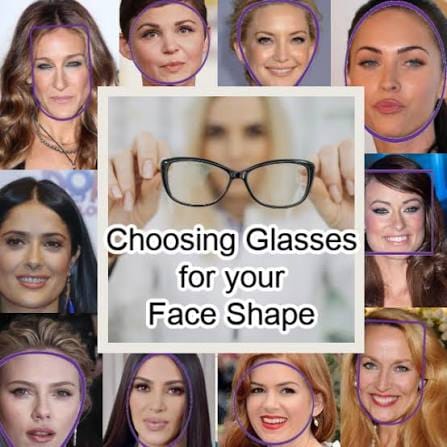
Best Glasses for Your Face Shape: Round, Square, Oval & More
Introduction: The Right Glasses Can Transform Your Entire AppearanceChoosing a pair of glasses is about much more than simply correcting your vision....

From Head to Toe: The Golden Ratio for Styling Glasses, Clothing, and Bags
Introduction: The Secret to Looking Polished From Head to ToeGreat style is rarely about wearing the most expensive clothes, following every trend,...

Minimalist Style: How Glasses and Bags Add the Perfect Finishing Touch to Black, White, and Gray Outfits
Minimalist fashion is often described as simple, effortless, and timeless. But creating a truly polished minimalist outfit is not as easy as...

Effortless Style: The Perfect Chemistry of Oversized Sweatshirts, Crossbody Bags, and Vintage Metal-Frame Glasses
Introduction: Why Relaxed Style Feels So RightFashion does not always have to look carefully calculated.Sometimes, the most appealing outfit is the one...

The Symphony of Metallic Elements: The Art of Layering Belt Buckles, Chain Bags, and Metal Frames
Introduction: When Metal Becomes a Fashion LanguageFashion has always been a conversation between materials, shapes, and personal expression. Among all design elements,...

Eyeglasses as the Finishing Touch: How to Make Your Frames Blend Perfectly Into Your Everyday Outfits
Eyeglasses are more than a tool for clearer vision. Today, they are one of the most powerful accessories in a modern wardrobe....

Old Money Style Guide: How Cashmere Coats, Premium Leather Bags, and Classic Black Frame Glasses Create Timeless Elegance
Introduction: Understanding the True Meaning of Old Money FashionFashion trends come and go, but true elegance has always been about something deeper...

The Ultimate Style Rescue for Round-Faced Women: How Necklines, Bag Placement, and Geometric Glasses Create a Slimmer Look
Introduction: Redefining Beauty Beyond Face ShapeFor many women with round faces, getting dressed can sometimes feel like a constant battle. The cheeks...
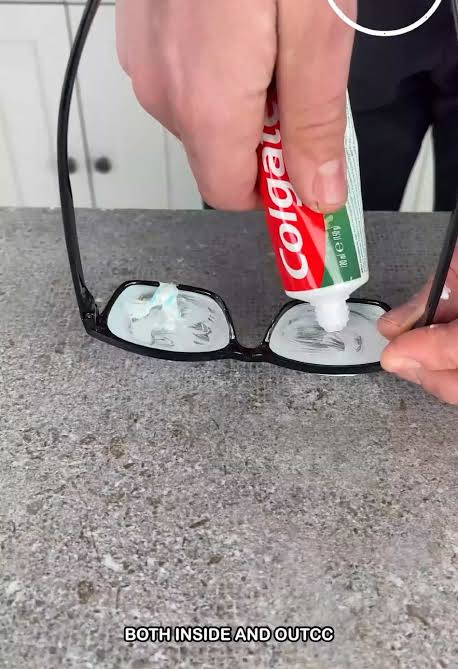
One Swipe, Crystal Clear: The Ultimate Guide to Efficient Eyeglass Cleaning
Introduction: Clear Vision Starts With Proper Lens CareFor millions of people around the world, eyeglasses are an essential part of daily life....

Eyeglasses as the Finishing Touch to Your Outfit: How Frame Shapes Can Elevate Your Style
Introduction: Eyeglasses as the Ultimate Fashion AccessoryWhen people think about fashion accessories, they often consider watches, jewelry, handbags, shoes, or clothing details....
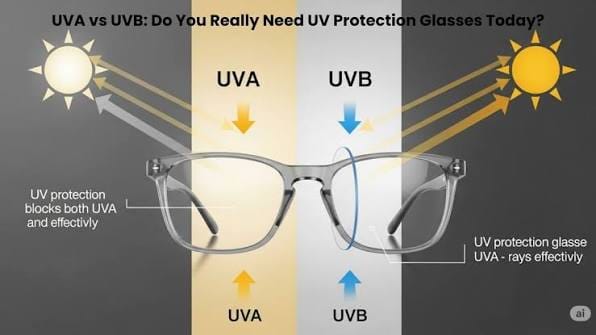
Blue Light Protection or UV Protection? Common Mistakes When Choosing Eye Protection Glasses
Introduction: Choosing the Right Eye Protection Is More Complicated Than It LooksEyeglasses have evolved far beyond simple vision correction tools. Today, consumers...

Care for Your Glasses Like You Care for Your Skin: The Complete Guide to Eyewear Maintenance
Introduction: Your Glasses Deserve More Than Just a Quick WipeMany people spend time and money caring for their skin every day.They choose...