
Stop Buying Fixed FramesWhy Interchangeable Combo Glasses Are the Future of Eyewear
You walked into an optical store.
You tried on dozens of frames.
You picked one.
And then you lived with that choice—every day, every outfit, every situation—for years.
That model made sense when eyewear was treated purely as a medical device. But today, glasses are no longer just about vision correction. They are fashion, identity, lifestyle, and function combined.
And yet, most people are still buying glasses the old way.
It’s time to ask an uncomfortable question:
Why are we still buying fixed frames in a world that values flexibility, customization, and modular design?
This is where interchangeable combo glasses come in—and why they aren’t a gimmick, but a logical evolution of eyewear.
1. The Problem With Fixed Frames (That No One Talks About)
1.1 One Style, Every Day—Forever
A fixed frame locks you into:
- One color
- One shape
- One personality
No matter if you’re:
- In a professional meeting
- At a casual brunch
- At a formal event
- Traveling or relaxing
Your glasses never change—even though you do.
In any other category, this would feel outdated.
Imagine owning:
- One pair of shoes
- One jacket
- One watch
And wearing it for every occasion.
1.2 Style Fatigue Is Real
Most people don’t replace glasses because their prescription changes.
They replace them because:
- They’re bored of the look
- The style no longer fits their lifestyle
- Trends have shifted
- Their personal image has evolved
Fixed frames age faster than lenses—but you’re forced to replace both.
2. The Hidden Cost of Traditional Eyewear
2.1 You’re Paying for Lenses Again and Again
Prescription lenses are the expensive part:
- Custom manufacturing
- Coatings
- Prescription accuracy
Yet every time you want a new style, you pay for lenses again.
Fixed frames force unnecessary repetition.
2.2 Multiple Pairs = More Hassle
Some people try to solve this by buying multiple pairs:
- One for work
- One for casual wear
- One backup
That leads to:
- Higher costs
- Storage issues
- Inconsistent fit and comfort
- Different visual experiences
It’s inefficient by design.
3. What Are Combo Glasses, Really?
3.1 The Core Idea
Combo glasses consist of:
- One base frame with prescription lenses
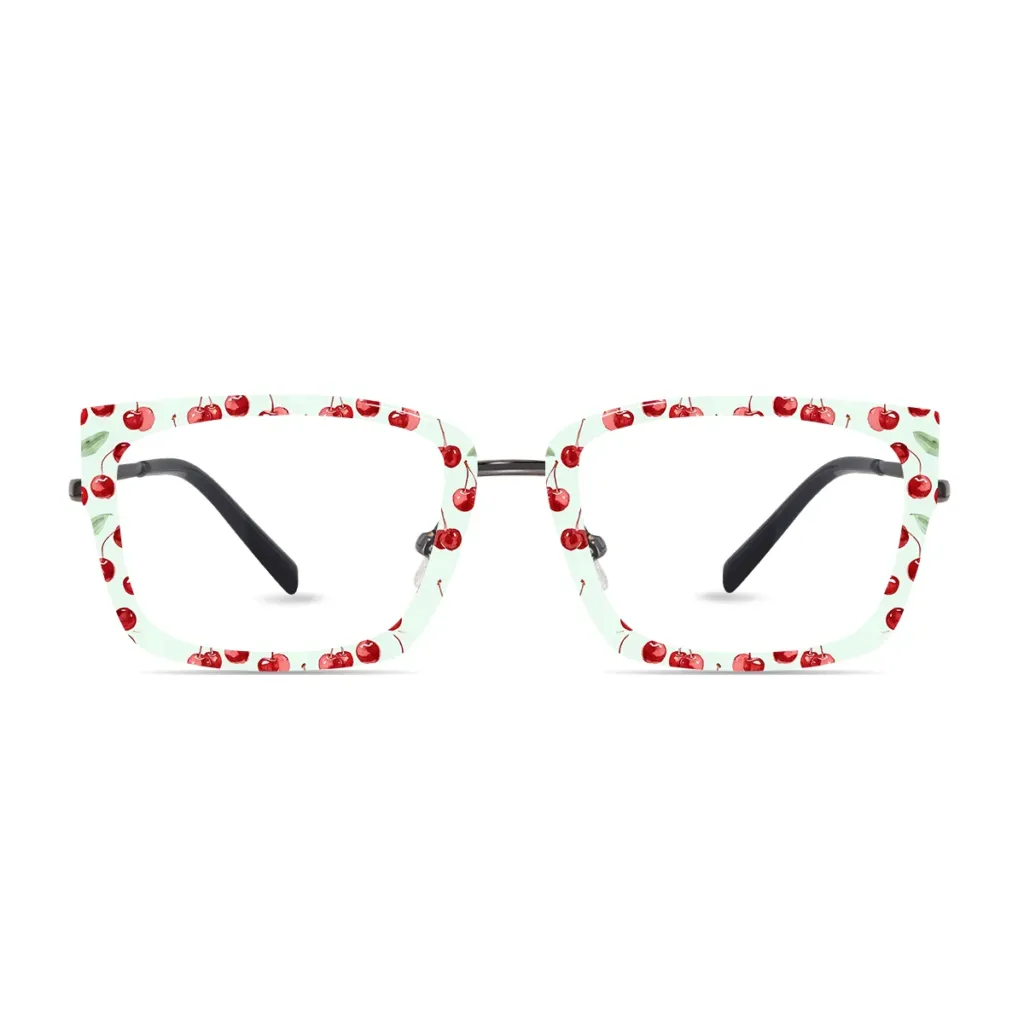
- Multiple interchangeable top frames
- A magnetic or snap-on attachment system
You keep the optics.
You change the style.
That’s it.
3.2 This Is Not a New Concept—It’s a Mature One
Modular design already dominates:
- Smartphones (cases)
- Watches (bands)
- Furniture systems
- Automotive accessories
Eyewear was simply late to adapt.
4. Why Interchangeable Glasses Fit Modern Lifestyles
4.1 We Live Multi-Context Lives
Modern life moves fast:
- Work calls in the morning
- Social plans at night
- Travel, hybrid work, and flexible schedules
Fixed frames assume a static identity.
Combo glasses adapt to dynamic lives.
4.2 Style Is Situational Now
Style today is:
- Context-driven
- Mood-driven
- Environment-driven
Interchangeable frames let you:
- Look professional when needed
- Relaxed when appropriate
- Bold or minimal by choice
Without changing your lenses—or your comfort.
5. The Biggest Myth: “Combo Glasses Are Cheap”
5.1 Bad Products Hurt the Category
Early combo glasses failed because:
- Weak magnets
- Bulky designs
- Poor alignment
- Obvious attachment seams
Those designs deserved criticism—but they don’t define the category.
5.2 Good Design Feels Invisible
Well-designed combo glasses:
- Lock securely
- Align precisely
- Feel like a single frame
- Look seamless from normal viewing distance
When done right, you don’t notice the system—you just enjoy the flexibility.
6. One Prescription, Consistent Comfort
6.1 Optical Consistency Matters
Switching between multiple full pairs often means:
- Slightly different optical centers
- Different lens heights
- Subtle discomfort
Combo glasses keep:
- One optical setup
- One fit
- One visual experience
Your eyes adjust once—and stay comfortable.
6.2 Less Adjustment, More Stability
With combo systems:
- Nose pads stay familiar
- Temple pressure remains consistent
- Balance doesn’t change dramatically
This is especially important for long daily wear.
7. Cost Efficiency Without Sacrificing Choice
7.1 Pay Once for Lenses, Not Five Times
Combo glasses reduce:
- Redundant lens purchases
- Unnecessary upgrades
You invest in quality optics once and refresh style affordably.
7.2 Smarter Spending, Not Cheaper Thinking
This isn’t about being cheap.
It’s about:
- Allocating budget where it matters
- Avoiding waste
- Getting more utility per dollar
That’s modern consumer logic.
8. Sustainability: The Quiet Advantage
8.1 Fewer Lenses, Less Waste
Lenses require:
- Energy-intensive manufacturing
- Chemical coatings
- Precision processes
Using one set of lenses for multiple styles:
- Reduces material waste
- Lowers environmental impact
8.2 Modular = Sustainable by Design
Modular products last longer because:
- Parts can be replaced
- Style can evolve without full replacement
- Products stay relevant
Combo glasses align with conscious consumption trends.
9. Who Combo Glasses Are Perfect For
9.1 Style-Conscious Professionals
People who:
- Need to look polished at work
- Want relaxed styles off-duty
- Don’t want multiple prescriptions
9.2 Travelers and Minimalists
Carry:
- One base frame
- Two or three lightweight tops
That’s it.
9.3 Digital-First Consumers
Online shoppers who value:
- Customization
- Flexibility
- Smart design
Combo glasses feel intuitive.
10. Who Fixed Frames Still Make Sense For
To be fair—fixed frames aren’t dead.
They still make sense if:
- You love one signature look
- You prioritize luxury branding
- You rarely change style
- You view glasses purely as a medical device
But that audience is shrinking.
11. The Psychology of Choice—and Why Combo Glasses Win
People want:
- Options
- Control
- Personal expression
But they don’t want complexity.
Combo glasses offer:
- Curated choice
- Simple switching
- Low commitment
You don’t choose one forever.
You choose a system.
12. The Marketing Lie We Should Stop Telling
“Buy one, get five pairs.”
That’s not the real value.
The real value is:
One prescription. Multiple identities. Zero compromise.
Combo glasses fail when oversold.
They succeed when explained honestly.
13. Fashion Industry Signals: Modularity Is Everywhere
Look around:
- Layered clothing
- Interchangeable accessories
- Customizable sneakers
- Modular furniture
Eyewear is following the same path.
Fixed frames are static in a modular world.
14. Technology Is Catching Up
Modern combo systems benefit from:
- Stronger micro-magnets
- Precision manufacturing
- Better materials
- Cleaner industrial design
What felt clunky years ago now feels natural.
15. Why the Eyewear Industry Resists Change
Traditional models profit from:
- Frequent full replacements
- Limited consumer flexibility
Combo glasses challenge that model.
And that’s exactly why they matter.
16. The Future Consumer Doesn’t Want “More”—They Want “Smarter”
Consumers are moving away from:
- Excess
- Redundancy
- Overconsumption
Toward:
- Modular ownership
- Long-term use
- Adaptive products
Combo glasses fit this mindset perfectly.
17. From Product to Platform
Fixed frames are products.
Combo glasses are platforms:
- One base
- Endless adaptability
- Future expandability
That’s how modern products scale.
18. The Real Question Isn’t “Why Combo Glasses?”
It’s:
Why are we still accepting fixed frames as the default?
The old model persists because it’s familiar—not because it’s better.
19. What to Look for in a Good Combo Glasses System
Before buying:
- Secure attachment mechanism
- Seamless visual integration
- Lightweight design
- Clearly different style options
- Comfortable base frame
Quality matters more than quantity.
Conclusion: Fixed Frames Are a Legacy Habit
Fixed-frame glasses belong to a time when:
- Choice was limited
- Fashion was slower
- Consumers adapted to products
Today, products adapt to consumers.
Interchangeable combo glasses aren’t a trend.
They’re a response to how people actually live now.
If you value:
- Flexibility
- Style freedom
- Smarter spending
- Long-term comfort
Then the question isn’t whether combo glasses are the future.
It’s why you’re still buying fixed frames at all.
Share this post
Best Glasses for Your Face Shape: Round, Square, Oval & More
Introduction: The Right Glasses Can Transform Your Entire AppearanceChoosing a pair of glasses is about much more than simply correcting your vision....
From Head to Toe: The Golden Ratio for Styling Glasses, Clothing, and Bags
Introduction: The Secret to Looking Polished From Head to ToeGreat style is rarely about wearing the most expensive clothes, following every trend,...

Minimalist Style: How Glasses and Bags Add the Perfect Finishing Touch to Black, White, and Gray Outfits
Minimalist fashion is often described as simple, effortless, and timeless. But creating a truly polished minimalist outfit is not as easy as...
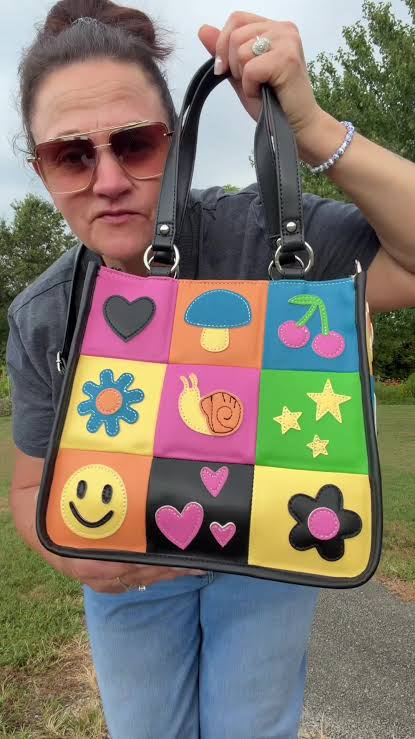
Effortless Style: The Perfect Chemistry of Oversized Sweatshirts, Crossbody Bags, and Vintage Metal-Frame Glasses
Introduction: Why Relaxed Style Feels So RightFashion does not always have to look carefully calculated.Sometimes, the most appealing outfit is the one...

The Symphony of Metallic Elements: The Art of Layering Belt Buckles, Chain Bags, and Metal Frames
Introduction: When Metal Becomes a Fashion LanguageFashion has always been a conversation between materials, shapes, and personal expression. Among all design elements,...
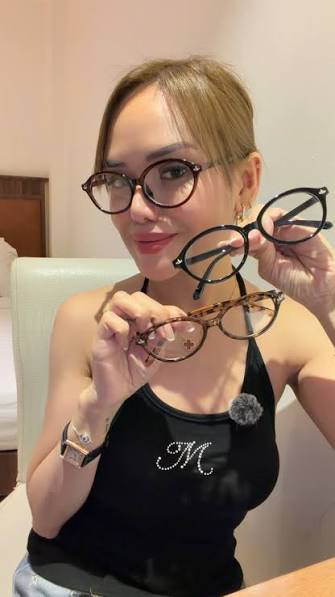
Eyeglasses as the Finishing Touch: How to Make Your Frames Blend Perfectly Into Your Everyday Outfits
Eyeglasses are more than a tool for clearer vision. Today, they are one of the most powerful accessories in a modern wardrobe....
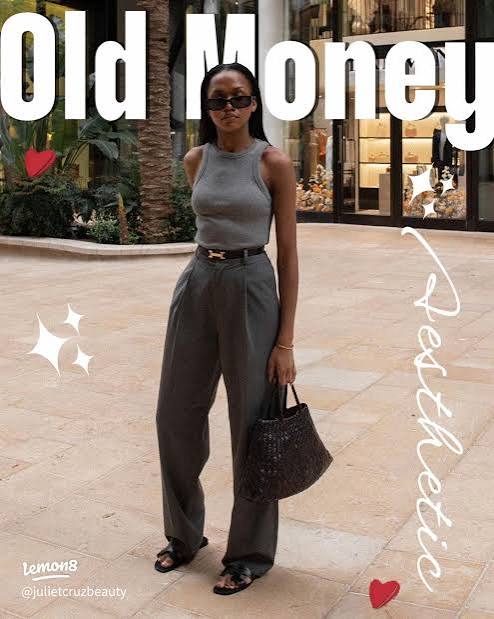
Old Money Style Guide: How Cashmere Coats, Premium Leather Bags, and Classic Black Frame Glasses Create Timeless Elegance
Introduction: Understanding the True Meaning of Old Money FashionFashion trends come and go, but true elegance has always been about something deeper...
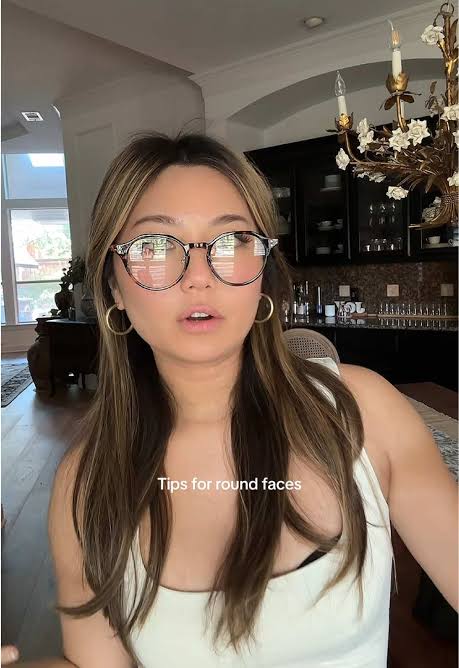
The Ultimate Style Rescue for Round-Faced Women: How Necklines, Bag Placement, and Geometric Glasses Create a Slimmer Look
Introduction: Redefining Beauty Beyond Face ShapeFor many women with round faces, getting dressed can sometimes feel like a constant battle. The cheeks...
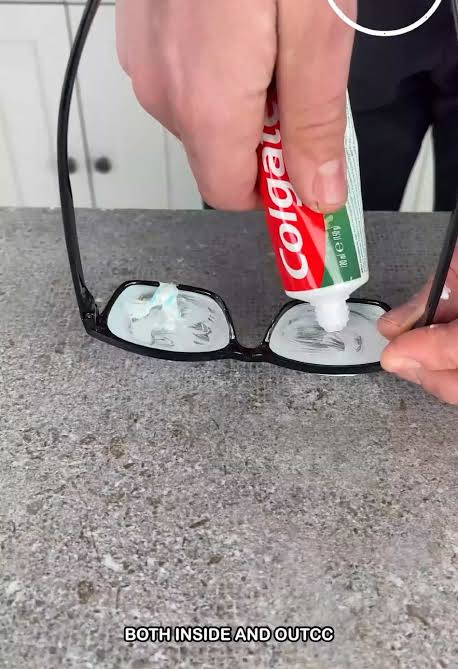
One Swipe, Crystal Clear: The Ultimate Guide to Efficient Eyeglass Cleaning
Introduction: Clear Vision Starts With Proper Lens CareFor millions of people around the world, eyeglasses are an essential part of daily life....

Eyeglasses as the Finishing Touch to Your Outfit: How Frame Shapes Can Elevate Your Style
Introduction: Eyeglasses as the Ultimate Fashion AccessoryWhen people think about fashion accessories, they often consider watches, jewelry, handbags, shoes, or clothing details....
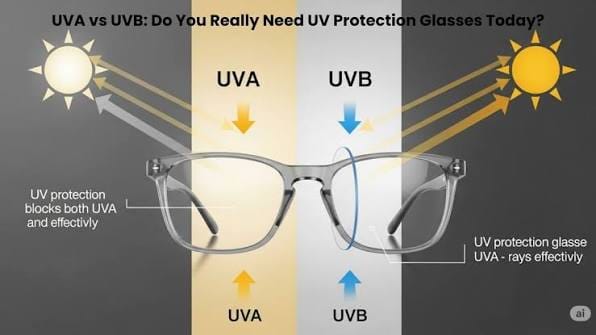
Blue Light Protection or UV Protection? Common Mistakes When Choosing Eye Protection Glasses
Introduction: Choosing the Right Eye Protection Is More Complicated Than It LooksEyeglasses have evolved far beyond simple vision correction tools. Today, consumers...
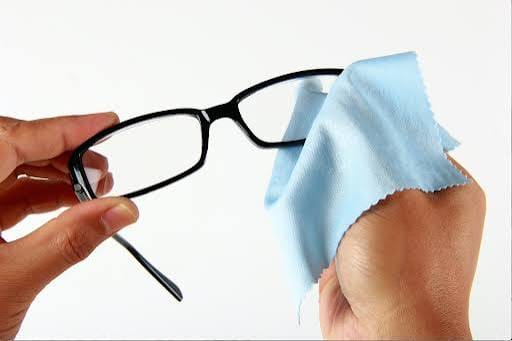
Care for Your Glasses Like You Care for Your Skin: The Complete Guide to Eyewear Maintenance
Introduction: Your Glasses Deserve More Than Just a Quick WipeMany people spend time and money caring for their skin every day.They choose...