
From Try-On to Measurements: A Professional Step-by-Step Guide to Buying Glasses in a Store
Buying glasses in a physical store might seem simple—walk in, pick a frame, try it on, and place an order. But in reality, a professional eyewear fitting is a precise process that blends vision science, facial geometry, lifestyle needs, and optical engineering.
A well-executed in-store eyewear experience can dramatically improve comfort, vision clarity, and long-term eye health. A rushed or unstructured purchase, on the other hand, often leads to headaches, eye strain, slipping frames, or lenses that never feel quite right.
This guide breaks down the complete professional process from try-on to measurement so you can understand exactly what happens during a high-quality optical consultation—and how to make better decisions when buying your next pair of glasses.
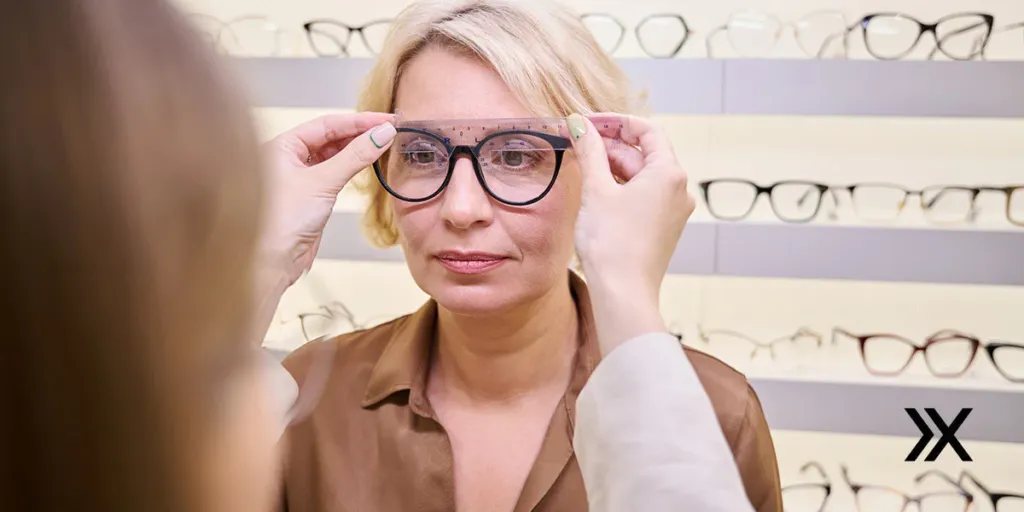
1. The Foundation: Understanding What a Professional Eyewear Fitting Really Is
A proper eyewear fitting is not just a retail transaction. It is a structured optical service that includes:
- Vision assessment and prescription review
- Frame selection based on facial structure and lifestyle
- Precision facial measurements
- Lens design recommendations
- Frame adjustment and alignment
Each step is designed to ensure your glasses are not only visually accurate but physically comfortable and functionally optimized.
The goal is simple: the glasses should disappear on your face while delivering perfect vision.
2. Step One: Initial Consultation and Vision Review
Before you even try on frames, a professional optician will typically start with a consultation.
2.1 Reviewing Your Prescription
They will check:
- Sphere (nearsightedness or farsightedness)
- Cylinder (astigmatism)
- Axis (astigmatism orientation)
- Add power (for progressive or bifocal lenses)
Even if you already have a prescription, it may need interpretation based on your lifestyle and lens selection.
2.2 Understanding Your Daily Visual Needs
Opticians often ask questions like:
- Do you spend long hours on screens?
- Do you drive at night frequently?
- Do you need reading support?
- Do you play sports or engage in outdoor activities?
This step helps determine lens type and coating options before frame selection begins.
3. Step Two: Frame Selection Based on Facial Anatomy
This is where most customers start—but professionals approach it much more strategically.
3.1 Face Shape Analysis
Opticians evaluate your face shape to guide frame compatibility:
- Round face → angular frames for structure
- Square face → rounded or oval frames for balance
- Oval face → most frame styles work
- Heart-shaped face → bottom-heavy or rimless frames
But face shape is only one factor.
3.2 Key Facial Measurements Considered
Professionals also assess:
- Nose bridge height and width
- Temple width
- Cheekbone prominence
- Eye spacing (pupillary distance baseline estimate)
These factors determine how well a frame will sit without slipping or pinching.
3.3 Lifestyle-Based Frame Selection
Frames are also chosen based on lifestyle:
- Office professionals → lightweight, minimalist frames
- Active users → durable acetate or titanium frames
- Fashion-focused users → bold shapes or designer frames
- Students → budget-friendly, flexible materials
A good optician balances aesthetics with function.
4. Step Three: Try-On Process and Real-World Evaluation
Trying on glasses is more than looking in the mirror. In a professional setting, it is a diagnostic step.
4.1 Initial Visual Assessment
You will typically try:
- 5–15 frames based on recommendations
- Different materials (metal, acetate, titanium)
- Various bridge styles and sizes
The optician observes:
- Frame alignment with eyebrows
- Lens position relative to eyes
- Overall facial balance
- Whether the frame “floats” or presses too tightly
4.2 Dynamic Try-On Testing
Instead of just standing still, you may be asked to:
- Look down (reading position)
- Look sideways (peripheral alignment)
- Walk or move your head
- Simulate screen usage posture
This reveals whether the frame stays stable during real-life movement.
4.3 Comfort Feedback Loop
You will be asked:
- Does it pinch your nose?
- Do your temples feel tight?
- Is there pressure behind your ears?
- Does it feel too heavy?
Comfort issues are often more important than appearance.
5. Step Four: Frame Adjustment Before Measurement
Once a frame is selected, opticians often perform a preliminary adjustment before taking measurements.
5.1 Why Adjustment Comes First
A misaligned frame leads to inaccurate optical measurements.
Adjustments include:
- Nose pad positioning
- Temple arm bending
- Frame leveling
- Tilt correction (pantoscopic tilt)
5.2 Importance of Proper Alignment
If the frame is crooked:
- Pupillary distance alignment becomes inaccurate
- Lens center may shift
- Vision clarity may be compromised
This step ensures measurement accuracy in the next phase.
6. Step Five: Precise Facial Measurements
This is the most technical part of the entire process.
Modern optical stores use a combination of manual tools and digital systems.
6.1 Pupillary Distance (PD)
PD measures the distance between your pupils.
It ensures:
- Correct lens center alignment
- Proper focus for each eye
- Reduced eye strain
There are two types:
- Distance PD
- Near PD (for reading lenses)
6.2 Optical Center Height
This measures where your eyes sit within the frame vertically.
It is crucial for:
- Progressive lenses
- Multifocal lenses
- High-prescription accuracy
Even a few millimeters matter.
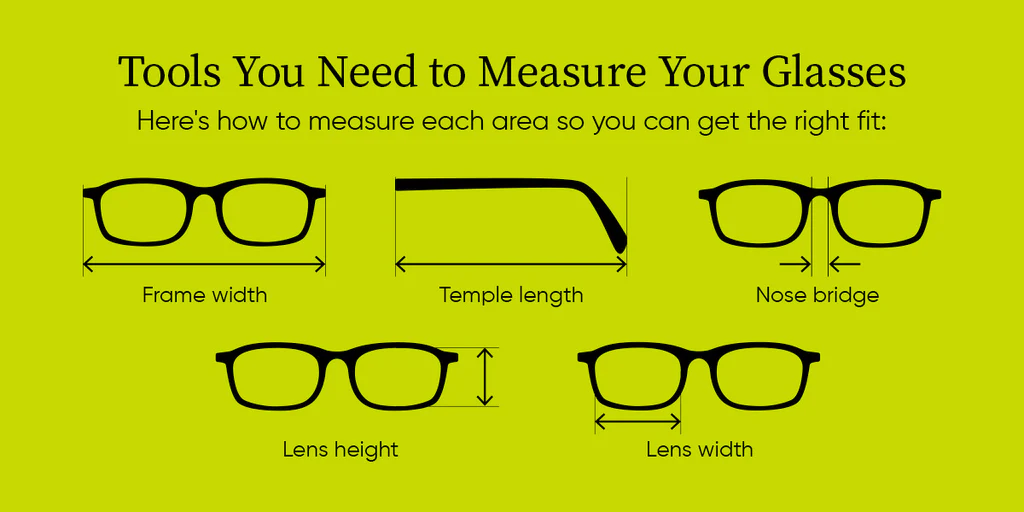
6.3 Frame Fitting Measurements
Opticians also measure:
- Bridge width (nose fit)
- Temple length (ear fit)
- Lens width (field of view)
- Frame width (overall balance)
These ensure structural comfort and stability.
6.4 Advanced Digital Fitting Systems
Many modern stores use 3D imaging systems that capture:
- Facial geometry
- Eye position
- Frame positioning in real time
These systems improve precision significantly, especially for progressive lenses.
7. Step Six: Lens Selection Based on Lifestyle and Prescription
Once measurements are complete, lens design begins.
7.1 Lens Types
Single Vision Lenses
- For distance or reading only
- Most common type
Progressive Lenses
- Seamless vision from distance to near
- No visible line
Bifocal Lenses
- Two distinct vision zones
- Traditional but less popular
Occupational Lenses
- Designed for computer or desk work
- Wider intermediate vision area
7.2 Lens Materials
- Polycarbonate: impact-resistant, lightweight
- High-index plastic: thinner for strong prescriptions
- Standard plastic: budget-friendly
7.3 Lens Coatings
A professional recommendation usually includes:
- Anti-reflective coating
- Scratch-resistant coating
- UV protection
- Blue light filtering (for screen users)
- Hydrophobic coating (water resistance)
8. Step Seven: Frame-Lens Compatibility Check
Not every lens works well with every frame.
Opticians evaluate:
- Frame curvature vs lens thickness
- Weight balance
- Edge thickness visibility
- Lens distortion risk
For high prescriptions, frame selection may be adjusted again to ensure optical quality.
9. Step Eight: Final Assembly and Quality Control
Once lenses are cut and mounted into frames, the glasses undergo inspection.
9.1 Alignment Check
- Lens symmetry
- Frame straightness
- Optical center alignment
9.2 Stability Testing
- Shake test
- Pressure test
- Wear simulation
9.3 Vision Verification
Some stores perform:
- Final prescription confirmation
- Real-world clarity test
10. Step Nine: Final Fit Adjustment on the Face
This is where the glasses are fine-tuned for your face.
Adjustments include:
- Nose pad refinement
- Temple tightening or loosening
- Ear curve adjustment
- Frame angle correction
A properly adjusted pair should feel almost weightless.
11. Step Ten: Adaptation Guidance and Wearing Tips
Even perfectly made glasses may require a short adaptation period.
11.1 For First-Time Wearers
You may experience:
- Slight distortion when moving head
- Mild eye fatigue
- Adjustment to new focal zones
This typically resolves in a few days.
11.2 Progressive Lens Adaptation
For progressive lenses:
- Learning to move eyes instead of head is key
- Side vision zones may feel narrow at first
Most users adapt within 1–2 weeks.
12. Common Mistakes People Make in Optical Stores
Mistake 1: Choosing Style Over Fit
Aesthetic appeal should never override comfort and alignment.
Mistake 2: Skipping Professional Measurement
Guessing PD or relying on old prescriptions leads to poor vision quality.
Mistake 3: Ignoring Lifestyle Needs
Glasses should match daily usage patterns, not just appearance.
Mistake 4: Not Testing Movement
Static try-ons miss real-world discomfort issues.
Mistake 5: Rushing the Process
A proper fitting takes time—sometimes up to an hour or more.
13. Complete In-Store Eyewear Buying Checklist
Before finalizing your purchase, ensure:
Consultation
- Prescription reviewed
- Lifestyle discussed
Frame Selection
- Fits face shape and structure
- Comfortable nose and temple fit
- Stable during movement
Measurements
- Accurate PD taken
- Optical center height recorded
- Frame dimensions confirmed
Lens Selection
- Correct lens type chosen
- Suitable coatings included
- Material matches prescription strength
Final Fit
- Frame professionally adjusted
- Balanced on face
- No pressure points
14. Final Thoughts: Why Professional In-Store Fitting Matters
Buying glasses is not just about correcting vision—it’s about creating a seamless interface between your eyes and the world.
A professional optical process ensures:
- Maximum visual clarity
- Long-term wearing comfort
- Reduced eye strain
- Better aesthetic balance
From the first try-on to final measurement, every step plays a role in shaping how you see and how you feel wearing your glasses.
In the end, the perfect pair of glasses is not the one that looks best on the shelf—it’s the one that is precisely built for your face, your eyes, and your life.
Share this post
The Romance of Earth Tones in Fall: The Color Aesthetics of Trench Coats, Saddle Bags, and Tea-Tinted Sunglasses
Introduction: Falling in Love With the Colors of AutumnThere is something irresistibly romantic about autumn fashion.As summer fades, bright colors gradually give...
Best Glasses for Your Face Shape: Round, Square, Oval & More
Introduction: The Right Glasses Can Transform Your Entire AppearanceChoosing a pair of glasses is about much more than simply correcting your vision....
From Head to Toe: The Golden Ratio for Styling Glasses, Clothing, and Bags
Introduction: The Secret to Looking Polished From Head to ToeGreat style is rarely about wearing the most expensive clothes, following every trend,...

Minimalist Style: How Glasses and Bags Add the Perfect Finishing Touch to Black, White, and Gray Outfits
Minimalist fashion is often described as simple, effortless, and timeless. But creating a truly polished minimalist outfit is not as easy as...

Effortless Style: The Perfect Chemistry of Oversized Sweatshirts, Crossbody Bags, and Vintage Metal-Frame Glasses
Introduction: Why Relaxed Style Feels So RightFashion does not always have to look carefully calculated.Sometimes, the most appealing outfit is the one...

The Symphony of Metallic Elements: The Art of Layering Belt Buckles, Chain Bags, and Metal Frames
Introduction: When Metal Becomes a Fashion LanguageFashion has always been a conversation between materials, shapes, and personal expression. Among all design elements,...
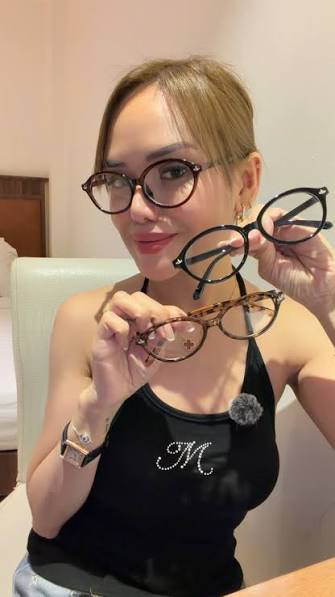
Eyeglasses as the Finishing Touch: How to Make Your Frames Blend Perfectly Into Your Everyday Outfits
Eyeglasses are more than a tool for clearer vision. Today, they are one of the most powerful accessories in a modern wardrobe....

Old Money Style Guide: How Cashmere Coats, Premium Leather Bags, and Classic Black Frame Glasses Create Timeless Elegance
Introduction: Understanding the True Meaning of Old Money FashionFashion trends come and go, but true elegance has always been about something deeper...
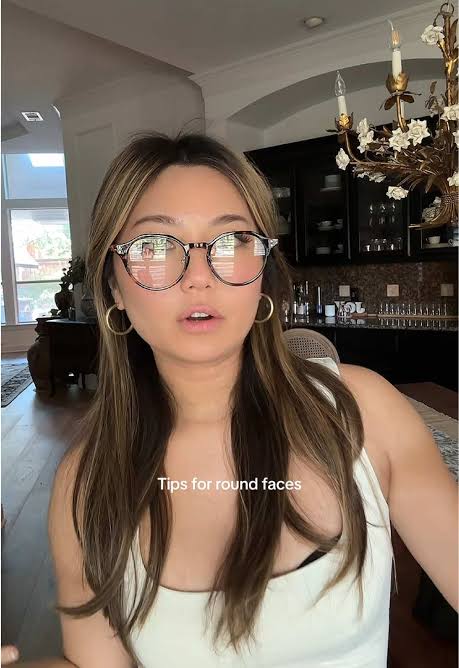
The Ultimate Style Rescue for Round-Faced Women: How Necklines, Bag Placement, and Geometric Glasses Create a Slimmer Look
Introduction: Redefining Beauty Beyond Face ShapeFor many women with round faces, getting dressed can sometimes feel like a constant battle. The cheeks...
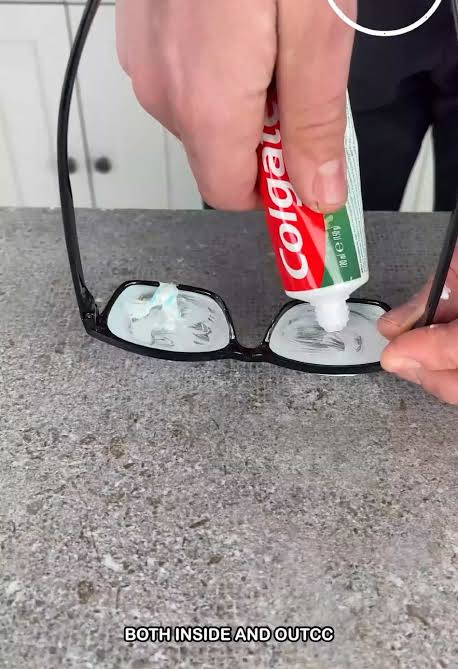
One Swipe, Crystal Clear: The Ultimate Guide to Efficient Eyeglass Cleaning
Introduction: Clear Vision Starts With Proper Lens CareFor millions of people around the world, eyeglasses are an essential part of daily life....

Eyeglasses as the Finishing Touch to Your Outfit: How Frame Shapes Can Elevate Your Style
Introduction: Eyeglasses as the Ultimate Fashion AccessoryWhen people think about fashion accessories, they often consider watches, jewelry, handbags, shoes, or clothing details....
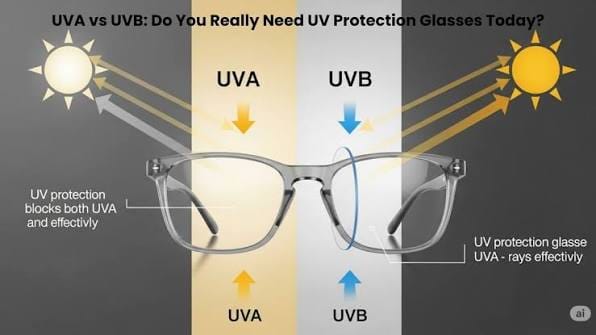
Blue Light Protection or UV Protection? Common Mistakes When Choosing Eye Protection Glasses
Introduction: Choosing the Right Eye Protection Is More Complicated Than It LooksEyeglasses have evolved far beyond simple vision correction tools. Today, consumers...