
Understanding Diopters: What You Need to Know About Your Eyeglass Prescription
When you receive an eye prescription, it may appear as a series of numbers instead of the usual medical instructions. These numbers are known as diopters, and they indicate the focusing power required for your glasses or contact lenses. Understanding diopters is essential to interpreting your prescription and ensuring that your glasses are the right fit for your vision needs. This guide will help you learn more about diopters and how they relate to your eye health.
What Is a Diopter?
A diopter is a unit of measurement used to define the focusing strength of the lenses in your glasses or contact lenses. The higher the diopter number, the stronger the prescription. Diopters are the key measurement that eye doctors use to help you get the correct lenses for your eyes.
To explain how diopters work, consider the concept of focal length. Focal length refers to the distance from the center of the lens to the point where light rays converge to form a clear image. If the focal length of a lens is 1 meter, the lens has a power of 1 diopter. A shorter focal length, such as 1/2 meter, increases the power to 2 diopters, and so on. Therefore, the shorter the focal length, the stronger the prescription required.
How Do Diopters Relate to Vision Problems?
1. Nearsightedness (Myopia)
Nearsightedness occurs when you can see objects up close clearly, but objects in the distance appear blurry. People with myopia will typically have a negative diopter measurement in their prescription (e.g., -2.00 D).
2. Farsightedness (Hyperopia)
Hyperopia is the opposite of myopia. It happens when you can see objects at a distance clearly, but nearby objects appear blurry. A farsighted person’s prescription will generally have a positive diopter measurement (e.g., +2.00 D).
3. Astigmatism
Astigmatism results from an irregular curvature of the cornea or lens, causing blurry or distorted vision. The prescription for astigmatism includes both a cylinder (CYL) value and an axis, which indicate the degree of curvature and its orientation.
4. Presbyopia
Presbyopia is an age-related condition that affects the ability to focus on close objects. It commonly occurs after the age of 40 and often requires reading glasses or multifocal lenses.
How to Read Your Eye Prescription: Understanding Key Terms
Once you understand diopters, it becomes easier to interpret the rest of your eye prescription. Key terms related to diopters include:
SPH (Sphere)
The SPH value refers to the amount of spherical correction needed for your vision. It can be either negative (for myopia) or positive (for hyperopia), ranging from 0.0 to +/-20.0.
CYL (Cylinder)
The CYL value applies to individuals with astigmatism. It ranges from +/-0.25 to +/-4.00 and indicates the degree of astigmatism.
Axis
The axis number is found in prescriptions for astigmatism and indicates the angle (in degrees) of the astigmatism correction, ranging from 1 to 180 degrees.
Diopter Charts: How to Use Them for Over-the-Counter Reading Glasses
A diopter chart is a tool used to determine the appropriate diopter strength for reading glasses. It typically consists of rows of text in various sizes, with the smallest text at the top. To use the chart, you read the lines without glasses or contacts until you find a line that is clear. The corresponding number next to that line indicates the strength of the reading glasses you need.
Although you can find diopter charts at many eyewear stores to help select over-the-counter reading glasses, visiting an eye doctor for an official prescription is always recommended for the most accurate results.
Tips for Taking Care of Your Eyes and Eyeglasses
Taking proper care of your eyes and eyeglasses can help maintain good vision and avoid additional eye problems. Here are a few tips to protect your eyes:
1. Avoid Smoking
Smoking increases the risk of developing cataracts and other eye-related diseases. Protect your eyes by quitting smoking.
2. Wear Sunglasses Outdoors
UV rays can damage your eyes over time. Always wear sunglasses that block UV radiation to protect your eyes when outdoors.
3. Take Breaks from Screens
Staring at a computer or smartphone screen for extended periods can cause eye strain. Follow the 20-20-20 rule: every 20 minutes, take a 20-second break and look at something 20 feet away.
4. Care for Your Eyeglasses
To extend the lifespan of your eyeglasses, clean them regularly with a microfiber cloth and store them in a protective case. Avoid scratching the lenses, as this can impact your vision.
By understanding diopters and how they relate to your eye health, you can better interpret your prescription and ensure that you get the right glasses or lenses for your needs. Regular eye exams and proper eye care are essential for maintaining healthy vision throughout your life.
Share this post
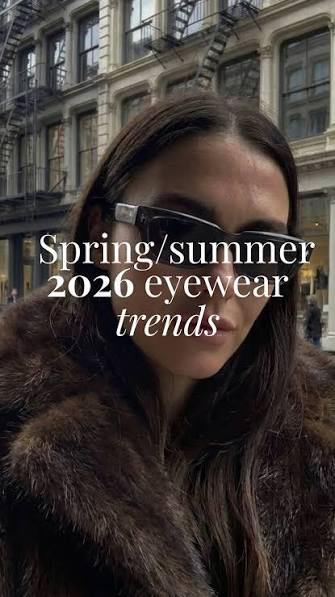
2026 Spring/Summer Fashion Trends: When Retro Small-Frame Glasses Meet the Underarm Bag
Fashion has always had a talent for bringing the past back in unexpected ways.A silhouette that once belonged to another decade can...
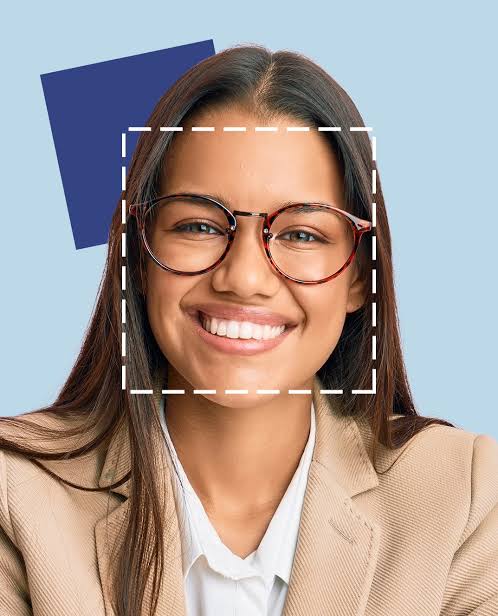
Soft Aesthetics for Girls with Square Faces: How Rounded Handbags and Gentle Eyeglass Frames Soften Facial Lines
A square face can be striking, elegant, and full of character. Defined by a broader forehead, a relatively straight jawline, and noticeable...
How to Buy Prescription Glasses Online on XCombo
Looking to buy glasses online? XCombo makes it easy to get stylish, high-quality glasses tailored to your prescription. Follow this simple step-by-step...

The Executive Style Code: A Career Guide to Suits, Briefcases, and Sophisticated Eyewear
In the modern workplace, professional style is about much more than wearing expensive clothes.The strongest business wardrobe communicates something before you say...
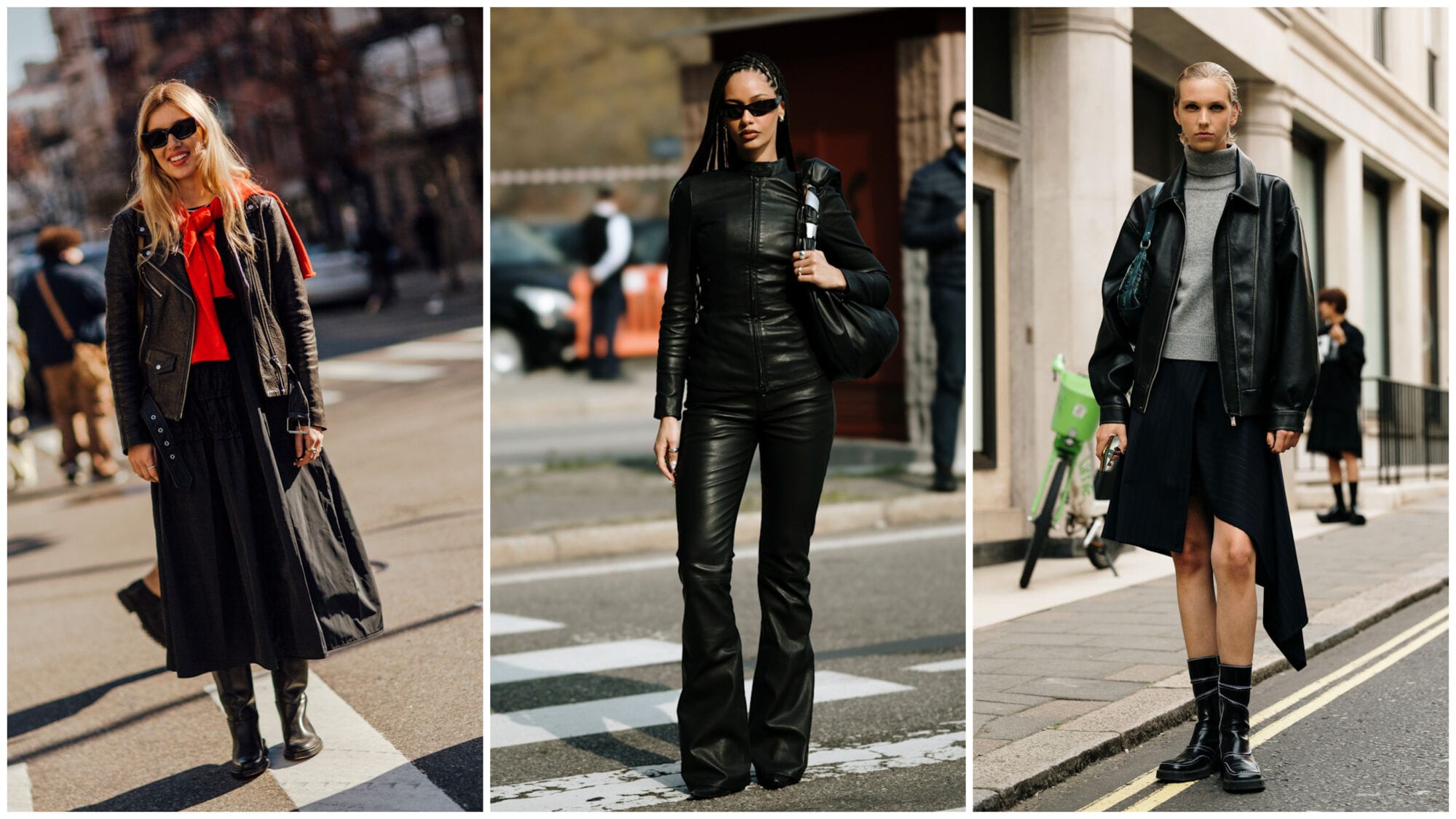
Street-Cool Style: How to Make Motorcycle Jackets, Belt Bags, and Futuristic Sunglasses Stand Out
Street fashion has never been about following every rule.It is about knowing which rules to break.A motorcycle jacket, a compact belt bag,...
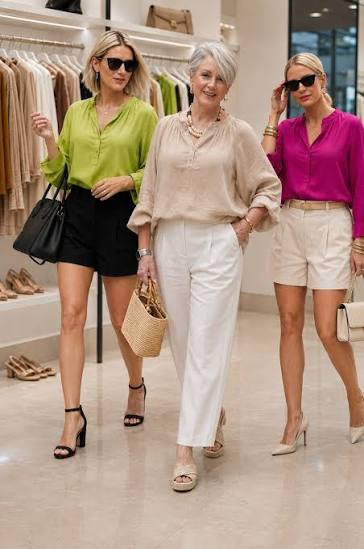
The Art of Color Coordination: How to Match Your Bag With Your Eyeglass Frames for an Effortlessly Sophisticated Look
Fashion is often about the little details.A beautifully tailored outfit can look polished, yet something may still feel incomplete. The reason is...
Dating Night Style Secrets: The Perfect Collision of an Elegant Cocktail Dress, a Chain Evening Bag, and Sophisticated Semi-Rimless Glasses
Dating night is about more than choosing an outfit. It is about creating an impression without looking like you tried too hard....
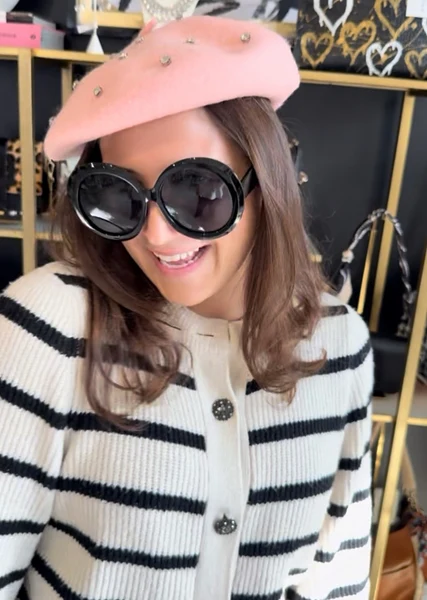
Effortless French Elegance: The Perfect Pairing of Knitwear, Tote Bags, and Cat-Eye Glasses
There is something undeniably captivating about French style.It is polished without looking overly polished, feminine without being overly delicate, and comfortable without...
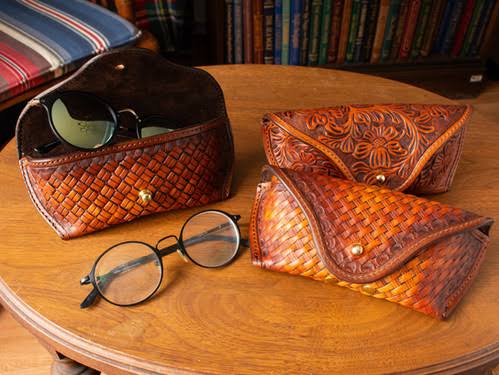
A Cross-Textural Conversation: The Tactile Collision of Leather Bags, Tweed Clothing, and Wood-Frame Eyewear
Introduction: When Materials Become the Main CharacterFashion is often discussed in terms of color, silhouette, trend, and season. Yet some of the...
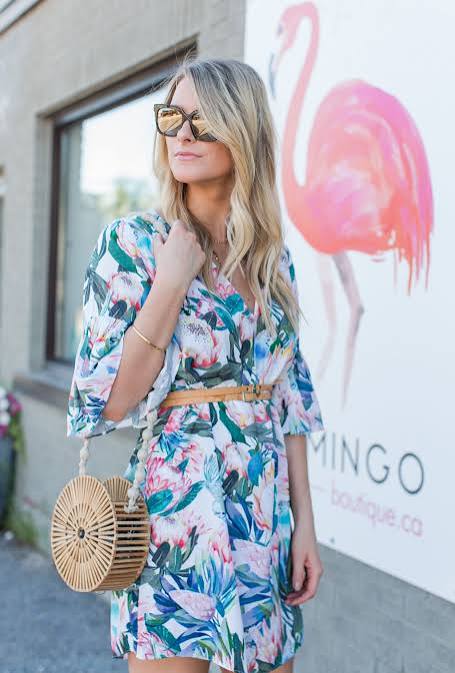
The Ultimate Guide to Vacation-Style Outfits: Floral Dresses, Straw Bags, and Round Sunglasses for Summer
Summer is the season of relaxed mornings, warm afternoons, outdoor dinners, weekend getaways, and long-awaited vacations. It is also the perfect time...
The Romance of Earth Tones in Fall: The Color Aesthetics of Trench Coats, Saddle Bags, and Tea-Tinted Sunglasses
Introduction: Falling in Love With the Colors of AutumnThere is something irresistibly romantic about autumn fashion.As summer fades, bright colors gradually give...
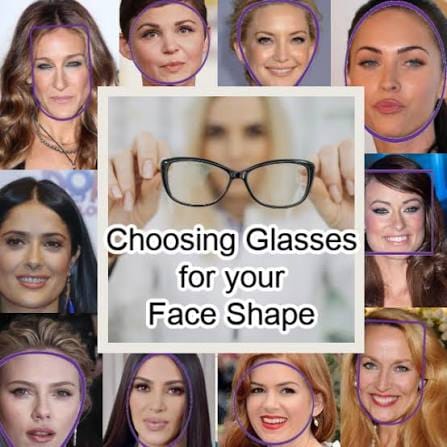
Best Glasses for Your Face Shape: Round, Square, Oval & More
Introduction: The Right Glasses Can Transform Your Entire AppearanceChoosing a pair of glasses is about much more than simply correcting your vision....