
The Balance of Lightness and Strength: The Wearing Aesthetics of Mechanical Clip Eyewear
Eyewear has always lived at the intersection of function and expression. For centuries, glasses were designed primarily to correct vision, with aesthetics following behind practicality. But in today’s design-driven world, eyewear is no longer just a tool — it is a daily companion, a fashion statement, and an extension of personal identity.
One of the most fascinating developments in modern eyewear design is the rise of mechanical clip systems. These systems allow temples (the arms of the glasses) to attach to frames through carefully engineered locking mechanisms instead of traditional screws. While the technical advantages are clear — durability, easy replacement, and modular design — the deeper impact lies in something more subtle: the balance between lightness and strength in the wearing experience.
Mechanical clip eyewear represents a new philosophy in design. It merges structural reliability with visual elegance, producing frames that feel almost weightless yet remain impressively resilient. This balance shapes not only how glasses function but also how they look, feel, and interact with the human face.
This article explores the aesthetics of wearing mechanical clip eyewear, examining how engineering, material science, and design philosophy combine to create a harmonious balance between lightness, stability, comfort, and visual beauty.
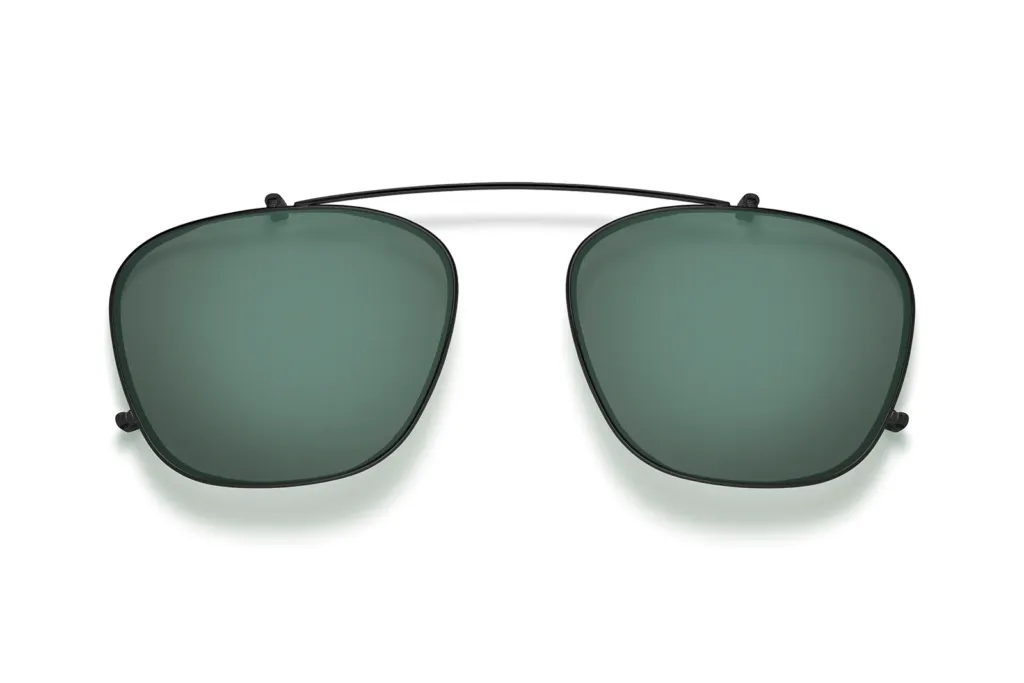
The Evolution of Eyewear Comfort
For much of eyewear history, durability was achieved through heavier materials and rigid structures. Early glasses often used thick metal components or dense acetate frames to ensure longevity. While effective structurally, these designs frequently compromised comfort.
Heavy frames create several common problems:
- Pressure points on the nose bridge
- Fatigue behind the ears
- Imbalance during extended wear
- Reduced adaptability to facial movement
As eyewear became an everyday object rather than an occasional aid, designers began focusing on weight reduction. However, reducing weight introduces another challenge: maintaining strength.
The search for equilibrium between these two goals led to innovative structural approaches — including the development of mechanical clip systems.
Understanding Mechanical Clip Eyewear
Mechanical clip eyewear replaces traditional screw hinges with a precision-engineered connection system. Instead of fastening temples permanently, the mechanism uses interlocking components that secure the arms firmly while allowing them to detach when intentionally released.
These systems typically include:
- A frame-side locking interface
- A temple connector component
- Precision alignment guides
- Internal retention mechanisms
The design allows temples to be attached or removed quickly, often without tools.
While the technical benefits are significant, the aesthetic advantages are equally important. Removing bulky screws and hinges allows designers to create cleaner lines, lighter profiles, and more seamless forms.
Why Lightness Matters in Eyewear Design
When people talk about comfortable glasses, they often focus on weight alone. But the concept of lightness in design goes beyond simple measurements.
True lightness involves several factors:
Physical Weight
A lower gram count reduces pressure on the nose and ears, making glasses easier to wear for long periods.
Visual Lightness
Thin structures and minimal hardware create a more refined appearance, allowing the wearer’s face to remain the focal point.
Perceived Effortlessness
When glasses feel balanced and unobtrusive, the wearer almost forgets they are there. This psychological effect contributes significantly to comfort.
Mechanical clip systems help achieve these goals by eliminating traditional hinge assemblies that often add bulk.
The Role of Structural Strength
Lightness alone is not enough. Glasses must endure constant daily stress:
- Folding and unfolding
- Being placed on tables
- Carried in bags or pockets
- Accidental drops
Without adequate structural support, ultra-light designs risk becoming fragile.
Mechanical clip mechanisms address this challenge through distributed load engineering. Instead of concentrating stress at a single screw point, the clip system spreads forces across a broader contact area. This improves both durability and stability.
The result is a frame that remains light without sacrificing reliability.
Aesthetic Minimalism Through Engineering
One of the most striking visual qualities of mechanical clip eyewear is its minimalist appearance.
Traditional hinges often introduce visible screws, plates, and metal joints. While functional, these elements interrupt the smooth flow of the frame design.
Mechanical clip systems allow designers to:
- Hide connection points within the frame structure
- Reduce external hardware
- Maintain continuous frame lines
This approach produces eyewear that appears sculpted rather than assembled.
The visual simplicity reinforces the concept of lightness while still supporting structural strength beneath the surface.
The Harmony Between Frame and Face
Good eyewear design complements the natural geometry of the human face. Mechanical clip systems enable designers to refine this relationship.
Without bulky hinge components, frames can follow facial contours more closely. Temples can be positioned with greater precision, improving balance and alignment.
This harmony affects several aspects of appearance:
Facial Proportion
Slim structures prevent frames from overwhelming facial features.
Profile Elegance
Side views become cleaner and more streamlined.
Movement Compatibility
Flexible connections allow glasses to adapt subtly to facial motion.
These qualities enhance the visual integration between the wearer and the eyewear.
Material Innovation in Mechanical Clip Eyewear
Achieving both lightness and strength requires advanced materials. Mechanical clip systems often rely on combinations of metals, polymers, and composite materials to optimize performance.
High-Performance Polymers
Engineered plastics provide exceptional strength-to-weight ratios. They resist impact while remaining lightweight and comfortable.
Stainless Steel Components
Precision metal elements reinforce key structural areas without adding significant mass.
Memory Alloys
Some designs incorporate flexible alloys that return to their original shape after bending, increasing resilience.
Together, these materials create frames that feel delicate but behave with impressive toughness.
Comfort Through Balanced Weight Distribution
Weight is not the only factor influencing comfort. Weight distribution plays an equally important role.
Poorly balanced frames place excessive pressure on specific contact points, even if the total weight is low.
Mechanical clip eyewear helps achieve better balance by allowing precise temple positioning. The connection system supports stable alignment, ensuring that weight is evenly distributed across the nose bridge and ears.
This balance reduces fatigue during extended wear, especially for people who wear glasses all day.
Modular Design and Personal Expression
Another aesthetic advantage of mechanical clip systems is their compatibility with modular design. Because temples can be detached and replaced easily, wearers can experiment with different styles.
Possible variations include:
- Color changes
- Texture variations
- Different temple shapes
- Activity-specific designs
This flexibility allows one frame front to support multiple looks.
From a design perspective, modularity encourages creativity while preserving structural integrity.
The Emotional Dimension of Wearable Design
Eyewear sits closer to the body than most accessories. It touches the face, shapes how people see the world, and influences how others perceive the wearer.
Because of this intimacy, emotional responses to eyewear design matter.
Mechanical clip eyewear supports positive emotional experiences in several ways:
- Confidence in durability
- Satisfaction with smooth functionality
- Enjoyment of customization
When glasses feel both elegant and reliable, users develop stronger attachments to them.
Visual Strength Without Bulk
Strength in design does not always require visible heaviness. In fact, the most sophisticated structures often hide their resilience beneath refined surfaces.
Mechanical clip eyewear embodies this principle. Its strength comes from internal engineering rather than external mass.
This allows frames to maintain a light, almost floating appearance while still offering the stability necessary for everyday use.
Such visual subtlety reflects a modern design philosophy that values quiet confidence over obvious reinforcement.
Everyday Practical Advantages
Beyond aesthetics, mechanical clip systems improve the daily experience of wearing glasses.
Quick Maintenance
If a temple becomes damaged, it can be replaced without specialized tools.
Travel Convenience
Detachable components make glasses easier to pack safely.
Reduced Repair Costs
Replacing individual parts is often simpler than replacing entire frames.
These practical benefits reinforce the design’s overall appeal.
The Influence of Industrial Design Philosophy
Mechanical clip eyewear reflects broader trends in industrial design. Across many industries, designers are moving toward products that combine elegance with functional adaptability.
Key principles include:
- Minimalism
- Modularity
- Longevity
- User-centered engineering
These ideas emphasize that objects should be both beautiful and practical.
Eyewear built around mechanical clip systems embodies these values by merging aesthetic simplicity with technical sophistication.
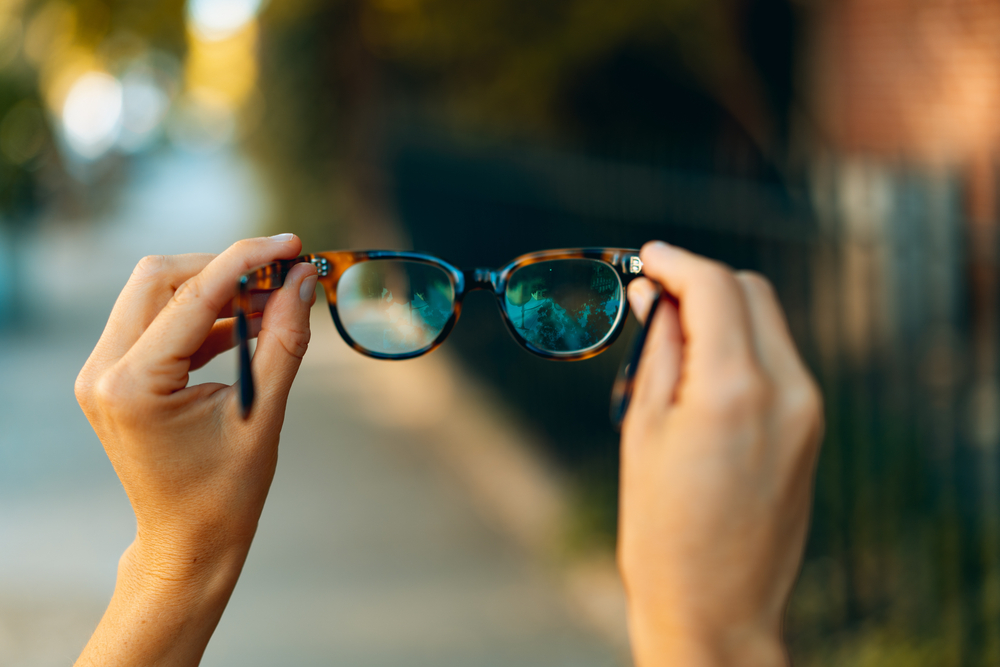
The Future of Lightweight Structural Design
As materials science and precision manufacturing continue to advance, mechanical clip eyewear will likely evolve further.
Potential future innovations include:
- Even lighter composite materials
- Smart wearable integrations
- Adjustable tension systems
- Ultra-compact connection mechanisms
These developments may refine the balance between lightness and strength even further, pushing eyewear design toward new possibilities.
Choosing Mechanical Clip Eyewear
For consumers exploring this style of eyewear, several factors can influence the experience.
Connection Quality
The clip system should engage smoothly and securely without excessive force.
Material Durability
High-quality materials ensure long-term reliability.
Fit and Balance
Proper alignment across the nose and ears improves comfort dramatically.
Design Aesthetics
Look for frames that complement facial features and personal style.
When these elements align, mechanical clip eyewear becomes both a practical tool and a refined accessory.
Caring for Mechanical Clip Frames
Maintaining these frames is straightforward. Simple habits help preserve their appearance and function.
- Clean connectors occasionally with a soft cloth.
- Avoid forcing the mechanism if misaligned.
- Store glasses in protective cases during travel.
- Replace worn components when necessary.
With proper care, mechanical clip systems can remain reliable for many years.
A New Language of Wearing Aesthetics
The concept of wearing aesthetics goes beyond how an object looks in isolation. It includes how the object interacts with the body, how it feels during movement, and how it integrates into daily life.
Mechanical clip eyewear introduces a new language of design in which:
- Lightness enhances comfort
- Strength ensures reliability
- Minimalism elevates appearance
This synthesis produces glasses that feel modern, balanced, and thoughtfully engineered.
Conclusion: Where Elegance Meets Engineering
The balance between lightness and strength has always been one of the central challenges of design. Mechanical clip eyewear demonstrates how careful engineering can resolve this tension in elegant ways.
By replacing traditional screw hinges with precision clip mechanisms, designers have created frames that are lighter, cleaner, and more adaptable. At the same time, these frames maintain the structural reliability required for everyday use.
The result is more than a technical improvement. It represents a shift in how eyewear is conceived — not merely as a corrective device, but as a harmonious extension of the human form.
In the quiet meeting point between engineering precision and aesthetic simplicity, mechanical clip eyewear reveals a new vision of what modern glasses can be: light in presence, strong in structure, and beautifully balanced in the art of wearing.
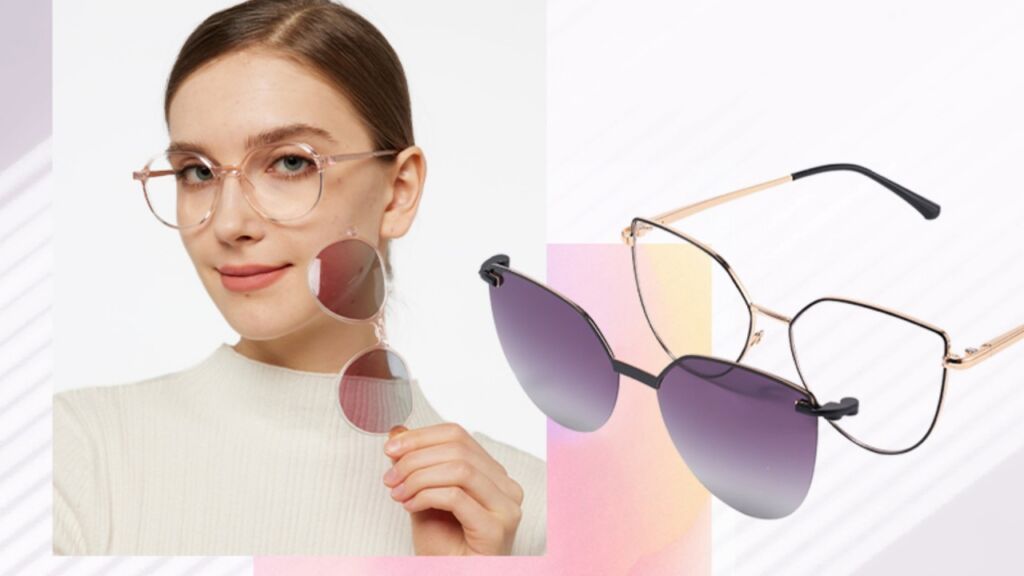
Share this post
2026 Spring/Summer Fashion Trends: When Retro Small-Frame Glasses Meet the Underarm Bag
Fashion has always had a talent for bringing the past back in unexpected ways.A silhouette that once belonged to another decade can...

Soft Aesthetics for Girls with Square Faces: How Rounded Handbags and Gentle Eyeglass Frames Soften Facial Lines
A square face can be striking, elegant, and full of character. Defined by a broader forehead, a relatively straight jawline, and noticeable...
How to Buy Prescription Glasses Online on XCombo
Looking to buy glasses online? XCombo makes it easy to get stylish, high-quality glasses tailored to your prescription. Follow this simple step-by-step...
The Executive Style Code: A Career Guide to Suits, Briefcases, and Sophisticated Eyewear
In the modern workplace, professional style is about much more than wearing expensive clothes.The strongest business wardrobe communicates something before you say...
Street-Cool Style: How to Make Motorcycle Jackets, Belt Bags, and Futuristic Sunglasses Stand Out
Street fashion has never been about following every rule.It is about knowing which rules to break.A motorcycle jacket, a compact belt bag,...

The Art of Color Coordination: How to Match Your Bag With Your Eyeglass Frames for an Effortlessly Sophisticated Look
Fashion is often about the little details.A beautifully tailored outfit can look polished, yet something may still feel incomplete. The reason is...
Dating Night Style Secrets: The Perfect Collision of an Elegant Cocktail Dress, a Chain Evening Bag, and Sophisticated Semi-Rimless Glasses
Dating night is about more than choosing an outfit. It is about creating an impression without looking like you tried too hard....

Effortless French Elegance: The Perfect Pairing of Knitwear, Tote Bags, and Cat-Eye Glasses
There is something undeniably captivating about French style.It is polished without looking overly polished, feminine without being overly delicate, and comfortable without...
A Cross-Textural Conversation: The Tactile Collision of Leather Bags, Tweed Clothing, and Wood-Frame Eyewear
Introduction: When Materials Become the Main CharacterFashion is often discussed in terms of color, silhouette, trend, and season. Yet some of the...

The Ultimate Guide to Vacation-Style Outfits: Floral Dresses, Straw Bags, and Round Sunglasses for Summer
Summer is the season of relaxed mornings, warm afternoons, outdoor dinners, weekend getaways, and long-awaited vacations. It is also the perfect time...
The Romance of Earth Tones in Fall: The Color Aesthetics of Trench Coats, Saddle Bags, and Tea-Tinted Sunglasses
Introduction: Falling in Love With the Colors of AutumnThere is something irresistibly romantic about autumn fashion.As summer fades, bright colors gradually give...
Best Glasses for Your Face Shape: Round, Square, Oval & More
Introduction: The Right Glasses Can Transform Your Entire AppearanceChoosing a pair of glasses is about much more than simply correcting your vision....