Magnets Lose Strength, Mechanical Closures Last: An Economic Audit of Custom Eyewear as a Long-Term Investment
In a marketplace driven by novelty, convenience, and clever marketing, magnetic eyeglass frames have gained attention for their snap-on ease and modular appeal. Clip-on magnetic sunglasses. Detachable temples. Interchangeable front frames. Quick-switch functionality.
At first glance, it feels smart.
But here’s the overlooked question:
What happens after two years? Three? Five?
Magnets weaken. Alignment shifts. Tiny structural inconsistencies become daily annoyances. Meanwhile, precision-engineered mechanical hinges and well-constructed frame closures often endure a decade or more with proper care.
If you wear glasses 8 to 12 hours a day, your eyewear isn’t an accessory—it’s infrastructure. And infrastructure demands durability.
In this comprehensive economic audit, we’ll examine magnetic frame systems versus mechanically secured custom eyewear from a long-term value perspective. We’ll analyze material science, wear cycles, replacement frequency, maintenance costs, structural reliability, and total cost of ownership.
Because sometimes the smartest purchase isn’t the cheapest upfront—it’s the one that performs reliably for years.
The Hidden Physics: Why Magnets Gradually Lose Strength
Magnets function by maintaining aligned magnetic domains within their material structure. Over time, exposure to:
- Repeated mechanical stress
- Temperature fluctuations
- External magnetic fields
- Micro-movements from daily handling
- Minor impacts or drops
can gradually weaken magnetic alignment.
While modern neodymium magnets are strong, they are not immune to degradation. Especially in small-format applications—like thin eyeglass frames—where magnet size is limited by design constraints.
When magnets weaken:
- Attachment becomes less secure
- Clip-ons shift slightly out of alignment
- Frames feel unstable
- Rattling may occur
- Accidental detachment becomes more likely
These changes may be subtle at first—but over years of daily use, performance consistency declines.
Mechanical Closures: Designed for Repetition
Mechanical hinge systems, by contrast, rely on structural engineering rather than magnetic force.
High-quality custom eyewear typically uses:
- Stainless steel hinge barrels
- Titanium hinge assemblies
- Spring hinges with tension control
- Reinforced screw-based pivot systems
These mechanisms are built to withstand thousands of open-close cycles.
Unlike magnets, properly engineered hinges do not lose strength gradually. They may loosen over time—but can be tightened, adjusted, or replaced.
That serviceability matters.
The 10-Year Ownership Test
Let’s analyze two hypothetical consumers.
Consumer A buys magnetic modular frames for $220.
Consumer B invests in custom mechanically hinged frames for $420.
At first glance, Consumer A saved $200.
But now let’s extend the timeline.
Year 1–2
Both are satisfied.
Year 3
Magnetic alignment weakens slightly. Clip-on shifts during movement.
Consumer A replaces clip component: $60.
Year 4
Magnet housing loosens due to frame stress. Replacement required.
New magnetic frame system: $240.
Consumer A total: $520.
Meanwhile, Consumer B:
Minor hinge tightening during routine optical visit: $0–$20.
Year 6–8
Magnetic system replaced again due to structural fatigue.
Consumer A total: $760+.
Custom mechanical frame still functioning with minor maintenance.
Suddenly, the upfront savings evaporate.
Total Cost of Ownership: Beyond Sticker Price
When evaluating eyewear as a long-term investment, consider:
- Initial purchase cost
- Replacement frequency
- Repairability
- Adjustment costs
- Structural longevity
- Compatibility with new lenses
- Frame durability
Magnetic frames often require full system replacement when magnet integrity declines.
Mechanical custom frames allow:
- Hinge replacement
- Screw tightening
- Temple reshaping
- Lens updating without frame replacement
That modular repairability dramatically extends usable life.
Structural Integrity and Frame Stability
Magnetic systems rely on attraction force alone to maintain alignment.
Mechanical closures rely on physical interlocking components.
In real-world use:
- Glasses are removed with one hand
- Placed on desks
- Stored in bags
- Exposed to accidental drops
- Adjusted repeatedly
Mechanical hinges absorb force distribution better than magnet-dependent joints.
Structural consistency translates into comfort.
Comfort Over Time: A Financial Variable
As magnetic components loosen, micro-movements develop.
This can cause:
- Subtle frame shifting
- Nose bridge imbalance
- Uneven temple pressure
- Increased need for readjustment
Discomfort may lead to:
- Reduced wear time
- Frustration
- Earlier replacement decisions
Comfort longevity has economic value.
If a frame remains comfortable for 8–10 years, that stability offsets initial cost differences.
Material Quality in Custom Mechanical Frames
Custom eyewear often uses premium materials such as:
- Aerospace-grade titanium
- High-density cellulose acetate
- Beta-titanium alloys
- Surgical stainless steel
These materials resist:
- Warping
- Corrosion
- Fatigue cracking
- Temperature distortion
Magnetic housings require embedded cavities within frames, which can weaken structural continuity.
Engineering purity matters.
Environmental Durability
Magnets can weaken under:
- High heat (left in cars)
- Repeated impact
- Moisture exposure
Mechanical hinges, especially stainless or titanium variants, are more temperature-stable.
If you live in hot climates or leave glasses in vehicles occasionally, mechanical systems maintain integrity more reliably.
Lens Upgrade Compatibility
Prescription changes every 1–3 years are common.
With custom mechanical frames:
- Lenses can often be replaced without replacing the frame.
- Frame structure remains intact.
With some magnetic systems:
- Lens compatibility depends on modular alignment.
- Replacements may require matching proprietary components.
Proprietary dependency increases long-term cost.
The Economics of Precision Fit
Custom frames are measured to:
- Temple length
- Head width
- Ear asymmetry
- Nose bridge angle
- Lens center alignment
Precision fit reduces:
- Slippage
- Pressure points
- Frame distortion
Poor fit accelerates wear.
Better fit equals longer lifespan.
Spring Hinges vs. Magnetic Flex Points
Spring hinges allow controlled outward flex, absorbing head width variations.
Magnetic attachment points lack this mechanical flexibility.
Repeated flex stress around magnetic cavities can weaken frame material.
Spring hinge systems distribute force along engineered pivot points instead of relying on attachment force alone.
Repair Ecosystem
Mechanical frames:
- Screws can be replaced.
- Hinges can be serviced.
- Nose pads swapped.
- Temples adjusted.
Magnetic systems:
- Often require proprietary part replacements.
- Limited third-party service options.
- Dependence on manufacturer availability.
Repair accessibility directly affects economic lifespan.
Psychological Ownership Value
There is a subtle but important factor in long-term investment: attachment.
Custom frames selected and fitted precisely often become:
- Daily companions
- Personal style anchors
- Reliable tools
Owners maintain them better.
Disposable-feeling modular products are often replaced sooner.
Longevity mindset influences cost efficiency.
The Illusion of Convenience
Magnetic clip-ons offer quick transitions between indoor and outdoor use.
Convenient? Yes.
But alternative long-lasting solutions include:
- Dedicated prescription sunglasses
- High-quality photochromic lenses
- Mechanical clip systems
Magnet convenience should be weighed against durability.
Five-Year Audit Comparison
| Factor | Magnetic Frames | Custom Mechanical Frames |
|---|---|---|
| Upfront Cost | Lower | Higher |
| Structural Lifespan | 2–4 years average | 6–10+ years |
| Repairability | Limited | High |
| Alignment Stability | May degrade | Adjustable |
| Replacement Frequency | Higher | Lower |
| Total 5-Year Cost | Often higher | Often lower |
Long-term economics favor durability.
When Magnetic Systems Make Sense
Magnetic eyewear may suit:
- Short-term fashion use
- Secondary eyewear
- Occasional use cases
- Backup frames
But for primary daily wear, structural reliability should outweigh novelty.
Opportunity Cost: The Hidden Expense
Frequent frame replacement costs:
- Time
- Appointment scheduling
- Adaptation period
- Visual adjustment
- Financial resources
A stable, long-term frame eliminates repeated transitions.
Consistency improves life quality.
Sustainability Considerations
Frequent product turnover increases:
- Material waste
- Manufacturing demand
- Packaging waste
Long-lasting custom frames reduce consumption cycles.
Durability supports environmental responsibility.
Maintenance Best Practices for Long-Term Frames
To maximize economic return:
- Avoid stretching frames with one hand.
- Store in hard case.
- Schedule annual adjustments.
- Replace nose pads periodically.
- Clean properly with microfiber cloth.
Proper care multiplies longevity.
Who Benefits Most from Long-Term Investment Frames?
- Professionals wearing glasses 10+ hours daily
- High-prescription users
- Individuals with progressive lenses
- Remote workers
- Drivers
- Students
If glasses are essential tools, durability becomes non-negotiable.
Financial Perspective: Cost Per Wear
Let’s calculate:
Custom frame cost: $450
Lifespan: 8 years
Daily wear: 300 days per year
Total wears: 2,400 days
Cost per day: $0.19
Less than a quarter per day for stable vision support.
Magnetic system replaced every 3 years at $250:
Over 9 years: $750
Cost per day: Higher—plus inconvenience.
Cost per wear reframes the conversation.
Investment Thinking vs. Purchase Thinking
Purchase thinking asks:
“What’s the cheapest option today?”
Investment thinking asks:
“What performs best over time?”
Eyewear is not seasonal décor.
It’s medical-grade daily equipment.
Precision engineering deserves long-term evaluation.
Final Thoughts: Durability Is Quiet Wealth
Magnets are clever.
Mechanical engineering is enduring.
While magnetic frame systems offer innovation and convenience, their long-term economic efficiency often falls short when subjected to daily wear over years.
Custom mechanically hinged frames may demand higher upfront investment—but their serviceability, stability, repair potential, and structural resilience frequently produce lower lifetime costs.
When evaluating eyewear as a multi-year commitment rather than an impulse purchase, the economic audit becomes clear:
Reliability compounds.
Durability saves.
And precision engineering outlasts novelty.
Share this post
The Romance of Earth Tones in Fall: The Color Aesthetics of Trench Coats, Saddle Bags, and Tea-Tinted Sunglasses
Introduction: Falling in Love With the Colors of AutumnThere is something irresistibly romantic about autumn fashion.As summer fades, bright colors gradually give...
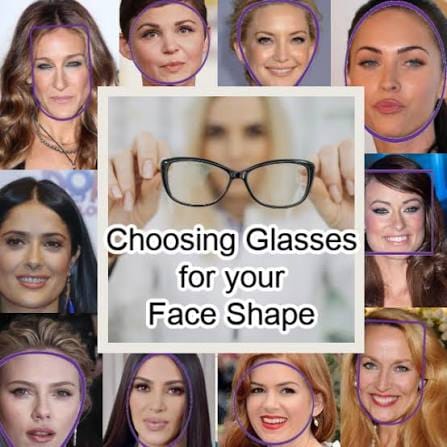
Best Glasses for Your Face Shape: Round, Square, Oval & More
Introduction: The Right Glasses Can Transform Your Entire AppearanceChoosing a pair of glasses is about much more than simply correcting your vision....
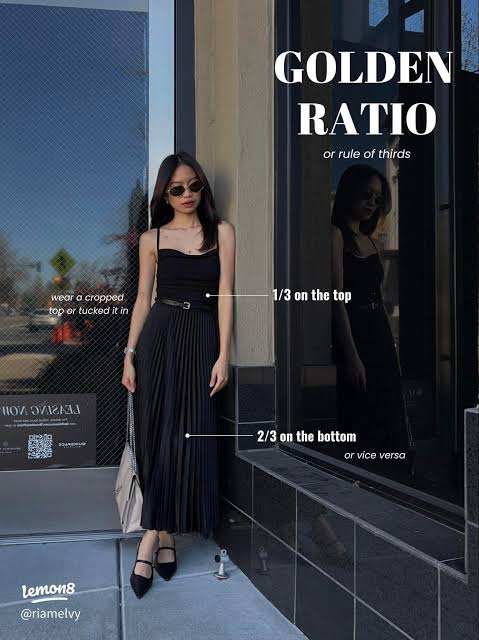
From Head to Toe: The Golden Ratio for Styling Glasses, Clothing, and Bags
Introduction: The Secret to Looking Polished From Head to ToeGreat style is rarely about wearing the most expensive clothes, following every trend,...

Minimalist Style: How Glasses and Bags Add the Perfect Finishing Touch to Black, White, and Gray Outfits
Minimalist fashion is often described as simple, effortless, and timeless. But creating a truly polished minimalist outfit is not as easy as...

Effortless Style: The Perfect Chemistry of Oversized Sweatshirts, Crossbody Bags, and Vintage Metal-Frame Glasses
Introduction: Why Relaxed Style Feels So RightFashion does not always have to look carefully calculated.Sometimes, the most appealing outfit is the one...

The Symphony of Metallic Elements: The Art of Layering Belt Buckles, Chain Bags, and Metal Frames
Introduction: When Metal Becomes a Fashion LanguageFashion has always been a conversation between materials, shapes, and personal expression. Among all design elements,...
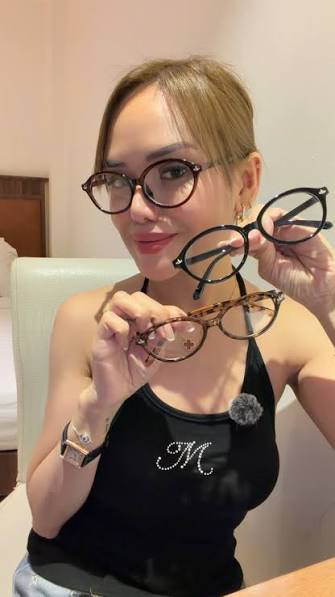
Eyeglasses as the Finishing Touch: How to Make Your Frames Blend Perfectly Into Your Everyday Outfits
Eyeglasses are more than a tool for clearer vision. Today, they are one of the most powerful accessories in a modern wardrobe....
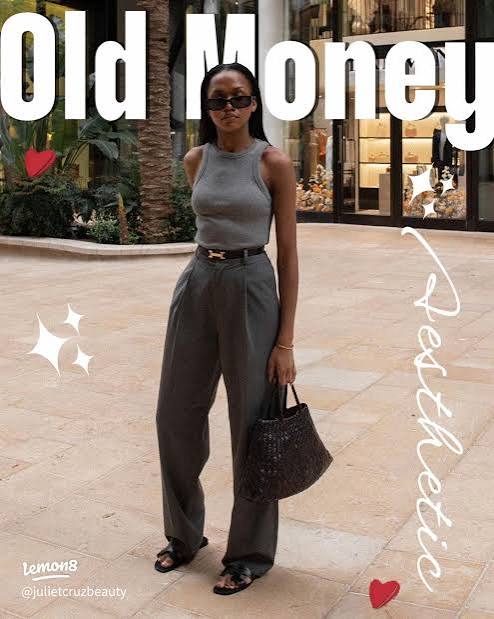
Old Money Style Guide: How Cashmere Coats, Premium Leather Bags, and Classic Black Frame Glasses Create Timeless Elegance
Introduction: Understanding the True Meaning of Old Money FashionFashion trends come and go, but true elegance has always been about something deeper...
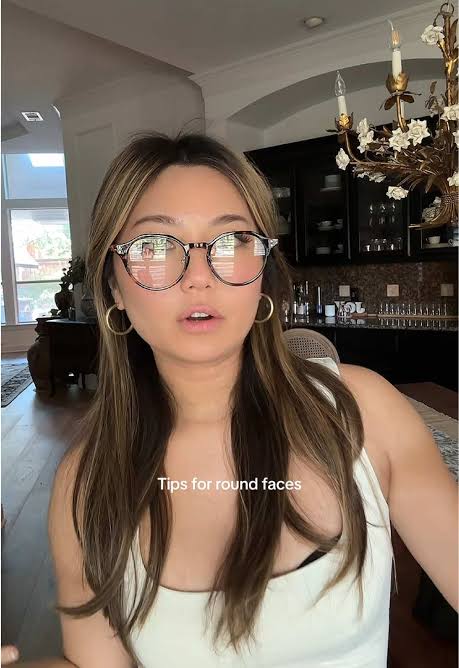
The Ultimate Style Rescue for Round-Faced Women: How Necklines, Bag Placement, and Geometric Glasses Create a Slimmer Look
Introduction: Redefining Beauty Beyond Face ShapeFor many women with round faces, getting dressed can sometimes feel like a constant battle. The cheeks...
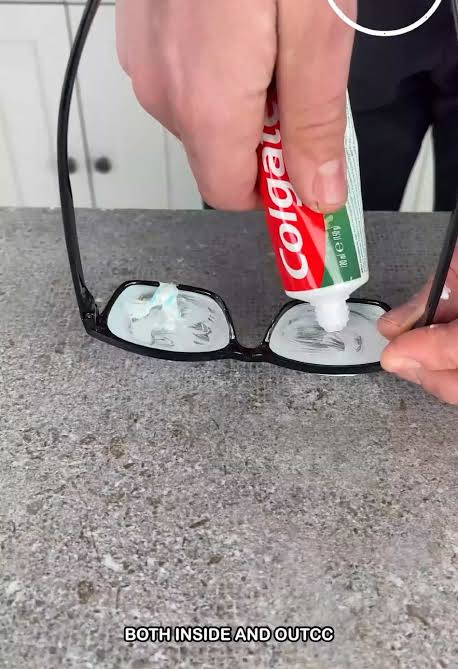
One Swipe, Crystal Clear: The Ultimate Guide to Efficient Eyeglass Cleaning
Introduction: Clear Vision Starts With Proper Lens CareFor millions of people around the world, eyeglasses are an essential part of daily life....

Eyeglasses as the Finishing Touch to Your Outfit: How Frame Shapes Can Elevate Your Style
Introduction: Eyeglasses as the Ultimate Fashion AccessoryWhen people think about fashion accessories, they often consider watches, jewelry, handbags, shoes, or clothing details....
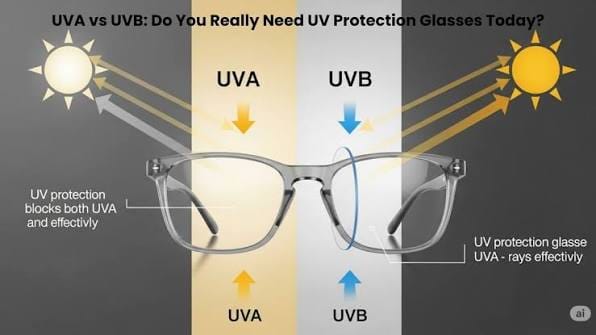
Blue Light Protection or UV Protection? Common Mistakes When Choosing Eye Protection Glasses
Introduction: Choosing the Right Eye Protection Is More Complicated Than It LooksEyeglasses have evolved far beyond simple vision correction tools. Today, consumers...