
Why Your Glasses Keep Getting Looser Over Time: How Improper Handling Causes Hidden Structural Damage
Glasses are designed to be durable, precise, and comfortable. Yet many people notice the same frustrating pattern: a new pair fits perfectly at first, but after weeks or months of daily wear, the frames begin slipping down the nose, tilting unevenly, or feeling unstable. Tightening screws helps temporarily, but the looseness always seems to return.
What most wearers don’t realize is that this problem rarely comes from poor manufacturing. In fact, the main culprit is usually how glasses are handled throughout the day. Small habits—especially how you remove, store, and adjust your eyewear—create gradual structural stress that accumulates over time.
This guide explains why glasses loosen, what actually happens inside the frame structure, and how to prevent long-term damage using simple daily techniques. Whether you wear lightweight titanium frames, acetate fashion glasses, or customized asymmetrical designs, understanding these mechanics can extend the lifespan of your eyewear by years.
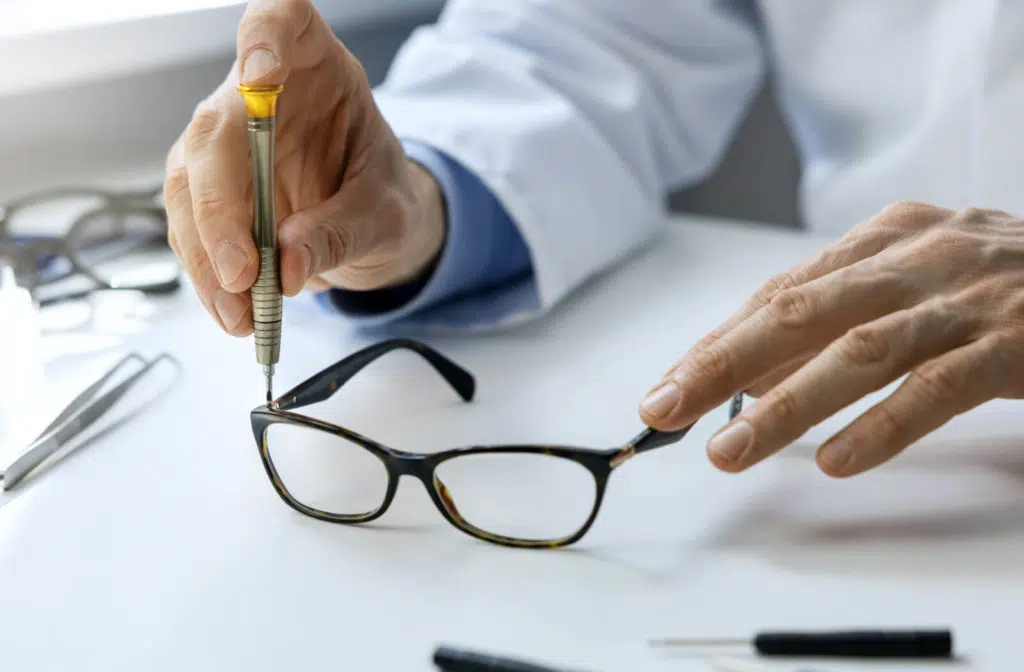
The Hidden Engineering Behind a Stable Pair of Glasses
Before discussing damage, it helps to understand how glasses are engineered.
A properly fitted frame distributes pressure across three main contact zones:
- Nose bridge
- Temple arms (behind the ears)
- Hinge alignment
These areas work together as a balanced system. When the geometry is correct:
- Weight distributes evenly.
- The frame maintains optical alignment.
- Lenses sit at the intended angle for accurate vision correction.
- Pressure points remain minimal.
Even tiny distortions—often invisible to the eye—can disrupt this balance.
Unlike rigid objects, most frames are designed with controlled flexibility. This allows comfort and adaptability but also makes them vulnerable to repetitive stress caused by improper handling.
Why Glasses Loosen Gradually Instead of Suddenly
People often expect damage to appear immediately after an accident. But eyewear deterioration usually behaves differently.
Glasses loosen through micro-deformation, which means:
- Small stresses slightly bend materials.
- Each bend remains partially permanent.
- Damage accumulates slowly.
Think of bending a paperclip repeatedly. One bend doesn’t break it—but hundreds eventually do.
Daily habits create the same effect in eyewear.
Common symptoms include:
- Frames sliding down your nose
- One lens sitting higher than the other
- Temples widening outward
- Increased need for adjustments
- Screws loosening frequently
These signs indicate structural fatigue rather than simple wear.
The Biggest Mistake: Removing Glasses With One Hand
The most common cause of loosening is removing glasses using one hand.
It feels natural. You grab one temple arm and pull the glasses off quickly. But mechanically, this creates uneven force distribution.
What Happens Structurally
When removed with one hand:
- One hinge absorbs nearly all the torque.
- The frame twists diagonally.
- Hinges stretch asymmetrically.
- Temple alignment shifts outward.
Over time, this results in:
- Uneven fit
- Permanent frame widening
- Increased hinge play
Even flexible spring hinges are not immune. They are designed for symmetrical expansion—not repeated one-sided torque.
The Correct Technique
Always remove glasses using both hands simultaneously:
- Hold both temple arms.
- Pull forward evenly.
- Avoid twisting motion.
This single habit change dramatically reduces long-term deformation.
Daily Habits That Quietly Damage Your Frames
Many structural problems come from behaviors people rarely question.
1. Wearing Glasses on Top of Your Head
Placing glasses on your head stretches temples wider than their intended resting position.
Hair thickness and skull width force the frame outward, causing:
- Temple overextension
- Reduced clamping force
- Slippage during wear
Over time, glasses “remember” this widened shape.
2. Hanging Glasses From Clothing
Hooking frames onto collars or pockets introduces downward tension and swinging motion, stressing hinges repeatedly.
3. Sleeping With Glasses On
Even short naps can bend frames under body weight or pillow pressure.
4. Frequent One-Side Adjustments
Pushing glasses up using one finger on one side introduces repeated asymmetric pressure similar to one-handed removal.
Material Matters: How Different Frame Types Respond to Stress
Not all glasses loosen for the same reasons. Materials react differently to handling habits.
Acetate Frames
Acetate is flexible and adjustable but sensitive to heat and pressure.
Common issues:
- Gradual widening
- Warped bridge alignment
- Memory distortion from improper storage
Metal Frames
Metal frames resist deformation better but suffer from fatigue at hinge joints.
Repeated stress may cause:
- Screw loosening
- Micro-bending
- Reduced spring tension
Titanium Frames
Titanium offers elasticity and durability, yet repeated torque can still alter alignment subtly.
Because titanium returns to shape easily, users often overlook damage until misalignment becomes severe.
Customized or Asymmetrical Frames
Custom designs rely heavily on precise geometry. Small distortions impact comfort more noticeably than standard frames.
Improper handling affects them faster because balance tolerances are tighter.
The Role of Hinges: Small Components, Big Problems
Hinges are the mechanical heart of eyewear stability.
Each hinge contains:
- Micro screws
- Rotational joints
- Tension mechanisms
Improper handling accelerates wear through:
- Lateral stress
- Overextension
- Uneven rotational force
Loose screws are often symptoms—not causes—of structural imbalance.
If screws repeatedly loosen, the frame is likely twisting during daily handling.
Environmental Factors That Accelerate Loosening
Handling habits combine with environmental stressors.
Heat Exposure
Heat softens plastic frames and expands metal components.
Sources include:
- Car dashboards
- Heating vents
- Direct sunlight
Softened materials deform more easily during normal handling.
Cold Temperatures
Cold makes materials brittle, increasing risk of micro-fractures during bending.
Humidity and Sweat
Moisture weakens screw grip and promotes corrosion, reducing hinge stability.
How Improper Cleaning Contributes to Structural Damage
Cleaning methods also affect frame integrity.
Common Mistakes
- Using clothing instead of microfiber cloths
- Twisting frames while wiping lenses
- Holding one temple while cleaning
These actions introduce torque similar to improper removal.
Better Cleaning Practice
- Hold frame by bridge.
- Support both sides evenly.
- Use gentle, balanced pressure.
Cleaning should stabilize—not stress—the structure.
Warning Signs Your Glasses Are Developing Structural Damage
Early detection prevents permanent deformation.
Watch for:
- Glasses sliding despite clean nose pads
- Uneven pressure behind ears
- Lenses appearing tilted in photos
- One temple closing tighter than the other
- Frequent need for professional adjustments
Ignoring early signs often leads to irreversible frame distortion.
Professional Adjustments vs. At-Home Fixes
Many people attempt DIY fixes, which sometimes worsen problems.
Safe At-Home Actions
- Tightening visibly loose screws carefully
- Cleaning hinges
- Using proper storage cases
Risky Adjustments
Avoid:
- Bending metal frames manually
- Heating plastic frames with hair dryers
- Twisting temples inward
Professional optical tools distribute pressure evenly—hands do not.
Travel and Commuting: High-Risk Moments for Frame Damage
Glasses face peak stress during movement-heavy routines.
Common Travel Mistakes
- Tossing glasses into bags without cases
- Storing lenses face-down
- Packing under heavy items
Pressure combined with vibration gradually misaligns frames.
Safer Storage Strategy
Use a rigid case and place it:
- Near the top of luggage
- Away from heavy electronics
- Inside dedicated compartments
How Fit Changes Affect Vision Quality
Loose frames don’t just affect comfort—they affect vision.
Optical prescriptions assume precise positioning:
- Lens height
- Vertex distance
- Tilt angle
When frames loosen:
- Optical centers shift
- Eye strain increases
- Peripheral distortion appears
- Headaches may occur
Even small alignment changes can reduce prescription effectiveness.
Daily Habits That Keep Glasses Tight Longer
Adopting consistent routines protects structural integrity.
The 10-Second Daily Routine
- Remove glasses with both hands.
- Place them in a case when not worn.
- Avoid head placement.
- Clean gently with balanced grip.
- Store away from heat sources.
Consistency matters more than complexity.
Weekly Maintenance Checklist
Once per week:
- Inspect screws visually.
- Check symmetry by placing glasses on a flat surface.
- Clean hinges with lens-safe solution.
- Wipe nose pads thoroughly.
Early maintenance prevents cumulative stress.
Long-Term Care for Custom Frames
Custom eyewear often represents higher investment and personalized design.
Protect them by:
- Scheduling periodic professional adjustments.
- Avoiding habit-based stress patterns.
- Using travel cases consistently.
- Rotating between multiple pairs when possible.
Rotation reduces continuous mechanical fatigue.
Why Tightening Screws Alone Doesn’t Solve the Problem
Many users repeatedly tighten screws but see no lasting improvement.
This happens because:
- Frame geometry has already changed.
- Hinges compensate for misalignment.
- Stress redistributes unevenly.
True correction requires restoring overall symmetry, not just tightening components.
The Psychology of Convenience vs. Longevity
Improper habits persist because they are convenient.
One-handed removal saves seconds. Placing glasses on your head feels effortless. Tossing them into a bag seems harmless.
But eyewear longevity depends on repeated micro-decisions made throughout the day.
Small improvements in handling habits produce large gains over months and years.
How Optical Professionals Restore Alignment
When adjustments are performed professionally, opticians:
- Measure temple symmetry
- Adjust hinge tension evenly
- Rebalance nose bridge pressure
- Restore lens alignment angles
These corrections address system balance rather than isolated parts.
Understanding this helps users appreciate why prevention is easier than repair.
Building Better Habits Without Thinking About Them
The best maintenance routines become automatic.
Try habit pairing:
- Remove glasses → immediately place in case.
- Clean lenses → hold both temples.
- Finish workday → quick symmetry check.
Within weeks, protective handling becomes instinctive.
The Lifespan Difference Proper Handling Makes
With improper habits, frames may loosen noticeably within months.
With proper handling:
- Structural stability lasts years.
- Adjustments become infrequent.
- Comfort remains consistent.
- Optical accuracy stays intact longer.
Many frames replaced prematurely are structurally repairable—but habit damage accumulates quietly.
Final Thoughts: Your Glasses Reflect Your Daily Habits
Glasses are precision tools worn constantly, yet they endure thousands of small stresses every week. Most loosening problems are not defects—they are mechanical responses to repeated asymmetric handling.
By understanding how structural damage occurs, you gain control over your eyewear’s longevity.
Remember the core principles:
- Use two hands when removing glasses.
- Avoid stretching frames unnecessarily.
- Store them properly every time.
- Maintain balanced handling during cleaning and adjustments.
These small changes require almost no extra effort but dramatically extend the life, comfort, and performance of your eyewear.
Treat your glasses less like accessories and more like finely tuned instruments—and they will continue to fit as perfectly as the day you first wore them.
Share this post
The Romance of Earth Tones in Fall: The Color Aesthetics of Trench Coats, Saddle Bags, and Tea-Tinted Sunglasses
Introduction: Falling in Love With the Colors of AutumnThere is something irresistibly romantic about autumn fashion.As summer fades, bright colors gradually give...
Best Glasses for Your Face Shape: Round, Square, Oval & More
Introduction: The Right Glasses Can Transform Your Entire AppearanceChoosing a pair of glasses is about much more than simply correcting your vision....
From Head to Toe: The Golden Ratio for Styling Glasses, Clothing, and Bags
Introduction: The Secret to Looking Polished From Head to ToeGreat style is rarely about wearing the most expensive clothes, following every trend,...

Minimalist Style: How Glasses and Bags Add the Perfect Finishing Touch to Black, White, and Gray Outfits
Minimalist fashion is often described as simple, effortless, and timeless. But creating a truly polished minimalist outfit is not as easy as...
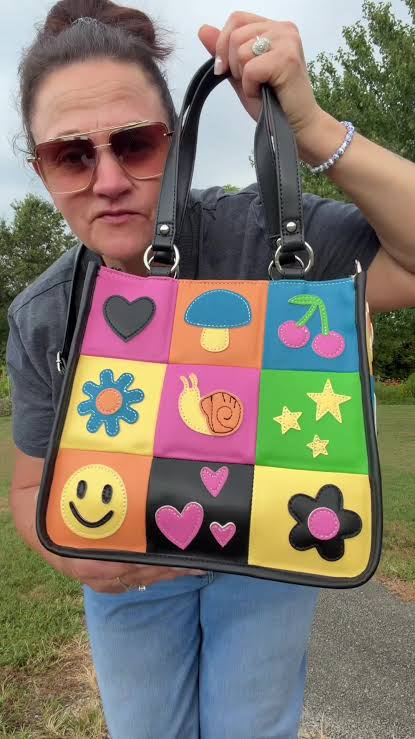
Effortless Style: The Perfect Chemistry of Oversized Sweatshirts, Crossbody Bags, and Vintage Metal-Frame Glasses
Introduction: Why Relaxed Style Feels So RightFashion does not always have to look carefully calculated.Sometimes, the most appealing outfit is the one...

The Symphony of Metallic Elements: The Art of Layering Belt Buckles, Chain Bags, and Metal Frames
Introduction: When Metal Becomes a Fashion LanguageFashion has always been a conversation between materials, shapes, and personal expression. Among all design elements,...
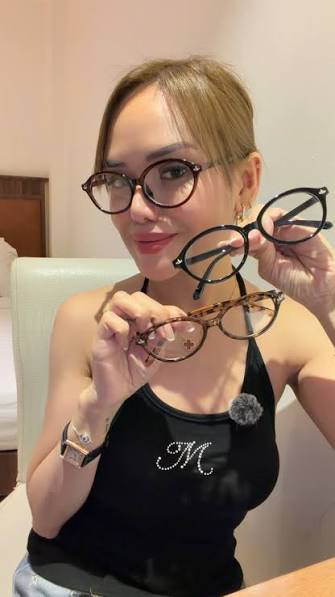
Eyeglasses as the Finishing Touch: How to Make Your Frames Blend Perfectly Into Your Everyday Outfits
Eyeglasses are more than a tool for clearer vision. Today, they are one of the most powerful accessories in a modern wardrobe....

Old Money Style Guide: How Cashmere Coats, Premium Leather Bags, and Classic Black Frame Glasses Create Timeless Elegance
Introduction: Understanding the True Meaning of Old Money FashionFashion trends come and go, but true elegance has always been about something deeper...

The Ultimate Style Rescue for Round-Faced Women: How Necklines, Bag Placement, and Geometric Glasses Create a Slimmer Look
Introduction: Redefining Beauty Beyond Face ShapeFor many women with round faces, getting dressed can sometimes feel like a constant battle. The cheeks...
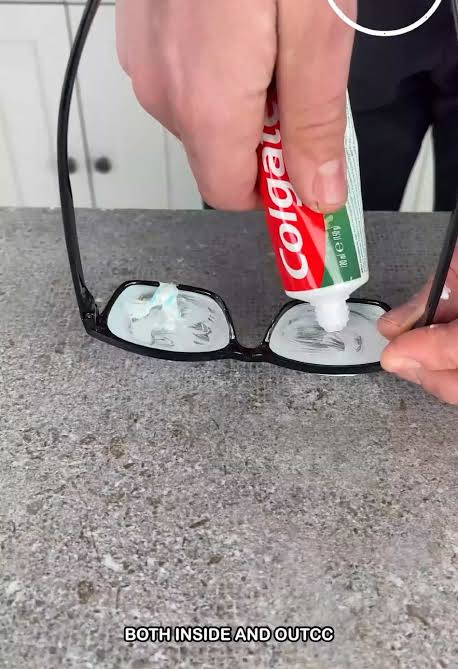
One Swipe, Crystal Clear: The Ultimate Guide to Efficient Eyeglass Cleaning
Introduction: Clear Vision Starts With Proper Lens CareFor millions of people around the world, eyeglasses are an essential part of daily life....

Eyeglasses as the Finishing Touch to Your Outfit: How Frame Shapes Can Elevate Your Style
Introduction: Eyeglasses as the Ultimate Fashion AccessoryWhen people think about fashion accessories, they often consider watches, jewelry, handbags, shoes, or clothing details....
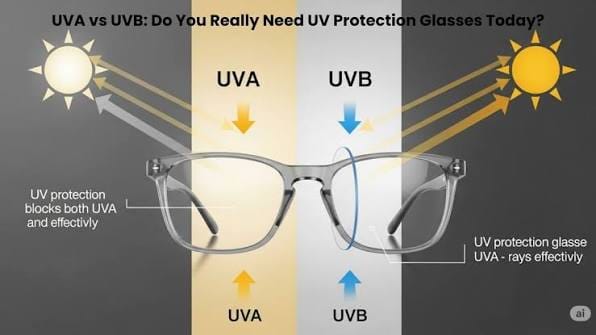
Blue Light Protection or UV Protection? Common Mistakes When Choosing Eye Protection Glasses
Introduction: Choosing the Right Eye Protection Is More Complicated Than It LooksEyeglasses have evolved far beyond simple vision correction tools. Today, consumers...