
The Architecture of Presence: Why Custom Eyewear Makes Your Eyes Look More Alive
Some people walk into a room and immediately command attention. Their presence feels balanced, confident, and intentional — even before they speak. Often, the difference is subtle rather than dramatic. It isn’t louder clothing, brighter colors, or exaggerated styling.
It’s alignment.
In architecture, alignment determines how a building feels to those who experience it. Proportion, structure, light, and framing influence emotional perception long before conscious analysis begins. Surprisingly, the same principles apply to the human face — especially the eyes.
Custom eyewear functions much like architectural design for your facial structure. When properly tailored, glasses don’t simply correct vision. They reshape visual balance, redirect attention, enhance perceived energy, and make the eyes appear clearer, brighter, and more expressive.
This article explores the “architecture of presence” — why customized eyewear transforms how eyes look and how others perceive confidence, intelligence, and vitality.
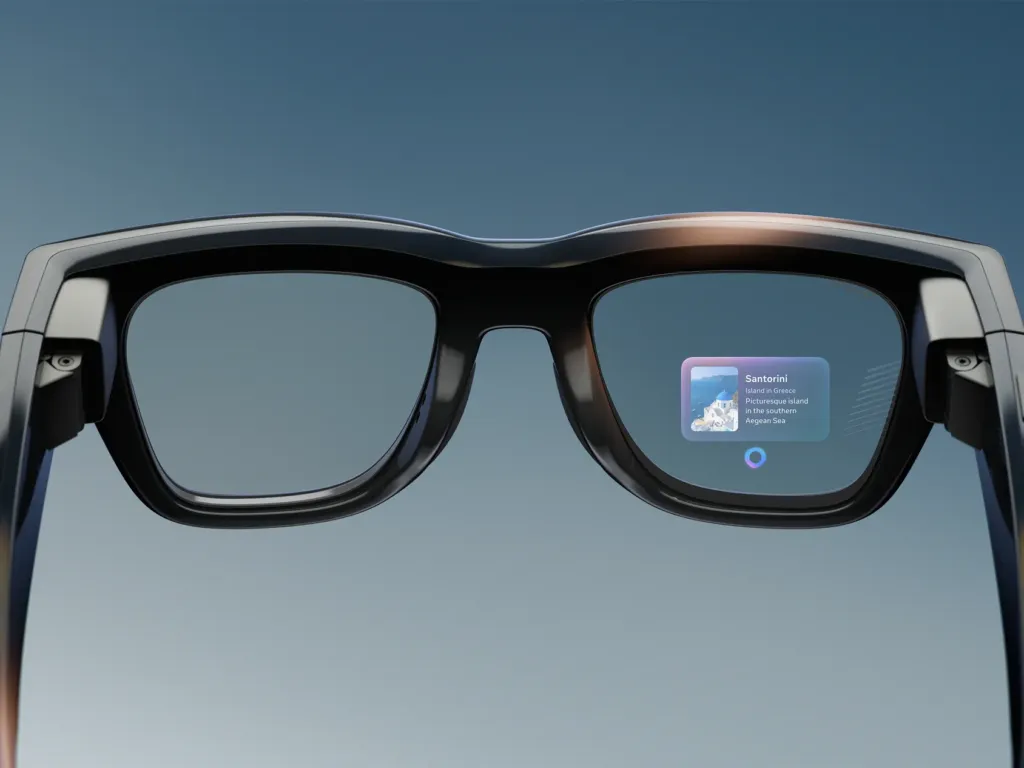
Seeing the Face as Architecture
Architecture is not merely construction; it is organized perception.
Great buildings guide the viewer’s eye intentionally. Lines lead attention. Proportions create harmony. Openings control light. Structure shapes emotional response.
Your face operates under similar visual rules.
The human brain reads faces using spatial relationships:
- Eye spacing
- Brow alignment
- Nose width
- Cheekbone angles
- Jaw proportion
- Light reflection patterns
Eyewear sits at the exact center of this visual system.
Because glasses frame the eyes — the primary focal point of human interaction — even small design adjustments can dramatically change perceived expression.
Custom eyewear works like architectural refinement: adjusting structure without altering identity.
Why the Eyes Define Presence
Psychologists consistently find that eye contact dominates social perception.
Within milliseconds of meeting someone, observers subconsciously evaluate:
- attentiveness
- confidence
- intelligence
- emotional openness
- trustworthiness
The eyes communicate these traits more strongly than any other facial feature.
But here’s the hidden truth:
People rarely perceive eyes alone. They perceive the frame around the eyes.
That frame may be bone structure, makeup, hairstyle — or eyewear.
When glasses align correctly with facial geometry, they amplify natural expression. When misaligned, they dull it.
The Problem with Standard Eyewear
Mass-produced frames are designed for statistical averages.
They assume:
- average bridge height
- average pupil distance
- average face width
- average temple angle
Yet no face is truly average.
Even small mismatches cause subtle visual distortions:
- eyes appear smaller
- gaze looks tired
- asymmetry becomes noticeable
- reflections obscure eye contact
People often blame fatigue or aging when the real issue is improper framing.
Custom eyewear corrects these structural mismatches.
Architectural Principle #1: Proportion Creates Harmony
In architecture, proportion determines whether a building feels balanced or awkward.
The same applies to eyewear.
Frame Width vs. Face Width
If frames are too wide:
- eyes appear recessed
- expression weakens
If too narrow:
- face looks compressed
- tension appears around eyes
Custom fitting aligns frame edges with facial proportions, creating equilibrium that naturally draws attention toward the eyes.
Lens Height and Eye Energy
Lens height affects perceived openness.
Higher lenses:
- allow more visible eye movement
- increase brightness perception
- create intellectual or approachable impressions
Lower lenses:
- reduce emotional visibility
- sometimes create a stern appearance
Customization ensures the lens supports your natural expression rather than restricting it.
Architectural Principle #2: Framing Directs Attention
Architects use windows to control where people look.
Eyewear does the same thing.
Frames act as visual guides that tell observers:
“Focus here.”
The Invisible Triangle of Attention
When someone looks at your face, attention typically forms a triangle:
- Left eye
- Right eye
- Mouth
Well-designed eyewear strengthens this triangle by stabilizing the eye region visually.
Poorly fitted glasses interrupt it through:
- glare
- misalignment
- disproportionate thickness
Custom eyewear optimizes this visual pathway, making eye contact feel stronger and more natural.
Architectural Principle #3: Light Is Everything
Architects don’t design walls — they design light.
Similarly, eyewear determines how light interacts with your eyes.
How Light Affects Eye Vitality
Bright, lively eyes depend on controlled reflection.
Incorrect lenses may cause:
- shadowing under brows
- reflection covering pupils
- dull eye appearance
Custom lenses adjust:
- tilt angle
- coating selection
- optical center placement
These adjustments allow light to illuminate eyes instead of obscuring them.
The result is subtle but powerful: eyes appear clearer and more awake.
Optical Centering: The Hidden Science Behind Lively Eyes
One of the biggest advantages of custom eyewear is precise optical alignment.
Mass frames place lenses according to general measurements.
Custom eyewear positions lenses based on:
- individual pupil distance
- eye dominance
- natural head posture
When alignment is correct:
- eyes appear centered within lenses
- gaze looks steady
- facial symmetry improves visually
Observers interpret this as confidence and engagement.
The Psychology of Visual Stability
Humans are highly sensitive to symmetry and stability.
Small visual inconsistencies create subconscious discomfort.
Examples include:
- uneven lens height
- crooked frames
- misaligned nose bridge
Even when barely noticeable, these details reduce perceived clarity of expression.
Custom adjustments restore visual stability — similar to correcting structural imbalance in architecture.
How Custom Frames Enhance Eye Shape
Different eye shapes benefit from different structural approaches.
Round Eyes
Angular frames add definition and intensity.
Narrow Eyes
Slightly taller lenses increase openness.
Deep-Set Eyes
Thinner rims reduce shadowing.
Prominent Eyes
Balanced frame depth softens projection.
Customization ensures the frame collaborates with anatomy rather than competing with it.
The Role of Bridge Design
The bridge is the foundation of eyewear architecture.
Just as building foundations determine structural harmony, bridge design controls facial balance.
A poorly fitted bridge can:
- shift focus away from eyes
- create pressure marks
- cause sliding that disrupts alignment
Custom bridges stabilize positioning, keeping eyes consistently centered.
Consistency strengthens perceived presence.
Color Theory and Eye Enhancement
Architecture uses color to influence mood and spatial perception.
Eyewear color subtly affects how eye color appears.
Warm Frame Tones
Enhance brown and hazel eyes.
Cool Tones
Highlight blue and gray eyes.
Transparent Frames
Increase perceived openness and modernity.
Customization considers skin undertone, hair color, and eye pigment simultaneously.
The goal isn’t decoration — it’s amplification.
Why Fit Changes Expression Over Time
Improper glasses gradually shift position during wear.
As frames slide:
- optical alignment changes
- reflections increase
- eye contact weakens
Custom-fitted eyewear maintains stable positioning throughout the day, preserving expressive clarity.
The Confidence Feedback Loop
When vision improves and appearance aligns naturally, behavior changes.
Wearers often experience:
- stronger eye contact
- improved posture
- reduced facial tension
- increased social confidence
Observers interpret these behavioral shifts as charisma or presence.
In reality, structural harmony enables natural expression.
Minimalism and Visual Authority
Architectural minimalism removes distraction to emphasize essential form.
Custom eyewear follows the same philosophy.
Instead of overpowering the face, well-designed frames:
- disappear visually
- enhance structure quietly
- let eyes become the focal point
This subtlety often reads as sophistication.

Why Customization Matters More in the Digital Age
Video calls and high-resolution cameras amplify facial details.
Misaligned frames that once went unnoticed now appear clearly on screen.
Custom eyewear improves:
- camera symmetry
- reflection control
- eye visibility under artificial lighting
Eyes appear sharper and more engaged during virtual communication.
Ergonomics and Eye Relaxation
Comfort directly influences expression.
Poorly fitted glasses cause micro-tension around:
- temples
- brows
- nose muscles
This tension makes eyes look tired.
Custom ergonomic fitting reduces strain, allowing facial muscles to relax naturally.
Relaxed muscles create brighter-looking eyes.
Longevity: Architecture Built to Last
Architecture values durability alongside beauty.
Custom eyewear typically lasts longer because:
- stress distributes evenly
- frames fit without distortion
- adjustments are minimized
Longevity maintains consistent visual presence over years.
The Emotional Dimension of Design
People often describe custom eyewear as feeling “more like themselves.”
This reaction occurs because alignment reduces visual friction.
When structure matches identity, expression becomes effortless.
Eyes appear more alive not because they changed — but because nothing interferes with them anymore.
Choosing Custom Eyewear Thoughtfully
Key considerations include:
- facial proportions
- lifestyle needs
- lighting environments
- posture habits
- aesthetic preferences
Customization blends technical measurement with personal expression.
The Future of Eyewear as Personal Architecture
Advances in scanning and design technology are turning eyewear into personalized structural design.
Future customization increasingly considers:
- facial motion dynamics
- ergonomic behavior
- digital viewing habits
- environmental lighting patterns
Eyewear is evolving from accessory to adaptive design.
Final Thoughts: Designing Presence, Not Just Vision
Architecture teaches us that space influences emotion long before conscious awareness.
Custom eyewear applies this principle to the face.
By refining proportion, guiding light, stabilizing alignment, and enhancing natural structure, customized frames allow the eyes — the most expressive part of human communication — to function at their full visual potential.
The result isn’t louder style or artificial enhancement.
It’s clarity.
When eyewear becomes architectural rather than decorative, presence emerges naturally. Eyes look brighter, expressions feel authentic, and communication becomes effortless.
In the end, custom eyewear does not change who you are.
It simply removes the structural obstacles standing between your eyes and the world — allowing your natural energy, focus, and personality to be seen clearly, exactly as intended.

Share this post
How Should Your Glasses Fit for Comfort and Style?
Choosing the right pair of eyeglasses is about more than finding a frame design you like. A properly fitted pair of glasses...
How to Install and Remove the Top Frame
How to Install Your XCombo TopperCheck Left & RightMake sure each topper is on the correct side.Attach at the Nose BridgeAlign the...
Say Goodbye to an Awkward Look: How to Choose the Right Eyeglasses Based on Your Body Proportions and Bag Size
Eyeglasses are more than a vision-correction tool. They are also an important fashion accessory that can influence the balance, proportion, and overall...
Say Goodbye to Awkward Proportions: How to Choose the Right Glasses for Your Body Shape and Bag Size
Accessories can transform an ordinary outfit into a polished, thoughtfully coordinated look. A beautiful handbag adds personality, while the right pair of...
2026 Spring/Summer Fashion Trends: When Retro Small-Frame Glasses Meet the Underarm Bag
Fashion has always had a talent for bringing the past back in unexpected ways.A silhouette that once belonged to another decade can...
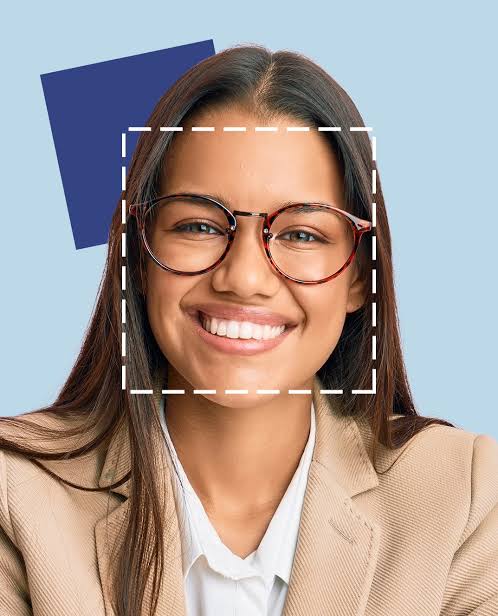
Soft Aesthetics for Girls with Square Faces: How Rounded Handbags and Gentle Eyeglass Frames Soften Facial Lines
A square face can be striking, elegant, and full of character. Defined by a broader forehead, a relatively straight jawline, and noticeable...
How to Buy Prescription Glasses Online on XCombo
Looking to buy glasses online? XCombo makes it easy to get stylish, high-quality glasses tailored to your prescription. Follow this simple step-by-step...
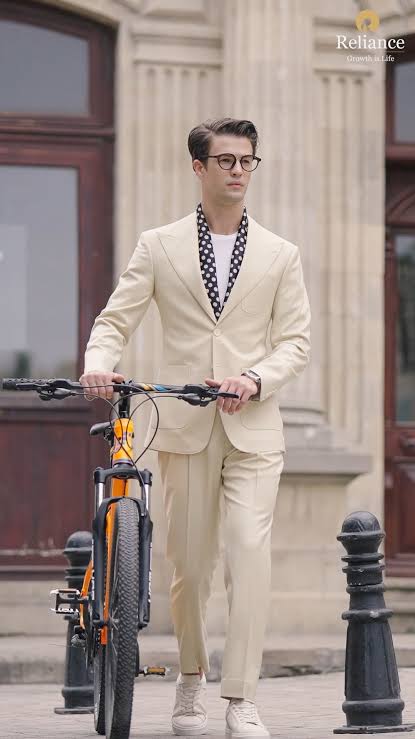
The Executive Style Code: A Career Guide to Suits, Briefcases, and Sophisticated Eyewear
In the modern workplace, professional style is about much more than wearing expensive clothes.The strongest business wardrobe communicates something before you say...
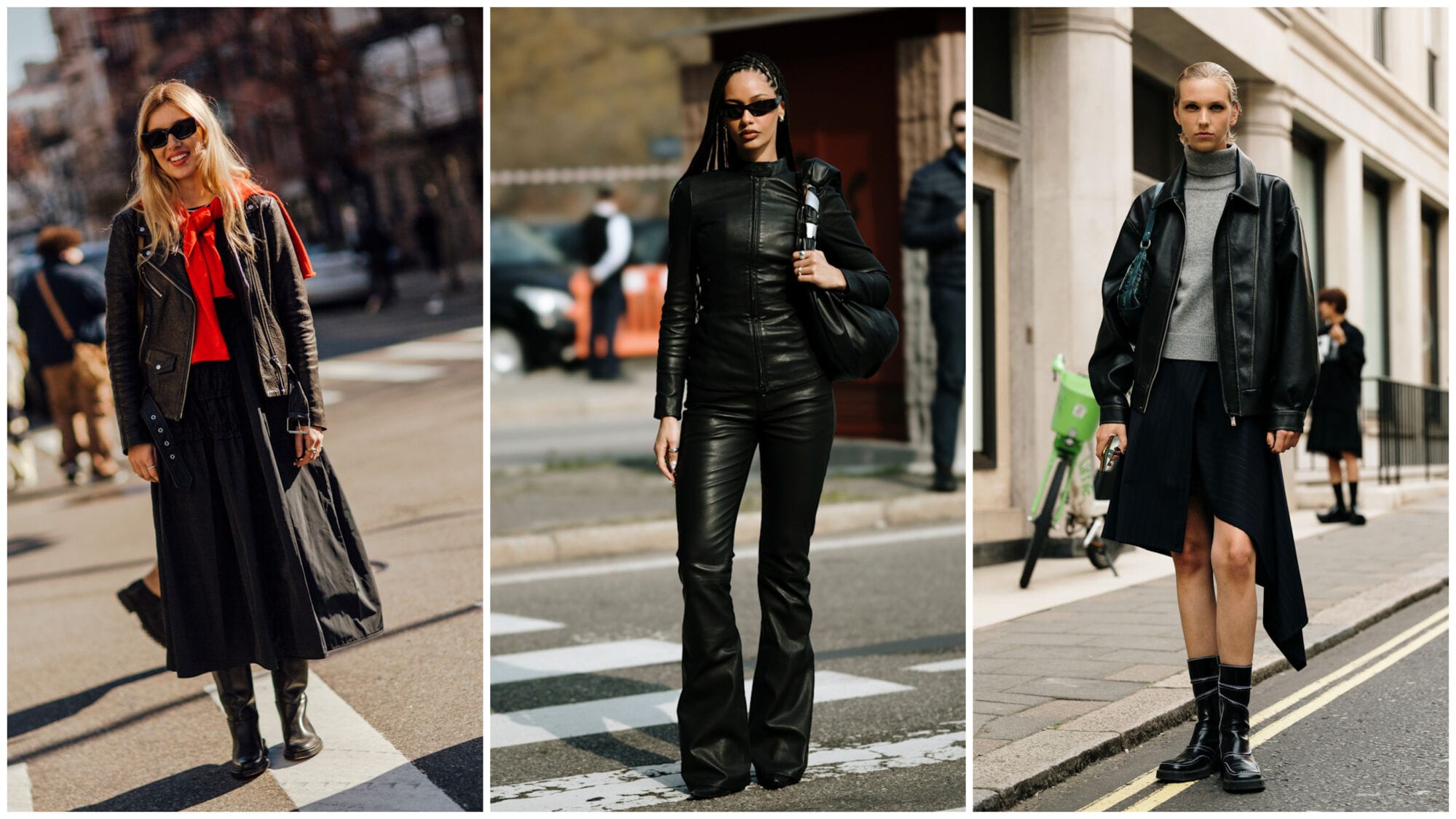
Street-Cool Style: How to Make Motorcycle Jackets, Belt Bags, and Futuristic Sunglasses Stand Out
Street fashion has never been about following every rule.It is about knowing which rules to break.A motorcycle jacket, a compact belt bag,...

The Art of Color Coordination: How to Match Your Bag With Your Eyeglass Frames for an Effortlessly Sophisticated Look
Fashion is often about the little details.A beautifully tailored outfit can look polished, yet something may still feel incomplete. The reason is...
Dating Night Style Secrets: The Perfect Collision of an Elegant Cocktail Dress, a Chain Evening Bag, and Sophisticated Semi-Rimless Glasses
Dating night is about more than choosing an outfit. It is about creating an impression without looking like you tried too hard....
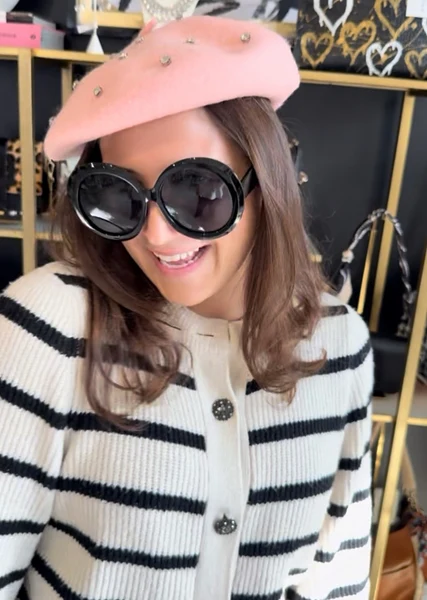
Effortless French Elegance: The Perfect Pairing of Knitwear, Tote Bags, and Cat-Eye Glasses
There is something undeniably captivating about French style.It is polished without looking overly polished, feminine without being overly delicate, and comfortable without...