
Screwless Glasses Maintenance Guide: Daily Care Tips for Precision Mechanical Eyewear
Screwless glasses are becoming increasingly popular among people who value lightweight comfort, minimalist design, and advanced engineering. Unlike traditional eyewear that relies on tiny screws to connect hinges and frame components, screwless glasses use innovative mechanical structures such as interlocking joints, flexible memory metal systems, snap-fit hinges, or tension-based assemblies.
These modern frames are stylish, durable, and often more comfortable than conventional eyeglasses. However, their unique construction also means they require a different approach to maintenance and care.
If you own screwless eyewear—or are considering investing in a pair—understanding how to maintain the mechanical structure properly can significantly extend the lifespan of your glasses and preserve their performance.
This complete guide covers everything you need to know about daily screwless glasses maintenance, including cleaning methods, hinge care, storage habits, common mistakes to avoid, and long-term durability tips.
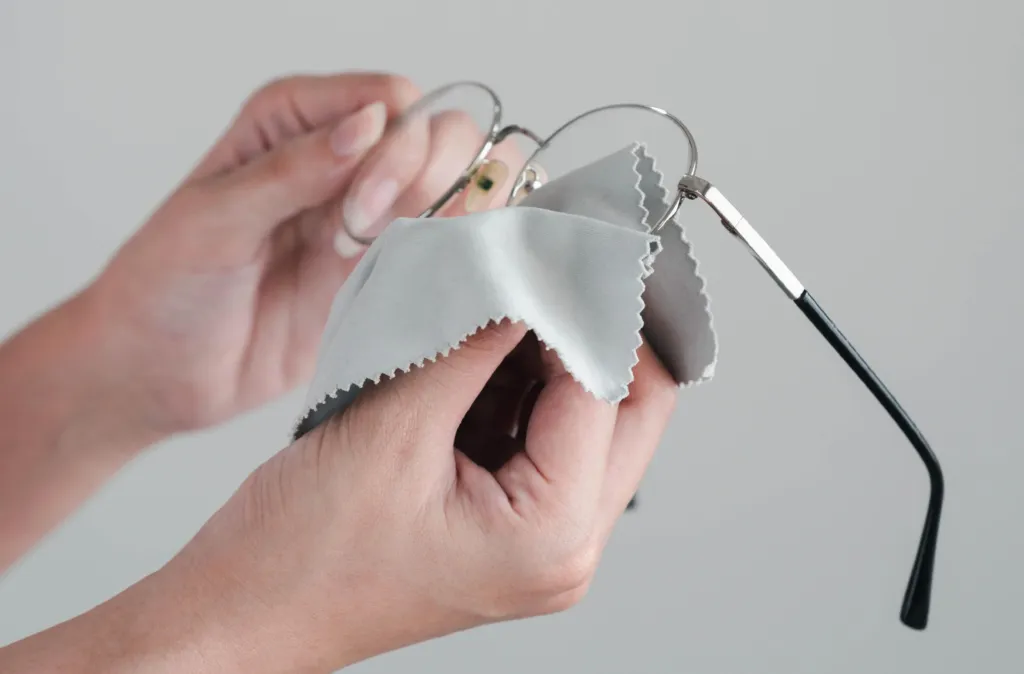
What Are Screwless Glasses?
Before discussing maintenance, it’s important to understand how screwless glasses work.
Traditional eyeglass frames typically use miniature screws at the hinges and bridge areas. Over time, these screws can loosen, rust, or fall out entirely.
Screwless eyewear eliminates these weak points through alternative engineering solutions, including:
- Snap-lock hinge systems
- Interlocking mechanical joints
- Memory titanium flex structures
- Magnetic assemblies
- Pressure-fit connectors
- Elastic tension hinges
- Integrated spring systems
Many premium eyewear brands use screwless designs to create ultra-lightweight, flexible, and minimalist frames.
Popular materials often include:
- Titanium
- Beta titanium
- Stainless steel
- TR90
- Carbon fiber composites
- Shape-memory alloys
These materials improve comfort and flexibility but also require specialized care routines.
Why Screwless Glasses Need Proper Maintenance
Many people assume screwless glasses are maintenance-free simply because they lack screws. In reality, the opposite can be true.
While you no longer need to tighten loose screws, screwless frames rely heavily on precision mechanical alignment. Poor handling habits can affect:
- Hinge flexibility
- Structural balance
- Lens positioning
- Temple tension
- Frame symmetry
- Joint integrity
Improper maintenance may lead to:
- Misaligned temples
- Loose snap-fit mechanisms
- Reduced flexibility
- Metal fatigue
- Cracked joints
- Distorted frame shape
Daily preventive care is the best way to protect your investment.
Understanding the Mechanical Structure of Screwless Frames
Different screwless systems behave differently under stress.
Flex Hinge Structures
These use spring-loaded or flexible metal sections that allow the temples to bend outward without screws.
Advantages:
- Excellent comfort
- Better pressure distribution
- Reduced breakage risk
Maintenance concern:
- Overextension weakens spring tension over time
Snap-Fit Joint Systems
Some frames use interlocking parts that “click” together mechanically.
Advantages:
- Clean appearance
- Fewer loose components
Maintenance concern:
- Dirt buildup can interfere with locking performance
Memory Metal Frames
Memory titanium or beta titanium can flex and return to their original shape.
Advantages:
- Highly durable
- Lightweight
- Corrosion resistant
Maintenance concern:
- Repeated improper bending can eventually deform the recovery structure
Rimless Screwless Designs
Minimalist rimless eyewear often uses tension mounting systems instead of screws.
Advantages:
- Extremely lightweight
- Elegant appearance
Maintenance concern:
- Uneven pressure can stress lenses
Daily Cleaning Routine for Screwless Glasses
Daily cleaning is the foundation of proper eyewear maintenance.
Because screwless frames contain intricate mechanical connections, debris and oils can accumulate in hidden areas more easily than with traditional glasses.
Step 1: Rinse With Lukewarm Water
Always begin by rinsing your glasses under lukewarm water.
This removes:
- Dust particles
- Skin oils
- Environmental debris
- Cosmetic residue
Avoid:
- Hot water
- Boiling water
- Steam cleaning
Excessive heat may damage:
- Lens coatings
- Flexible polymers
- Tension structures
- Memory metal properties
Step 2: Use a Mild Lens Cleaner
Apply a gentle lens-safe cleaning solution.
Choose products that are:
- Alcohol-free
- Ammonia-free
- Designed for optical coatings
Avoid household cleaners because they may damage:
- Anti-reflective coatings
- Hydrophobic coatings
- UV protection layers
Step 3: Clean Mechanical Joints Carefully
Pay special attention to:
- Hinges
- Snap-fit areas
- Temple connections
- Nose pad mounts
Use:
- Soft microfiber cloths
- Cotton swabs
- Air blowers
- Soft detailing brushes
This helps remove:
- Sweat salts
- Skin oils
- Dust accumulation
Never force cleaning tools into tight mechanical spaces.
Step 4: Dry Properly
Pat dry gently with a clean microfiber cloth.
Avoid:
- Paper towels
- Tissues
- Clothing fabric
These materials may scratch lenses or damage delicate coatings.
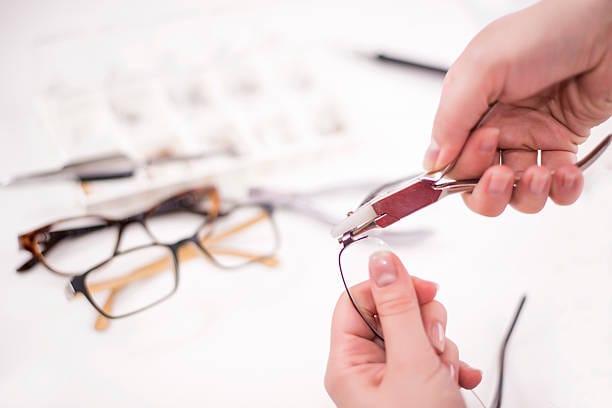
Best Microfiber Cleaning Practices
Microfiber cloths are essential for screwless eyewear maintenance.
However, dirty microfiber cloths can actually worsen lens damage.
Wash Cleaning Cloths Regularly
Recommended frequency:
- Every 3–5 days for daily users
Use:
- Mild detergent
- Cold water
- Air drying
Avoid:
- Fabric softeners
- Dryer sheets
- Bleach
These substances reduce microfiber effectiveness.
How Sweat Affects Screwless Frames
Sweat is one of the biggest long-term threats to modern eyewear.
Even corrosion-resistant metals can suffer gradual wear from:
- Salt
- Skin oils
- Acidic perspiration
Areas most affected:
- Temple joints
- Nose bridge structures
- Hidden spring systems
Daily Sweat Prevention Tips
After workouts or outdoor activity:
- Rinse glasses immediately
- Wipe dry thoroughly
- Allow full air drying before storing
For heavy-perspiration users:
- Clean frames twice daily
Proper Storage for Screwless Glasses
Storage habits dramatically influence frame longevity.
Always Use a Hard Protective Case
Soft pouches protect lenses from scratches but provide little structural protection.
A hard-shell case helps prevent:
- Mechanical compression
- Temple warping
- Joint stress
- Accidental crushing
Never Store Glasses Face Down
This creates unnecessary pressure on:
- Lenses
- Bridge sections
- Rimless mounting points
Always place glasses:
- Folded properly
- Upright inside a case
Avoid High Temperatures
Do not leave screwless glasses:
- Inside parked cars
- Near heaters
- In direct sunlight for extended periods
Excessive heat can weaken:
- Plastic memory components
- Adhesive lens mounts
- Flexible hinges
Safe Handling Habits
Many eyewear problems result from improper handling rather than manufacturing defects.
Use Both Hands
Always remove glasses with both hands.
One-handed removal twists the frame unevenly and can gradually misalign:
- Temples
- Hinges
- Mechanical joints
This is especially important for screwless systems.
Avoid Overextending Temples
Flexible temples are designed for comfort—not excessive bending.
Avoid:
- Stretching frames unnecessarily
- Twisting temples outward
- Folding temples backward
Even memory metals have fatigue limits.
How to Prevent Mechanical Fatigue
Mechanical fatigue develops gradually from repetitive stress.
Common causes include:
- Constant bending
- Poor storage
- Frequent dropping
- Tight pocket storage
Signs of fatigue:
- Reduced hinge tension
- Uneven temple pressure
- Loose fitting
- Subtle frame asymmetry
Prevention Tips
- Use a hard case consistently
- Avoid sitting on glasses
- Never place glasses in back pockets
- Handle gently during cleaning
Caring for Titanium Screwless Frames
Titanium is one of the most common materials used in premium screwless eyewear.
Benefits include:
- Lightweight performance
- Corrosion resistance
- Hypoallergenic properties
- Excellent flexibility
Titanium Maintenance Tips
Clean Frequently
Titanium resists rust but still accumulates oils and salts.
Avoid Harsh Chemicals
Avoid exposure to:
- Chlorine
- Strong solvents
- Industrial cleaners
Inspect Weld Points
Some titanium frames use laser welding.
Check periodically for:
- Hairline stress marks
- Discoloration
- Structural separation
Rimless Screwless Glasses Care
Rimless screwless eyewear requires extra attention because lenses themselves help support structural tension.
Be Gentle During Cleaning
Excessive pressure can stress lens mounting points.
Hold glasses carefully by:
- The bridge
- Both temples simultaneously
Avoid pressing directly on lenses.
Inspect Lens Edges
Look for:
- Tiny cracks
- Chipping
- Pressure stress marks
Early detection prevents larger fractures.
Nose Pad Maintenance
Even premium frames become uncomfortable if nose pads are neglected.
Clean Nose Pads Daily
Nose pads accumulate:
- Oil
- Sweat
- Cosmetics
- Bacteria
Use:
- Mild soap
- Cotton swabs
- Warm water
Replace Worn Nose Pads
Signs replacement is needed:
- Yellowing
- Hardening
- Slipping
- Cracking
Fresh nose pads improve:
- Comfort
- Grip
- Hygiene
Preventing Lens Coating Damage
Modern lenses often include:
- Anti-reflective coating
- Blue light filtering
- UV protection
- Oleophobic layers
Improper cleaning can shorten coating lifespan.
Avoid Dry Wiping
Never wipe dusty lenses without rinsing first.
Dust particles can create micro-scratches.
Use Dedicated Lens Products
Avoid:
- Window cleaner
- Vinegar
- Household alcohol sprays
These chemicals may strip coatings over time.
Common Mistakes That Damage Screwless Glasses
Using Ultrasonic Cleaners Incorrectly
Ultrasonic cleaners can loosen delicate tension systems if overused.
If using one:
- Limit cleaning duration
- Use eyewear-safe settings
- Avoid high heat
Sleeping With Glasses On
This creates repeated structural stress and increases:
- Temple misalignment
- Lens pressure
- Hinge fatigue
Carrying Glasses Loose in Bags
Loose storage exposes frames to:
- Keys
- Coins
- Compression damage
Always use a protective case.
DIY Repairs
Screwless mechanisms are often precision-engineered.
Improper home repairs may:
- Void warranties
- Damage hinge systems
- Create permanent misalignment
Seek professional optical adjustments instead.
How Often Should Screwless Glasses Be Professionally Serviced?
Even with excellent daily care, professional maintenance remains important.
Recommended frequency:
- Every 6–12 months
An optician can:
- Inspect alignment
- Clean hidden mechanical areas
- Adjust temple tension
- Replace nose pads
- Evaluate structural wear
Routine servicing prevents small issues from becoming major repairs.
Travel Tips for Screwless Eyewear
Travel environments expose glasses to additional risks.
Air Travel
Cabin pressure and dry air can increase lens smudging and skin oil accumulation.
Carry:
- Microfiber cloth
- Lens spray
- Hard case
Beach Vacations
Sand is highly abrasive.
Rinse glasses thoroughly after beach exposure.
Saltwater should also be removed quickly to prevent residue buildup.
Outdoor Sports
Use:
- Retention straps
- Sports cases
- Protective pouches
This reduces accidental drops and impact damage.
Signs Your Screwless Glasses Need Attention
Watch for:
- Uneven fit
- Loose temples
- Reduced hinge resistance
- Clicking sounds
- Lens movement
- Pressure discomfort
Early intervention often prevents permanent damage.
How Long Do Screwless Glasses Last?
High-quality screwless eyewear can last many years when properly maintained.
Average lifespan depends on:
- Material quality
- Daily habits
- Usage frequency
- Environmental exposure
Premium titanium frames often remain functional for:
- 5–10 years or longer
Proper care dramatically improves longevity.
Choosing Maintenance-Friendly Screwless Frames
If buying new eyewear, consider designs with:
- Replaceable nose pads
- Durable hinge systems
- Corrosion-resistant materials
- Reputable warranty support
Lightweight does not always mean fragile. Well-engineered screwless frames often outperform traditional screw-based designs in durability.
Minimalist Design Requires Smart Maintenance
One reason people love screwless eyewear is its clean, minimalist appearance.
However, minimalist engineering requires thoughtful daily habits.
Small actions matter:
- Cleaning regularly
- Storing properly
- Avoiding excessive force
- Scheduling professional adjustments
These habits preserve both aesthetics and performance.
Final Thoughts
Screwless glasses represent a major evolution in modern eyewear engineering. Their lightweight comfort, sleek appearance, and advanced mechanical structures make them highly appealing for everyday wear.
But unlike conventional frames, screwless designs rely heavily on precision alignment and carefully balanced structural tension. Proper maintenance is essential to protect their flexibility, comfort, and durability over time.
By following smart daily care habits—such as gentle cleaning, proper storage, controlled handling, and routine professional servicing—you can significantly extend the life of your eyewear and maintain optimal performance for years.
Whether your frames use memory titanium, snap-fit hinges, or advanced flex systems, consistent maintenance remains the key to keeping your screwless glasses looking and functioning like new.
Share this post
How Should Your Glasses Fit for Comfort and Style?
Choosing the right pair of eyeglasses is about more than finding a frame design you like. A properly fitted pair of glasses...

Say Goodbye to an Awkward Look: How to Choose the Right Eyeglasses Based on Your Body Proportions and Bag Size
Eyeglasses are more than a vision-correction tool. They are also an important fashion accessory that can influence the balance, proportion, and overall...

Say Goodbye to Awkward Proportions: How to Choose the Right Glasses for Your Body Shape and Bag Size
Accessories can transform an ordinary outfit into a polished, thoughtfully coordinated look. A beautiful handbag adds personality, while the right pair of...

2026 Spring/Summer Fashion Trends: When Retro Small-Frame Glasses Meet the Underarm Bag
Fashion has always had a talent for bringing the past back in unexpected ways.A silhouette that once belonged to another decade can...

Soft Aesthetics for Girls with Square Faces: How Rounded Handbags and Gentle Eyeglass Frames Soften Facial Lines
A square face can be striking, elegant, and full of character. Defined by a broader forehead, a relatively straight jawline, and noticeable...
How to Buy Prescription Glasses Online on XCombo
Looking to buy glasses online? XCombo makes it easy to get stylish, high-quality glasses tailored to your prescription. Follow this simple step-by-step...

The Executive Style Code: A Career Guide to Suits, Briefcases, and Sophisticated Eyewear
In the modern workplace, professional style is about much more than wearing expensive clothes.The strongest business wardrobe communicates something before you say...

Street-Cool Style: How to Make Motorcycle Jackets, Belt Bags, and Futuristic Sunglasses Stand Out
Street fashion has never been about following every rule.It is about knowing which rules to break.A motorcycle jacket, a compact belt bag,...

The Art of Color Coordination: How to Match Your Bag With Your Eyeglass Frames for an Effortlessly Sophisticated Look
Fashion is often about the little details.A beautifully tailored outfit can look polished, yet something may still feel incomplete. The reason is...
Dating Night Style Secrets: The Perfect Collision of an Elegant Cocktail Dress, a Chain Evening Bag, and Sophisticated Semi-Rimless Glasses
Dating night is about more than choosing an outfit. It is about creating an impression without looking like you tried too hard....

Effortless French Elegance: The Perfect Pairing of Knitwear, Tote Bags, and Cat-Eye Glasses
There is something undeniably captivating about French style.It is polished without looking overly polished, feminine without being overly delicate, and comfortable without...
A Cross-Textural Conversation: The Tactile Collision of Leather Bags, Tweed Clothing, and Wood-Frame Eyewear
Introduction: When Materials Become the Main CharacterFashion is often discussed in terms of color, silhouette, trend, and season. Yet some of the...