
Minimalist Maintenance: Spend 30 Seconds a Day and Make Your Custom Glasses Last 5 More Years
Introduction: The Hidden Lifespan of Custom Eyewear
Custom glasses are more than a vision correction tool — they are precision instruments tailored to your face, posture, prescription, and lifestyle. From frame geometry to lens alignment, every detail is designed for long-term comfort and optical accuracy.
Yet many people unknowingly shorten the lifespan of their custom eyewear by years. Not through accidents or poor craftsmanship, but through small daily habits that slowly weaken frames, degrade coatings, and misalign fit.
The surprising truth is this: extending the life of custom glasses does not require complicated routines or expensive products. In most cases, just 30 seconds of intentional care each day can dramatically reduce wear and delay replacement.
This guide introduces a minimalist maintenance method — simple, practical actions that protect structural integrity, preserve visual clarity, and keep your glasses performing like new for years longer than expected.
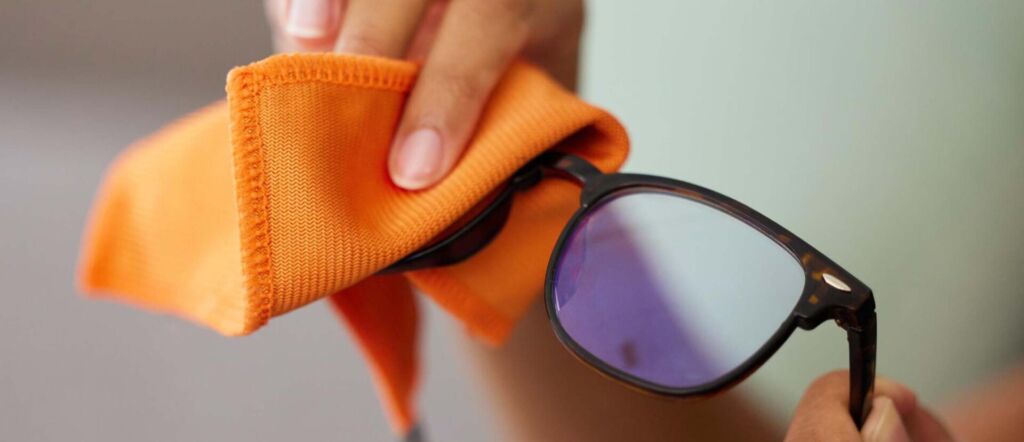
Why Custom Glasses Require Different Care
Unlike mass-produced eyewear, custom glasses are built around precise measurements:
- Pupillary distance calibration
- Facial symmetry adjustments
- Personalized temple curvature
- Lens thickness optimization
- Weight distribution balancing
Because everything is fine-tuned, even small distortions affect performance.
A slightly bent temple can change optical alignment. A scratched coating can increase glare. Accumulated skin oils can slowly damage frame finishes.
Think of custom glasses like tailored shoes: they fit perfectly — until daily misuse reshapes them.
The Philosophy of Minimalist Maintenance
Minimalist maintenance follows three principles:
- Prevent damage instead of repairing it
- Maintain alignment rather than correcting distortion
- Use consistency instead of intensive cleaning sessions
Rather than deep cleaning once a month, small daily actions prevent problems from forming in the first place.
The goal is efficiency, not effort.
The 30-Second Daily Routine (Overview)
A complete minimalist eyewear routine includes:
- 10 seconds: Proper removal and placement
- 10 seconds: Quick cleaning
- 10 seconds: Alignment awareness
These micro-actions protect the three components most responsible for premature wear:
- Lenses
- Hinges
- Frame balance
Let’s break down each step.
Step 1: The Two-Hand Rule (10 Seconds That Prevent Years of Damage)
Why One-Hand Removal Is So Harmful
Many people remove glasses using one hand without thinking. Over time, this creates uneven force on the frame.
Repeated asymmetrical pressure causes:
- Temple widening
- Frame twisting
- Nose pad misalignment
- Lens angle distortion
Even flexible materials gradually deform under repeated stress.
What Happens Structurally
Frames are engineered to distribute pressure evenly across both temples. Pulling from one side bends the hinge microscopically each time.
After thousands of repetitions:
- One lens sits closer to the face
- Glasses slide more easily
- Optical center shifts subtly
Vision fatigue often begins here.
The Correct Habit
Always:
- Use both hands
- Hold temples near hinges
- Lift straight forward
This takes no extra time but preserves symmetry indefinitely.
Step 2: The 10-Second Clean That Prevents Scratches
The Biggest Cleaning Mistake
Most scratches occur during cleaning — not from dropping glasses.
Dust particles act like tiny abrasives. Wiping lenses dry grinds debris into coatings.
Why Daily Micro-Cleaning Works
Cleaning lightly every day prevents buildup of:
- Skin oils
- Dust
- Airborne particles
- Cosmetic residue
When contaminants never accumulate, aggressive cleaning becomes unnecessary.
The Minimal Cleaning Method
- Rinse lenses briefly with lukewarm water.
- Use a drop of mild soap if needed.
- Shake off excess water.
- Pat dry with a microfiber cloth.
Avoid circular pressure. Let water do most of the work.
Why Paper Products Are Dangerous
Tissues, paper towels, and clothing fibers contain microscopic rough textures that wear down coatings over time.
Anti-reflective coatings are thinner than most people realize. Daily abrasion slowly dulls clarity.
Step 3: Alignment Awareness (The Most Overlooked Habit)
What Alignment Means
Alignment refers to how evenly glasses sit across:
- Ears
- Nose bridge
- Face angle
Misalignment increases pressure in specific areas, accelerating fatigue and deformation.
The 10-Second Check
At the end of the day:
- Place glasses on a flat surface.
- Confirm both temples touch evenly.
- Check lenses appear level.
If imbalance appears early, gentle adjustment prevents permanent bending.
Why Daily Care Matters More Than Weekly Cleaning
Damage accumulates gradually.
Consider two users:
- Person A deep-cleans weekly but handles glasses roughly.
- Person B performs gentle daily care.
After one year, Person B’s glasses usually show significantly less wear despite less total effort.
Consistency beats intensity.
The Science Behind Lens Coating Longevity
Modern lenses include multiple layers:
- Anti-reflective coating
- Scratch-resistant layer
- UV protection
- Hydrophobic coating
- Oleophobic layer
Each layer performs a specific function but wears at different rates.
Daily oil buildup accelerates chemical breakdown of top coatings.
Minimal cleaning slows this process dramatically.
How Skin Oils Quietly Damage Frames
Human skin produces oils containing acids and salts.
When left on frames:
- Metal finishes corrode faster
- Acetate loses shine
- Silicone nose pads harden
- Hinges accumulate residue
A quick wipe prevents long-term chemical exposure.
Storage Habits That Add Years of Use
The “Lens-Down” Problem
Placing glasses lenses-down creates micro-scratches even on smooth surfaces.
Always store glasses:
- Folded properly
- Inside a case when not worn
- Or upright with lenses elevated
Temperature Awareness
Avoid leaving glasses in:
- Cars during summer
- Near heaters
- Direct sunlight
Heat softens frame materials, altering shape permanently.
Weekly Add-On: The 60-Second Upgrade
While daily care remains minimal, one weekly action improves longevity further.
Hinge Inspection
Check:
- Smooth opening motion
- No looseness
- Symmetrical resistance
If screws loosen slightly, tightening early prevents hinge wear.
Understanding Weight Distribution
Custom glasses balance weight across three contact zones:
- Nose bridge
- Left ear
- Right ear
When balance shifts, one area absorbs more force.
Symptoms include:
- Red nose marks
- Sliding frames
- Ear soreness
Daily alignment awareness preserves balanced pressure.
Cleaning Products: Less Is More
Many commercial sprays contain alcohol or ammonia.
Over time these chemicals:
- Degrade coatings
- Dry plastic components
- Fade frame color
Mild soap and water remain the safest long-term solution.
The Myth of Scratch-Proof Lenses
No lens is truly scratch-proof.
“Scratch-resistant” means coatings reduce damage — not eliminate it.
Daily abrasive contact eventually wins unless preventive habits reduce friction.
Traveling With Custom Glasses
Minimalist travel care includes:
- Hard-shell case use
- Separate storage from keys or electronics
- Avoid stuffing glasses into bags loosely
Pressure distortion during travel is a common hidden cause of misalignment.
How Face Shape Changes Over Time
Few people realize faces change subtly due to:
- Weight fluctuation
- Aging
- Muscle tension
- Posture changes
Periodic small adjustments maintain comfort without stressing frames.
Signs Your Daily Routine Is Working
Well-maintained glasses show:
- Stable fit year after year
- Clear coatings without haze
- Smooth hinge motion
- Minimal need for adjustments
Maintenance success often looks like “nothing changing.”
Common Habits That Shorten Lifespan
Avoid these behaviors:
- Cleaning with shirt fabric
- Resting glasses on head
- Sleeping while wearing glasses
- Hanging glasses from collars
- Tossing them onto tables
Each action introduces uneven stress.
The Economics of Maintenance
Replacing custom glasses frequently costs far more than maintaining them.
A simple routine can extend usable life from:
- 2–3 years → 5–8 years
The savings compound over time.
Minimalist Care for Different Frame Materials
Acetate Frames
- Sensitive to heat
- Benefit from regular wiping
- Maintain shine longer with oil removal
Metal Frames
- Vulnerable to corrosion from sweat
- Require hinge attention
- Prefer dry storage overnight
Titanium Frames
- Highly durable
- Still susceptible to alignment drift
- Benefit from gentle handling
Digital Lifestyle and Glasses Wear
Modern screen use increases cleaning frequency needs.
Blue light exposure encourages:
- Frequent touching
- Lens smudging
- Oil transfer
Daily quick cleaning prevents buildup caused by constant adjustment.
Psychological Benefits of Simple Maintenance
Small rituals create awareness.
Users who maintain glasses daily often report:
- Greater comfort
- Reduced eye strain perception
- Increased appreciation of craftsmanship
Care changes interaction with personal objects.
Teaching Children Proper Eyewear Habits
Children often damage glasses unintentionally.
Teaching three rules helps:
- Two hands only
- Case equals safety
- Clean gently, never dry wipe
Habits formed early extend equipment lifespan dramatically.
When Professional Adjustment Is Necessary
Even with excellent care, occasional professional tuning helps.
Seek adjustment if:
- Glasses slide constantly
- One lens sits closer to face
- Pressure marks appear
- Vision feels slightly off
Early correction prevents structural fatigue.
The Long-Term Impact of Micro-Stress
Every day introduces small forces:
- Removal pressure
- Temperature changes
- Facial movement
- Cleaning friction
Individually harmless, collectively significant.
Minimalist maintenance neutralizes accumulated stress.
Creating a Sustainable Routine
Attach care to existing habits:
- Clean glasses while washing hands at night
- Check alignment when placing them on bedside table
- Use both hands automatically when removing
Habit stacking ensures consistency without effort.
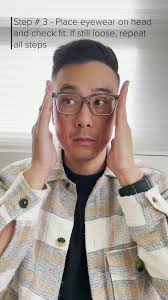
Why Less Maintenance Works Better
Over-maintenance can be harmful.
Excess polishing and chemical use wear coatings faster.
Gentle, predictable routines outperform aggressive cleaning cycles.
A Sample Daily Timeline
Morning
- Put on glasses using both hands.
During Day
- Avoid wiping lenses dry.
Evening (30 Seconds Total)
- Quick rinse and microfiber dry.
- Alignment check.
- Store safely.
That’s it.
Extending Lens Clarity Beyond Expectations
Users following minimalist care often notice lenses remain clear years longer than expected.
Clarity preservation improves:
- Night driving visibility
- Screen comfort
- Contrast perception
Maintenance protects optical performance, not just appearance.
Environmental Benefits of Longer Use
Extending product lifespan reduces:
- Manufacturing demand
- Material waste
- Packaging consumption
Small habits contribute to sustainability indirectly.
The Five-Year Difference
Without care:
- Coatings degrade early
- Frames loosen
- Replacement occurs sooner
With daily minimalist maintenance:
- Structure remains stable
- Fit consistency improves
- Replacement becomes optional rather than necessary.
Conclusion: Small Actions, Long-Term Results
Custom glasses are designed with precision, but longevity depends on daily interaction.
The minimalist method proves that preserving eyewear does not require complicated routines or expensive tools — only consistency.
Spend 30 intentional seconds each day:
- Remove glasses using both hands
- Perform a gentle quick clean
- Check alignment before storage
These small actions protect lenses, maintain balance, and reduce structural stress.
Over months and years, those seconds accumulate into something remarkable: clearer vision, better comfort, and glasses that continue performing long after most people would have replaced them.
In the end, extending the life of custom eyewear isn’t about doing more — it’s about doing a few simple things correctly, every day.
Share this post
Best Glasses for Your Face Shape: Round, Square, Oval & More
Introduction: The Right Glasses Can Transform Your Entire AppearanceChoosing a pair of glasses is about much more than simply correcting your vision....

From Head to Toe: The Golden Ratio for Styling Glasses, Clothing, and Bags
Introduction: The Secret to Looking Polished From Head to ToeGreat style is rarely about wearing the most expensive clothes, following every trend,...

Minimalist Style: How Glasses and Bags Add the Perfect Finishing Touch to Black, White, and Gray Outfits
Minimalist fashion is often described as simple, effortless, and timeless. But creating a truly polished minimalist outfit is not as easy as...

Effortless Style: The Perfect Chemistry of Oversized Sweatshirts, Crossbody Bags, and Vintage Metal-Frame Glasses
Introduction: Why Relaxed Style Feels So RightFashion does not always have to look carefully calculated.Sometimes, the most appealing outfit is the one...

The Symphony of Metallic Elements: The Art of Layering Belt Buckles, Chain Bags, and Metal Frames
Introduction: When Metal Becomes a Fashion LanguageFashion has always been a conversation between materials, shapes, and personal expression. Among all design elements,...
Eyeglasses as the Finishing Touch: How to Make Your Frames Blend Perfectly Into Your Everyday Outfits
Eyeglasses are more than a tool for clearer vision. Today, they are one of the most powerful accessories in a modern wardrobe....

Old Money Style Guide: How Cashmere Coats, Premium Leather Bags, and Classic Black Frame Glasses Create Timeless Elegance
Introduction: Understanding the True Meaning of Old Money FashionFashion trends come and go, but true elegance has always been about something deeper...

The Ultimate Style Rescue for Round-Faced Women: How Necklines, Bag Placement, and Geometric Glasses Create a Slimmer Look
Introduction: Redefining Beauty Beyond Face ShapeFor many women with round faces, getting dressed can sometimes feel like a constant battle. The cheeks...
One Swipe, Crystal Clear: The Ultimate Guide to Efficient Eyeglass Cleaning
Introduction: Clear Vision Starts With Proper Lens CareFor millions of people around the world, eyeglasses are an essential part of daily life....

Eyeglasses as the Finishing Touch to Your Outfit: How Frame Shapes Can Elevate Your Style
Introduction: Eyeglasses as the Ultimate Fashion AccessoryWhen people think about fashion accessories, they often consider watches, jewelry, handbags, shoes, or clothing details....
Blue Light Protection or UV Protection? Common Mistakes When Choosing Eye Protection Glasses
Introduction: Choosing the Right Eye Protection Is More Complicated Than It LooksEyeglasses have evolved far beyond simple vision correction tools. Today, consumers...
Care for Your Glasses Like You Care for Your Skin: The Complete Guide to Eyewear Maintenance
Introduction: Your Glasses Deserve More Than Just a Quick WipeMany people spend time and money caring for their skin every day.They choose...