
Acetate vs Plastic Glasses Frames: Which is Better?
When selecting eyewear, understanding the differences between acetate and plastic frames can help you make the best choice for your needs. Both materials have distinct features that cater to different preferences and lifestyles. Here's a detailed comparison to guide your decision.
What Is Acetate?
Acetate, also known as cellulose acetate, is a synthetic material made from cotton and wood pulp. Originally developed in the late 19th century, acetate became a popular material for eyeglass frames due to its durability, lightweight nature, and ability to produce vibrant colors and textures.
Pros of Acetate Glasses
- Comfort: Acetate frames are lightweight, reducing strain on the nose and ears.
- Hypoallergenic: Ideal for sensitive skin, acetate is unlikely to cause allergic reactions.
- Versatility: Available in a wide range of colors, patterns, and textures, acetate offers diverse design options.
Cons of Acetate Glasses
- Price: Acetate frames are generally more expensive due to their manufacturing process and quality.
- Weight: While lightweight, acetate is heavier than materials like aluminum or titanium.
What Are Plastic Glasses Frames?
Plastic frames are molded from synthetic materials and are widely used due to their affordability and durability. They are a popular option for both prescription and fashion eyewear.
Pros of Plastic Glasses
- Thicker Frames: Ideal for accommodating thicker lenses, offering better grip and stability.
- Hypoallergenic: Suitable for individuals with metal allergies.
- Comfort: Molded bridges provide a snug fit for most users.
Cons of Plastic Glasses
- Heavier Weight: Plastic frames can feel heavier, especially with strong prescriptions.
- One-Size Fit: Molded designs may not fit everyone comfortably.
- Brittle Over Time: Plastic can become more fragile with prolonged use.
Acetate vs Plastic: Which Should You Choose?
When deciding between acetate and plastic frames, consider the following:
- Durability: Acetate frames are more robust and less prone to brittleness than plastic.
- Adjustability: Acetate frames often include metal reinforcements, making them easier to adjust for a custom fit.
- Aesthetic Options: Acetate offers a broader range of colors and patterns, enhancing style versatility.
- Budget: If cost is a primary concern, plastic frames are generally more affordable.
Choosing Between Acetate and Plastic Frames: Final Thoughts
Acetate frames are often viewed as a higher-quality option due to their durability, design versatility, and hypoallergenic properties. However, plastic frames remain a reliable and cost-effective choice for everyday use. Ultimately, your decision should align with your style, comfort preferences, and budget. Choose wisely to ensure your eyewear meets your functional and aesthetic needs.
Share this post

2026 Spring/Summer Fashion Trends: When Retro Small-Frame Glasses Meet the Underarm Bag
Fashion has always had a talent for bringing the past back in unexpected ways.A silhouette that once belonged to another decade can...
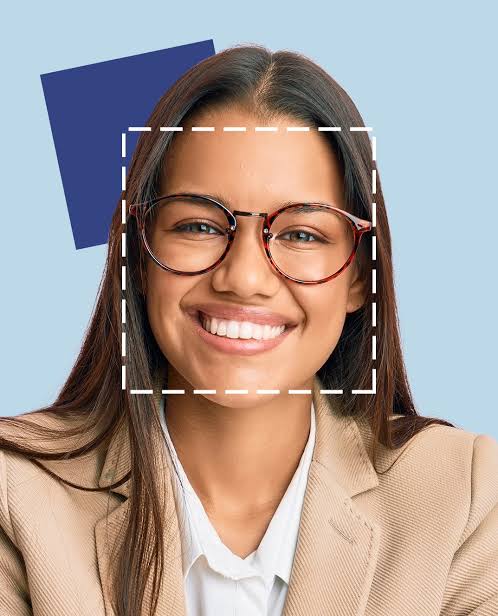
Soft Aesthetics for Girls with Square Faces: How Rounded Handbags and Gentle Eyeglass Frames Soften Facial Lines
A square face can be striking, elegant, and full of character. Defined by a broader forehead, a relatively straight jawline, and noticeable...
How to Buy Prescription Glasses Online on XCombo
Looking to buy glasses online? XCombo makes it easy to get stylish, high-quality glasses tailored to your prescription. Follow this simple step-by-step...

The Executive Style Code: A Career Guide to Suits, Briefcases, and Sophisticated Eyewear
In the modern workplace, professional style is about much more than wearing expensive clothes.The strongest business wardrobe communicates something before you say...

Street-Cool Style: How to Make Motorcycle Jackets, Belt Bags, and Futuristic Sunglasses Stand Out
Street fashion has never been about following every rule.It is about knowing which rules to break.A motorcycle jacket, a compact belt bag,...

The Art of Color Coordination: How to Match Your Bag With Your Eyeglass Frames for an Effortlessly Sophisticated Look
Fashion is often about the little details.A beautifully tailored outfit can look polished, yet something may still feel incomplete. The reason is...
Dating Night Style Secrets: The Perfect Collision of an Elegant Cocktail Dress, a Chain Evening Bag, and Sophisticated Semi-Rimless Glasses
Dating night is about more than choosing an outfit. It is about creating an impression without looking like you tried too hard....

Effortless French Elegance: The Perfect Pairing of Knitwear, Tote Bags, and Cat-Eye Glasses
There is something undeniably captivating about French style.It is polished without looking overly polished, feminine without being overly delicate, and comfortable without...
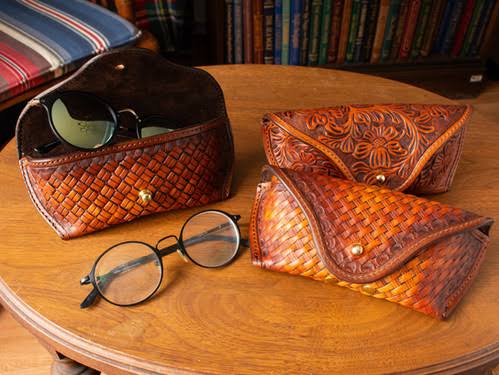
A Cross-Textural Conversation: The Tactile Collision of Leather Bags, Tweed Clothing, and Wood-Frame Eyewear
Introduction: When Materials Become the Main CharacterFashion is often discussed in terms of color, silhouette, trend, and season. Yet some of the...
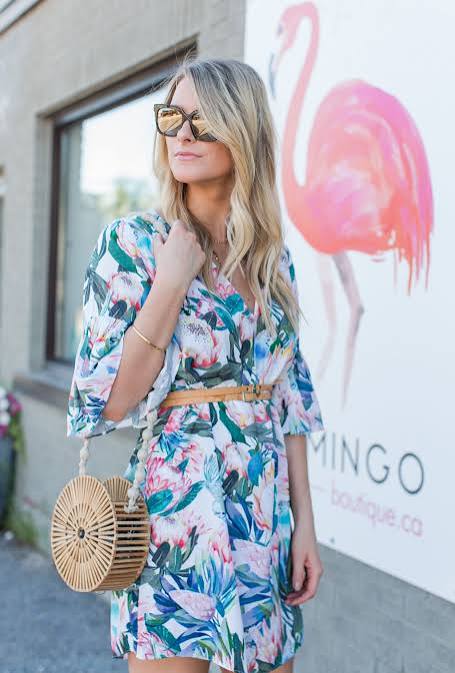
The Ultimate Guide to Vacation-Style Outfits: Floral Dresses, Straw Bags, and Round Sunglasses for Summer
Summer is the season of relaxed mornings, warm afternoons, outdoor dinners, weekend getaways, and long-awaited vacations. It is also the perfect time...
The Romance of Earth Tones in Fall: The Color Aesthetics of Trench Coats, Saddle Bags, and Tea-Tinted Sunglasses
Introduction: Falling in Love With the Colors of AutumnThere is something irresistibly romantic about autumn fashion.As summer fades, bright colors gradually give...
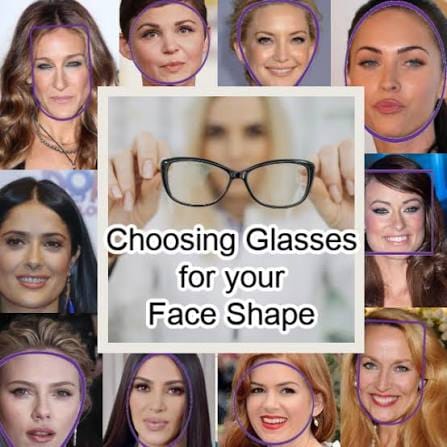
Best Glasses for Your Face Shape: Round, Square, Oval & More
Introduction: The Right Glasses Can Transform Your Entire AppearanceChoosing a pair of glasses is about much more than simply correcting your vision....