
Modular Glasses vs Traditional Glasses
A Deep, Real-World Test of Pros, Cons, and Everyday Performance
For a long time, glasses were simple:
You chose a pair.
You wore them everywhere.
That was it.
But today, eyewear is evolving.
Not just in fashion or materials—
in structure.
Enter modular glasses (a.k.a. combination or magnetic glasses)—a concept far more advanced than a simple frame or pair of lenses. They promise flexibility, style variation, and more versatility than traditional single-pair eyewear.
But does the promise match the reality?
In this deep, hands-on comparison, we evaluated modular glasses and traditional glasses side-by-side across real use cases, detailed criteria, and everyday scenarios. What follows is a frank, practical look at where each shines—and where each struggles.
Let’s get into it.
Setting the Stage: What We Tested (and Why)
Before comparing apples to oranges, we need to define what each category means.
Traditional Glasses
A standard eyewear pair with:
- One fixed frame
- One pair of lenses (single vision or progressive)
- No interchangeable parts
Modular Glasses
Eyewear with:
- A base frame
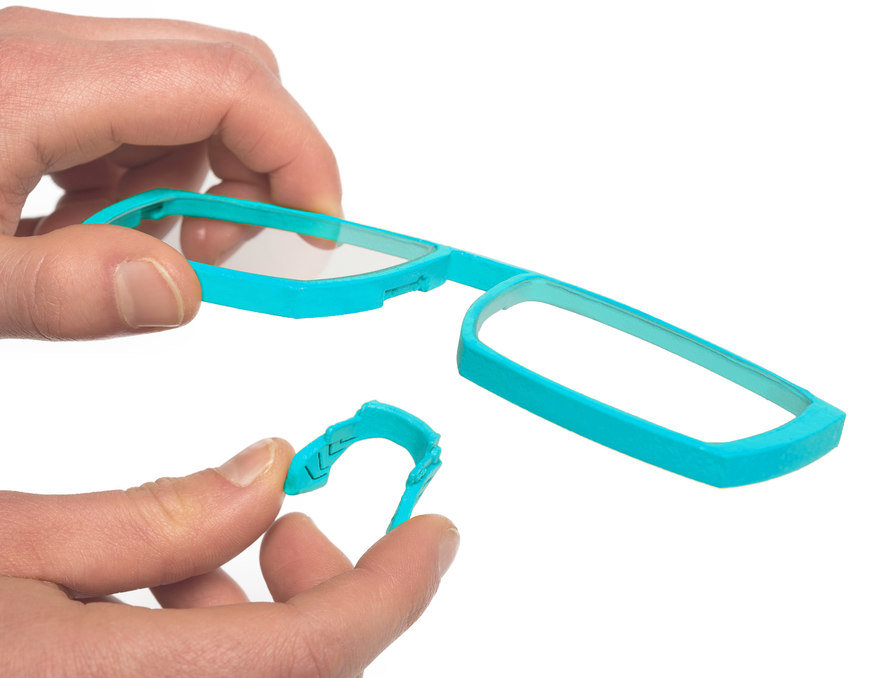
- Magnetic or clip-on components
- Swappable fronts, temples, or overlays
Modular glasses aren’t two or three pairs in one.
They’re a system—designed to adapt.
To compare them fairly, we tested both through:
- Daily wear
- Work / commute
- Leisure / social occasions
- Content creation (photos, video)
- Travel
- Weather / outdoor conditions
We also evaluated:
- Comfort
- Aesthetics
- Practicality
- Durability
- Value
Now let’s break it down.
1. Comfort and Fit
Traditional Glasses: The Familiar Fit
Traditional glasses generally:
- Sit predictably on bridge and temples
- Have stable tension
- Require minimal adjustment
Because they’re static, they rarely move once positioned correctly.
Pros:
- Predictable feel
- Fewer moving parts
- Less adjustment over time
Cons:
- Fit issues can only be corrected via professional adjustment
- No adaptability for different head shapes or activities
Modular Glasses: Adaptive, But Not Always Effortless
Modular glasses introduce flexibility—but that comes with nuance.
Because parts are removable, we tested them:
- After multiple changes
- In motion (walking, bending)
- After longer hours (end of day comfort)
Pros:
- Multiple configurations let you fine-tune fit
- Some systems allow temple or nose pad micro-adjustments
- Magnetic components don’t pinch
Cons:
- Modular pieces can introduce slight shift in tension
- Slight weight differences depending on configuration
- Initial fitting felt unfamiliar to some testers
Verdict:
Comfort is comparable overall, but traditional glasses feel more “settled” right out of the box. Modular glasses reward effort—they adapt to preference but require initial exploration.
2. Style, Variety, and Expression
Traditional Glasses: Classic, Consistent
Traditional glasses come in a range of shapes and colors, but once chosen, the look is fixed.
Pros:
- Classic aesthetic
- Fewer decisions (pick once, wear forever)
- Timeless silhouettes often easier to match
Cons:
- One look only
- Harder to align with multiple outfits
- Limited variety without owning many pairs
Modular Glasses: One System, Many Looks
This is where modular glasses truly differentiate.
Swappable fronts or toppers change:
- Shape (round, square, cat-eye)
- Color (neutrals to bold)
- Texture or pattern
In real tests:
- One base + two toppers = three distinct styles
- Instagram / TikTok content gets more variety from fewer physical pairs
- Outfits feel “finished” without over-matching
Pros:
- Highly versatile
- Adaptable across events (work → social → night out)
- Less physical volume than owning multiple pairs
Cons:
- Style cohesion depends on availability of components
- Some transitions feel more intentional than automatic
Verdict:
Modular glasses win in aesthetic flexibility. If you want one eyewear system that adapts to multiple identities—casual, professional, creative, bold—you cannot beat the modular approach.
3. Practicality in Everyday Use
Traditional Glasses: Simple and Reliable
Traditional glasses always have:
- One piece
- No configuration menus
- No parts to swap mid-day
That simplicity matters in:
- Morning routines
- Busy days
- Outdoor activities
There’s no second thought—wear and go.
Modular Glasses: Intentional but Not Inconvenient
Modular eyewear tested well in real wear, but:
- Magnetic pieces occasionally “clicked” during transitions
- Some testers found it easier to leave one topper attached all day
- Swapping parts in public feels cool—but a bit performative
Practical outcomes:
- Easily switch from clear to tinted overlays
- Quickly adapt from work to evening social scene
- Carry modular parts in a compact case instead of extra frames
Pros:
- One bag, multiple looks
- Components stack well for travel
- Rapid visual shifts
Cons:
- Slight learning curve
- Fumble risk when swapping on the go
Verdict:
Modular glasses are practical—just different. They reward planning and intention, while traditional glasses reward simplicity.
4. Performance in Active Situations
We tested both eyewear types in:
- Walking commutes
- Running errands
- Outdoor brunches
- Light exercise (not sports goggles level)
Traditional Glasses
- Performed reliably
- No component separation
- Consistent balance
Modular Glasses
- Performed well overall
- Magnetic interfaces remained secure
- Some lighter toppers introduced minor balance differences
Real outcome: Both categories stayed functional. Sports or high-impact activities are better suited to sport-specific frames (not tested here).
Verdict:
Both traditional and modular glasses are stable during normal activity. Traditional glasses feel more “locked in,” while modular glasses feel “configurable.”
5. Travel and Packing
Traditional Glasses
- One pair, one case
- Minimal organization required
Modular Glasses
- One base frame + multiple components
- Requires thoughtful packing
- But replaces multiple full pairs
For travel:
- Modular glasses reduce the volume of eyewear
- Components fit in compact pouches
- You avoid carrying multiple full frames
Pros:
- Curated variety
- Space-efficient
Cons:
- More inventory to track
Verdict:
Modular systems win for travel convenience—fewer full pairs, more looks.
6. Durability and Long-Term Wear
Traditional Glasses
Conventional frames—especially mid-to-high quality—are built to last. Fewer moving parts means fewer failure points.
Modular Glasses
Modular parts introduce:
- Extra join points
- Magnetic interfaces
In real tests:
- Parts remained stable under normal handling
- Occasional wear on connectors after repeated swapping
- No unexpected failures in daily use
Pros:
- Components replace independently
- Base frames remain tested over time
Cons:
- More parts = more potential wear
Verdict:
Traditional glasses are simpler by design. Modular glasses hold up well but benefit from quality engineering.
7. Cost and Value Proposition
Traditional Glasses
- One price, one final look
- Less flexible but straightforward value
Modular Glasses
- Base frame + add-ons
- More upfront investment
- Higher long-term versatility
When you break cost down per look:
- Modular glasses tend to deliver more value per visual variation
If you were buying three traditional pairs, the modular system may cost less.
Verdict:
Modular glasses often deliver better value density, especially for multidimensional lifestyles.
8. Accessibility and Style Discovery
Traditional Glasses
- Clear selection process
- One choice = one outcome
Modular Glasses
- Encourages exploration
- Makes style transitions easier
- Invites creativity
People reported:
- Feeling more confident trying bold looks
- Using eyewear to match mood
- Appreciating unexpected pairings
Eyewear becomes part of self-expression—not just utility.
9. Social and Visual Impact
In side-by-side shared photos, modular glasses:
- Created clear visual distinction
- Communicated intentional style
- Amplified personality signals
Traditional glasses:
- Delivered consistency
- Supported a cohesive look
- Felt reliable and grounded
Both have social value—but modular glasses add narrative to style.
10. Objective Weaknesses and Limitations
Before we crown winners, let’s be honest about drawbacks.
Traditional Glasses
- One look only
- Higher long-term cost if you want variety
Modular Glasses
- Slight learning curve
- Tracking extra components
- Depends on quality of engineering and magnets
Modular glasses are not for:
- People who hate decisions
- Those who want “set it and forget it”
- Individuals who lose small parts easily
Traditional glasses are not for:
- People who want dynamic style
- Those who dislike buying multiple pairs
So Which Is Better?
Answer: It depends on what you value.
Choose Traditional Glasses If You Want:
- Zero complexity
- Predictable comfort
- Simple “wear and go”
- Classic singular identity
Choose Modular Glasses If You Want:
- Style adaptability
- One system, many expressions
- Travel-friendly variety
- Smart design flexibility
Neither is objectively superior. They solve different needs.
How to Decide for Yourself
Ask:
- Do I want variety in one place?
- How often do I change outfits or contexts?
- Do I travel frequently?
- Do I value adaptability over simplicity?
Your answers will reveal which eyewear system fits you.
Final Thoughts
Eyewear has moved beyond mere correction.
It’s now:
- A style instrument
- A personality amplifier
- A travel asset
- A creative tool
Traditional glasses and modular glasses both deserve their place in the modern wardrobe. The real question is:
Do you want a look that’s fixed—or a system that evolves with you?
Because one frames your face.
The other frames your story.
Share this post
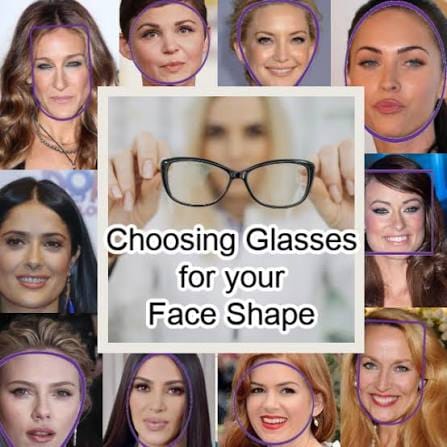
Best Glasses for Your Face Shape: Round, Square, Oval & More
Introduction: The Right Glasses Can Transform Your Entire AppearanceChoosing a pair of glasses is about much more than simply correcting your vision....
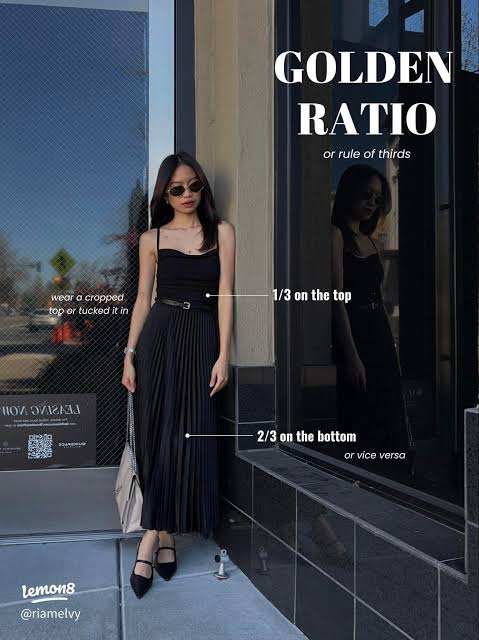
From Head to Toe: The Golden Ratio for Styling Glasses, Clothing, and Bags
Introduction: The Secret to Looking Polished From Head to ToeGreat style is rarely about wearing the most expensive clothes, following every trend,...

Minimalist Style: How Glasses and Bags Add the Perfect Finishing Touch to Black, White, and Gray Outfits
Minimalist fashion is often described as simple, effortless, and timeless. But creating a truly polished minimalist outfit is not as easy as...

Effortless Style: The Perfect Chemistry of Oversized Sweatshirts, Crossbody Bags, and Vintage Metal-Frame Glasses
Introduction: Why Relaxed Style Feels So RightFashion does not always have to look carefully calculated.Sometimes, the most appealing outfit is the one...

The Symphony of Metallic Elements: The Art of Layering Belt Buckles, Chain Bags, and Metal Frames
Introduction: When Metal Becomes a Fashion LanguageFashion has always been a conversation between materials, shapes, and personal expression. Among all design elements,...
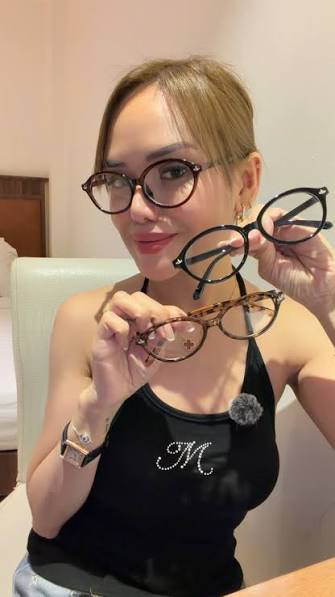
Eyeglasses as the Finishing Touch: How to Make Your Frames Blend Perfectly Into Your Everyday Outfits
Eyeglasses are more than a tool for clearer vision. Today, they are one of the most powerful accessories in a modern wardrobe....
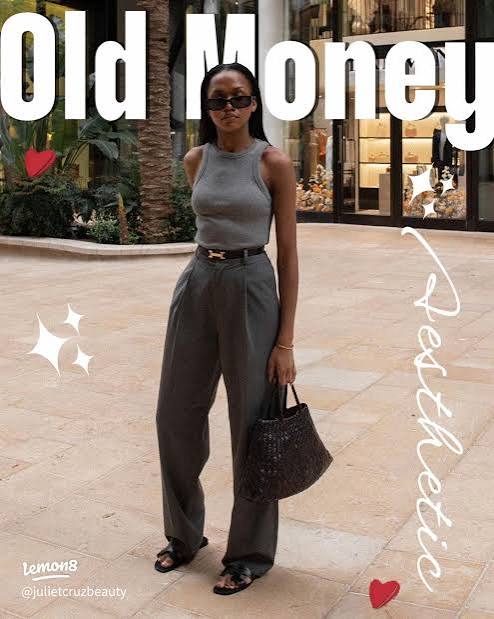
Old Money Style Guide: How Cashmere Coats, Premium Leather Bags, and Classic Black Frame Glasses Create Timeless Elegance
Introduction: Understanding the True Meaning of Old Money FashionFashion trends come and go, but true elegance has always been about something deeper...

The Ultimate Style Rescue for Round-Faced Women: How Necklines, Bag Placement, and Geometric Glasses Create a Slimmer Look
Introduction: Redefining Beauty Beyond Face ShapeFor many women with round faces, getting dressed can sometimes feel like a constant battle. The cheeks...
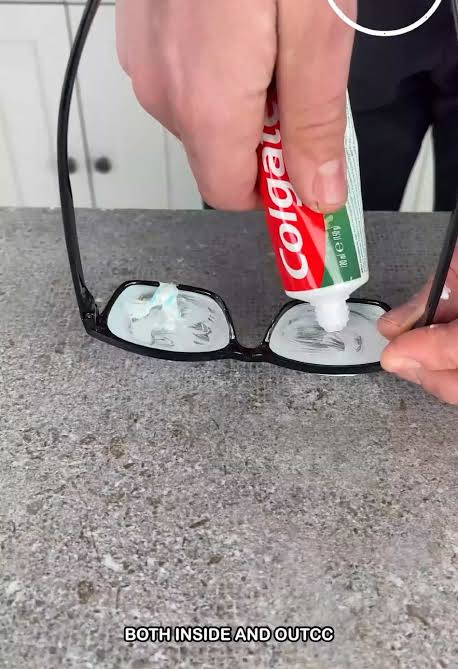
One Swipe, Crystal Clear: The Ultimate Guide to Efficient Eyeglass Cleaning
Introduction: Clear Vision Starts With Proper Lens CareFor millions of people around the world, eyeglasses are an essential part of daily life....

Eyeglasses as the Finishing Touch to Your Outfit: How Frame Shapes Can Elevate Your Style
Introduction: Eyeglasses as the Ultimate Fashion AccessoryWhen people think about fashion accessories, they often consider watches, jewelry, handbags, shoes, or clothing details....
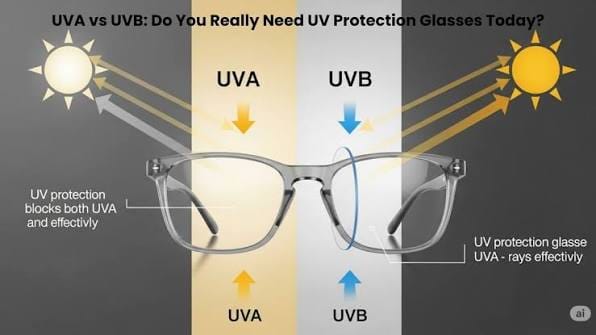
Blue Light Protection or UV Protection? Common Mistakes When Choosing Eye Protection Glasses
Introduction: Choosing the Right Eye Protection Is More Complicated Than It LooksEyeglasses have evolved far beyond simple vision correction tools. Today, consumers...

Care for Your Glasses Like You Care for Your Skin: The Complete Guide to Eyewear Maintenance
Introduction: Your Glasses Deserve More Than Just a Quick WipeMany people spend time and money caring for their skin every day.They choose...