
Plastic vs. Polycarbonate Lenses: Which One is Right for You?
Choosing the right lenses for your eyeglasses is just as important as selecting the perfect frames. While your eye doctor determines the lens prescription, other features, including the type of lens material, are up to you. Among the most popular choices today are plastic and polycarbonate lenses. Each has unique advantages and drawbacks that suit different needs and preferences.
What Makes Polycarbonate Lenses Different from Plastic?
Understanding Polycarbonate and Plastic Lenses
Polycarbonate lenses are often viewed as a superior alternative to traditional plastic lenses due to their enhanced features. However, it’s worth noting that polycarbonate is itself a type of plastic, albeit with specific properties that set it apart. Below, we’ll explore the characteristics of both materials to help you decide which is better for your lifestyle and vision needs.
Key Features of Plastic Lenses
Advantages of Plastic Lenses
- Lightweight and Comfortable
Plastic lenses are significantly lighter than glass, offering comfort for everyday wear. - Durable and Shatter-Resistant
While not as durable as polycarbonate, plastic lenses are less likely to shatter compared to glass lenses. - Excellent Optical Clarity
Plastic lenses provide clear vision with minimal distortion, making them a reliable choice for most prescriptions.
Drawbacks of Plastic Lenses
- Thicker Lenses for High Prescriptions
For higher prescriptions, plastic lenses tend to be thicker, which can result in bulkier eyewear. - Limited UV Protection
Standard plastic lenses do not block UV rays unless a UV coating is applied, which usually incurs an additional cost.
Key Features of Polycarbonate Lenses
Advantages of Polycarbonate Lenses
- Thinner and Lighter
Polycarbonate lenses are thinner and lighter than regular plastic, providing enhanced comfort, especially for higher prescriptions. - Impact-Resistant Durability
Polycarbonate lenses are highly durable, making them ideal for children, active adults, or those with physically demanding lifestyles. - Built-in UV Protection
Unlike plastic lenses, polycarbonate lenses inherently block 100% of harmful UV rays without the need for additional coatings.
Drawbacks of Polycarbonate Lenses
- Higher Cost
With advanced features come higher prices, which can make polycarbonate lenses less budget-friendly. - Scratch-Prone Surface
Polycarbonate lenses are more susceptible to scratches unless coated with a scratch-resistant layer, which adds to the cost. - Peripheral Vision Distortion
High prescription polycarbonate lenses may occasionally cause slight visual distortions at the edges.
Choosing Between Plastic and Polycarbonate Lenses
When deciding between plastic and polycarbonate lenses, it’s essential to consider your specific needs:
- For Higher Prescriptions: Polycarbonate lenses are ideal due to their thinner profile, preventing bulky-looking eyewear.
- For Budget-Friendly Options: Plastic lenses may be more affordable while still providing reliable performance.
- For Active Lifestyles or Children: Polycarbonate lenses offer superior durability and impact resistance, making them a safer option.
- For UV Protection: Polycarbonate lenses automatically provide full UV protection, while plastic lenses require additional coatings.
Tips to Extend the Lifespan of Your Lenses
Regardless of your choice, proper care can ensure your lenses stay in great condition:
- Clean your lenses daily using mild soap and water, avoiding harsh chemicals or abrasive materials.
- Use a microfiber cloth to dry and polish your lenses to prevent scratches.
- Store your glasses in a protective case when not in use, especially during travel.
- Consider adding scratch-resistant coatings to protect the surface and maintain optical clarity over time.
By understanding the benefits and limitations of plastic and polycarbonate lenses, you can make an informed decision that suits your vision needs, style, and budget.
Share this post
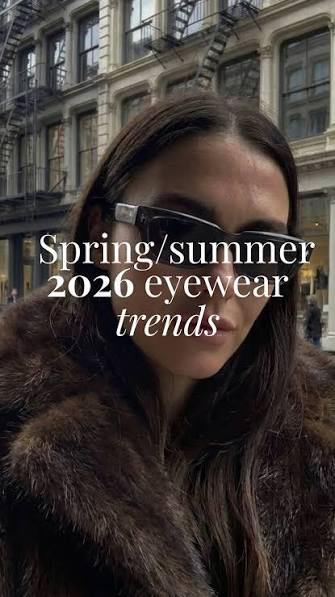
2026 Spring/Summer Fashion Trends: When Retro Small-Frame Glasses Meet the Underarm Bag
Fashion has always had a talent for bringing the past back in unexpected ways.A silhouette that once belonged to another decade can...
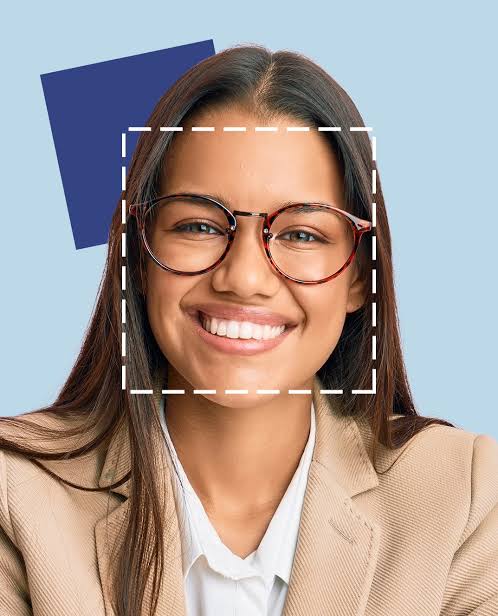
Soft Aesthetics for Girls with Square Faces: How Rounded Handbags and Gentle Eyeglass Frames Soften Facial Lines
A square face can be striking, elegant, and full of character. Defined by a broader forehead, a relatively straight jawline, and noticeable...
How to Buy Prescription Glasses Online on XCombo
Looking to buy glasses online? XCombo makes it easy to get stylish, high-quality glasses tailored to your prescription. Follow this simple step-by-step...
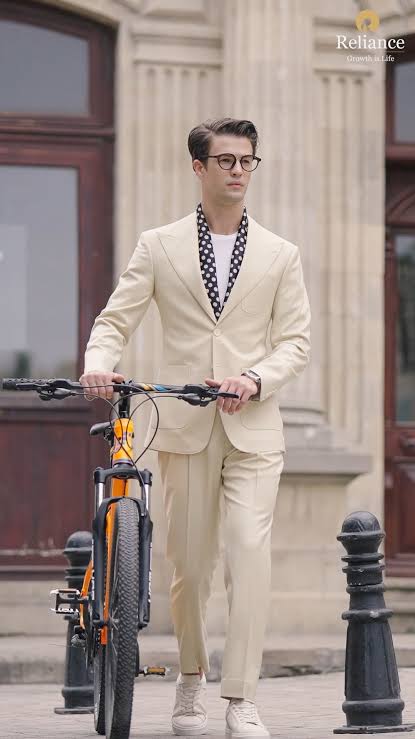
The Executive Style Code: A Career Guide to Suits, Briefcases, and Sophisticated Eyewear
In the modern workplace, professional style is about much more than wearing expensive clothes.The strongest business wardrobe communicates something before you say...
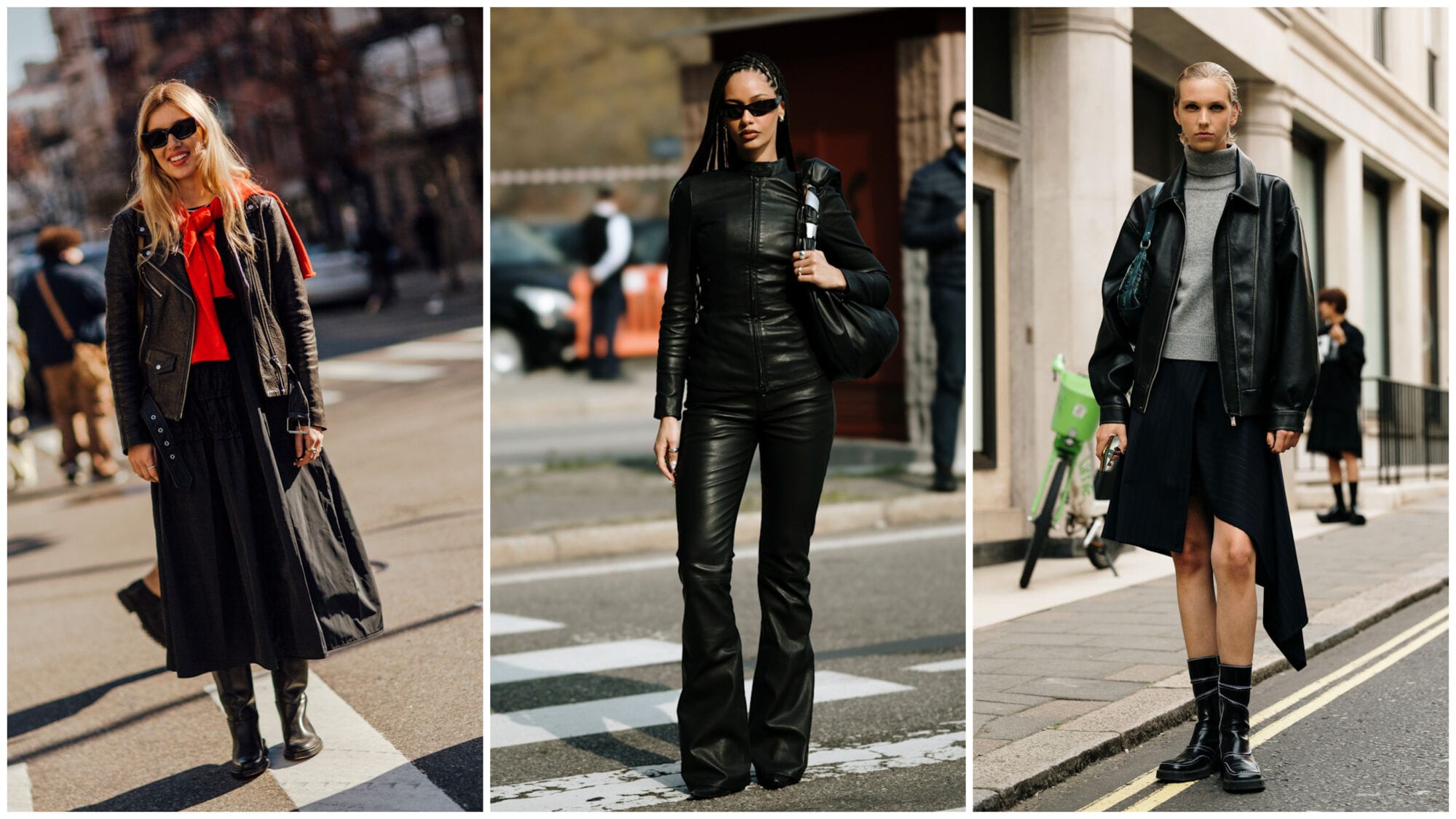
Street-Cool Style: How to Make Motorcycle Jackets, Belt Bags, and Futuristic Sunglasses Stand Out
Street fashion has never been about following every rule.It is about knowing which rules to break.A motorcycle jacket, a compact belt bag,...
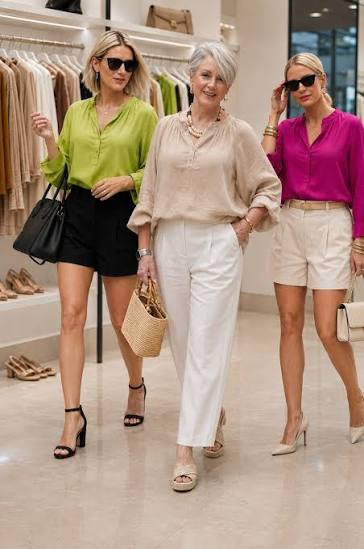
The Art of Color Coordination: How to Match Your Bag With Your Eyeglass Frames for an Effortlessly Sophisticated Look
Fashion is often about the little details.A beautifully tailored outfit can look polished, yet something may still feel incomplete. The reason is...
Dating Night Style Secrets: The Perfect Collision of an Elegant Cocktail Dress, a Chain Evening Bag, and Sophisticated Semi-Rimless Glasses
Dating night is about more than choosing an outfit. It is about creating an impression without looking like you tried too hard....
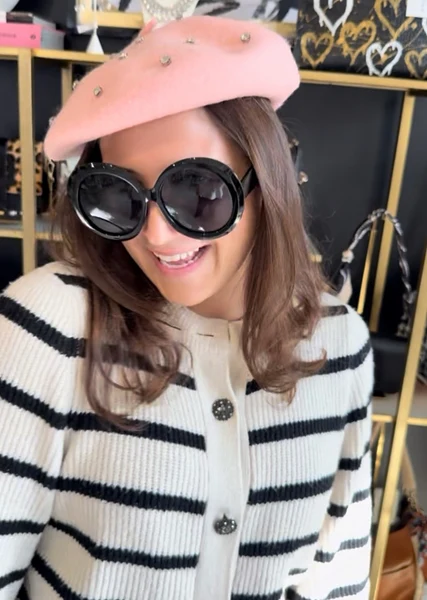
Effortless French Elegance: The Perfect Pairing of Knitwear, Tote Bags, and Cat-Eye Glasses
There is something undeniably captivating about French style.It is polished without looking overly polished, feminine without being overly delicate, and comfortable without...
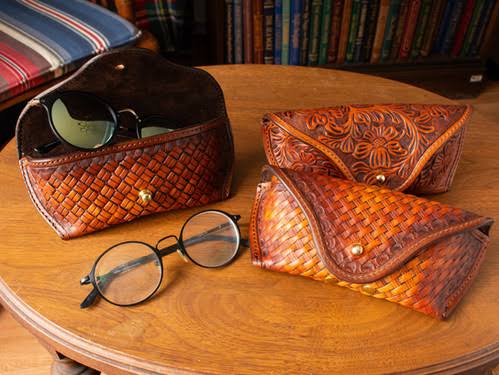
A Cross-Textural Conversation: The Tactile Collision of Leather Bags, Tweed Clothing, and Wood-Frame Eyewear
Introduction: When Materials Become the Main CharacterFashion is often discussed in terms of color, silhouette, trend, and season. Yet some of the...
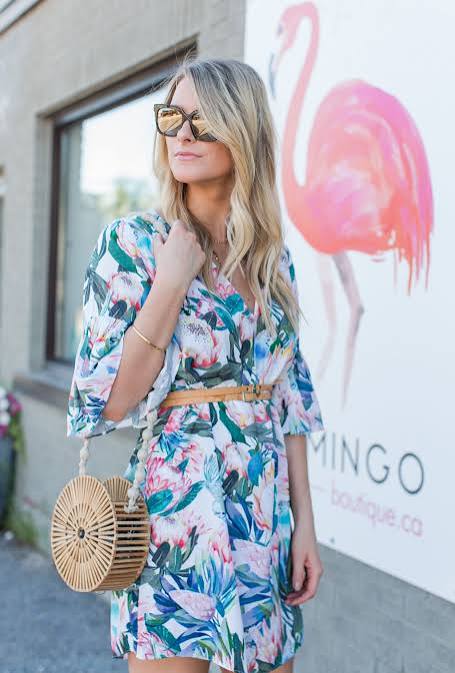
The Ultimate Guide to Vacation-Style Outfits: Floral Dresses, Straw Bags, and Round Sunglasses for Summer
Summer is the season of relaxed mornings, warm afternoons, outdoor dinners, weekend getaways, and long-awaited vacations. It is also the perfect time...
The Romance of Earth Tones in Fall: The Color Aesthetics of Trench Coats, Saddle Bags, and Tea-Tinted Sunglasses
Introduction: Falling in Love With the Colors of AutumnThere is something irresistibly romantic about autumn fashion.As summer fades, bright colors gradually give...
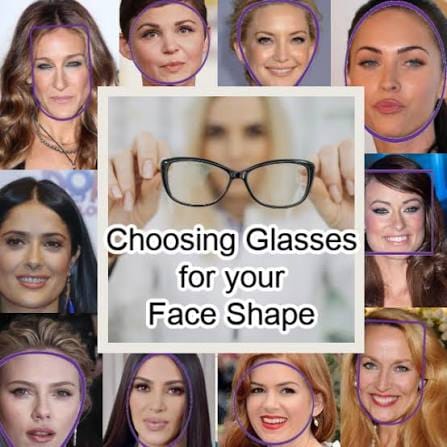
Best Glasses for Your Face Shape: Round, Square, Oval & More
Introduction: The Right Glasses Can Transform Your Entire AppearanceChoosing a pair of glasses is about much more than simply correcting your vision....