
Lens World Restoration: Inside the Professional Eyewear Maintenance Laboratory
Eyeglasses are no longer simple vision tools.
For millions of people, they represent daily functionality, personal style, digital productivity, eye protection, and even emotional attachment. Modern eyewear can include premium lenses, advanced coatings, lightweight materials, blue light filters, custom tints, luxury frames, and specialized optical engineering designed for comfort and precision.
But despite their sophistication, glasses remain vulnerable to damage.
Tiny scratches slowly blur vision. Loose hinges affect alignment. Bent frames create discomfort. Nose pads discolor. Lens coatings deteriorate. Dust and skin oils accumulate inside microscopic crevices. Improper cleaning methods silently shorten lens lifespan. Heat exposure warps frames. And small structural problems often become major failures when ignored.
Most consumers only think about eyeglass maintenance when something breaks.
Professional eyewear maintenance laboratories see things differently.
To optical technicians and frame restoration specialists, eyeglasses are precision-engineered wearable devices requiring regular inspection, calibration, cleaning, adjustment, and preventive care.
Behind the scenes, professional eyewear maintenance labs use specialized tools, diagnostic systems, ultrasonic cleaners, precision heating equipment, alignment instruments, polishing techniques, and restoration procedures that most consumers never see.
This article explores the world of professional eyeglass maintenance laboratories, how expert technicians restore damaged eyewear, what common problems they solve, how modern lens technology changes repair methods, and why professional maintenance is becoming increasingly important in the era of premium eyewear.
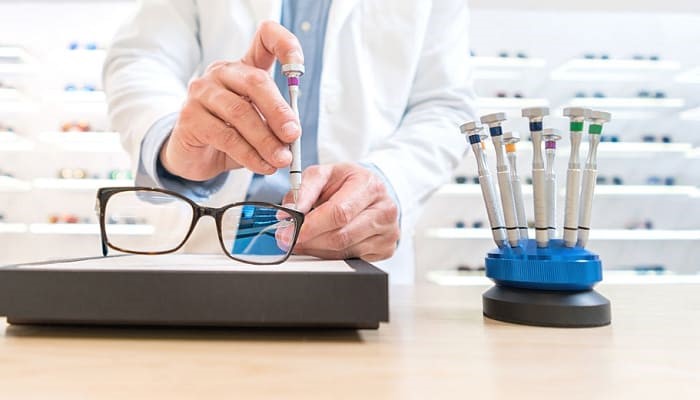
Why Eyeglasses Require Professional Maintenance
Many people underestimate how much stress eyeglasses endure every day.
Glasses experience constant exposure to:
- Sweat
- Skin oils
- UV radiation
- Dust
- Humidity
- Mechanical bending
- Heat fluctuations
- Friction
- Cosmetic products
- Environmental pollutants
Over time, these factors affect both appearance and performance.
Modern Eyewear Is More Complex Than Ever
Today’s glasses often contain advanced features such as:
- Anti-reflective coatings
- Blue light filtering layers
- Photochromic technology
- Polarized lenses
- Titanium frames
- Memory metal hinges
- Ultralight polymers
These innovations improve user experience but also increase maintenance complexity.
Why DIY Repairs Sometimes Cause More Damage
Many consumers attempt home fixes using:
- Household glue
- Improper screwdrivers
- Abrasive cleaners
- Excessive heat
- Random online hacks
Unfortunately, improper repairs frequently worsen the damage.
Professional laboratories follow controlled procedures that protect delicate optical components.
What Is a Professional Eyewear Maintenance Laboratory?
A professional eyewear maintenance lab is a specialized workspace dedicated to:
- Eyeglass inspection
- Frame adjustment
- Lens cleaning
- Structural repair
- Ultrasonic sanitation
- Alignment correction
- Component replacement
- Preventive maintenance
Some labs operate independently, while others are attached to optical stores, eyewear manufacturers, or ophthalmology clinics.
The Core Philosophy of Professional Eyewear Maintenance
Professional labs focus on more than cosmetic appearance.
Their goals include:
- Restoring visual precision
- Improving comfort
- Extending product lifespan
- Maintaining optical performance
- Preventing future failures
Good maintenance protects both function and investment.
Common Problems Professional Labs Handle
Eyewear maintenance specialists encounter recurring issues daily.
Crooked Frames
Frames gradually lose symmetry due to:
- One-handed removal
- Accidental pressure
- Sitting on glasses
- Long-term wear imbalance
Even slight misalignment affects comfort and vision quality.
Loose Hinges and Screws
Repeated opening and closing slowly weakens hinge systems.
Technicians inspect:
- Screw integrity
- Thread wear
- Hinge tension
- Structural fatigue
Lens Coating Damage
Modern coatings are delicate.
Improper cleaning often causes:
- Peeling
- Smearing
- Fine scratching
- Reflective distortion
Nose Pad Degradation
Nose pads absorb:
- Sweat
- Skin oil
- Cosmetics
- Bacteria
Over time they become:
- Hardened
- Discolored
- Uncomfortable
Temple Arm Distortion
Temple arms gradually bend unevenly from repeated daily stress.
This causes:
- Pressure imbalance
- Slipping
- Ear discomfort
- Uneven lens positioning
Why Precision Alignment Matters
Proper alignment is critical for both comfort and optical performance.
Even minor asymmetry may affect:
- Pupillary positioning
- Visual clarity
- Pressure distribution
- Lens angle optimization
Professional labs use precision measurement techniques unavailable to most consumers.
Inside the Professional Eyewear Cleaning Process
Cleaning in professional labs goes far beyond wiping lenses with cloths.
Step 1: Initial Inspection
Technicians first inspect:
- Lens condition
- Coating integrity
- Structural stress points
- Hinge wear
- Frame symmetry
This determines appropriate treatment methods.
Step 2: Ultrasonic Cleaning
One of the most important laboratory tools is the ultrasonic cleaner.
How Ultrasonic Cleaning Works
Ultrasonic systems use high-frequency sound waves in liquid cleaning solutions to remove microscopic debris.
These systems clean areas difficult to reach manually.
What Ultrasonic Cleaning Removes
Ultrasonic cleaning helps eliminate:
- Skin oils
- Dust particles
- Cosmetic residue
- Sweat deposits
- Bacterial buildup
especially around hinges and nose pads.
Why Ultrasonic Cleaning Is Safer Than Aggressive Scrubbing
Aggressive manual cleaning may scratch lenses or damage coatings.
Ultrasonic systems reduce physical abrasion.
Step 3: Detailed Manual Finishing
After ultrasonic treatment, technicians carefully finish cleaning by hand using:
- Optical-grade cloths
- Lens-safe solutions
- Air blowers
- Precision brushes
Frame Heating and Adjustment Technology
Professional frame adjustment requires careful temperature control.
Why Heat Matters
Many plastic frames become temporarily flexible when warmed correctly.
This allows safe reshaping without cracking.
Professional Heating Equipment
Labs use controlled heating systems such as:
- Frame warmers
- Salt pan heaters
- Hot air systems
These provide more consistent results than household heat sources.
Why Home Hair Dryers Are Risky
Uncontrolled heat may:
- Warp frames
- Damage coatings
- Weaken adhesives
- Distort lens shape
Professional equipment minimizes these risks.
Metal Frame Restoration
Metal frames require different repair strategies.
Common Metal Frame Issues
Technicians often address:
- Bent bridges
- Misaligned temples
- Corrosion
- Hinge fatigue
- Solder joint weakness
Titanium Frame Challenges
Titanium frames are lightweight and durable but difficult to repair improperly.
Specialized tools are often required.
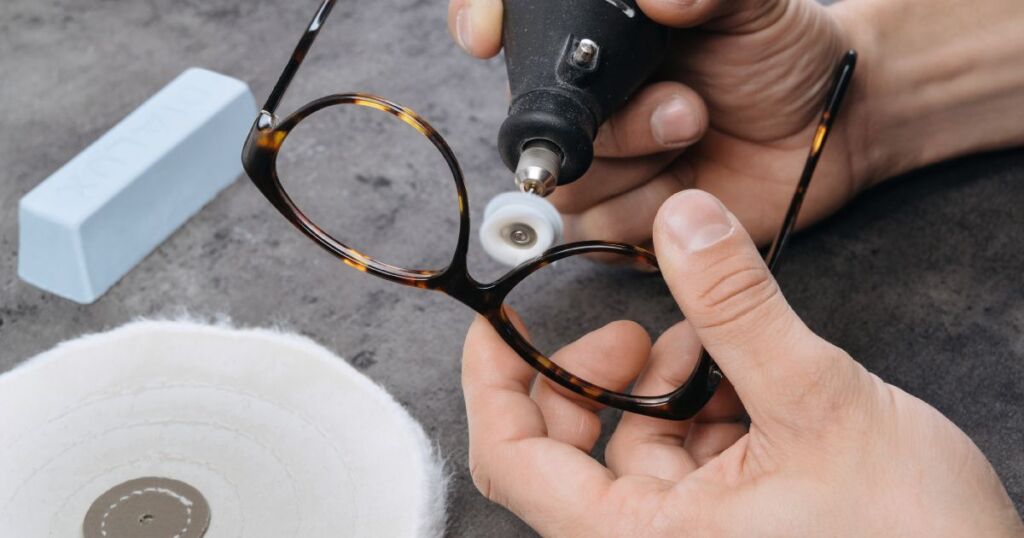
Memory Metal Frame Maintenance
Memory metal alloys can flex dramatically while resisting deformation.
However, improper adjustments may still damage internal structure.
Lens Inspection Technology
Modern maintenance labs increasingly use magnification and lighting systems for detailed lens inspection.
What Technicians Look For
Inspections evaluate:
- Micro scratches
- Coating wear
- Cracks
- Stress fractures
- Edge damage
- Delamination
Why Small Lens Damage Matters
Minor imperfections may eventually spread and affect:
- Optical clarity
- Light transmission
- Glare reduction
- User comfort
Anti-Reflective Coating Maintenance
Anti-reflective coatings improve visual clarity significantly.
However, they are sensitive to poor cleaning habits.
Common Causes of Coating Damage
Damage often results from:
- Paper towel cleaning
- Household glass cleaners
- Alcohol misuse
- Excessive friction
- Heat exposure
Professional Coating Evaluation
Labs determine whether coatings remain functional or require replacement lenses.
Nose Pad Restoration and Replacement
Nose pads play a surprisingly important role in eyewear comfort.
Why Old Nose Pads Cause Problems
Worn pads may lead to:
- Skin irritation
- Slipping
- Pressure marks
- Uneven fit
Professional Nose Pad Matching
Technicians choose replacement pads based on:
- Material softness
- Skin sensitivity
- Frame design
- Weight distribution
The Role of Optical Measurements in Maintenance
Professional labs often verify optical alignment during maintenance.
Why Lens Positioning Matters
Even properly prescribed lenses perform poorly if positioned incorrectly relative to the eyes.
Key Alignment Factors Include
- Pantoscopic tilt
- Vertex distance
- Pupillary alignment
- Temple tension
- Nose bridge balance
Children’s Eyewear Requires Special Attention
Children’s glasses experience extreme stress.
Common Problems With Kids’ Glasses
- Frequent drops
- Rough handling
- Twisted frames
- Lens scratches
- Loose screws
Why Regular Maintenance Matters for Children
Improper fit may affect:
- Visual development
- Comfort
- Wearing compliance
Sports and Outdoor Eyewear Maintenance
Sports eyewear faces unique environmental challenges.
Common Outdoor Stress Factors
- Sweat
- Saltwater
- Sand
- UV exposure
- Impacts
- Dust
Specialized Maintenance for Performance Eyewear
Labs may inspect:
- Lens curvature integrity
- Ventilation systems
- Strap stability
- Protective padding
Luxury Eyewear Restoration
High-end eyewear often receives advanced restoration services.
Why Luxury Frames Need Expert Handling
Premium materials may include:
- Horn
- Wood
- Gold plating
- Exotic acetates
- Carbon fiber
Improper repair may permanently reduce value.
Vintage Eyewear Restoration
Vintage frame restoration has become increasingly popular.
Common Vintage Restoration Challenges
Older frames may suffer from:
- Material brittleness
- Oxidation
- Missing parts
- Hinge wear
- Faded finishes
Why Vintage Restoration Requires Patience
Replacement parts for older models are often difficult to source.
Technicians may custom fabricate components.
The Growing Importance of Hygiene in Eyewear Labs
Eyeglasses touch the face continuously.
They accumulate bacteria rapidly.
Professional Sanitation Procedures
Modern labs increasingly use:
- UV sanitation
- Ultrasonic disinfection
- Antimicrobial cleaning agents
to improve hygiene standards.
Blue Light Glasses and Maintenance
Blue light filtering lenses require careful coating protection.
Excessive abrasion may reduce filtering performance.
Smart Glasses and Electronic Eyewear
The rise of smart eyewear introduces new maintenance challenges.
Smart Glass Maintenance Concerns
Technicians may eventually handle:
- Charging contacts
- Embedded electronics
- Sensor cleaning
- Battery systems
- Camera alignment
The future of eyewear maintenance is becoming increasingly technological.
Why Preventive Maintenance Saves Money
Many major repairs begin as small overlooked issues.
Preventive maintenance extends:
- Frame lifespan
- Lens clarity
- Wearing comfort
- Structural stability
while reducing replacement frequency.
Recommended Professional Maintenance Frequency
Maintenance needs vary depending on usage intensity.
Heavy Daily Users
People wearing glasses full-time may benefit from professional inspection every 6 to 12 months.
Outdoor and Sports Users
Frequent outdoor exposure may require more regular cleaning and adjustment.
Signs Your Glasses Need Professional Attention
Watch for:
- Uneven fit
- Persistent slipping
- Distorted vision
- Loose hinges
- Coating peeling
- Temple discomfort
- Squeaking sounds
The Environmental Benefits of Eyewear Repair
Repair culture is becoming increasingly important in sustainability discussions.
Why Repair Extends Product Lifecycles
Professional restoration reduces unnecessary disposal of:
- Frames
- Lenses
- Packaging materials
Sustainable Consumer Trends
Consumers increasingly value:
- Repairability
- Long-term durability
- Waste reduction
- Product longevity
The Future of Professional Eyewear Laboratories
Eyewear maintenance technology continues evolving rapidly.
Emerging Innovations May Include
- AI-assisted alignment analysis
- Automated frame scanning
- Smart lens diagnostics
- Nanocoating restoration
- Robotic adjustment systems
- Digital fit simulation
Personalized Eyewear Maintenance
Future labs may increasingly customize maintenance based on:
- Facial structure
- Wearing habits
- Lifestyle
- Skin chemistry
- Environmental exposure
Why Professional Maintenance Is Becoming More Valuable
As eyewear becomes more technologically advanced and more expensive, professional maintenance grows increasingly important.
Modern glasses are no longer disposable accessories.
They are precision wearable systems requiring specialized care.
Building Better Eyewear Habits at Home
Professional labs also educate consumers on preventive care.
Healthy Daily Habits Include
- Using microfiber cloths
- Avoiding household cleaners
- Storing glasses in hard cases
- Using both hands during removal
- Keeping eyewear away from heat
These habits dramatically reduce long-term damage.
Final Thoughts
Professional eyewear maintenance laboratories represent a hidden but increasingly important part of modern optical care. Behind every properly aligned frame, crystal-clear lens, smooth hinge, and comfortable fit is a combination of technical expertise, precision equipment, careful inspection, and preventive maintenance practices designed to protect both vision quality and eyewear longevity.
As eyeglasses evolve into more sophisticated products featuring advanced coatings, lightweight engineering, digital integrations, and premium materials, professional maintenance becomes far more than cosmetic upkeep. It becomes essential technical care.
From ultrasonic cleaning and frame alignment to lens diagnostics and structural restoration, professional eyewear laboratories help preserve the comfort, performance, durability, and appearance of glasses that people rely on every day.
In a world where eyewear has become deeply connected to lifestyle, productivity, digital life, and personal identity, maintaining glasses properly is no longer just about repair — it is about protecting clarity, comfort, confidence, and long-term visual experience.
Share this post
How Should Your Glasses Fit for Comfort and Style?
Choosing the right pair of eyeglasses is about more than finding a frame design you like. A properly fitted pair of glasses...
How to Install and Remove the Top Frame
How to Install Your XCombo TopperCheck Left & RightMake sure each topper is on the correct side.Attach at the Nose BridgeAlign the...
Say Goodbye to an Awkward Look: How to Choose the Right Eyeglasses Based on Your Body Proportions and Bag Size
Eyeglasses are more than a vision-correction tool. They are also an important fashion accessory that can influence the balance, proportion, and overall...
Say Goodbye to Awkward Proportions: How to Choose the Right Glasses for Your Body Shape and Bag Size
Accessories can transform an ordinary outfit into a polished, thoughtfully coordinated look. A beautiful handbag adds personality, while the right pair of...
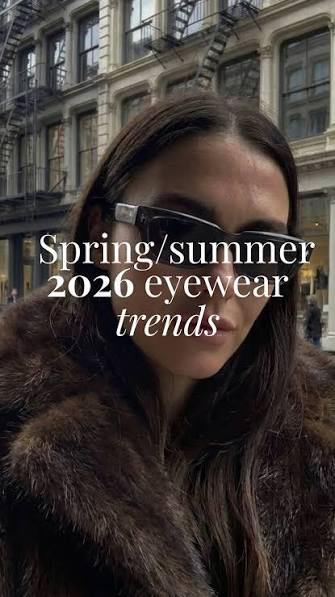
2026 Spring/Summer Fashion Trends: When Retro Small-Frame Glasses Meet the Underarm Bag
Fashion has always had a talent for bringing the past back in unexpected ways.A silhouette that once belonged to another decade can...
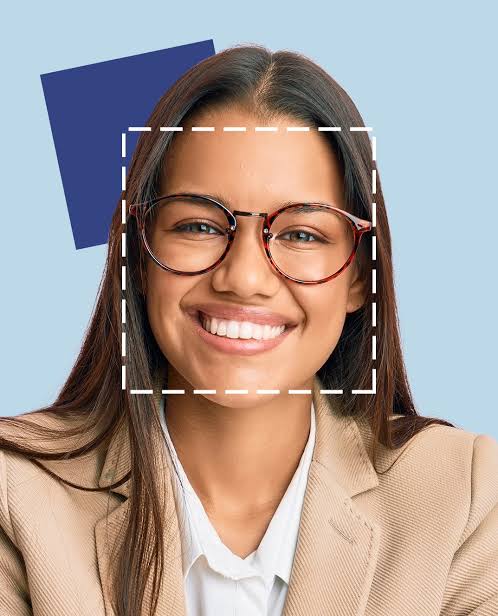
Soft Aesthetics for Girls with Square Faces: How Rounded Handbags and Gentle Eyeglass Frames Soften Facial Lines
A square face can be striking, elegant, and full of character. Defined by a broader forehead, a relatively straight jawline, and noticeable...
How to Buy Prescription Glasses Online on XCombo
Looking to buy glasses online? XCombo makes it easy to get stylish, high-quality glasses tailored to your prescription. Follow this simple step-by-step...
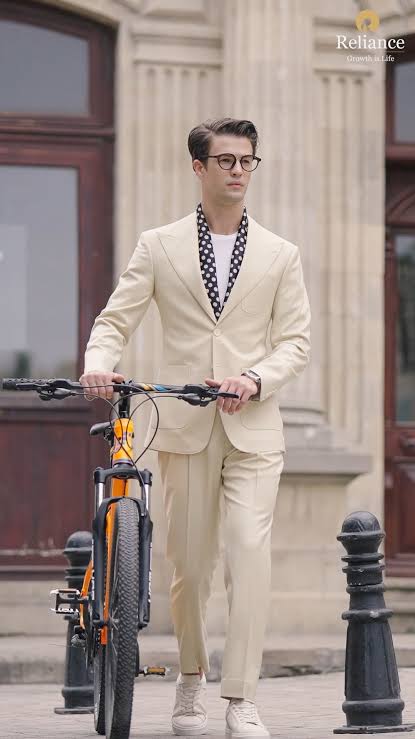
The Executive Style Code: A Career Guide to Suits, Briefcases, and Sophisticated Eyewear
In the modern workplace, professional style is about much more than wearing expensive clothes.The strongest business wardrobe communicates something before you say...

Street-Cool Style: How to Make Motorcycle Jackets, Belt Bags, and Futuristic Sunglasses Stand Out
Street fashion has never been about following every rule.It is about knowing which rules to break.A motorcycle jacket, a compact belt bag,...

The Art of Color Coordination: How to Match Your Bag With Your Eyeglass Frames for an Effortlessly Sophisticated Look
Fashion is often about the little details.A beautifully tailored outfit can look polished, yet something may still feel incomplete. The reason is...
Dating Night Style Secrets: The Perfect Collision of an Elegant Cocktail Dress, a Chain Evening Bag, and Sophisticated Semi-Rimless Glasses
Dating night is about more than choosing an outfit. It is about creating an impression without looking like you tried too hard....
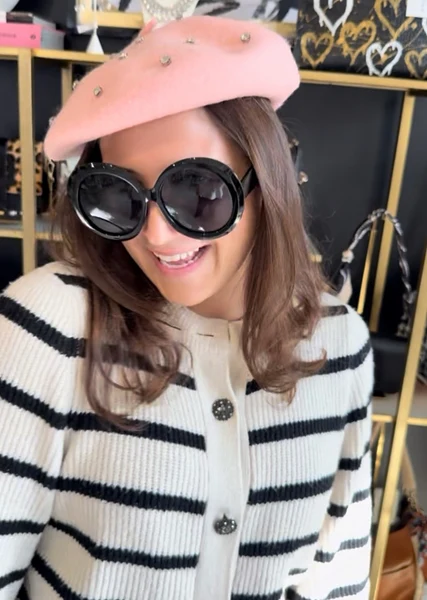
Effortless French Elegance: The Perfect Pairing of Knitwear, Tote Bags, and Cat-Eye Glasses
There is something undeniably captivating about French style.It is polished without looking overly polished, feminine without being overly delicate, and comfortable without...