
From a Materials Science Perspective: What Materials Work Best for Custom Eyewear with Mechanical Snap-Fit Structures?
Modern eyewear design has moved far beyond simple hinges and screws. As customization becomes the new standard in optical products, designers and manufacturers are increasingly turning toward mechanical snap-fit structures — also called clip-fit or snap-lock systems — to create lightweight, modular, and tool-free glasses.
These structures allow frames to be assembled, adjusted, or repaired without screws, adhesives, or complex hardware. However, their success depends almost entirely on one critical factor: material selection.
A poorly chosen material leads to stress whitening, fatigue cracking, loose retention, or catastrophic failure. A well-chosen one creates frames that feel seamless, durable, flexible, and premium.
This article explores snap-fit eyewear from a materials science perspective, explaining which materials truly work best, why they work, and how engineers balance flexibility, strength, fatigue resistance, comfort, and manufacturability when designing custom glasses.
The Rise of Mechanical Snap-Fit Eyewear
Traditional eyewear relies heavily on miniature screws and metal hinges. While effective, these systems introduce several drawbacks:
- Screws loosen over time
- Corrosion risks
- Increased assembly complexity
- Difficult repairs
- Added weight
- Limited modular customization
Snap-fit structures solve many of these problems by using elastic deformation. Instead of rotating around a hinge pin, parts flex slightly during assembly and then lock into place through geometry.
Common snap-fit applications in eyewear include:
- Detachable temples
- Replaceable nose bridges
- Interchangeable lenses
- Modular decorative components
- Adjustable nose pads
- Foldable frame systems
But unlike consumer packaging snaps, eyewear snap mechanisms must survive thousands of flex cycles, skin contact, temperature changes, and daily mechanical stress.
This places extraordinary demands on material performance.
Understanding Snap-Fit Mechanics
Before discussing materials, it’s important to understand how snap-fits work mechanically.
A snap-fit relies on controlled elastic deformation:
- A flexible feature bends during assembly.
- Stress builds within the material.
- The feature returns toward its original shape.
- A locking geometry prevents disengagement.
The success of this process depends on several material properties:
- Elastic modulus
- Yield strength
- Fatigue resistance
- Impact toughness
- Creep resistance
- Surface friction
- Environmental stability
Eyewear introduces additional constraints:
- Must be lightweight
- Comfortable against skin
- Resistant to sweat and cosmetics
- Maintain dimensional accuracy
- Visually appealing
Therefore, the “strongest” material is rarely the best choice.
Key Material Properties for Snap-Fit Eyeglasses
1. Elasticity vs. Rigidity Balance
Snap-fits require materials that flex without permanent deformation.
Too stiff:
- Snaps crack during assembly.
Too soft:
- Locking force becomes weak.
The optimal range typically lies in engineering thermoplastics with moderate modulus and high strain tolerance.
2. Fatigue Resistance
Eyeglass temples are opened and closed many times daily.
A suitable material must withstand repeated bending without micro-cracking. Materials with poor fatigue performance may survive initial assembly but fail months later.
Fatigue resistance often matters more than tensile strength.
3. Creep Resistance
Creep refers to slow deformation under constant stress.
In snap-fits, retention force depends on stored elastic energy. If creep occurs:
- Snaps loosen
- Components detach
- Fit degrades over time
Materials with strong molecular stability perform best.
4. Impact Toughness
Eyewear is frequently dropped.
Brittle materials fracture at stress concentrators — especially snap hooks and thin flex arms.
High toughness ensures survival under accidental impacts.
5. Skin Compatibility
Because eyewear touches skin continuously, materials must resist:
- Sweat degradation
- Oils and cosmetics
- UV exposure
- Allergic reactions
Why Metals Are Usually Not Ideal for Snap-Fits
At first glance, metals seem perfect due to strength. However, metals generally perform poorly in snap-fit eyewear structures.
Reasons include:
- Limited elastic strain range
- Permanent deformation risk
- High weight
- Stress concentration failures
- Complex manufacturing
Metals excel in hinges but struggle in repeated elastic snap systems unless carefully engineered spring geometries are used.
Engineering Plastics: The Real Champions
Most successful snap-fit eyewear uses advanced polymers.
Let’s examine the leading candidates.
TR90 (Grilamid): The Industry Favorite
TR90, a Swiss-developed nylon-based thermoplastic, has become one of the most widely used eyewear materials.
Why TR90 Works So Well
- Excellent flexibility
- High fatigue resistance
- Lightweight density
- Memory effect (returns to shape)
- Chemical resistance
- Comfortable feel
Its molecular structure allows repeated deformation without cracking, making it ideal for snap connectors and flexible temples.
Advantages for Custom Frames
- Supports thin geometries
- Enables tool-free assembly
- Maintains retention force
- Easy color customization
Limitations
- Slightly lower surface hardness
- May require coatings for scratch resistance
Despite limitations, TR90 offers one of the best performance balances available.
Polyamide (PA12): Precision and Durability
PA12 is widely used in high-end and 3D-printed eyewear.
Key Strengths
- Low moisture absorption
- High toughness
- Excellent fatigue life
- Stable dimensions
Because of its predictable mechanical behavior, PA12 is ideal for precision snap geometries produced through additive manufacturing.
Best Use Cases
- Custom-fit frames
- Modular eyewear systems
- Limited-run designs
Polycarbonate (PC): Strong but Tricky
Polycarbonate is famous for impact resistance.
Benefits
- Extremely tough
- High transparency
- Excellent impact performance
However, for snap-fits:
- High stiffness increases stress concentration.
- Stress whitening may appear.
- Requires careful geometry design.
Polycarbonate works best when snap arms are longer and stress is distributed gradually.
PEEK: High-Performance Engineering Polymer
PEEK (Polyether ether ketone) represents a premium solution used in aerospace and medical applications.
Advantages
- Exceptional fatigue resistance
- High temperature stability
- Outstanding chemical resistance
- Long-term dimensional stability
Challenges
- High cost
- Difficult processing
- Premium market positioning
PEEK allows ultra-thin, durable snap systems but is typically reserved for luxury or technical eyewear.
Acetate: Beautiful but Limited for Snap-Fits
Cellulose acetate is popular for aesthetics and color depth.
However:
- More brittle than engineering nylons
- Limited elastic recovery
- Prone to cracking at snap features
Acetate works better for decorative shells combined with internal polymer snap structures.
TPU: Flexible Hybrid Applications
Thermoplastic polyurethane offers rubber-like flexibility.
Strengths
- High elasticity
- Comfort
- Impact absorption
Weakness
- Too soft for primary locking features
TPU is best used as an overmold or comfort interface rather than the main structural snap component.
Fiber-Reinforced Polymers: A Double-Edged Sword
Adding glass or carbon fibers increases stiffness dramatically.
While this improves strength:
- Flexibility decreases
- Snap arms become brittle
- Crack propagation risk increases
Reinforced polymers are excellent for rigid frame sections but rarely ideal for snap hooks themselves.
Geometry Matters as Much as Material
Even the best material fails with poor design.
Critical design principles include:
- Uniform wall thickness
- Rounded internal corners
- Controlled deflection limits
- Proper hook angles
- Stress distribution zones
Material and geometry must be engineered together.
Environmental Factors Designers Must Consider
Eyewear experiences harsh real-world conditions:
Temperature Cycling
Cars, outdoor exposure, and body heat cause expansion and contraction.
UV Exposure
Polymers degrade without stabilizers.
Sweat Chemistry
Salt and oils accelerate material aging.
Cleaning Chemicals
Alcohol-based cleaners attack some plastics.
Materials like TR90 and PA12 perform well under these stresses.
Manufacturing Methods and Material Compatibility
Material choice often depends on production method.
Injection Molding
Best for:
- TR90
- Polycarbonate
- TPU hybrids
CNC Machining
Suitable for:
- Acetate
- High-performance polymers
3D Printing (SLS/MJF)
Ideal for:
- PA12 custom eyewear
Manufacturing constraints influence snap geometry tolerances.
Surface Engineering and Coatings
Surface treatments can dramatically improve snap performance:
- Low-friction coatings reduce wear
- UV stabilizers extend lifespan
- Anti-scratch layers protect aesthetics
- Soft-touch coatings improve comfort
Surface engineering often determines long-term success more than base material alone.
Failure Modes in Snap-Fit Eyewear
Understanding failures helps guide material selection.
Common issues include:
- Stress cracking near hooks
- Permanent deformation
- Retention force loss
- Whitening from microfractures
- Environmental degradation
Most failures originate from mismatch between material flexibility and design strain.
Sustainability Considerations
Material science is increasingly focused on environmental impact.
Emerging trends include:
- Bio-based polyamides
- Recyclable thermoplastics
- Modular replaceable parts
- Long-life design philosophy
Snap-fit systems actually support sustainability by enabling repair instead of replacement.
Future Materials Changing Eyewear Design
Innovations on the horizon include:
- Self-healing polymers
- Shape-memory materials
- Nano-reinforced composites
- Adaptive stiffness polymers
These materials may allow frames that automatically adjust tension or recover from deformation.
Material Comparison Summary
| Material | Flexibility | Fatigue Resistance | Snap Suitability |
|---|---|---|---|
| TR90 | Excellent | Excellent | ★★★★★ |
| PA12 | Excellent | Excellent | ★★★★★ |
| Polycarbonate | Moderate | Good | ★★★★ |
| PEEK | High | Exceptional | ★★★★★ (premium) |
| Acetate | Low | Moderate | ★★ |
| TPU | Very High | Good | Secondary use |
Choosing the Right Material for Custom Snap-Fit Eyewear
The best material depends on design priorities:
- Lightweight everyday frames → TR90
- Custom 3D-printed designs → PA12
- High-impact environments → Polycarbonate hybrids
- Luxury engineering → PEEK
No single material is universally superior; success lies in aligning mechanical behavior with user experience goals.
Final Thoughts
Mechanical snap-fit structures represent a major evolution in eyewear engineering. They enable modular customization, simplified assembly, and improved durability — but only when supported by the right material science decisions.
The ideal material must balance flexibility with strength, resilience with comfort, and performance with manufacturability.
Engineering plastics, particularly advanced polyamides like TR90 and PA12, currently offer the most effective solutions because they operate within the narrow mechanical window required for repeated elastic deformation.
As material innovation continues, the boundary between fashion and engineering will blur even further. Future eyewear will not just sit on the face — it will function as a precisely engineered wearable system, optimized down to the molecular level.
And at the heart of that evolution lies a simple truth:
Great snap-fit eyewear is not defined by design alone, but by the invisible science of materials that makes effortless performance possible every day.
Share this post

The Ultimate Guide to Vacation-Style Outfits: Floral Dresses, Straw Bags, and Round Sunglasses for Summer
Summer is the season of relaxed mornings, warm afternoons, outdoor dinners, weekend getaways, and long-awaited vacations. It is also the perfect time...
The Romance of Earth Tones in Fall: The Color Aesthetics of Trench Coats, Saddle Bags, and Tea-Tinted Sunglasses
Introduction: Falling in Love With the Colors of AutumnThere is something irresistibly romantic about autumn fashion.As summer fades, bright colors gradually give...
Best Glasses for Your Face Shape: Round, Square, Oval & More
Introduction: The Right Glasses Can Transform Your Entire AppearanceChoosing a pair of glasses is about much more than simply correcting your vision....
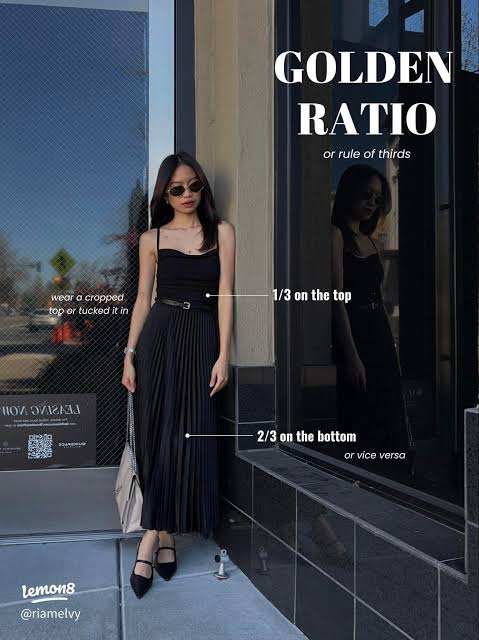
From Head to Toe: The Golden Ratio for Styling Glasses, Clothing, and Bags
Introduction: The Secret to Looking Polished From Head to ToeGreat style is rarely about wearing the most expensive clothes, following every trend,...

Minimalist Style: How Glasses and Bags Add the Perfect Finishing Touch to Black, White, and Gray Outfits
Minimalist fashion is often described as simple, effortless, and timeless. But creating a truly polished minimalist outfit is not as easy as...

Effortless Style: The Perfect Chemistry of Oversized Sweatshirts, Crossbody Bags, and Vintage Metal-Frame Glasses
Introduction: Why Relaxed Style Feels So RightFashion does not always have to look carefully calculated.Sometimes, the most appealing outfit is the one...

The Symphony of Metallic Elements: The Art of Layering Belt Buckles, Chain Bags, and Metal Frames
Introduction: When Metal Becomes a Fashion LanguageFashion has always been a conversation between materials, shapes, and personal expression. Among all design elements,...

Eyeglasses as the Finishing Touch: How to Make Your Frames Blend Perfectly Into Your Everyday Outfits
Eyeglasses are more than a tool for clearer vision. Today, they are one of the most powerful accessories in a modern wardrobe....

Old Money Style Guide: How Cashmere Coats, Premium Leather Bags, and Classic Black Frame Glasses Create Timeless Elegance
Introduction: Understanding the True Meaning of Old Money FashionFashion trends come and go, but true elegance has always been about something deeper...

The Ultimate Style Rescue for Round-Faced Women: How Necklines, Bag Placement, and Geometric Glasses Create a Slimmer Look
Introduction: Redefining Beauty Beyond Face ShapeFor many women with round faces, getting dressed can sometimes feel like a constant battle. The cheeks...
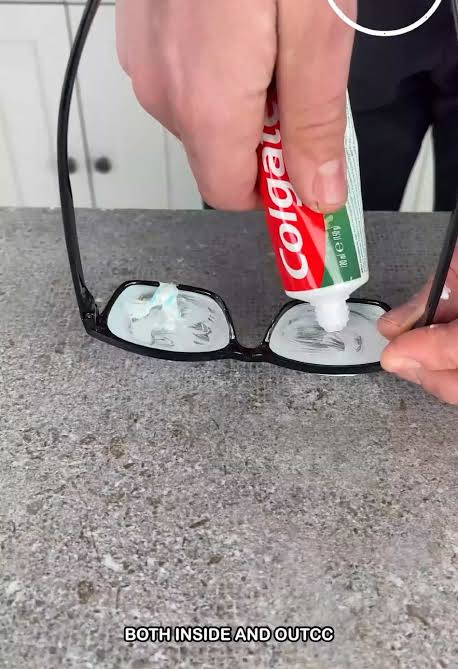
One Swipe, Crystal Clear: The Ultimate Guide to Efficient Eyeglass Cleaning
Introduction: Clear Vision Starts With Proper Lens CareFor millions of people around the world, eyeglasses are an essential part of daily life....

Eyeglasses as the Finishing Touch to Your Outfit: How Frame Shapes Can Elevate Your Style
Introduction: Eyeglasses as the Ultimate Fashion AccessoryWhen people think about fashion accessories, they often consider watches, jewelry, handbags, shoes, or clothing details....