
Clear Isn’t Enough: How to Maintain Long-Term Transparency in High-Transmission Custom Lenses
Introduction: Why True Clarity Goes Beyond Shine
When people think about clean eyeglass lenses, they usually imagine brightness—lenses that look shiny, polished, and free of smudges. But visual comfort depends on something deeper than surface cleanliness. The real goal of modern eyewear is transparency: the ability of lenses to transmit light efficiently while maintaining optical clarity over time.
High-transmission custom lenses are designed to allow more light to pass through with minimal distortion, reflection, or scattering. This improves contrast, reduces eye strain, and enhances everyday vision quality. However, many wearers unknowingly shorten the lifespan of their lenses through improper maintenance habits.
Even premium lenses can gradually lose transparency due to microscopic scratches, coating degradation, oil buildup, and environmental exposure.
This guide explains how high-transmission lenses work, why long-term clarity requires intentional care, and how simple daily habits can preserve optical performance for years.
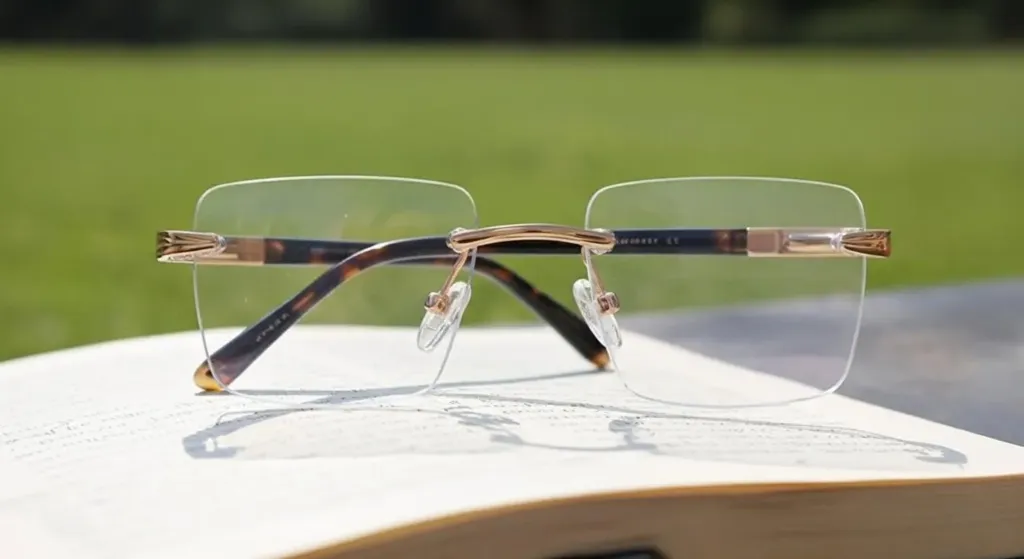
Understanding Light Transmission in Modern Lenses
What Is Light Transmission?
Light transmission refers to the percentage of visible light that passes through a lens and reaches the eye.
Higher transmission means:
- Brighter visual perception
- Better color accuracy
- Reduced glare
- Improved contrast sensitivity
Modern custom lenses often achieve transmission rates above 95% through advanced coatings and refined materials.
Why Transparency Matters More Than Surface Shine
A lens may appear clean but still reduce visual quality if microscopic residue or coating damage scatters light.
Common hidden problems include:
- Oil films invisible under indoor lighting
- Micro-abrasions from improper wiping
- Coating oxidation
- Mineral deposits from water
These issues reduce clarity gradually, making changes difficult to notice until eye fatigue increases.
The Science Behind High-Transmission Custom Lenses
Premium lenses combine multiple technologies.
Advanced Lens Materials
High-index materials bend light efficiently while remaining thin and lightweight. These materials require specialized coatings to maintain clarity.
Anti-Reflective Coatings
Anti-reflective (AR) layers reduce light reflection from lens surfaces, allowing more light to pass through instead of bouncing away.
Benefits include:
- Clearer night vision
- Reduced halo effects
- Better screen viewing
- Improved cosmetic appearance
Hydrophobic and Oleophobic Layers
Modern coatings repel water and oils, preventing smudges from spreading across surfaces.
Hard Protective Layers
Scratch-resistant coatings protect softer optical materials beneath.
Together, these layers form a delicate optical system—not just a piece of plastic or glass.
Why Lenses Lose Transparency Over Time
Even high-quality lenses degrade without proper care.
1. Micro-Scratches From Everyday Cleaning
Using paper towels, clothing, or tissues creates tiny scratches that scatter light.
Individually invisible, these scratches accumulate and reduce clarity.
2. Oil and Skin Residue
Facial oils slowly bond with lens coatings, forming thin films that reduce transmission.
3. Environmental Exposure
Common threats include:
- UV radiation
- Heat inside parked cars
- Air pollution particles
- Salt air near coastal regions
4. Chemical Damage
Household cleaners, alcohol sprays, and ammonia-based solutions break down protective coatings.
The Difference Between Clean Lenses and Clear Lenses
A freshly wiped lens may look spotless but still perform poorly optically.
True transparency requires:
- Intact coating layers
- Smooth surface structure
- Minimal light scattering
- Even light transmission
Maintaining clarity is therefore a preventative process rather than occasional deep cleaning.
Daily Habits That Preserve Lens Transparency
Rinse Before Wiping
Dust particles act like sandpaper.
Always rinse lenses with lukewarm water before wiping to remove debris safely.
Use Proper Cleaning Solutions
Choose cleaners specifically formulated for coated lenses.
Avoid:
- Window cleaners
- Vinegar solutions
- Strong soaps
- Alcohol-heavy sprays
Use Microfiber Cloth Correctly
A clean microfiber cloth lifts oils without scratching.
Best practices:
- Wash cloth regularly without fabric softener.
- Replace cloths when fibers stiffen.
- Store cloth in protective case.
Dry Gently
Pat lenses dry instead of rubbing aggressively.
Friction accelerates coating wear.
Weekly Deep Cleaning Routine
A structured weekly routine helps restore optimal transparency.
- Rinse lenses thoroughly.
- Apply a drop of lens-safe soap.
- Gently clean both sides using fingertips.
- Rinse completely to remove residue.
- Air dry or pat dry with microfiber cloth.
This removes oil layers that daily wiping may spread rather than eliminate.
Storage Habits That Protect Optical Performance
Always Use a Case
Leaving glasses exposed invites dust accumulation and accidental scratches.
Choose hard-shell cases for maximum protection.
Avoid High Heat
Heat expands lens materials and weakens coatings.
Never leave eyewear:
- On car dashboards
- Near heaters
- Inside hot bags
Store With Lenses Facing Up
Placing lenses face-down increases scratch risk even on smooth surfaces.
The Role of Anti-Reflective Coating Maintenance
AR coatings deliver most clarity benefits but require careful handling.
Signs of coating wear include:
- Rainbow patterns
- Persistent haze
- Increased glare at night
- Difficulty cleaning smudges
Proper cleaning dramatically slows coating degradation.
Screen Use and Transparency Loss
Digital lifestyles introduce new challenges.
Extended screen exposure leads to:
- Frequent touching and adjusting
- Increased oil transfer
- Higher cleaning frequency
Consider adopting habits such as:
- Adjusting frames by temples instead of lenses
- Taking periodic cleaning breaks
- Keeping cleaning cloths accessible.
Environmental Factors Affecting Long-Term Clarity
Humidity
High humidity encourages residue buildup.
Air Pollution
Urban particles settle on lenses and create abrasive wiping conditions.
Cosmetics and Skincare Products
Hair spray, sunscreen, and makeup easily coat lenses.
Apply products before putting on glasses whenever possible.
Travel Tips for Maintaining Lens Transparency
Travel exposes lenses to unfamiliar environments.
Recommendations include:
- Carry travel-size lens cleaner.
- Use protective cases during flights.
- Avoid cleaning lenses with airplane tissues.
- Rinse lenses after beach or outdoor activities.
Salt and sand are particularly damaging.
Common Cleaning Mistakes to Avoid
Many lens problems originate from habits people consider harmless.
Avoid:
- Cleaning lenses dry
- Using shirt hems
- Paper towels or napkins
- Hot water washing
- Household glass cleaners
Small habits repeated daily cause long-term damage.
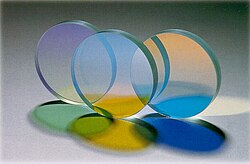
How Often Should Custom Lenses Be Professionally Maintained?
Periodic professional maintenance helps preserve performance.
Optical professionals can:
- Deep clean coatings safely
- Inspect micro-damage
- Adjust frames to reduce contact pressure
- Recommend replacement timing
Annual inspections are ideal for frequent wearers.
Signs Your Lenses Are Losing Transparency
Watch for subtle indicators:
- Increased glare while driving
- Difficulty seeing at night
- Frequent need to clean lenses
- Cloudy appearance under bright light
- Eye fatigue despite updated prescriptions
These signs often reflect coating wear rather than vision changes.
Extending the Lifespan of Premium Custom Lenses
With proper care, high-quality lenses can maintain excellent clarity for several years.
Key principles include:
- Gentle cleaning routines
- Consistent protection
- Environmental awareness
- Correct storage habits
Maintenance determines longevity more than price alone.
The Psychological Impact of Clear Vision
Visual clarity affects more than eyesight—it influences comfort, productivity, and mood.
Clear lenses contribute to:
- Reduced visual stress
- Improved focus
- Better posture during screen use
- Greater confidence in social interactions
Maintaining transparency supports everyday well-being.
Sustainability Benefits of Proper Lens Care
Extending lens lifespan reduces waste and resource consumption.
Advantages include:
- Fewer replacements
- Reduced manufacturing demand
- Lower long-term costs
- More sustainable consumption habits
Careful maintenance aligns with environmentally conscious living.
Future Innovations in Lens Transparency
Emerging technologies aim to make lenses more resilient.
Developments include:
- Self-cleaning nano-coatings
- Enhanced oil resistance layers
- Scratch-healing surfaces
- Advanced anti-smudge treatments
Despite innovation, proper care will remain essential.
Building a Long-Term Lens Care Routine
An effective routine should be simple enough to follow daily.
Daily
- Rinse and gentle wipe.
Weekly
- Full wash with lens-safe cleanser.
Monthly
- Inspect microfiber cloth condition.
Annually
- Professional optical check.
Consistency protects optical performance better than occasional deep cleaning.
Conclusion: Transparency Is a Habit, Not a Feature
High-transmission custom lenses represent a sophisticated balance of material science and optical engineering. Their clarity does not come solely from manufacturing quality but from ongoing care.
A lens that looks shiny is not always a lens that performs clearly. True transparency depends on protecting coatings, minimizing microscopic damage, and maintaining clean surfaces without abrasion.
By adopting gentle cleaning habits, mindful storage practices, and preventative maintenance routines, wearers can preserve the brightness, clarity, and comfort their lenses were designed to deliver.
In the end, maintaining long-term transparency isn’t complicated—it simply requires understanding that clear vision begins with consistent care. When treated properly, premium lenses continue to transmit light beautifully, supporting sharp, comfortable vision every day for years to come.
Share this post
Best Glasses for Your Face Shape: Round, Square, Oval & More
Introduction: The Right Glasses Can Transform Your Entire AppearanceChoosing a pair of glasses is about much more than simply correcting your vision....
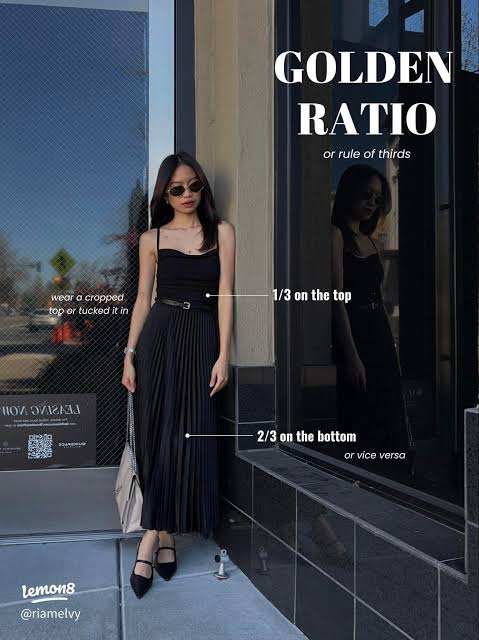
From Head to Toe: The Golden Ratio for Styling Glasses, Clothing, and Bags
Introduction: The Secret to Looking Polished From Head to ToeGreat style is rarely about wearing the most expensive clothes, following every trend,...

Minimalist Style: How Glasses and Bags Add the Perfect Finishing Touch to Black, White, and Gray Outfits
Minimalist fashion is often described as simple, effortless, and timeless. But creating a truly polished minimalist outfit is not as easy as...

Effortless Style: The Perfect Chemistry of Oversized Sweatshirts, Crossbody Bags, and Vintage Metal-Frame Glasses
Introduction: Why Relaxed Style Feels So RightFashion does not always have to look carefully calculated.Sometimes, the most appealing outfit is the one...

The Symphony of Metallic Elements: The Art of Layering Belt Buckles, Chain Bags, and Metal Frames
Introduction: When Metal Becomes a Fashion LanguageFashion has always been a conversation between materials, shapes, and personal expression. Among all design elements,...

Eyeglasses as the Finishing Touch: How to Make Your Frames Blend Perfectly Into Your Everyday Outfits
Eyeglasses are more than a tool for clearer vision. Today, they are one of the most powerful accessories in a modern wardrobe....

Old Money Style Guide: How Cashmere Coats, Premium Leather Bags, and Classic Black Frame Glasses Create Timeless Elegance
Introduction: Understanding the True Meaning of Old Money FashionFashion trends come and go, but true elegance has always been about something deeper...

The Ultimate Style Rescue for Round-Faced Women: How Necklines, Bag Placement, and Geometric Glasses Create a Slimmer Look
Introduction: Redefining Beauty Beyond Face ShapeFor many women with round faces, getting dressed can sometimes feel like a constant battle. The cheeks...
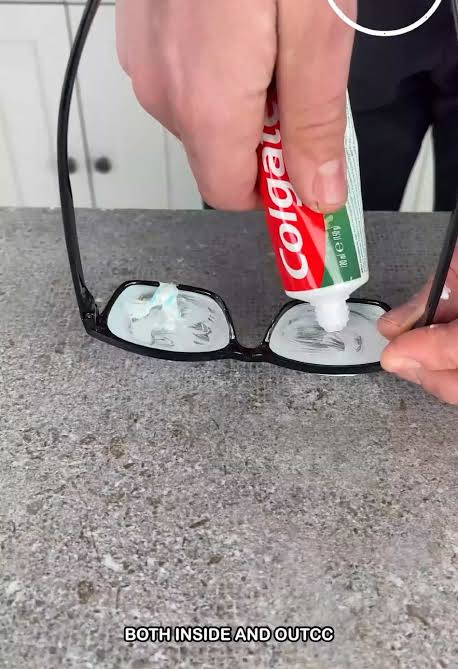
One Swipe, Crystal Clear: The Ultimate Guide to Efficient Eyeglass Cleaning
Introduction: Clear Vision Starts With Proper Lens CareFor millions of people around the world, eyeglasses are an essential part of daily life....

Eyeglasses as the Finishing Touch to Your Outfit: How Frame Shapes Can Elevate Your Style
Introduction: Eyeglasses as the Ultimate Fashion AccessoryWhen people think about fashion accessories, they often consider watches, jewelry, handbags, shoes, or clothing details....
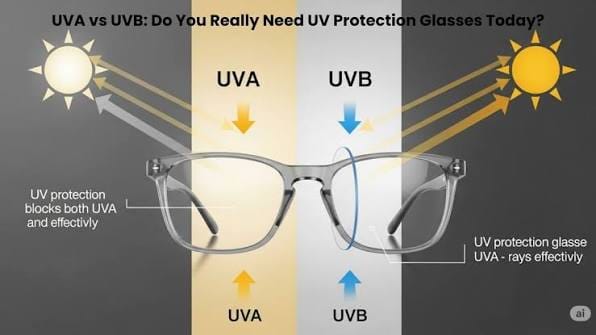
Blue Light Protection or UV Protection? Common Mistakes When Choosing Eye Protection Glasses
Introduction: Choosing the Right Eye Protection Is More Complicated Than It LooksEyeglasses have evolved far beyond simple vision correction tools. Today, consumers...
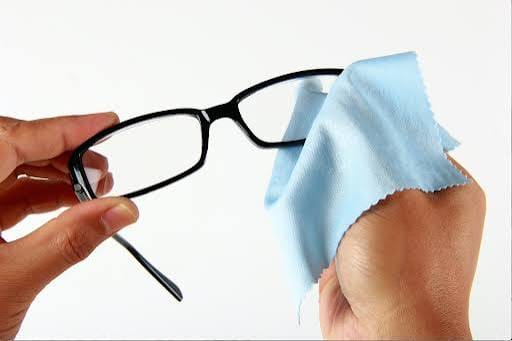
Care for Your Glasses Like You Care for Your Skin: The Complete Guide to Eyewear Maintenance
Introduction: Your Glasses Deserve More Than Just a Quick WipeMany people spend time and money caring for their skin every day.They choose...