
From Crowdfunded Sensation to Mainstream Market: A Brief History of the Custom Eyewear Industry
Over the past fifteen years, the custom eyewear industry has transformed from a niche concept backed by passionate early adopters into a powerful force within global optical retail. What once required a personal visit to a high-end optician can now be ordered online, designed in minutes, and delivered to your door.
From crowdfunding campaigns that captured viral attention to the rise of direct-to-consumer pioneers like Warby Parker, the journey of custom glasses reflects larger shifts in technology, consumer expectations, and digital commerce. This long-form exploration traces how personalized eyewear evolved from experimental startups into a widely accessible lifestyle product—and where the industry is headed next.
1. Before Custom Became Clickable: Traditional Optical Retail
To understand the rise of custom eyewear, it’s important to look at the legacy model that dominated the industry for decades.
Historically, buying prescription glasses involved:
- Visiting a local optometrist
- Selecting from a limited in-store frame display
- Waiting one to two weeks for fabrication
- Paying premium retail markups
Customization existed, but it was limited. Customers could choose:
- Frame shape
- Lens type
- Tint or coating
True personalization—adjusting materials, colors, engravings, fit dimensions, or design elements—was rare and expensive.
Major eyewear conglomerates controlled much of the supply chain, from manufacturing to retail distribution. Independent brands had little access to consumers without traditional wholesale agreements.
The model worked—but it lacked flexibility, transparency, and personalization.
2. The Crowdfunding Era: Democratizing Design
The late 2000s and early 2010s introduced a powerful disruption: crowdfunding platforms such as Kickstarter and Indiegogo.
For emerging eyewear designers, crowdfunding offered:
- Access to capital without venture funding
- Direct validation from real customers
- Global visibility
- Pre-orders that reduced inventory risk
Custom eyewear was especially well-suited to crowdfunding because it combined:
- Innovation
- Visual appeal
- A clear consumer benefit
- Emotional storytelling
Campaigns highlighted features like:
- Adjustable nose bridges
- Interchangeable arms
- Laser-engraved personalization
- Made-to-measure sizing
- 3D-printed frames tailored to face scans
Backers were not just buying glasses—they were supporting a movement toward personalization and independence from traditional optical giants.
Several campaigns dramatically exceeded their funding goals, proving there was strong consumer appetite for something new.
Crowdfunding didn’t just launch products—it reshaped expectations. Consumers began to believe they deserved eyewear that fit their identity, not just their prescription.
3. The Direct-to-Consumer Revolution
While crowdfunding introduced custom eyewear to early adopters, the direct-to-consumer (DTC) movement scaled it to mainstream audiences.
Companies like Warby Parker challenged the high-margin optical retail model. By selling directly online, they:
- Reduced markups
- Simplified pricing
- Normalized ordering prescription glasses online
- Introduced home try-on programs
This shift changed consumer psychology. People realized they didn’t have to rely on in-store selections.
Custom eyewear brands adopted similar strategies:
- Online configuration tools
- Transparent pricing
- Virtual try-on technology
- Home sampling kits
Digital storefronts allowed customers to choose:
- Frame dimensions
- Colors and finishes
- Temple length
- Bridge width
- Lens coatings
- Engravings
For the first time, large-scale customization became logistically feasible and financially accessible.
4. Technology That Made Personalization Possible
Behind the scenes, technological advancements made the custom eyewear boom viable.
4.1 3D Printing and Rapid Prototyping
3D printing revolutionized frame manufacturing. Designers could create:
- Custom geometries
- Lightweight lattice structures
- Face-specific measurements
Instead of producing thousands of identical frames, manufacturers could produce small batches—or even single-unit builds.
Rapid prototyping shortened product development cycles, enabling startups to iterate quickly based on customer feedback.
4.2 Digital Face Mapping
With smartphone cameras and AI-powered software, brands introduced digital face scanning.
Customers could upload photos or use apps to measure:
- Pupillary distance
- Face width
- Nose bridge contour
- Temple length
This improved fit accuracy and reduced return rates.
4.3 Advanced Lens Customization
Lens manufacturers also embraced digital surfacing technology. Customization expanded to include:
- Blue light filtering
- Photochromic transitions
- Polarization
- High-index thinning
- Anti-reflective coatings
The frame was no longer the only customizable element—the lens became equally personal.
5. The Influence of Personal Branding and Social Media
Social media platforms like Instagram, TikTok, and YouTube transformed eyewear into a fashion statement.
Influencers demonstrated:
- Frame swaps for different outfits
- Custom engravings
- Color-matching aesthetics
- Behind-the-scenes production processes
Eyewear became content-friendly. Custom options amplified engagement because audiences loved seeing unique designs.
Hashtags related to personalized glasses and made-to-measure eyewear surged in popularity.
Consumers no longer wanted generic frames—they wanted glasses that reflected their personality, career, lifestyle, and creative identity.
6. Sustainability and Ethical Manufacturing
As environmental awareness grew, customization aligned with sustainability goals.
Traditional mass production often leads to excess inventory and waste. Custom production models offered:
- On-demand manufacturing
- Reduced overstock
- Lower unsold inventory disposal
- Targeted production runs
Some custom eyewear brands began using:
- Bio-acetate materials
- Recycled plastics
- Sustainable wood composites
- Minimalist packaging
Personalization also increased product longevity. When customers feel emotionally connected to a product, they’re less likely to discard it quickly.
This emotional durability became a key competitive advantage.
7. Expansion into Mass Retail and Optical Chains
Initially, custom eyewear was largely online-driven. However, as demand grew, brick-and-mortar retailers adapted.
Optical stores began offering:
- In-store frame customization kiosks
- Color selection tools
- On-demand engraving
- Adjustable components
Hybrid retail models emerged, combining physical fittings with digital customization.
Some retailers partnered with technology providers to bring personalization tools in-house.
The result was a blending of traditional optometry expertise with modern customization software.
8. The Rise of Subscription and Modular Business Models
As competition intensified, brands experimented with recurring revenue models.
Subscription-based custom eyewear services offered:
- Annual lens upgrades
- Seasonal frame swaps
- Insurance bundles
- Style refresh packages
These models encouraged long-term customer relationships rather than one-time purchases.
Meanwhile, modular designs allowed customers to:
- Replace temples
- Swap colors
- Update lenses without replacing frames
This flexibility extended product lifecycles and strengthened brand loyalty.
9. Global Manufacturing and Private Label Growth
As production technologies matured, factories in Asia and Europe began offering customizable white-label eyewear solutions.
Entrepreneurs could:
- Design custom logos
- Choose frame molds
- Adjust materials
- Create branded packaging
This lowered entry barriers and increased competition.
Custom eyewear shifted from being a startup novelty to a widely available private-label opportunity.
However, differentiation became more important than ever. Brands needed strong storytelling, reliable quality control, and consistent customer service to stand out.
10. The Pandemic Effect: Remote Work and Digital Comfort
The COVID-19 pandemic accelerated several trends within the custom eyewear industry.
With remote work becoming widespread, consumers sought:
- Blue light blocking lenses
- Lightweight frames for all-day wear
- Comfortable nose bridges
- Flexible temples
Online shopping surged, further normalizing digital eyewear purchases.
Virtual try-on tools improved dramatically during this period, using augmented reality to simulate real-time frame fitting.
Custom eyewear companies that invested in technology thrived.
11. Smart Glasses and the Next Wave of Personalization
The boundary between eyewear and technology continues to blur.
Companies like Meta Platforms have explored wearable smart glasses, integrating cameras, speakers, and augmented reality features.
While early smart glasses focused on tech integration, future iterations may incorporate custom-fit modules, adjustable frames, and prescription compatibility.
Personalization will likely extend beyond aesthetics to functionality, including:
- Prescription updates
- Integrated hearing support
- Health monitoring sensors
- AR display modules
The next frontier may combine fashion, medical precision, and digital technology.
12. Market Segmentation: From Budget to Luxury
Today’s custom eyewear industry spans multiple price tiers:
Budget Custom Glasses
- Limited material options
- Standardized molds with color customization
- Online-only ordering
Mid-Tier Personalization
- Adjustable measurements
- Engraving options
- Premium lens coatings
Luxury Bespoke Eyewear
- Handmade acetate
- Tailored measurements
- Artisanal craftsmanship
- Private consultations
At the luxury end, custom eyewear resembles haute couture—meticulously crafted and deeply personal.
13. Challenges Facing the Industry
Despite rapid growth, the custom eyewear sector faces obstacles:
Production Complexity
Custom manufacturing requires precise coordination and quality assurance.
Returns and Fit Issues
Even with digital tools, some customers experience fit discrepancies.
Intellectual Property Concerns
Private-label manufacturing increases design imitation risks.
Price Competition
Mass-market entrants can undercut premium innovators.
To succeed, brands must balance personalization with reliability and efficiency.
14. Consumer Psychology: Why Customization Works
Customization appeals to fundamental human desires:
- Identity expression
- Control over purchasing decisions
- Emotional connection to products
- Reduced buyer’s remorse
When consumers design their own glasses, they feel ownership before the product even arrives.
This psychological investment often translates into higher satisfaction and brand loyalty.
15. The Future of Custom Eyewear
Looking ahead, several developments are likely to shape the next chapter:
AI-Powered Style Matching
Algorithms analyzing face shape, skin tone, and wardrobe preferences.
Hyper-Accurate Fit Modeling
3D facial mapping through smartphone cameras.
Sustainable Materials Innovation
Biodegradable polymers and recycled composites.
Faster Production Cycles
Localized micro-factories reducing shipping times.
Integrated Health Technology
Prescription monitoring and vision tracking.
As technology advances, the gap between mass production and bespoke craftsmanship continues to narrow.
Conclusion: Personal Vision in a Mass Market World
The custom eyewear industry’s evolution mirrors broader shifts in commerce, technology, and culture.
What began as crowdfunded innovation on platforms like Kickstarter has matured into a global marketplace serving millions of consumers.
From digital face scanning to 3D printing, from DTC pioneers like Warby Parker to emerging wearable tech from Meta Platforms, personalization has become the defining force of modern eyewear.
Custom glasses are no longer a luxury reserved for elite boutiques. They are accessible, scalable, and increasingly expected.
In a world that values individuality, flexibility, and meaningful ownership, custom eyewear represents more than a product category—it reflects how consumers want to see themselves.
And the story is still unfolding.
Share this post
The Ultimate Guide to Vacation-Style Outfits: Floral Dresses, Straw Bags, and Round Sunglasses for Summer
Summer is the season of relaxed mornings, warm afternoons, outdoor dinners, weekend getaways, and long-awaited vacations. It is also the perfect time...
The Romance of Earth Tones in Fall: The Color Aesthetics of Trench Coats, Saddle Bags, and Tea-Tinted Sunglasses
Introduction: Falling in Love With the Colors of AutumnThere is something irresistibly romantic about autumn fashion.As summer fades, bright colors gradually give...
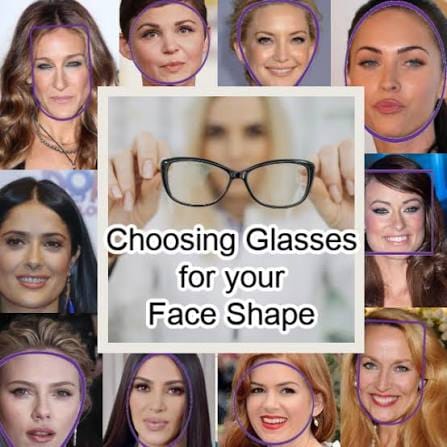
Best Glasses for Your Face Shape: Round, Square, Oval & More
Introduction: The Right Glasses Can Transform Your Entire AppearanceChoosing a pair of glasses is about much more than simply correcting your vision....
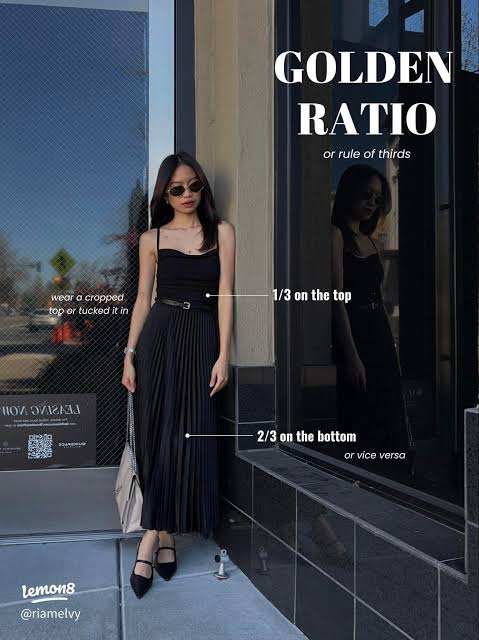
From Head to Toe: The Golden Ratio for Styling Glasses, Clothing, and Bags
Introduction: The Secret to Looking Polished From Head to ToeGreat style is rarely about wearing the most expensive clothes, following every trend,...

Minimalist Style: How Glasses and Bags Add the Perfect Finishing Touch to Black, White, and Gray Outfits
Minimalist fashion is often described as simple, effortless, and timeless. But creating a truly polished minimalist outfit is not as easy as...
Effortless Style: The Perfect Chemistry of Oversized Sweatshirts, Crossbody Bags, and Vintage Metal-Frame Glasses
Introduction: Why Relaxed Style Feels So RightFashion does not always have to look carefully calculated.Sometimes, the most appealing outfit is the one...
The Symphony of Metallic Elements: The Art of Layering Belt Buckles, Chain Bags, and Metal Frames
Introduction: When Metal Becomes a Fashion LanguageFashion has always been a conversation between materials, shapes, and personal expression. Among all design elements,...
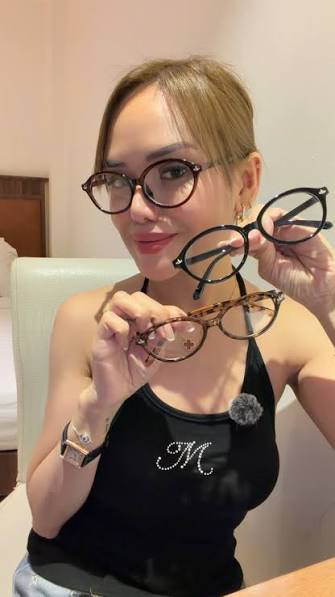
Eyeglasses as the Finishing Touch: How to Make Your Frames Blend Perfectly Into Your Everyday Outfits
Eyeglasses are more than a tool for clearer vision. Today, they are one of the most powerful accessories in a modern wardrobe....
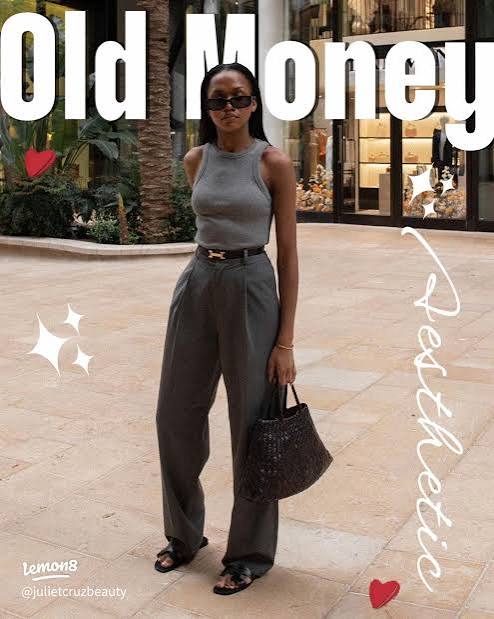
Old Money Style Guide: How Cashmere Coats, Premium Leather Bags, and Classic Black Frame Glasses Create Timeless Elegance
Introduction: Understanding the True Meaning of Old Money FashionFashion trends come and go, but true elegance has always been about something deeper...
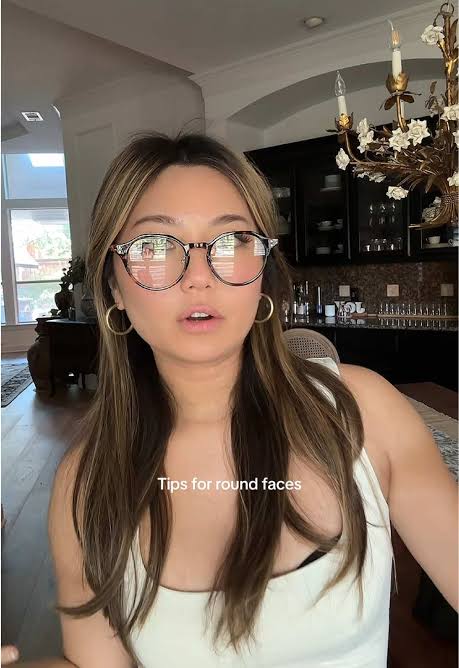
The Ultimate Style Rescue for Round-Faced Women: How Necklines, Bag Placement, and Geometric Glasses Create a Slimmer Look
Introduction: Redefining Beauty Beyond Face ShapeFor many women with round faces, getting dressed can sometimes feel like a constant battle. The cheeks...
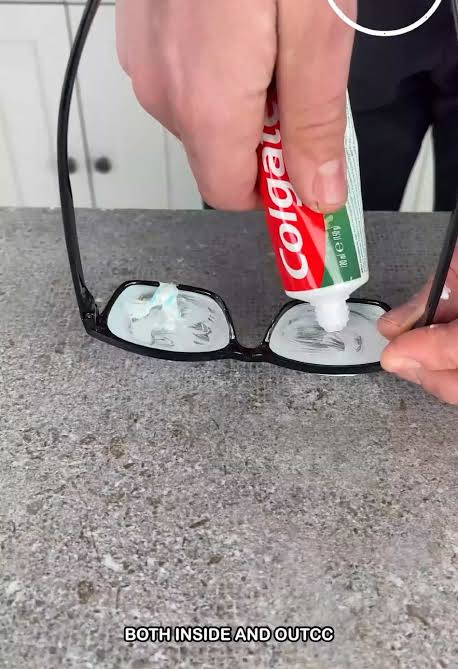
One Swipe, Crystal Clear: The Ultimate Guide to Efficient Eyeglass Cleaning
Introduction: Clear Vision Starts With Proper Lens CareFor millions of people around the world, eyeglasses are an essential part of daily life....
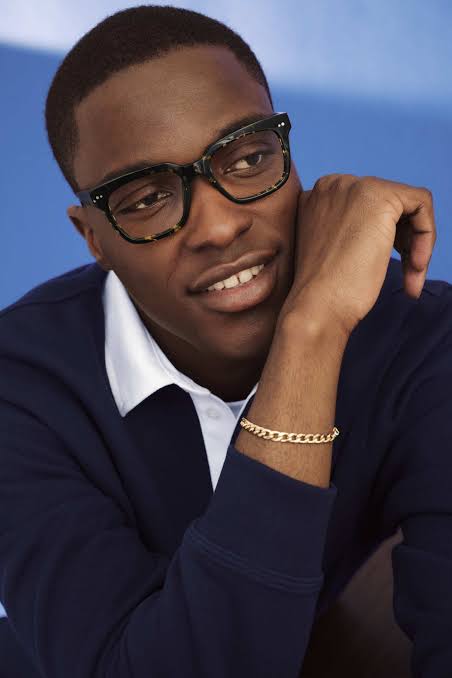
Eyeglasses as the Finishing Touch to Your Outfit: How Frame Shapes Can Elevate Your Style
Introduction: Eyeglasses as the Ultimate Fashion AccessoryWhen people think about fashion accessories, they often consider watches, jewelry, handbags, shoes, or clothing details....