
One Frame, Many Faces: The Structural Integrity Advantages of Multi-Function Clip-On Eyewear Systems
Modern eyewear is evolving beyond a single-purpose accessory. For decades, glasses were designed to perform one function at a time—vision correction, sun protection, blue-light filtering, or fashion expression. Today’s lifestyles, however, demand flexibility. People move seamlessly between workspaces, outdoor environments, digital screens, and social settings throughout the day.
This shift has led to one of the most innovative developments in eyewear engineering: the multi-function clip-on frame system.
At first glance, clip-on glasses may appear to be a simple convenience feature. In reality, advanced modular eyewear systems represent a sophisticated balance of mechanical engineering, material science, and ergonomic design. When properly engineered, a clip-on system does more than add versatility—it enhances structural integrity, durability, and long-term performance.
This article explores how modern clip-on mechanisms work, why structural design matters, and how a single frame can safely support multiple visual identities without compromising strength or comfort.
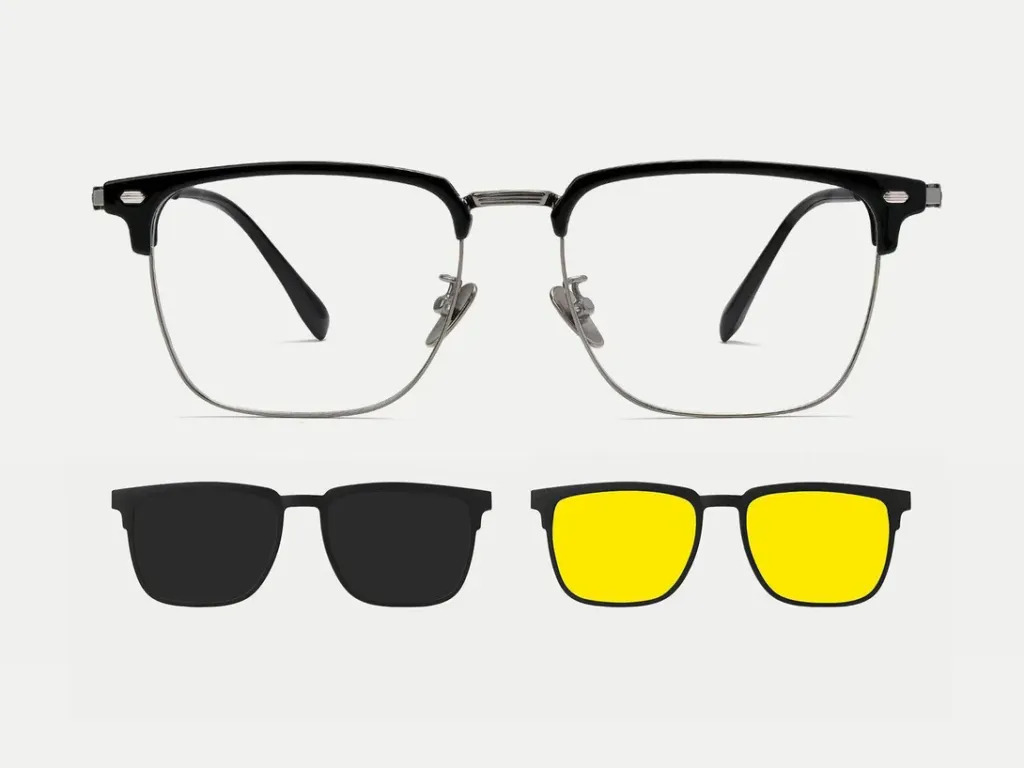
The Evolution of Clip-On Eyewear
Traditional clip-on sunglasses date back decades, often associated with bulky metal attachments that clamped awkwardly onto prescription frames. While functional, early designs suffered from several problems:
- Uneven weight distribution
- Frame deformation over time
- Scratching caused by pressure points
- Weak attachment stability
- Limited aesthetic appeal
Modern systems have transformed this concept entirely.
Today’s multi-function clip-on designs are engineered as integrated systems rather than accessories added afterward. The base frame and attachments are developed together, ensuring compatibility at structural, optical, and aesthetic levels.
The result is not simply “glasses with add-ons,” but a modular eyewear platform.
Understanding Structural Integrity in Eyewear
Structural integrity refers to a frame’s ability to maintain shape, alignment, and performance under repeated stress.
Eyeglasses experience constant mechanical forces:
- Opening and closing temples
- Facial pressure during wear
- Temperature changes
- Accidental drops
- Lens swapping or attachment changes
A poorly designed modular system introduces weak points. A well-designed system redistributes stress to strengthen the overall structure.
Key goals include:
- Maintaining lens alignment
- Preventing hinge fatigue
- Avoiding frame warping
- Preserving optical accuracy
Structural integrity directly influences both comfort and vision quality.
What Is a Multi-Function Clip-On System?
A multi-function clip-on system consists of three primary components:
- Core frame – the prescription or primary eyewear structure.
- Attachment modules – interchangeable front pieces or lenses.
- Connection mechanism – the engineered interface that joins them.
Attachments may include:
- Sunglass lenses
- Blue-light filters
- Polarized shields
- Fashion overlays
- Protective lenses
The challenge lies in creating secure attachment without damaging the base frame.
The Engineering Challenge: Flexibility Without Weakness
Adding removable components introduces potential risks:
- Increased stress concentration
- Alignment inconsistencies
- Material fatigue
Engineers solve these challenges through precision mechanical design.
Modern systems rely on:
- Distributed load pathways
- Micro-alignment anchors
- Balanced magnetic or mechanical locking
- Reinforced frame geometry
Instead of weakening the frame, these systems often reinforce structural stability.
Load Distribution: The Secret Behind Durability
One of the most important advances in clip-on engineering is load distribution.
Older clip-ons applied force at two small points, causing localized stress. Over time, this led to bending or cracking.
Modern systems spread force across wider surfaces.
Benefits include:
- Reduced pressure per contact point
- Improved longevity
- Stable lens positioning
- Less frame deformation
This principle mirrors architectural engineering, where distributed loads strengthen structures.
Magnetic Attachment Systems: Precision Meets Simplicity
Magnetic clip-on systems have become increasingly popular due to their seamless user experience.
However, magnets alone do not provide structural stability. High-quality systems combine magnets with mechanical guidance features.
Key Components
- Embedded micro-magnets for attraction
- Alignment grooves or pins
- Anti-rotation supports
Magnets handle positioning, while structural features handle stress.
This hybrid design prevents sliding or detachment during movement.
Mechanical Clip Systems: Reinvented Engineering
Some designs use precision mechanical locks rather than magnets.
Modern mechanical clip systems include:
- Hidden latch mechanisms
- Elastic tension materials
- Snap-fit engineering tolerances
Unlike older clips, these designs minimize direct pressure on lenses and rims.
Advantages include:
- High retention strength
- Predictable alignment
- Excellent durability in active environments
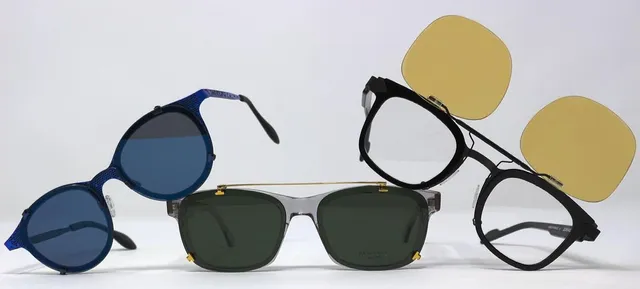
Frame Geometry and Reinforcement
A modular frame must be engineered differently from a standard frame.
Designers often reinforce:
- Bridge areas
- Upper rims
- Connection interfaces
Subtle thickness adjustments strengthen high-stress zones without increasing weight.
Computer modeling allows engineers to predict stress behavior before production begins.
Material Science: The Backbone of Structural Performance
Material selection plays a decisive role in modular eyewear strength.
Titanium Alloys
- Exceptional strength-to-weight ratio
- Corrosion resistance
- Flexibility without permanent deformation
Ideal for precision clip-on systems.
High-Density Acetate
- Shock absorption
- Comfortable wear
- Design flexibility
Often reinforced internally for modular compatibility.
Stainless Steel
- Structural rigidity
- Thin profile capability
- Long-term durability
Each material responds differently to repeated attachment cycles.
Alignment Accuracy and Optical Performance
Structural integrity is not only about durability—it also protects vision quality.
Misalignment can cause:
- Eye strain
- Distorted optics
- Uneven light filtering
Precision clip-on systems ensure attachments align perfectly with prescription lenses.
Engineering tolerances often operate within fractions of a millimeter.
This precision preserves optical consistency across all configurations.
Weight Balance and Comfort Engineering
Adding attachments changes weight distribution.
If poorly balanced, wearers may experience:
- Nose pressure
- Frame slipping
- Ear discomfort
Advanced systems compensate by:
- Reducing attachment thickness
- Using lightweight materials
- Positioning connection points near the center of gravity
Balanced weight maintains natural comfort.
One Frame, Multiple Identities
Beyond engineering, modular eyewear introduces emotional and lifestyle flexibility.
A single frame can transition between:
- Professional office appearance
- Outdoor sunglasses
- Digital workspace protection
- Evening social style
This adaptability reduces the need for multiple glasses while maintaining cohesive personal style.
Durability Through Modularity
Interestingly, modular systems can extend product lifespan.
Why?
Because functional wear spreads across multiple components rather than a single surface.
Benefits include:
- Reduced lens scratching
- Less exposure to UV damage
- Replaceable modules instead of full replacement
This modular philosophy mirrors modern product sustainability trends.
Precision Manufacturing and Tolerance Control
Structural integrity depends heavily on manufacturing accuracy.
Processes often include:
- CNC machining
- Laser measurement
- Automated quality inspection
- Hand-finishing adjustments
Even minor deviations can affect attachment stability.
High manufacturing standards ensure repeatable performance.
Stress Testing and Real-World Performance
Before release, advanced eyewear systems undergo rigorous testing.
Common tests include:
- Repeated attachment cycles
- Drop simulations
- Temperature exposure
- Flex endurance tests
These evaluations ensure mechanisms maintain integrity after thousands of uses.
The Role of Design Minimalism
One hallmark of modern clip-on systems is invisibility.
Designers aim to hide functional complexity within clean aesthetics.
Minimalist integration:
- Eliminates visible clips
- Preserves frame elegance
- Prevents snagging or discomfort
Engineering becomes invisible—but essential.
User Experience as Structural Success
A strong system is not only durable; it feels intuitive.
Good modular eyewear allows users to:
- Attach lenses effortlessly
- Feel immediate alignment confirmation
- Avoid excessive force
Ease of use reduces accidental damage.
Common Misconceptions About Clip-On Frames
“Clip-ons are fragile.”
Modern systems are engineered specifically for repeated use.
“They look bulky.”
Integrated designs maintain slim profiles.
“Magnets are weak.”
When combined with mechanical alignment, magnetic systems achieve strong retention.
Sustainability Advantages of Multi-Function Frames
Owning one adaptable frame instead of several separate pairs reduces material consumption.
Environmental advantages include:
- Fewer raw materials used
- Reduced manufacturing emissions
- Less packaging waste
- Longer product lifecycle
Modularity aligns with responsible consumption habits.
Ideal Users for Modular Eyewear Systems
Multi-function frames benefit:
- Urban commuters transitioning indoors and outdoors.
- Professionals working on digital screens.
- Travelers seeking versatility.
- Minimalists reducing accessory clutter.
- Style-conscious users wanting adaptable aesthetics.
The Future of Modular Eyewear Engineering
Innovation continues to accelerate.
Emerging developments include:
- Smart adaptive lenses
- Shape-memory materials
- AI-assisted customization
- Ultra-thin magnetic architectures
Future frames may automatically adapt to environments without manual changes.
Why Structural Integrity Defines True Innovation
Many products claim versatility, but true innovation lies in maintaining performance under change.
A successful multi-function clip-on system achieves:
- Stability under stress
- Precision alignment
- Comfort consistency
- Aesthetic continuity
Engineering excellence ensures flexibility does not come at the cost of reliability.
Final Thoughts: When Engineering Meets Everyday Life
The idea of “one frame, many faces” represents more than convenience. It reflects a broader shift toward adaptable design—products that evolve with the user rather than forcing users to adapt to them.
Modern clip-on eyewear systems demonstrate how thoughtful engineering can transform a simple object into a multifunctional platform. By reinforcing structural integrity through intelligent materials, precise alignment, and balanced load distribution, these systems provide durability alongside versatility.
The best modular frames do not feel mechanical or complicated. They feel natural—ready to transition as effortlessly as daily life itself.
In the end, the strength of a frame is not measured only by what it holds, but by how gracefully it adapts. And in a world defined by constant movement, adaptability supported by structural integrity is the true future of eyewear design.
Share this post
How Should Your Glasses Fit for Comfort and Style?
Choosing the right pair of eyeglasses is about more than finding a frame design you like. A properly fitted pair of glasses...
How to Install and Remove the Top Frame
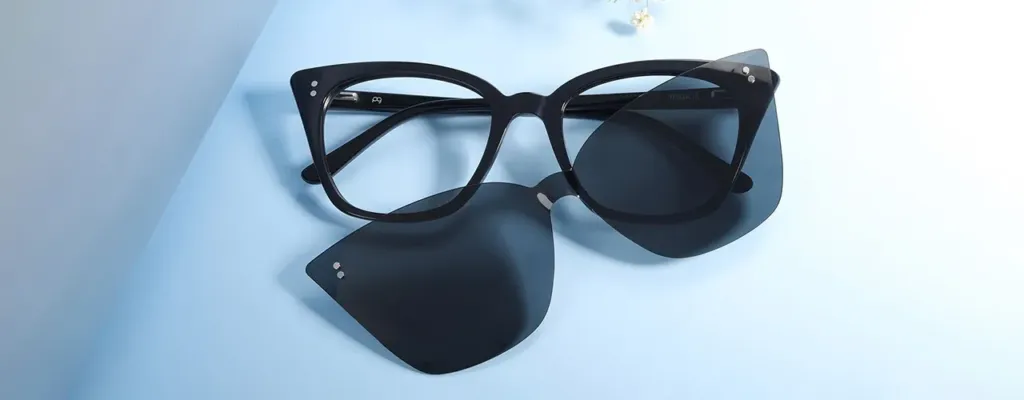
How to Install Your XCombo TopperCheck Left & RightMake sure each topper is on the correct side.Attach at the Nose BridgeAlign the...
Say Goodbye to an Awkward Look: How to Choose the Right Eyeglasses Based on Your Body Proportions and Bag Size
Eyeglasses are more than a vision-correction tool. They are also an important fashion accessory that can influence the balance, proportion, and overall...
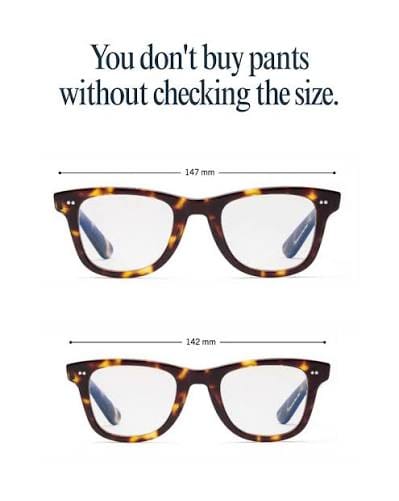
Say Goodbye to Awkward Proportions: How to Choose the Right Glasses for Your Body Shape and Bag Size
Accessories can transform an ordinary outfit into a polished, thoughtfully coordinated look. A beautiful handbag adds personality, while the right pair of...
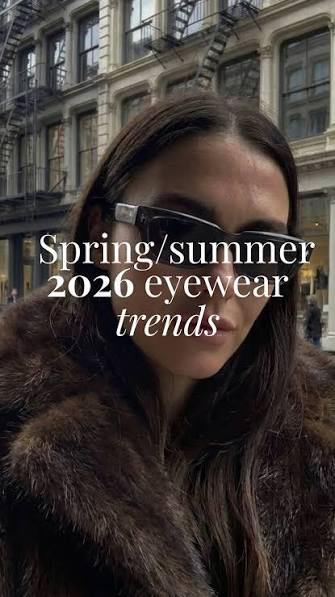
2026 Spring/Summer Fashion Trends: When Retro Small-Frame Glasses Meet the Underarm Bag
Fashion has always had a talent for bringing the past back in unexpected ways.A silhouette that once belonged to another decade can...
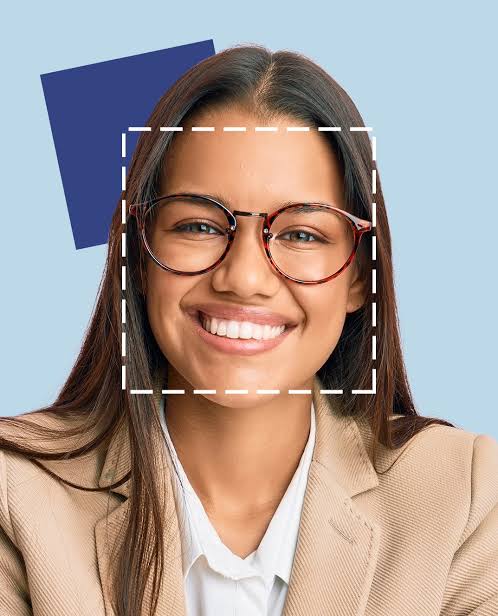
Soft Aesthetics for Girls with Square Faces: How Rounded Handbags and Gentle Eyeglass Frames Soften Facial Lines
A square face can be striking, elegant, and full of character. Defined by a broader forehead, a relatively straight jawline, and noticeable...
How to Buy Prescription Glasses Online on XCombo
Looking to buy glasses online? XCombo makes it easy to get stylish, high-quality glasses tailored to your prescription. Follow this simple step-by-step...
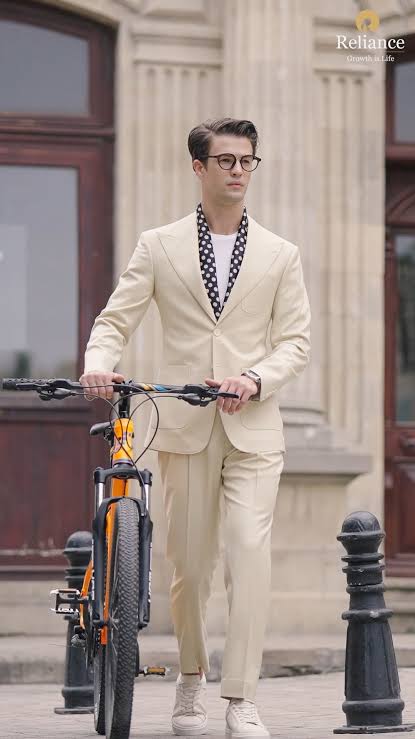
The Executive Style Code: A Career Guide to Suits, Briefcases, and Sophisticated Eyewear
In the modern workplace, professional style is about much more than wearing expensive clothes.The strongest business wardrobe communicates something before you say...
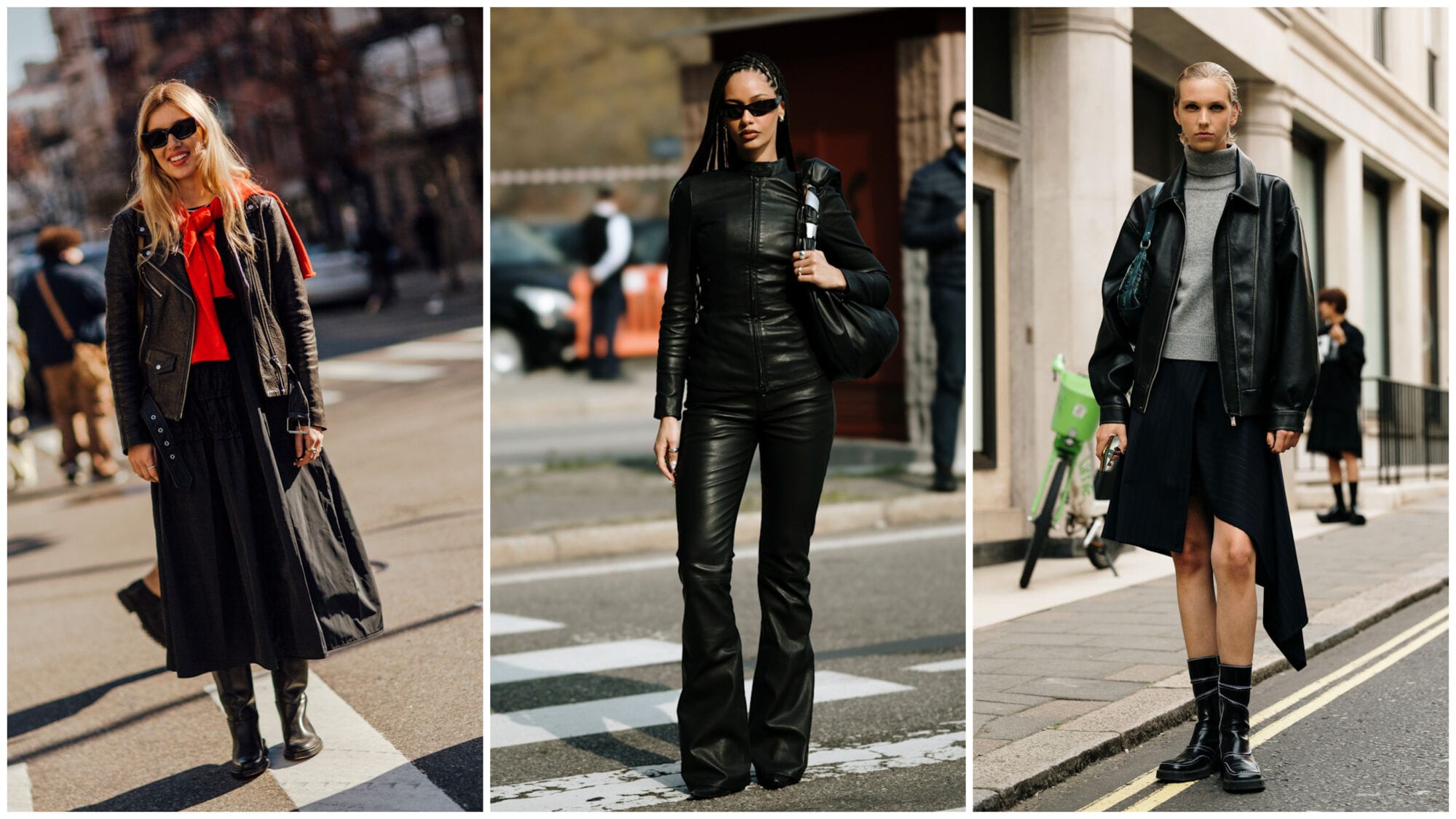
Street-Cool Style: How to Make Motorcycle Jackets, Belt Bags, and Futuristic Sunglasses Stand Out
Street fashion has never been about following every rule.It is about knowing which rules to break.A motorcycle jacket, a compact belt bag,...

The Art of Color Coordination: How to Match Your Bag With Your Eyeglass Frames for an Effortlessly Sophisticated Look
Fashion is often about the little details.A beautifully tailored outfit can look polished, yet something may still feel incomplete. The reason is...
Dating Night Style Secrets: The Perfect Collision of an Elegant Cocktail Dress, a Chain Evening Bag, and Sophisticated Semi-Rimless Glasses
Dating night is about more than choosing an outfit. It is about creating an impression without looking like you tried too hard....

Effortless French Elegance: The Perfect Pairing of Knitwear, Tote Bags, and Cat-Eye Glasses
There is something undeniably captivating about French style.It is polished without looking overly polished, feminine without being overly delicate, and comfortable without...