
Are Your Metal Eyeglass Frames Rusting or Fading? How to Protect Them from Sweat and Skin Oils
Metal eyeglass frames are prized for their sleek look, durability, and lightweight feel. Whether you prefer minimalist wireframes or bold metallic designs, they offer a timeless aesthetic that pairs well with almost any style. But if you’ve owned a pair long enough, you may have noticed a frustrating issue: discoloration, fading, or even rust forming on the frame—especially around areas that frequently touch your skin.
If you’ve ever wondered why this happens and what you can do about it, you’re not alone. The culprit is often something you can’t avoid—your own skin. Sweat, oils, and environmental exposure all play a role in breaking down metal finishes over time. The good news is that with the right care and preventative steps, you can significantly extend the life and appearance of your frames.
This guide breaks down why metal frames corrode or fade, how sweat affects different materials, and what practical steps you can take to protect your eyewear.
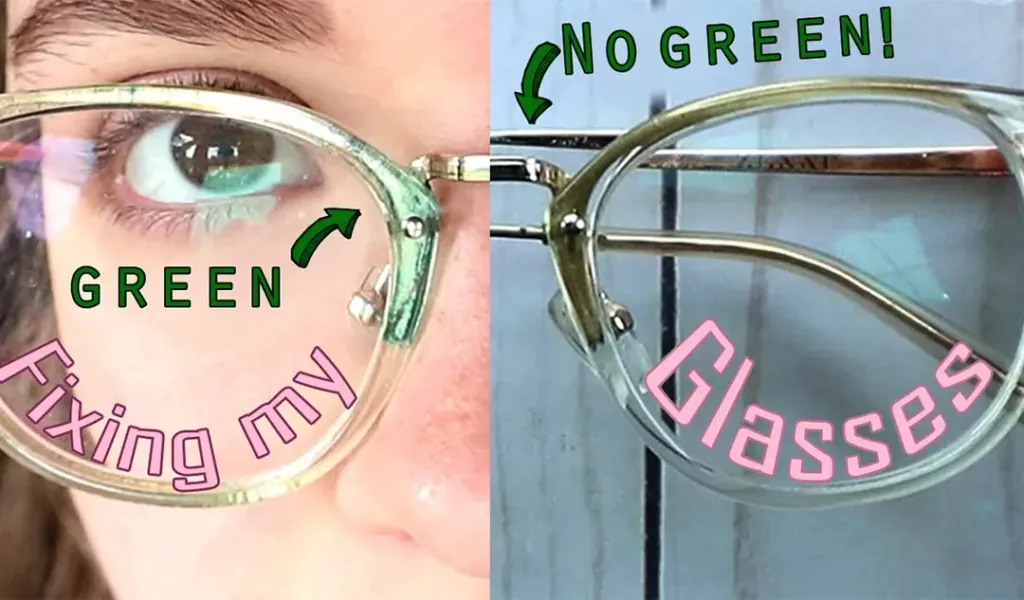
Why Do Metal Eyeglass Frames Rust or Fade?
Before jumping into solutions, it’s important to understand what’s happening at a material level.
1. Sweat Is Slightly Acidic
Human sweat isn’t just water—it contains salt, oils, and trace minerals. Its pH typically falls between 4.5 and 7, which makes it slightly acidic. Over time, this acidity can react with metal surfaces, especially if the protective coating wears down.
When sweat sits on your frames—particularly around the nose pads, temples, and ear hooks—it can slowly eat away at the finish. This leads to:
- Fading of color coatings
- Dull or uneven surfaces
- Exposure of underlying metal
- Increased susceptibility to rust
2. Oxidation and Corrosion
Metals react with oxygen and moisture in a process called oxidation. While some metals are naturally resistant (like titanium), others—especially lower-grade alloys—are more vulnerable.
When sweat accelerates oxidation, it can lead to:
- Rust (in iron-containing alloys)
- Tarnishing (common in copper or brass blends)
- Peeling or flaking coatings
3. Coating Breakdown
Most metal frames are coated with protective finishes such as lacquer, paint, or electroplated layers. These coatings serve two main purposes:
- Enhance appearance (color, shine, texture)
- Protect the underlying metal from corrosion
However, daily wear—combined with friction, sweat, and cleaning chemicals—gradually wears these coatings down. Once the protective layer is compromised, the metal underneath becomes exposed.
Which Metal Frames Are Most at Risk?
Not all metal frames behave the same way. The type of material plays a big role in how well your frames resist sweat damage.
1. Stainless Steel
Stainless steel is relatively resistant to rust due to chromium content, which forms a protective oxide layer. However, it’s not completely immune—especially if the surface coating is scratched or damaged.
Risk level: Moderate
2. Nickel Alloys
Nickel-based alloys are commonly used in affordable frames. While durable, they can corrode over time and may also cause skin irritation for some wearers.
Risk level: High (especially with prolonged sweat exposure)
3. Aluminum
Aluminum doesn’t rust in the traditional sense but can oxidize and lose its finish. It’s also more prone to surface damage.
Risk level: Moderate to high
4. Titanium
Titanium is one of the best materials for resisting corrosion. It’s lightweight, strong, and highly resistant to sweat and oxidation.
Risk level: Low
5. Monel (Nickel-Copper Alloy)
Monel is widely used in eyewear for its flexibility and strength. However, it can corrode and discolor over time, especially when exposed to sweat.
Risk level: Moderate
Signs Your Frames Are Being Damaged by Sweat
It’s not always obvious at first, but there are clear warning signs that your frames are reacting to sweat and skin oils:
- Greenish or dark discoloration on the metal
- Peeling or bubbling paint
- Rough or pitted texture
- Persistent odor even after cleaning
- Skin irritation or marks where the frame touches
Catching these signs early allows you to take action before the damage becomes irreversible.
How to Protect Your Metal Frames from Sweat Damage
The key to maintaining your frames lies in prevention and consistent care. Here are the most effective strategies.
1. Clean Your Frames Daily
This is the simplest and most effective habit you can adopt.
After a long day—especially in hot weather or after exercise—wipe down your frames with a soft microfiber cloth. For deeper cleaning:
- Use lukewarm water
- Add a small drop of mild dish soap
- Gently clean all surfaces
- Rinse thoroughly
- Dry completely with a lint-free cloth
Avoid harsh chemicals like alcohol or ammonia, as they can degrade coatings faster.
2. Use Anti-Corrosion Sprays or Coatings
There are specialized eyewear sprays designed to create a protective barrier against moisture and oils. These products can help:
- Reduce direct contact between sweat and metal
- Extend the lifespan of coatings
- Maintain shine and color
Apply sparingly and follow product instructions carefully.
3. Rotate Between Multiple Pairs
If you wear glasses every day, giving them a break can make a big difference.
Rotating between two or more pairs allows:
- Moisture to fully evaporate
- Less continuous exposure to sweat
- Reduced wear on a single frame
This is especially useful if you live in a humid climate or have an active lifestyle.
4. Choose Skin-Friendly Materials
If you’re prone to sweating or skin sensitivity, upgrading your frame material can save you trouble in the long run.
Look for:
- Titanium frames
- Hypoallergenic coatings
- High-quality stainless steel
These materials are more resistant to corrosion and less likely to react with your skin.
5. Adjust Fit to Reduce Friction
Tight or poorly fitted frames increase friction, which accelerates coating wear.
Make sure your glasses:
- Sit comfortably on your nose
- Don’t slide excessively
- Don’t press too tightly behind the ears
A professional adjustment can significantly reduce stress on key contact points.
6. Avoid Wearing Glasses During Intense Workouts
Sweat production spikes during exercise, making it one of the most damaging situations for metal frames.
Whenever possible:
- Switch to sports glasses made of plastic or rubber
- Use a headband to reduce sweat flow
- Clean your glasses immediately after use
7. Store Them Properly
Proper storage prevents environmental exposure when you’re not wearing your glasses.
Always:
- Use a protective case
- Keep them in a dry place
- Avoid leaving them in hot or humid environments (like cars)
Moisture trapped in enclosed spaces can accelerate corrosion.
How to Restore Slightly Damaged Frames
If your frames have already started to show signs of wear, there are still ways to improve their appearance.
1. Gentle Polishing
For minor discoloration, a soft polishing cloth can help restore shine. Be careful not to over-polish, as this can remove remaining coating.
2. Replace Nose Pads
Nose pads often accumulate sweat and bacteria, contributing to corrosion. Replacing them is inexpensive and can improve both hygiene and comfort.
3. Professional Re-Coating
Some optical shops offer refinishing services. While not always cost-effective for cheaper frames, it can be worthwhile for premium eyewear.
When It’s Time to Replace Your Frames
Even with the best care, no frame lasts forever. You may need a replacement if:
- The metal is visibly corroded or weakened
- Coating loss is widespread
- The frame causes skin irritation
- Structural integrity is compromised
At that point, investing in higher-quality materials may save you money and hassle in the long run.
Choosing the Right Frames for Long-Term Durability
If you’re shopping for new glasses, consider durability from the start.
Key factors to evaluate:
- Material quality (titanium is a top choice)
- Coating type (look for multi-layer or anti-corrosion finishes)
- Brand reputation
- Warranty or repair services
Don’t just focus on style—long-term performance matters just as much.
Lifestyle Tips to Minimize Sweat Damage
Beyond eyewear care, small lifestyle adjustments can make a noticeable difference.
Stay Hydrated
Well-hydrated skin produces less concentrated sweat, which may reduce its corrosive effect.
Maintain Skin Hygiene
Regularly washing your face removes oils and salt buildup that transfer to your frames.
Use Skincare Products Wisely
Some lotions and sunscreens contain chemicals that can react with metal. Let products fully absorb before putting on your glasses.
Final Thoughts
Metal eyeglass frames are a stylish and practical choice, but they require mindful care—especially when exposed to sweat and skin oils. The interaction between your body chemistry and the materials in your frames is unavoidable, but the damage doesn’t have to be.
By understanding the causes of corrosion and adopting simple daily habits—like cleaning your frames, choosing better materials, and minimizing prolonged exposure to sweat—you can keep your glasses looking new for much longer.
In the end, protecting your eyewear isn’t complicated. It’s about consistency, awareness, and making smarter choices both in how you wear your glasses and how you care for them. Treat your frames well, and they’ll return the favor with lasting comfort and style.
Share this post

2026 Spring/Summer Fashion Trends: When Retro Small-Frame Glasses Meet the Underarm Bag
Fashion has always had a talent for bringing the past back in unexpected ways.A silhouette that once belonged to another decade can...
Soft Aesthetics for Girls with Square Faces: How Rounded Handbags and Gentle Eyeglass Frames Soften Facial Lines
A square face can be striking, elegant, and full of character. Defined by a broader forehead, a relatively straight jawline, and noticeable...
How to Buy Prescription Glasses Online on XCombo
Looking to buy glasses online? XCombo makes it easy to get stylish, high-quality glasses tailored to your prescription. Follow this simple step-by-step...
The Executive Style Code: A Career Guide to Suits, Briefcases, and Sophisticated Eyewear
In the modern workplace, professional style is about much more than wearing expensive clothes.The strongest business wardrobe communicates something before you say...
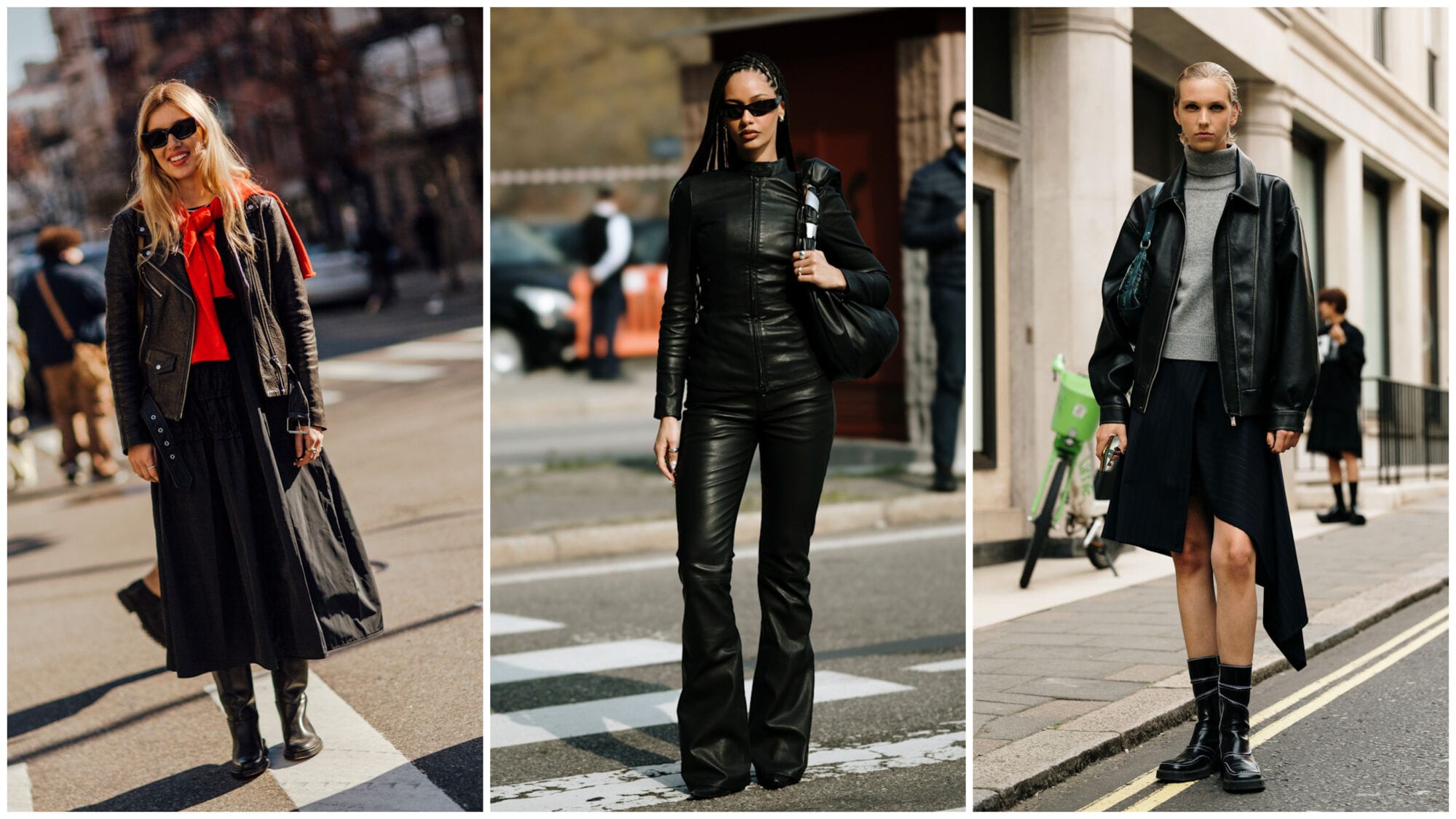
Street-Cool Style: How to Make Motorcycle Jackets, Belt Bags, and Futuristic Sunglasses Stand Out
Street fashion has never been about following every rule.It is about knowing which rules to break.A motorcycle jacket, a compact belt bag,...

The Art of Color Coordination: How to Match Your Bag With Your Eyeglass Frames for an Effortlessly Sophisticated Look
Fashion is often about the little details.A beautifully tailored outfit can look polished, yet something may still feel incomplete. The reason is...
Dating Night Style Secrets: The Perfect Collision of an Elegant Cocktail Dress, a Chain Evening Bag, and Sophisticated Semi-Rimless Glasses
Dating night is about more than choosing an outfit. It is about creating an impression without looking like you tried too hard....
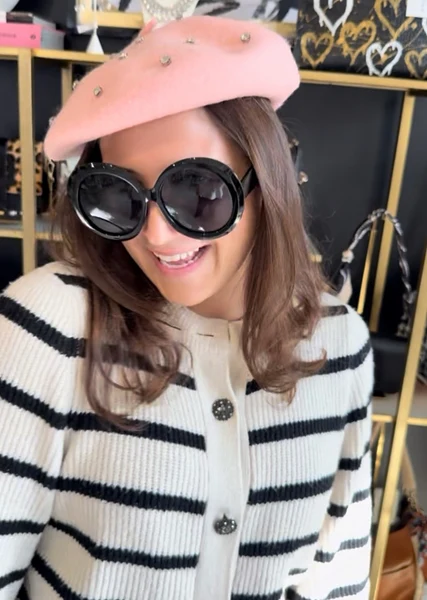
Effortless French Elegance: The Perfect Pairing of Knitwear, Tote Bags, and Cat-Eye Glasses
There is something undeniably captivating about French style.It is polished without looking overly polished, feminine without being overly delicate, and comfortable without...
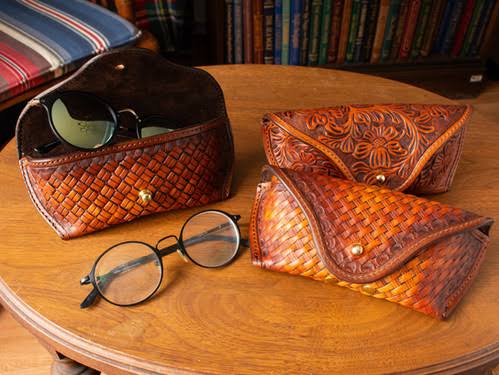
A Cross-Textural Conversation: The Tactile Collision of Leather Bags, Tweed Clothing, and Wood-Frame Eyewear
Introduction: When Materials Become the Main CharacterFashion is often discussed in terms of color, silhouette, trend, and season. Yet some of the...
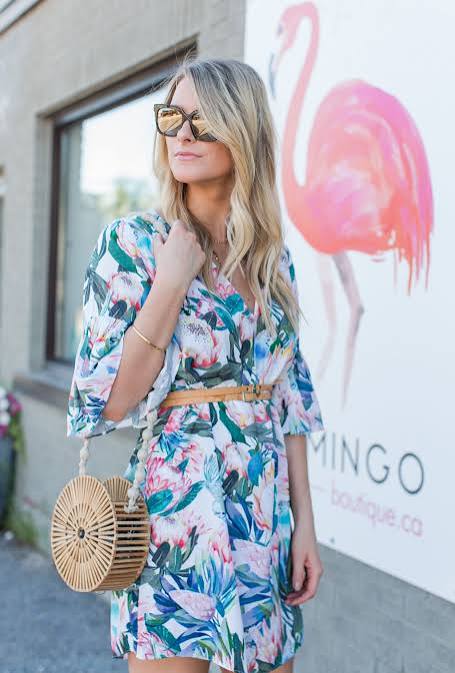
The Ultimate Guide to Vacation-Style Outfits: Floral Dresses, Straw Bags, and Round Sunglasses for Summer
Summer is the season of relaxed mornings, warm afternoons, outdoor dinners, weekend getaways, and long-awaited vacations. It is also the perfect time...
The Romance of Earth Tones in Fall: The Color Aesthetics of Trench Coats, Saddle Bags, and Tea-Tinted Sunglasses
Introduction: Falling in Love With the Colors of AutumnThere is something irresistibly romantic about autumn fashion.As summer fades, bright colors gradually give...
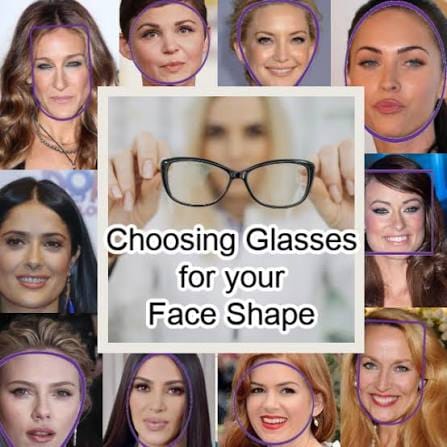
Best Glasses for Your Face Shape: Round, Square, Oval & More
Introduction: The Right Glasses Can Transform Your Entire AppearanceChoosing a pair of glasses is about much more than simply correcting your vision....