
A Blessing for the Nearsighted: The Advanced Guide to Eyeglass Maintenance
For millions of nearsighted people, eyeglasses are far more than a fashion accessory. They are an essential tool for daily life, helping us work, drive, study, exercise, and enjoy the world with clear vision.
Yet despite relying on glasses every day, many people unknowingly shorten the lifespan of their lenses and frames through improper care habits. A shirt sleeve becomes a cleaning cloth. Glasses are tossed onto a desk lens-side down. They sit inside a hot car for hours. Small mistakes accumulate over time, leading to scratched lenses, loose hinges, warped frames, and reduced visual clarity.
The good news is that maintaining eyeglasses isn't complicated. With the right techniques and a deeper understanding of how glasses are built, you can dramatically extend their lifespan, improve comfort, preserve optical performance, and save money on replacements.
This advanced guide explores everything nearsighted individuals should know about eyeglass maintenance—from daily cleaning routines and storage strategies to professional adjustments and long-term lens protection.
Whether you wear glasses occasionally or from the moment you wake up until bedtime, these tips can help keep your eyewear looking and performing like new.
Why Proper Eyeglass Maintenance Matters
Most people only think about their glasses when something goes wrong.
A loose screw.
A scratched lens.
A bent frame.
A broken nose pad.
However, by the time these issues become noticeable, damage may already be significant.
Proper eyeglass maintenance provides several important benefits:
Improved Visual Clarity
Even microscopic scratches and oily smudges can affect vision quality.
Clean, well-maintained lenses provide:
- Sharper vision
- Better contrast
- Reduced glare
- Less eye strain
Longer Lifespan
Quality eyeglasses can last for years when properly cared for.
Regular maintenance reduces wear and helps avoid unnecessary replacements.
Better Comfort
Poorly adjusted glasses often cause:
- Nose discomfort
- Ear pain
- Pressure headaches
- Frequent slipping
Maintenance helps ensure a comfortable fit throughout the day.
Cost Savings
Replacing damaged lenses can be expensive.
Preventive care is significantly cheaper than frequent repairs or replacements.
Understanding Your Eyeglasses
Before discussing maintenance, it's helpful to understand the components that make up modern eyewear.
Lenses
The lenses are the most important optical element.
Common lens materials include:
Plastic Lenses
Lightweight and affordable.
Polycarbonate Lenses
Impact-resistant and popular for active lifestyles.
High-Index Lenses
Designed for stronger prescriptions while remaining thin and lightweight.
Each lens material requires slightly different care considerations.
Lens Coatings
Modern lenses often include specialized coatings such as:
- Anti-reflective coatings
- Scratch-resistant coatings
- UV protection
- Blue light filtering
- Hydrophobic coatings
- Oleophobic coatings
These coatings improve performance but require proper maintenance to remain effective.
Frames
Frames can be made from:
- Acetate
- Stainless steel
- Titanium
- Aluminum
- TR90
- Memory metal
Each material offers different levels of durability, flexibility, and maintenance needs.
The Biggest Eyeglass Cleaning Mistakes
Many people damage their glasses while attempting to clean them.
Let's look at the most common mistakes.
Using Clothing as a Cleaning Cloth
This is perhaps the most widespread habit among eyeglass wearers.
Shirts, sweaters, and jackets often contain:
- Dust particles
- Dirt
- Fabric fibers
Rubbing lenses with clothing can create micro-scratches over time.
Even soft cotton fabric may not be as safe as people assume.
Cleaning Dry Lenses
Dust particles can act like sandpaper.
Always rinse or wet lenses before wiping them.
Dry cleaning increases the risk of scratching.
Using Household Cleaners
Products containing:
- Ammonia
- Alcohol
- Bleach
- Vinegar
- Harsh chemicals
can damage lens coatings.
Many household glass cleaners are not suitable for prescription eyewear.
Using Paper Towels
Paper towels appear soft but often contain wood fibers.
These fibers can scratch lenses and gradually wear down protective coatings.
The Correct Way to Clean Eyeglasses
Professional-level cleaning requires only a few simple steps.
Step 1: Wash Your Hands
Clean hands prevent oils and dirt from transferring onto lenses.
Use lotion-free soap whenever possible.
Step 2: Rinse the Glasses
Use lukewarm water.
Avoid hot water because excessive heat may damage coatings.
Rinsing removes abrasive particles before wiping.
Step 3: Apply Lens Cleaner
Use a cleaner specifically designed for eyeglasses.
A small amount is usually sufficient.
Step 4: Clean Both Sides
Gently clean:
- Front lens surfaces
- Back lens surfaces
- Nose pads
- Bridge area
- Frame arms
Many people overlook the backside of lenses, where oils accumulate most rapidly.
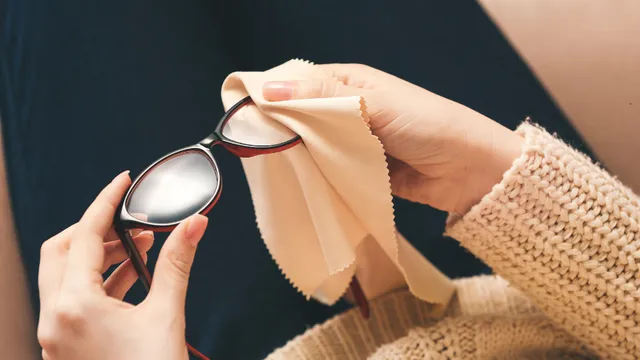
Step 5: Dry with a Microfiber Cloth
Microfiber cloths are specifically engineered to remove contaminants safely.
Always keep several clean microfiber cloths available.
How Often Should You Clean Your Glasses?
The ideal frequency depends on your environment and daily activities.
For most people:
Quick Cleaning
1–2 times per day.
Thorough Cleaning
At least once daily.
Deep Cleaning
Several times per week.
People who work outdoors or in dusty environments may need more frequent cleaning.
Advanced Lens Protection Techniques
Cleaning alone is not enough.
Long-term protection requires proactive habits.
Always Use Both Hands
Removing glasses with one hand places uneven stress on the frame.
Over time this can cause:
- Frame misalignment
- Loose hinges
- Uneven fit
Using both hands helps maintain structural integrity.
Never Place Glasses Lens-Down
This habit dramatically increases scratching.
Always place glasses:
- Folded
- Upright
- Inside a protective case
The lenses should never directly contact hard surfaces.
Use a Protective Case
A quality case acts as insurance against accidental damage.
Choose a rigid case if possible.
Cases protect against:
- Crushing
- Scratches
- Dust
- Accidental drops
Protecting Glasses from Heat
Heat is one of the most overlooked threats to eyewear.
Avoid Hot Cars
Car interiors can reach extremely high temperatures.
Excessive heat may:
- Warp frames
- Damage coatings
- Distort lens shape
Never leave glasses on a dashboard.
Keep Away from Cooking Steam
Repeated exposure to high temperatures may weaken coatings over time.
Avoid Hair Dryers and Heaters
Direct heat sources can accelerate material degradation.
Maintaining Anti-Reflective Coatings
Anti-reflective coatings improve visual quality and reduce glare.
However, they require special attention.
Use Approved Cleaning Products
Only use cleaners designed for coated lenses.
Harsh chemicals can gradually break down coating layers.
Store Properly
Dust and abrasion are major enemies of anti-reflective coatings.
Protective storage significantly extends coating lifespan.
Replace Cloths Regularly
Dirty microfiber cloths may contain abrasive particles.
Wash or replace them routinely.
How to Care for Blue Light Glasses
Blue light filtering lenses have become increasingly popular among computer users.
Proper care is similar to standard prescription lenses.
However:
- Avoid aggressive cleaning solutions.
- Keep lenses free of fingerprints.
- Clean after long screen sessions.
Maintaining lens clarity helps maximize visual comfort during extended digital use.
Frame Maintenance: The Forgotten Half of Eyeglass Care
Many users focus exclusively on lenses.
Frames deserve equal attention.
Tighten Loose Screws
Small screws naturally loosen over time.
A compact eyeglass repair kit can help address minor issues before they worsen.
Check Hinges Regularly
Smooth hinge operation prevents uneven stress.
If resistance develops, professional adjustment may be necessary.
Inspect Nose Pads
Worn nose pads can cause:
- Discomfort
- Slipping
- Skin irritation
Replacing nose pads is inexpensive and can dramatically improve comfort.
Cleaning Nose Pads Properly
Nose pads accumulate:
- Skin oils
- Sweat
- Cosmetics
- Bacteria
These deposits can affect both hygiene and comfort.
Use mild soap and warm water to clean them regularly.
A soft brush can help remove stubborn buildup.
Eyeglass Care for Active Lifestyles
People who exercise frequently face unique challenges.
Sweat Management
Sweat contains salts and oils that can accelerate wear.
Clean glasses after workouts whenever possible.
Sports Storage
Never place glasses loose in gym bags.
Protective cases reduce impact damage during transportation.
Outdoor Activities
For hiking, cycling, or running:
- Secure frames properly
- Clean dust promptly
- Avoid exposure to extreme temperatures
Seasonal Eyeglass Maintenance
Different seasons create different challenges.
Summer
Common threats include:
- UV exposure
- Heat
- Sweat
- Sunscreen residue
Frequent cleaning becomes especially important.
Winter
Cold weather introduces:
- Fogging
- Moisture
- Rapid temperature changes
Allow glasses to adjust gradually when moving between indoor and outdoor environments.
Traveling with Eyeglasses
Travel increases the risk of damage.
Carry a Backup Pair
This simple precaution can prevent major inconvenience.
Pack Cleaning Supplies
Include:
- Microfiber cloths
- Lens cleaner
- Protective case
Keep Glasses Accessible
Avoid placing eyewear in checked luggage whenever possible.
Signs Your Glasses Need Professional Attention
Some problems cannot be solved at home.
Seek professional adjustment if you notice:
- Persistent slipping
- Uneven fit
- Crooked alignment
- Loose hinges
- Distorted vision
Regular professional inspections can catch issues before they become serious.
When Should You Replace Your Lenses?
Even well-maintained lenses do not last forever.
Replacement may be necessary if you experience:
- Significant scratching
- Coating deterioration
- Prescription changes
- Reduced visual clarity
Updated lenses often provide noticeable improvements in comfort and performance.
When Is It Time for New Frames?
Frame replacement may be appropriate when:
- Structural damage occurs
- Metal fatigue develops
- Fit becomes unreliable
- Materials deteriorate
A damaged frame can compromise even the highest-quality lenses.
Building a Daily Eyeglass Maintenance Routine
Consistency matters more than complexity.
An effective daily routine might include:
Morning:
- Quick inspection
- Lens cleaning
Afternoon:
- Spot cleaning if necessary
Evening:
- Thorough cleaning
- Safe storage in a protective case
This simple habit requires only a few minutes but can significantly extend the life of your eyewear.
The Long-Term Benefits of Proper Eyeglass Care
Eyeglasses are an investment in vision, comfort, and quality of life.
A thoughtful maintenance routine delivers benefits such as:
- Better visual performance
- Reduced eye strain
- Longer-lasting lenses
- Improved comfort
- Lower replacement costs
- Enhanced appearance
Most importantly, well-maintained glasses help ensure that you enjoy clear, comfortable vision every day.
Conclusion
For nearsighted individuals, eyeglasses are among the most important tools used throughout daily life. Yet many people unintentionally shorten the lifespan of their eyewear through simple mistakes such as improper cleaning, careless storage, and neglecting routine maintenance.
The advanced approach to eyeglass care goes beyond merely wiping away fingerprints. It involves understanding lens materials, protecting coatings, maintaining frame integrity, preventing heat damage, and establishing consistent cleaning habits.
By investing a few minutes each day in proper maintenance, you can keep your glasses looking new, functioning optimally, and providing crystal-clear vision for years to come. Whether you wear lightweight everyday frames, blue light glasses for office work, or high-index prescription lenses, the principles remain the same: clean carefully, store wisely, inspect regularly, and treat your eyewear with the attention it deserves.
Your eyes work hard every day. The glasses that help you see the world clearly deserve the same level of care.
Share this post

2026 Spring/Summer Fashion Trends: When Retro Small-Frame Glasses Meet the Underarm Bag
Fashion has always had a talent for bringing the past back in unexpected ways.A silhouette that once belonged to another decade can...
Soft Aesthetics for Girls with Square Faces: How Rounded Handbags and Gentle Eyeglass Frames Soften Facial Lines
A square face can be striking, elegant, and full of character. Defined by a broader forehead, a relatively straight jawline, and noticeable...
How to Buy Prescription Glasses Online on XCombo
Looking to buy glasses online? XCombo makes it easy to get stylish, high-quality glasses tailored to your prescription. Follow this simple step-by-step...

The Executive Style Code: A Career Guide to Suits, Briefcases, and Sophisticated Eyewear
In the modern workplace, professional style is about much more than wearing expensive clothes.The strongest business wardrobe communicates something before you say...

Street-Cool Style: How to Make Motorcycle Jackets, Belt Bags, and Futuristic Sunglasses Stand Out
Street fashion has never been about following every rule.It is about knowing which rules to break.A motorcycle jacket, a compact belt bag,...

The Art of Color Coordination: How to Match Your Bag With Your Eyeglass Frames for an Effortlessly Sophisticated Look
Fashion is often about the little details.A beautifully tailored outfit can look polished, yet something may still feel incomplete. The reason is...
Dating Night Style Secrets: The Perfect Collision of an Elegant Cocktail Dress, a Chain Evening Bag, and Sophisticated Semi-Rimless Glasses
Dating night is about more than choosing an outfit. It is about creating an impression without looking like you tried too hard....

Effortless French Elegance: The Perfect Pairing of Knitwear, Tote Bags, and Cat-Eye Glasses
There is something undeniably captivating about French style.It is polished without looking overly polished, feminine without being overly delicate, and comfortable without...
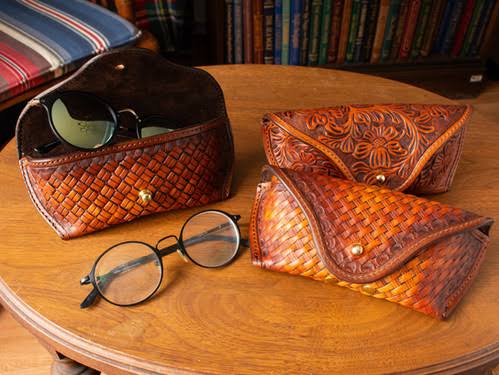
A Cross-Textural Conversation: The Tactile Collision of Leather Bags, Tweed Clothing, and Wood-Frame Eyewear
Introduction: When Materials Become the Main CharacterFashion is often discussed in terms of color, silhouette, trend, and season. Yet some of the...

The Ultimate Guide to Vacation-Style Outfits: Floral Dresses, Straw Bags, and Round Sunglasses for Summer
Summer is the season of relaxed mornings, warm afternoons, outdoor dinners, weekend getaways, and long-awaited vacations. It is also the perfect time...
The Romance of Earth Tones in Fall: The Color Aesthetics of Trench Coats, Saddle Bags, and Tea-Tinted Sunglasses
Introduction: Falling in Love With the Colors of AutumnThere is something irresistibly romantic about autumn fashion.As summer fades, bright colors gradually give...
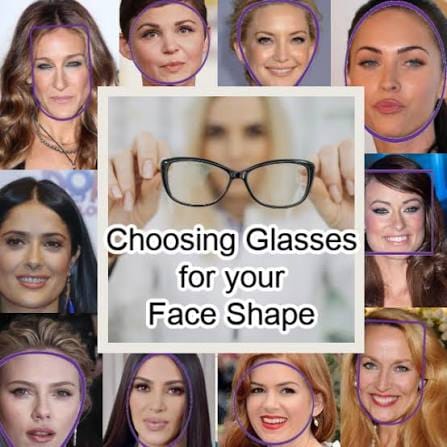
Best Glasses for Your Face Shape: Round, Square, Oval & More
Introduction: The Right Glasses Can Transform Your Entire AppearanceChoosing a pair of glasses is about much more than simply correcting your vision....