
Why You Shouldn’t Wear Your Glasses on Top of Your Head: The “Invisible Killer” of Frame Lifespan
For many people, placing glasses on top of the head feels like second nature. It’s quick, convenient, and seems harmless—especially when you only need your glasses intermittently. Whether you’re stepping indoors, reading something up close, or just taking a short break from wearing them, pushing your frames up onto your head can feel like the easiest solution.
But what if this everyday habit is quietly damaging your eyewear?
What appears to be a minor convenience is actually one of the most common—and overlooked—causes of premature frame wear. Over time, this simple action can distort the structure of your glasses, weaken key components, and shorten their lifespan significantly.
In this deep dive, we’ll explore why wearing glasses on your head is more harmful than it seems, how it affects different frame materials, and what you can do instead to protect your investment while maintaining comfort and style.

The Anatomy of Eyeglass Frames: Why Structure Matters
To understand why this habit is problematic, it helps to first understand how eyeglass frames are designed.
A typical pair of glasses consists of several key components:
- Front frame: Holds the lenses in place
- Temples (arms): Extend over your ears to secure the glasses
- Hinges: Connect the temples to the front frame
- Bridge: Rests on your nose
Each part is carefully engineered to maintain a specific alignment. When worn properly, the temples apply gentle, balanced pressure to keep the glasses stable on your face.
This balance is crucial. Even small deviations can affect both comfort and functionality.
What Happens When You Wear Glasses on Your Head
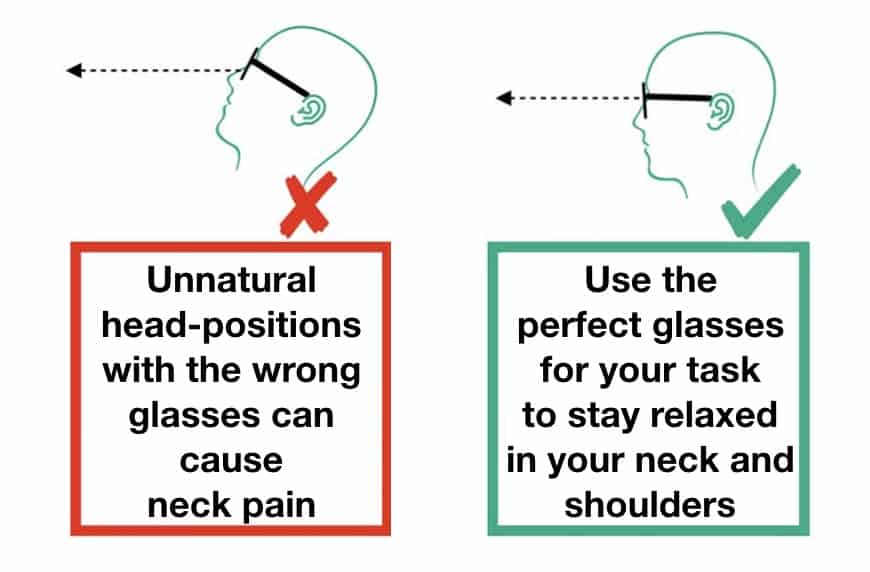
When you place your glasses on top of your head, you’re forcing the temples to spread wider than they were designed to.
1. Overextension of the Temples
Your head is typically wider at the top than at the sides near your ears. This means the temples are stretched outward beyond their natural resting position.
Over time, this leads to:
- Loss of tension
- Permanent widening of the frame
- Reduced grip when worn normally
Once the temples lose their original shape, your glasses may start slipping down your nose—a common complaint that often traces back to this habit.
2. Stress on the Hinges
The hinges are small but critical components. They’re designed for repeated opening and closing within a specific range.
When you stretch the temples over your head:
- Hinges experience additional lateral stress
- Screws may loosen more quickly
- Metal fatigue can develop over time
Eventually, this can result in misalignment or even hinge failure.
3. Frame Warping
Depending on the material, your frames may gradually warp when subjected to repeated stress.
Signs of warping include:
- Uneven temple alignment
- Lenses sitting at different angles
- Pressure points on your nose or ears
Warped frames don’t just look off—they can also affect how your lenses perform, especially if you wear prescription glasses.
4. Increased Risk of Drops and Damage
Glasses perched on your head are more likely to fall off, especially when:
- You bend forward
- You look down suddenly
- You remove clothing like hats or jackets
A fall from head height can easily result in scratched lenses, bent frames, or worse.
How Different Materials React to This Habit
Not all frames respond the same way to being stretched repeatedly. However, none are immune.
Plastic Frames
Plastic frames, including acetate, are particularly prone to permanent deformation.
- They may not return to their original shape after being stretched
- Heat from your head can make them more pliable, increasing the risk of warping
Metal Frames
Metal frames are more flexible, but that doesn’t mean they’re safe.
- Repeated stress can cause metal fatigue
- Hinges and joints are still vulnerable
- Over time, they may lose their original tension
Memory Materials
Some modern frames use “memory” materials designed to return to their original shape.
While more resilient, they still have limits. Constant overstretching can eventually degrade their performance.
The Hidden Cost of a Small Habit
At first glance, wearing your glasses on your head doesn’t seem like a big deal. But over months or years, the cumulative effect can be significant.
Shortened Lifespan
Frames that could last several years may need replacement much sooner due to structural damage.
Frequent Adjustments
You may find yourself visiting optical shops more often for:
- Tightening screws
- Realigning frames
- Adjusting fit
These small inconveniences add up over time.
Reduced Comfort
As frames lose their shape, they become less comfortable to wear. Pressure points, slipping, and uneven fit can turn a well-designed pair of glasses into a daily annoyance.
Why This Habit Is So Common
If it’s so damaging, why do so many people do it?
Convenience
It’s faster than folding your glasses and putting them away.
Accessibility
Keeping glasses on your head makes them easy to grab when needed.
Habit
For many, it’s simply something they’ve always done without thinking about the consequences.
Better Alternatives to Protect Your Glasses
Breaking the habit doesn’t mean sacrificing convenience. There are several practical alternatives that keep your glasses safe without adding much effort.
1. Use a Protective Case
This is the safest option. A hard-shell case protects against:
- Physical damage
- Dust and debris
- Accidental drops
Yes, it takes a few extra seconds—but it can add years to your glasses’ lifespan.
2. Hang Them on Your Shirt
If you need quick access, hooking the temples onto your collar or shirt neckline is a better option than placing them on your head.
Just be mindful when bending over.
3. Use a Glasses Strap
Straps or retainers keep your glasses around your neck when not in use. They’re especially useful for:
- Outdoor activities
- Reading glasses
- Frequent on-and-off use
4. Place Them on a Stable Surface
When at home or in the office, simply placing your glasses on a table or desk is often the easiest and safest choice.
Small Habits That Extend Frame Lifespan
In addition to avoiding head placement, a few simple practices can make a big difference.
Clean Them Properly
Use microfiber cloths and appropriate cleaning solutions to avoid scratches.
Handle with Both Hands
Putting on and removing glasses with both hands reduces stress on the frame.
Store Them Carefully
Avoid leaving glasses in extreme temperatures, such as inside a hot car.
Signs Your Glasses Have Been Affected
If you’ve been wearing your glasses on your head regularly, here are some signs to watch for:
- Glasses slide down your nose more than before
- Temples feel looser or uneven
- Frames look slightly crooked
- You experience new pressure points
If you notice these issues, it may be time for an adjustment—or to reconsider your habits.
When Professional Adjustment Can Help
Opticians can often correct minor misalignments, including:
- Tightening hinges
- Reshaping temples
- Realigning frames
However, repeated damage may eventually become irreversible.
A Long-Term Perspective
Glasses are more than just a functional accessory. They’re an investment in your vision, comfort, and personal style.
Treating them with care isn’t about being overly cautious—it’s about preserving something you rely on every day.
Final Thoughts
Wearing your glasses on top of your head might seem harmless, but it’s one of the most common causes of frame damage. From overstretched temples to weakened hinges, the effects are subtle at first but accumulate over time.
The good news is that this “invisible killer” is entirely preventable. By adopting a few simple habits and choosing smarter alternatives, you can significantly extend the life of your glasses and maintain their comfort and performance.
Sometimes, the smallest changes make the biggest difference. In this case, keeping your glasses off your head could be the key to keeping them in great shape for years to come.
Share this post
The Romance of Earth Tones in Fall: The Color Aesthetics of Trench Coats, Saddle Bags, and Tea-Tinted Sunglasses
Introduction: Falling in Love With the Colors of AutumnThere is something irresistibly romantic about autumn fashion.As summer fades, bright colors gradually give...
Best Glasses for Your Face Shape: Round, Square, Oval & More
Introduction: The Right Glasses Can Transform Your Entire AppearanceChoosing a pair of glasses is about much more than simply correcting your vision....
From Head to Toe: The Golden Ratio for Styling Glasses, Clothing, and Bags
Introduction: The Secret to Looking Polished From Head to ToeGreat style is rarely about wearing the most expensive clothes, following every trend,...

Minimalist Style: How Glasses and Bags Add the Perfect Finishing Touch to Black, White, and Gray Outfits
Minimalist fashion is often described as simple, effortless, and timeless. But creating a truly polished minimalist outfit is not as easy as...
Effortless Style: The Perfect Chemistry of Oversized Sweatshirts, Crossbody Bags, and Vintage Metal-Frame Glasses
Introduction: Why Relaxed Style Feels So RightFashion does not always have to look carefully calculated.Sometimes, the most appealing outfit is the one...

The Symphony of Metallic Elements: The Art of Layering Belt Buckles, Chain Bags, and Metal Frames
Introduction: When Metal Becomes a Fashion LanguageFashion has always been a conversation between materials, shapes, and personal expression. Among all design elements,...
Eyeglasses as the Finishing Touch: How to Make Your Frames Blend Perfectly Into Your Everyday Outfits
Eyeglasses are more than a tool for clearer vision. Today, they are one of the most powerful accessories in a modern wardrobe....

Old Money Style Guide: How Cashmere Coats, Premium Leather Bags, and Classic Black Frame Glasses Create Timeless Elegance
Introduction: Understanding the True Meaning of Old Money FashionFashion trends come and go, but true elegance has always been about something deeper...
The Ultimate Style Rescue for Round-Faced Women: How Necklines, Bag Placement, and Geometric Glasses Create a Slimmer Look
Introduction: Redefining Beauty Beyond Face ShapeFor many women with round faces, getting dressed can sometimes feel like a constant battle. The cheeks...
One Swipe, Crystal Clear: The Ultimate Guide to Efficient Eyeglass Cleaning
Introduction: Clear Vision Starts With Proper Lens CareFor millions of people around the world, eyeglasses are an essential part of daily life....

Eyeglasses as the Finishing Touch to Your Outfit: How Frame Shapes Can Elevate Your Style
Introduction: Eyeglasses as the Ultimate Fashion AccessoryWhen people think about fashion accessories, they often consider watches, jewelry, handbags, shoes, or clothing details....
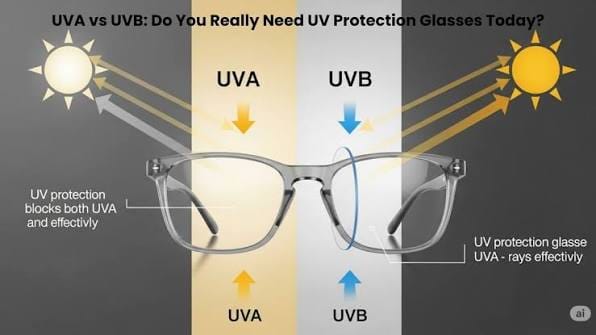
Blue Light Protection or UV Protection? Common Mistakes When Choosing Eye Protection Glasses
Introduction: Choosing the Right Eye Protection Is More Complicated Than It LooksEyeglasses have evolved far beyond simple vision correction tools. Today, consumers...