
The Nearsighted Sunglasses Dilemma: Are Magnetic Clip-ons the Ultimate “Transition” Killer?
If you live life through a prescription lens, summer isn't just about sunshine and beach days—it’s about the logistical nightmare of eye protection. We’ve all been there: you’re driving into a tunnel and scrambling to swap your prescription sunglasses for your clear frames, or you’re sitting at an outdoor café constantly switching back and forth as the clouds move.
For years, the "Standard Solution" was the Photochromic lens (commonly known by the brand name Transitions™). It promised a magical, all-in-one experience. But as eyewear technology has evolved, a new contender has surged in popularity: The Magnetic Clip-on Combination.
In this 4,000-word deep dive, we’re going to dissect the "Black Tech" behind these magnetic marvels and determine if they can finally dethrone the auto-tinting lens as the go-to choice for the four-eyed community.
1. The Technology Breakdown: How They Actually Work
To understand which is better, we have to look at the "engine" under the hood of your frames.
The Photochromic Path (The "Chemistry" Approach)
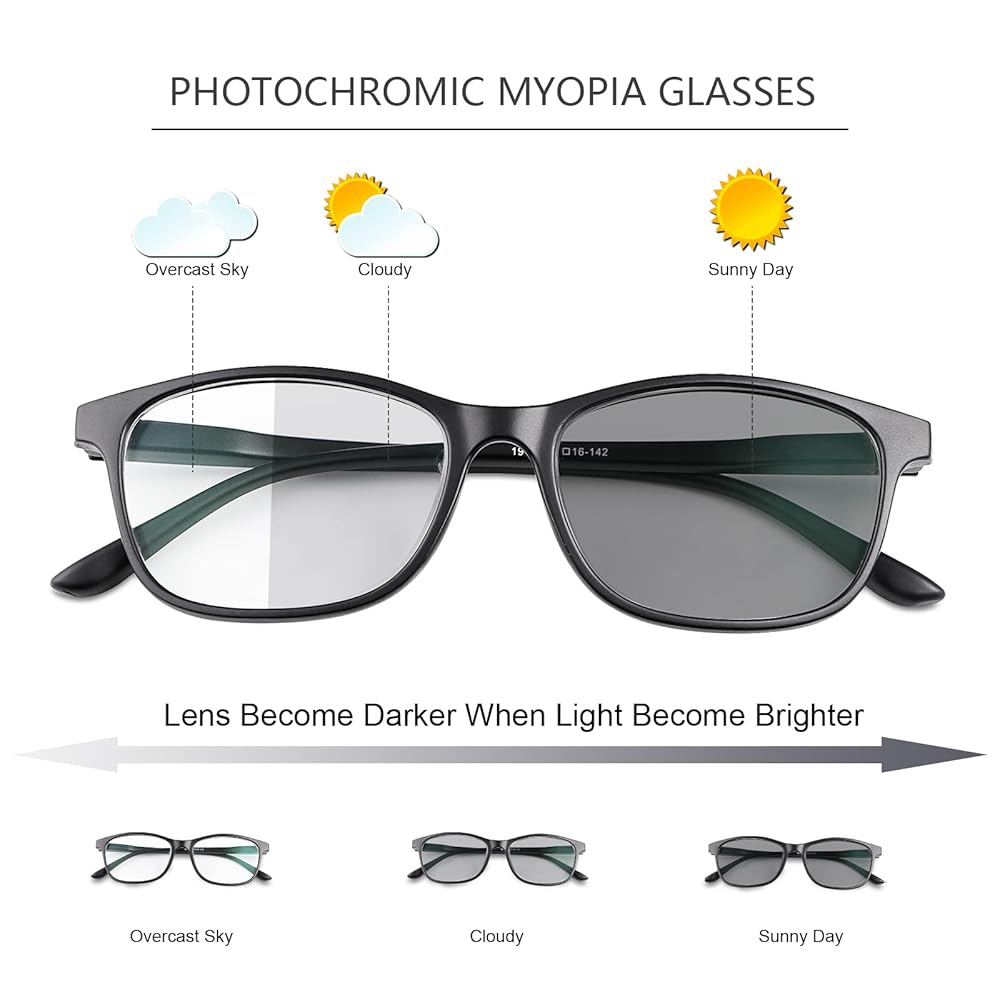
Photochromic lenses rely on molecules of silver halide or specialized carbon molecules embedded in the lens. When exposed to UV radiation, these molecules undergo a chemical reaction that changes their shape, causing them to absorb light and turn dark.
- The Catch: This reaction is temperature-dependent. In high-heat environments (like a 100°F Texas summer), the molecules struggle to stay dark, often leaving you with a "weak tint" when you need it most.
The Magnetic Clip-on Path (The "Mechanical" Approach)
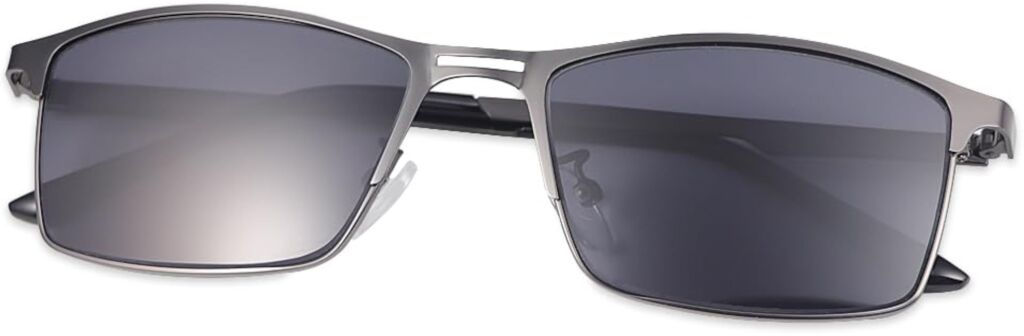
Modern magnetic sets utilize N52 Neodymium magnets—the strongest permanent magnets commercially available—embedded into the frame's chassis. The "sun layer" is an ultra-thin, polarized plate that snaps onto the front of your prescription glasses with surgical precision.
- The Advantage: It’s a physical barrier. You get 100% of the tint, 100% of the time, regardless of the temperature or whether you are behind a UV-blocking car windshield.
2. Speed vs. Convenience: The "Transition" Lag
The biggest complaint against photochromic lenses has always been the "Fade-back Time."
You walk from the bright afternoon sun into a grocery store, and for the next three to five minutes, you look like you’re wearing sunglasses indoors. It’s awkward, it’s dark, and it can be a safety hazard.
The Magnetic Edge: With a magnetic set, the "transition" is instantaneous. One flick of the wrist and you go from "Beach Mode" to "Office Mode" in approximately 0.5 seconds. There is no chemical lag, no "ghost tint," and no waiting for molecules to rearrange themselves.
3. The Driving Test: A Major Dealbreaker?
If you are a frequent driver, the choice becomes much clearer. Most modern car windshields are treated with UV-blocking films to protect the interior.
- Photochromic Failure: Because these lenses need UV light to activate, they often stay clear inside a car. You’re left squinting at the road while your "magic" lenses remain stubbornly transparent.
- Magnetic Victory: Magnetic clips are not dependent on UV activation. Furthermore, almost all high-quality magnetic clips come standard with Linear Polarization. This eliminates "dashboard glare" and road reflections, providing a level of visual clarity that standard photochromic lenses simply cannot match.
4. Aesthetics and "The Nerd Factor"
Let's be honest: in the 1990s, clip-ons were the height of "uncool." They were bulky, the metal claws scratched your expensive lenses, and they screamed "functional but fashionable as a pocket protector."
The Modern Evolution: "Black Tech" in eyewear design has changed the game. Modern magnetic sets are engineered using integrated CNC milling.
- The "Invisible" Join: The magnets are hidden inside the bridge or the end-pieces. When the clip is on, it looks like a single, solid pair of high-end sunglasses.
- Weight Management: By using Ultem or Beta-Titanium, the clip-on layer weighs less than 5 grams. You don't get that "front-heavy" feeling that causes your glasses to slide down your nose.
5. Cost-Benefit Analysis: The Prescription Tax
Buying prescription eyewear is an investment. Let’s look at the math:
For the price of one pair of Transition lenses, you can often find a magnetic set that includes a Clear Lens, a Polarized Sun Clip, and a Yellow "Night Driving" Clip (which reduces glare from modern LED headlights).
6. The "Night Vision" Bonus
One of the hidden "superpowers" of the magnetic combination is the Yellow Tint Clip.
Many nearsighted people struggle with "Starbursting" or "Haloing" while driving at night. A yellow-tinted magnetic clip filters out the harsh blue light from oncoming traffic and improves contrast in rainy or foggy conditions. This is something a photochromic lens simply cannot offer, as it only functions as a "Clear to Dark" tool.
7. When Should You Choose Photochromic?
Is there ever a reason to stick with the auto-tinting lens? Yes.
- The "Minimalist": If you genuinely cannot be bothered to carry a small pouch for your clips, or if you are prone to losing small items, the "built-in" nature of Transitions is hard to beat.
- Physical Labor: If you are a gardener or a construction worker whose hands are always full or dirty, having the glasses change for you is a legitimate luxury.
8. Final Verdict: The "Perfect" Substitute?
Can magnetic clip-ons perfectly replace photochromic lenses?
The answer is a resounding "Mostly Yes." For the vast majority of nearsighted users, the magnetic combination offers better driving performance, faster "clear-to-dark" speeds, and superior glare protection through polarization. The only trade-off is the need to carry the clip-on in your pocket or car console.
But when you consider that you are essentially getting three pairs of glasses for the price of one, the "inconvenience" of a pocket-sized clip seems like a small price to pay for optical perfection.
Comparison Checklist: Which "Tribe" Are You?
Choose Magnetic Clips if:
- You drive a car frequently.
- You hate waiting for your glasses to turn clear indoors.
- You want the glare-blocking power of polarization.
- You want a dedicated night-driving solution.
Choose Photochromic if:
- You frequently lose small accessories.
- You need your hands free at all times.
- You spend your day moving in and out of the sun every 5 minutes.
Looking for the ultimate "All-Day" frame?
Would you like me to recommend the best frame materials (like TR90 or Carbon Fiber) to ensure your magnetic set stays lightweight and comfortable for 12+ hours of wear?
Share this post

The Ultimate Guide to Vacation-Style Outfits: Floral Dresses, Straw Bags, and Round Sunglasses for Summer
Summer is the season of relaxed mornings, warm afternoons, outdoor dinners, weekend getaways, and long-awaited vacations. It is also the perfect time...
The Romance of Earth Tones in Fall: The Color Aesthetics of Trench Coats, Saddle Bags, and Tea-Tinted Sunglasses
Introduction: Falling in Love With the Colors of AutumnThere is something irresistibly romantic about autumn fashion.As summer fades, bright colors gradually give...
Best Glasses for Your Face Shape: Round, Square, Oval & More
Introduction: The Right Glasses Can Transform Your Entire AppearanceChoosing a pair of glasses is about much more than simply correcting your vision....
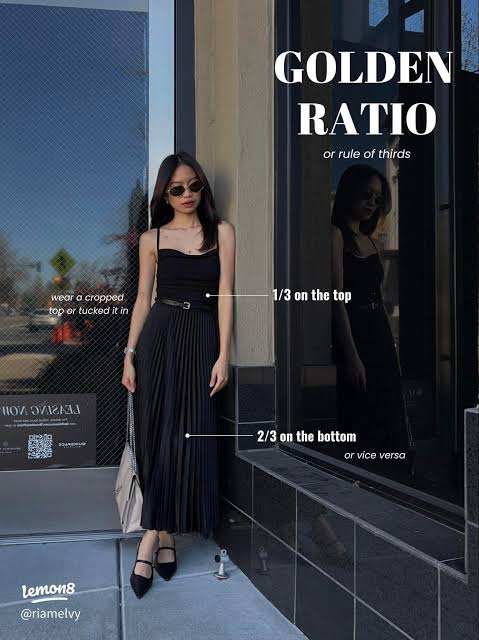
From Head to Toe: The Golden Ratio for Styling Glasses, Clothing, and Bags
Introduction: The Secret to Looking Polished From Head to ToeGreat style is rarely about wearing the most expensive clothes, following every trend,...

Minimalist Style: How Glasses and Bags Add the Perfect Finishing Touch to Black, White, and Gray Outfits
Minimalist fashion is often described as simple, effortless, and timeless. But creating a truly polished minimalist outfit is not as easy as...

Effortless Style: The Perfect Chemistry of Oversized Sweatshirts, Crossbody Bags, and Vintage Metal-Frame Glasses
Introduction: Why Relaxed Style Feels So RightFashion does not always have to look carefully calculated.Sometimes, the most appealing outfit is the one...

The Symphony of Metallic Elements: The Art of Layering Belt Buckles, Chain Bags, and Metal Frames
Introduction: When Metal Becomes a Fashion LanguageFashion has always been a conversation between materials, shapes, and personal expression. Among all design elements,...

Eyeglasses as the Finishing Touch: How to Make Your Frames Blend Perfectly Into Your Everyday Outfits
Eyeglasses are more than a tool for clearer vision. Today, they are one of the most powerful accessories in a modern wardrobe....

Old Money Style Guide: How Cashmere Coats, Premium Leather Bags, and Classic Black Frame Glasses Create Timeless Elegance
Introduction: Understanding the True Meaning of Old Money FashionFashion trends come and go, but true elegance has always been about something deeper...

The Ultimate Style Rescue for Round-Faced Women: How Necklines, Bag Placement, and Geometric Glasses Create a Slimmer Look
Introduction: Redefining Beauty Beyond Face ShapeFor many women with round faces, getting dressed can sometimes feel like a constant battle. The cheeks...
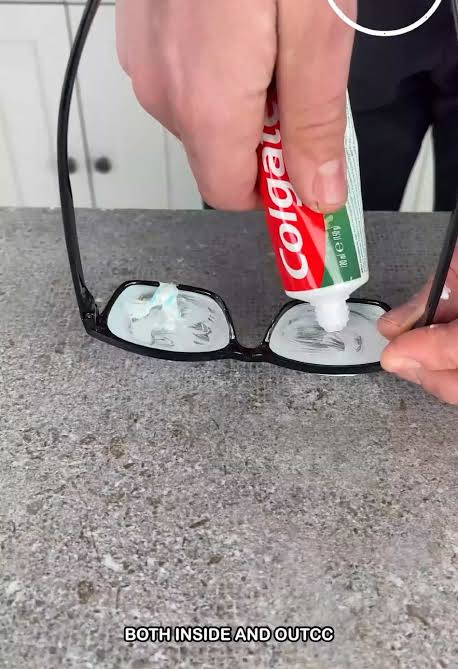
One Swipe, Crystal Clear: The Ultimate Guide to Efficient Eyeglass Cleaning
Introduction: Clear Vision Starts With Proper Lens CareFor millions of people around the world, eyeglasses are an essential part of daily life....

Eyeglasses as the Finishing Touch to Your Outfit: How Frame Shapes Can Elevate Your Style
Introduction: Eyeglasses as the Ultimate Fashion AccessoryWhen people think about fashion accessories, they often consider watches, jewelry, handbags, shoes, or clothing details....