

The Mystery of Electronic Interference: Why Snap-Fit Eyeglass Frames Are a Better Choice for Heavy Tech Users
Modern life is surrounded by invisible signals. Smartphones, wireless headphones, laptops, smartwatches, VR headsets, and countless connected devices continuously emit electromagnetic energy. For most people, these signals remain unnoticed — yet for individuals who spend long hours immersed in technology, subtle interactions between electronics and everyday accessories can influence comfort, durability, and performance more than expected.
One surprising example lies in eyewear design.
As high-tech environments become the norm, an increasing number of engineers, programmers, pilots, gamers, designers, and digital professionals are discovering that mechanical snap-fit eyeglass frames offer practical advantages over traditional metal-hinged designs.
This shift is not driven by fashion trends alone. It reflects deeper relationships between materials science, electromagnetic behavior, mechanical stability, and human-device interaction.
This article explores the often-overlooked connection between electronic interference and eyewear construction — and explains why snap-fit frames are becoming a preferred option among heavy technology users.
Living Inside an Electromagnetic Environment
Every electronic device generates electromagnetic fields (EMFs). These fields vary widely in strength and frequency depending on the device.
Common everyday sources include:
- Smartphones transmitting cellular signals
- Wi-Fi routers operating continuously
- Bluetooth peripherals
- High-resolution monitors
- Wireless charging systems
- VR and AR equipment
- Noise-canceling headphones
Individually, these emissions are low energy. Collectively, however, modern environments contain dense overlapping signal layers.
For people working eight to twelve hours daily around electronics, exposure becomes constant.
While consumer devices meet safety standards, prolonged interaction introduces practical considerations related to comfort, signal stability, and material behavior.
What Is Electronic Interference?
Electronic interference occurs when electromagnetic signals interact unintentionally with nearby conductive materials or electronic systems.
This interaction can cause:
- Signal reflection
- Minor distortion
- Static buildup
- Electrical noise
- Device performance fluctuations
Most discussions focus on electronics themselves, but passive objects — including eyeglass frames — can also influence electromagnetic environments.
Why Eyeglass Frames Matter in Tech-Dense Environments
Eyeglasses sit extremely close to critical sensory areas:
- Eyes
- Temples
- Ears
- Brain-adjacent regions
- Headset contact zones
Unlike clothing or accessories worn intermittently, glasses remain in constant proximity during device use.
Frame materials and structures therefore interact continuously with surrounding electromagnetic fields.
While effects are subtle, cumulative differences become noticeable during extended usage.
Traditional Eyewear Construction: Metal and Screws
Conventional eyeglass frames typically include:
- Metal hinges
- Steel or titanium screws
- Conductive structural components
- Rigid mechanical joints
Metal elements introduce conductivity.
Conductive materials can:
- Reflect electromagnetic waves
- Act as small antennas
- Accumulate static charge
- Interact with wireless signals
These effects are usually minor but become relevant in high-density electronic environments.
The Rise of Mechanical Snap-Fit Frames
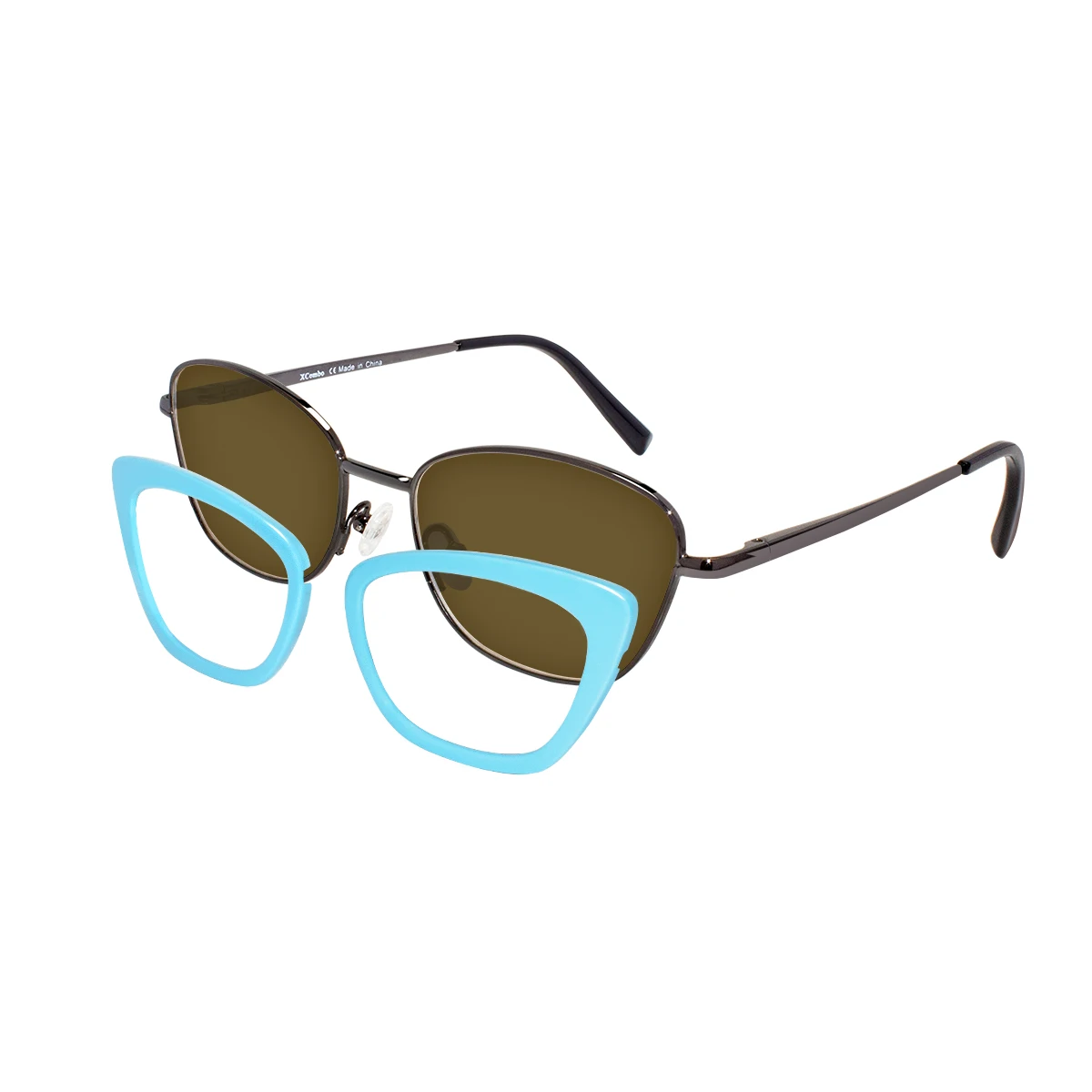
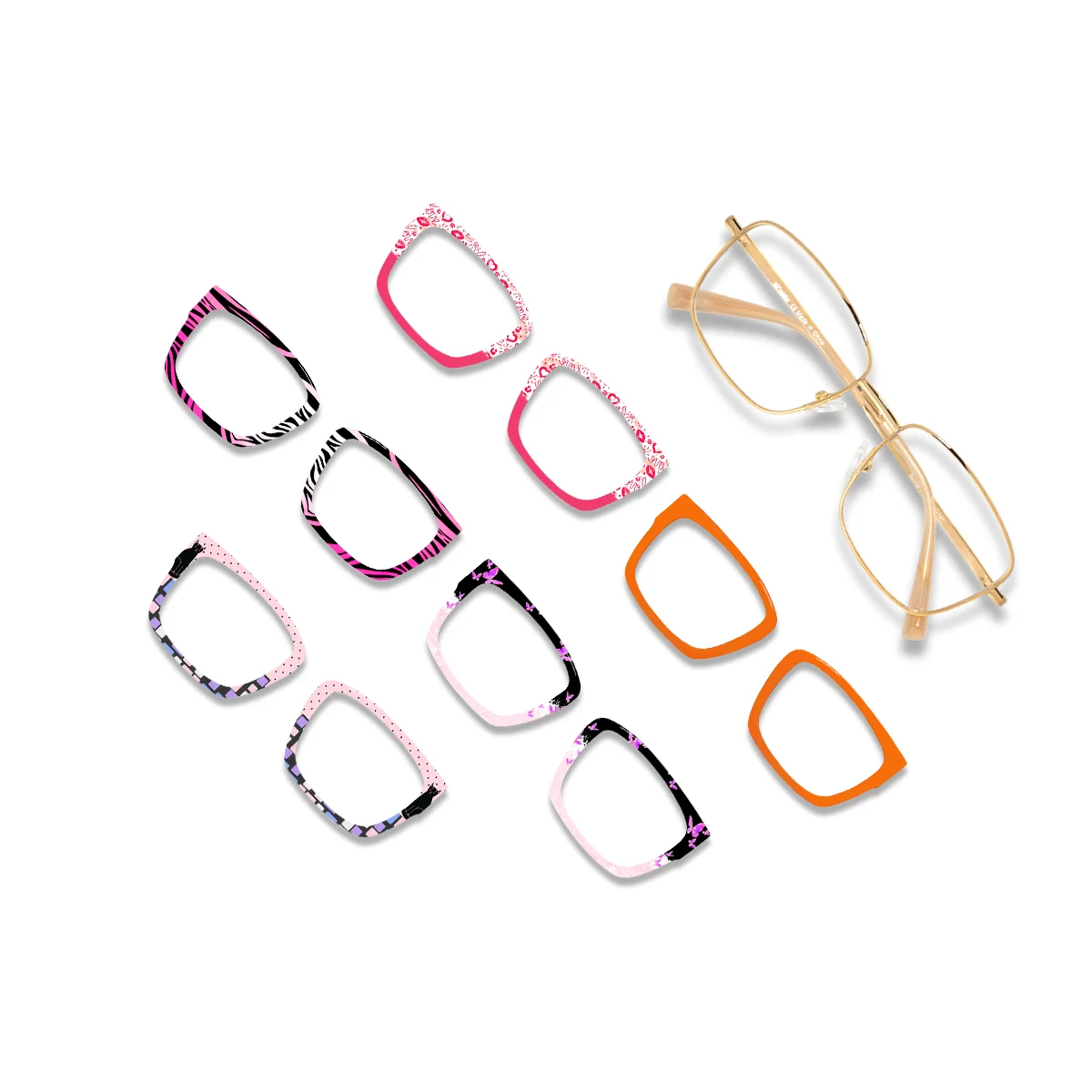
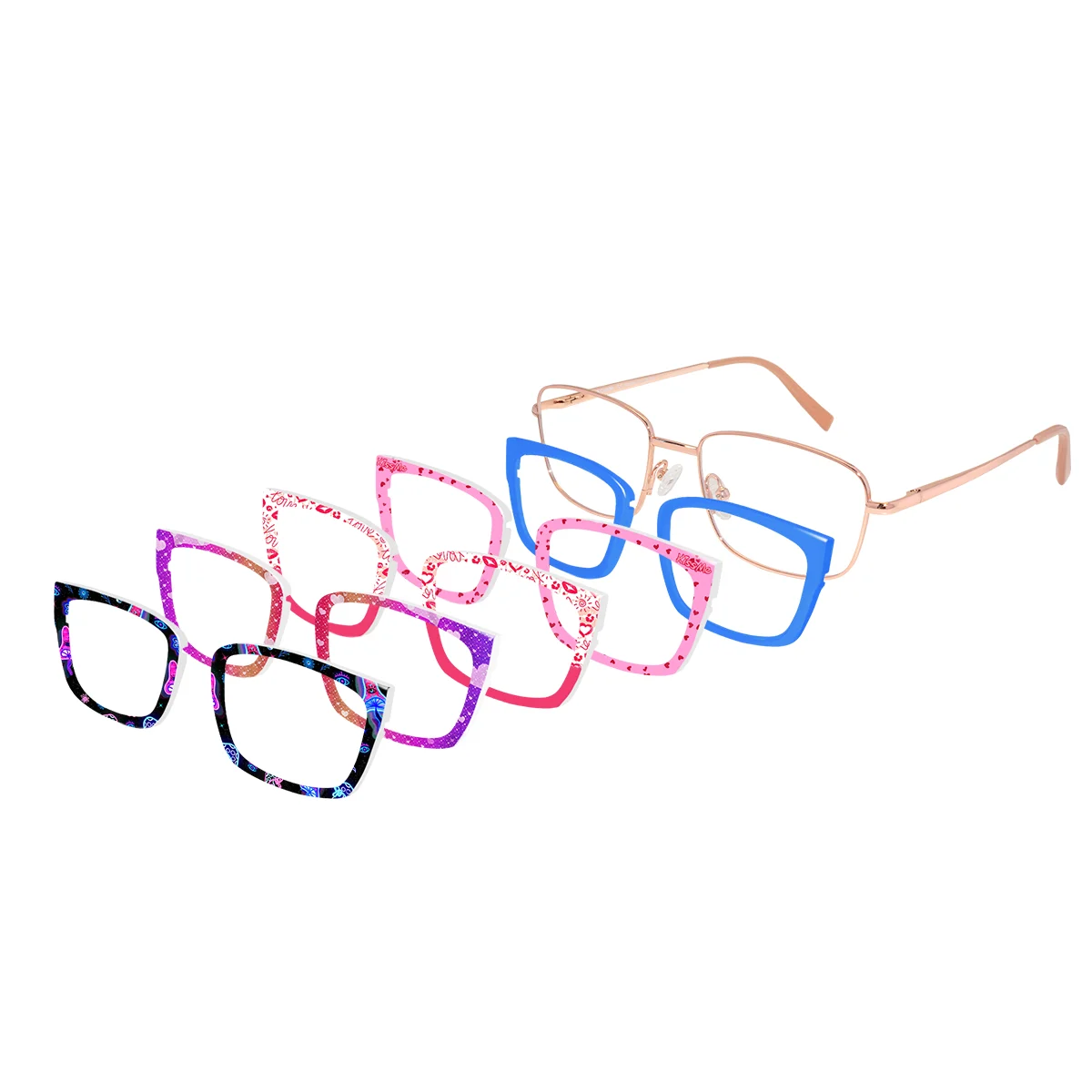
Mechanical snap-fit eyewear replaces screws and metal hinges with engineered polymer structures that lock together through elastic deformation.
Key characteristics include:
- Minimal metal components
- Non-conductive materials
- Distributed flexibility
- Modular assembly
Originally developed for durability and lightweight performance, snap-fit systems unintentionally offer advantages in electronic environments as well.
Conductivity vs. Non-Conductivity: A Materials Perspective
The fundamental difference lies in electrical conductivity.
Metal Frames
Metals conduct electricity efficiently. When exposed to electromagnetic waves, they can:
- Induce small currents
- Reflect signals
- Concentrate localized electromagnetic energy
Again, these effects remain small but measurable.
Polymer Snap-Fit Frames
Engineering polymers used in snap-fit frames are typically electrical insulators.
Insulating materials:
- Do not conduct electrical current
- Reduce signal reflection
- Minimize electromagnetic interaction
- Prevent static accumulation pathways
This creates a more neutral presence within signal-heavy environments.
Why Heavy Tech Users Notice the Difference
Individuals most likely to benefit include:
- Software developers
- Data analysts
- Gamers
- Video editors
- Engineers
- Pilots
- Remote workers
- VR/AR users
These users often experience:
- Long screen exposure
- Multiple wireless devices nearby
- Headsets worn for hours
- Continuous device switching
In such conditions, even small ergonomic or environmental improvements matter.
Headset Compatibility and Signal Stability
Wireless headsets rely on stable Bluetooth connections near the ears.
Metal temple arms positioned directly beneath headset components may subtly influence signal paths through reflection or obstruction.
Snap-fit frames typically use polymer temples that allow signals to pass with less interaction.
Practical outcomes can include:
- More consistent wireless connections
- Reduced signal dropouts in crowded environments
- Improved headset comfort due to flexible structures
While not a replacement for good device design, frame materials can contribute to overall stability.
Static Electricity: An Underestimated Factor
Electronic environments increase static electricity buildup through:
- Dry indoor air
- Synthetic clothing
- Electronic heat generation
Metal frames can accumulate static charges more easily.
Users sometimes notice:
- Small shocks when touching devices
- Increased dust attraction
- Discomfort near temples
Polymer snap-fit frames dissipate static differently due to insulating properties, reducing these experiences.
Mechanical Stability in Multi-Device Workflows
Electronic interference is not purely electromagnetic — mechanical micro-movements also matter.
Traditional hinges loosen over time, causing frame shifts during head movement.
In precision digital tasks, unstable eyewear can lead to:
- Micro-adjustments
- Visual fatigue
- Reduced focus stability
Snap-fit systems distribute stress across flexible zones, maintaining alignment consistency.
Stable positioning improves visual reliability during prolonged screen use.
Reduced Pressure Under Wearable Technology
Modern users frequently combine eyewear with:
- Over-ear headphones
- VR headsets
- AR glasses
- Communication headsets
Rigid metal hinges create pressure points that interfere with device seals.
Snap-fit temples flex naturally, adapting to wearable equipment without concentrated stress.
Comfort improvements become significant during extended sessions.
Thermal Behavior Around Electronics
Electronics generate localized heat.
Metal conducts heat efficiently, transferring warmth toward contact areas.
Polymer-based snap-fit frames exhibit lower thermal conductivity, meaning:
- Less heat transfer to skin
- Greater comfort near warm devices
- Reduced temperature sensitivity
This becomes noticeable during long gaming or editing sessions.
Signal Transparency and Wearable Technology Integration
Future wearable ecosystems increasingly rely on uninterrupted signal communication.
Examples include:
- Smart glasses
- Eye-tracking systems
- Spatial computing devices
- Biometric sensors
Non-conductive frame structures provide better compatibility with embedded electronics by avoiding signal shielding effects.
Snap-fit designs align naturally with wearable technology evolution.
Durability in High-Tech Lifestyles
Heavy device users frequently transport equipment and move between workspaces.
Snap-fit eyewear offers advantages:
- Fewer mechanical failure points
- No loose screws during travel
- Impact resilience
- Easy component replacement
Reliability becomes especially valuable for professionals dependent on uninterrupted workflows.
Psychological Benefits of Equipment Stability
Technology professionals often optimize tools for efficiency.
Reliable accessories reduce cognitive distraction.
When eyewear remains comfortable and stable:
- Fewer adjustments interrupt focus
- Mental attention stays task-oriented
- Long sessions feel less fatiguing
Small ergonomic gains compound over time.
Comparing Frame Types in Tech Environments
| Feature | Traditional Metal Frames | Snap-Fit Frames |
|---|---|---|
| Electrical Conductivity | High | Low |
| Static Interaction | Moderate | Reduced |
| Wireless Compatibility | Variable | Stable |
| Heat Transfer | Higher | Lower |
| Mechanical Stability | Degrades over time | Consistent |
| Wearable Compatibility | Limited | Excellent |
Misconceptions About Electronic Interference
It is important to clarify:
Snap-fit frames do not “block radiation” or function as protective devices.
Their advantage lies in reduced interaction, not shielding.
They create a neutral interface between user and electronics rather than attempting to alter electromagnetic exposure.
Why Design Philosophy Is Changing
Modern product design increasingly emphasizes ecosystem compatibility.
Accessories must coexist seamlessly with technology rather than compete with it.
Snap-fit eyewear reflects this shift:
- Minimal mechanical complexity
- Material intelligence
- Adaptability to evolving devices
Engineering simplicity becomes technological sophistication.
The Future: Eyewear as a Technology Platform
As wearable technology expands, eyewear may host sensors, displays, or connectivity systems.
Snap-fit modular construction supports upgrades without replacing entire frames.
This approach mirrors trends seen in smartphones and computing hardware.
Choosing Eyewear for Technology-Heavy Lifestyles
When selecting frames for intensive digital environments, consider:
- Non-conductive materials
- Flexible temple structures
- Lightweight construction
- Modular components
- Long-term alignment stability
These characteristics enhance compatibility with modern workflows.
Final Thoughts
Electronic interference is often discussed in terms of devices and networks, yet the physical objects surrounding us also shape how technology feels and functions in daily life.
Mechanical snap-fit eyeglass frames demonstrate how thoughtful engineering can quietly improve interaction with technology-rich environments. By reducing conductive materials, minimizing mechanical instability, and enhancing ergonomic adaptability, these frames align naturally with the needs of heavy tech users.
The advantage is not dramatic or immediately obvious. Instead, it appears through accumulated comfort, reliability, and consistency over long periods of use.
As work, entertainment, and communication continue merging into digital ecosystems, accessories that harmonize with technology — rather than merely coexist beside it — will become increasingly valuable.
In this evolving landscape, snap-fit eyewear represents more than a structural innovation. It reflects a broader design philosophy: the best technology often works invisibly, supporting performance without demanding attention.
Share this post








The Complete Maintenance Guide for 3D-Printed Eyewear: How to Care for Your High-End Custom Frames
3D-printed eyewear has redefined what it means to own a pair of glasses. No longer limited by mass production molds, today’s frames...
“One-Step” Investment: Why Custom Glasses Save You Money in the Long Run
When it comes to eyewear, many people focus on upfront cost rather than long-term value. It’s easy to fall into the trap...
Zero-Screw Design: Why Mechanical Snap-Fit Structures Are the Future of Custom Eyewear
Introduction: The Tiny Screw That Defined an IndustryFor more than a century, eyewear design has relied on one surprisingly fragile component: the...
Buy One, Get Five? Are Interchangeable Combo Glasses a Smart Investment—or Just a Marketing Gimmick?
If you’ve ever browsed online eyewear stores or social media ads, you’ve probably seen this pitch. A single pair of glasses, combined...
Digital Vision Calibration: How Custom Eyewear Frames Align Your Pupils with the Optical “Golden Position”
In today’s digital-first world, eyewear is no longer just a medical device or a fashion accessory—it has become a precision optical instrument....
Dish Soap or Hand Soap? Choosing the Right Neutral Cleaner to Protect Your Blue-Light Blocking Lens Coating
Modern eyewear does far more than improve vision. Today’s lenses often include advanced coatings designed to reduce glare, resist scratches, repel water,...
Why Do Your Glasses Keep Sliding Down? The Physics Behind “Rebellious Nose Pads” — and How to Fix It for Good
Few daily annoyances are as subtle yet persistent as glasses that won’t stay in place. You push them up while reading. They...
Why Your Glasses Keep Getting Looser Over Time: How Improper Handling Causes Hidden Structural Damage
Glasses are designed to be durable, precise, and comfortable. Yet many people notice the same frustrating pattern: a new pair fits perfectly...
A Must-Read for Glasses Wearers: Build These 5 Habits to Make Your Eyeglasses Last Three Years Longer
Eyeglasses are more than just a vision aid—they’re a daily essential, a style statement, and often a significant investment. Yet many people...
How Custom Frame Height Can Perfectly Balance Your Midface Proportions: The Ultimate Guide to Eyewear Geometry and Facial Harmony
Eyeglasses are often chosen for vision correction or style, but few people realize that frames are also powerful tools of facial architecture....
Why You Shouldn’t Wear Your Glasses on Top of Your Head: The “Invisible Killer” of Frame Lifespan
For many people, placing glasses on top of the head feels like second nature. It’s quick, convenient, and seems harmless—especially when you...
Titanium Alloy vs. Aerospace Carbon Fiber: Which Custom Material Is the Ultimate Solution for Sensitive Skin?
For people with sensitive skin or allergy-prone conditions, everyday accessories can become unexpected sources of discomfort. Items designed for long-term wear —...