
Titanium Alloy vs. Aerospace Carbon Fiber: Which Custom Material Is the Ultimate Solution for Sensitive Skin?
For people with sensitive skin or allergy-prone conditions, everyday accessories can become unexpected sources of discomfort. Items designed for long-term wear — especially eyeglasses, watches, jewelry, or wearable devices — remain in constant contact with the skin. When materials are poorly chosen, irritation, redness, itching, or allergic reactions can quickly follow.
In recent years, two advanced materials have emerged as leading solutions in premium custom products: titanium alloy and aerospace-grade carbon fiber. Both are widely praised for their lightweight strength, durability, and modern aesthetics. But when it comes to individuals with sensitive or allergy-prone skin, which material truly performs better?
This comprehensive guide explores the science, comfort, safety, durability, and real-world performance of titanium alloy and aerospace carbon fiber. By understanding how each material interacts with the body, you can make an informed decision about which one offers the best long-term comfort and protection.
Why Material Choice Matters for Allergy-Prone Users
Skin sensitivity is more common than many people realize. Reactions can result from:
- Metal allergies (especially nickel sensitivity)
- Sweat accumulation
- Chemical coatings
- Heat retention
- Friction caused by heavy materials
When accessories are worn for hours daily, even minor irritants can trigger persistent symptoms.
Common signs of material-related irritation include:
- Red marks that remain after removal
- Itching or burning sensations
- Small rashes or bumps
- Dry or inflamed skin patches
Choosing the right base material — not just surface coatings — is often the most effective long-term solution.
Understanding Titanium Alloy
Titanium alloy is a metal created by combining titanium with small amounts of other elements such as aluminum or vanadium to enhance strength and flexibility.
Originally developed for aerospace engineering and medical implants, titanium quickly gained popularity in consumer products because of its unique combination of properties.
Key Characteristics of Titanium Alloy
- Extremely lightweight compared to steel
- High strength-to-weight ratio
- Exceptional corrosion resistance
- Biocompatibility with human tissue
- Non-magnetic properties
- Resistance to sweat and moisture
Its medical-grade compatibility makes titanium one of the safest materials for prolonged skin contact.
Why Titanium Alloy Is Considered Hypoallergenic
One of titanium’s greatest advantages is its natural resistance to chemical reactions with the body.
Unlike many metals, titanium forms a stable oxide layer on its surface. This invisible barrier prevents ions from transferring into the skin — the primary cause of metal allergies.
Benefits for Sensitive Skin
- Nickel-free composition in high-quality grades
- Minimal skin reactivity
- Resistance to sweat corrosion
- Stable surface chemistry
Because of these qualities, titanium is commonly used in surgical implants, dental devices, and medical tools — environments where allergic reactions must be avoided.
For many users, switching to titanium accessories eliminates irritation almost immediately.
Understanding Aerospace Carbon Fiber
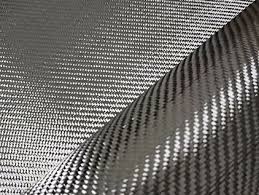
Aerospace carbon fiber is a composite material made from ultra-thin carbon strands woven together and bonded with high-performance resin.
Originally engineered for aircraft and racing industries, carbon fiber offers extraordinary strength while remaining incredibly lightweight.
Key Characteristics of Aerospace Carbon Fiber
- Ultra-lightweight structure
- Exceptional stiffness
- High fatigue resistance
- Corrosion-proof composition
- Modern, textured appearance
- Thermal stability
Unlike metals, carbon fiber is not a single solid material but a layered composite system.
Why Carbon Fiber Appeals to Sensitive Users
Carbon fiber contains no metal elements, which makes it attractive to individuals with metal allergies.
Key advantages include:
- No nickel exposure
- Non-conductive surface
- Reduced temperature transfer
- Smooth skin contact when properly finished
For users who react strongly to metals, carbon fiber provides a completely different material category.
However, the comfort level depends heavily on manufacturing quality and resin selection.
Titanium Alloy vs. Carbon Fiber: Skin Compatibility Comparison
Direct Skin Interaction
Titanium Alloy
- Biocompatible
- Medical-grade usage history
- Stable oxide surface prevents reactions
Carbon Fiber
- Metal-free composition
- Safe when resin is fully cured
- Quality varies by manufacturer
Titanium has decades of clinical validation, while carbon fiber relies more on production quality control.
Sweat Resistance
Sweat contains salts and acids that can degrade certain materials.
- Titanium resists corrosion even in salty environments.
- Carbon fiber itself resists corrosion, but resin coatings may degrade over time if poorly manufactured.
High-end carbon fiber products perform well, but lower-quality versions may cause irritation after prolonged exposure.
Heat and Temperature Comfort
Metal materials conduct heat differently than composites.
- Titanium adapts quickly to body temperature.
- Carbon fiber insulates slightly, feeling neutral against skin.
Users in hot climates often appreciate carbon fiber’s reduced heat transfer, while titanium remains comfortable in most conditions.
Weight and Pressure Sensitivity
For accessories worn daily, weight plays a major role in comfort.
- Titanium is extremely light for a metal.
- Carbon fiber is even lighter in many designs.
People sensitive to pressure points may notice less fatigue with carbon fiber products during long wear periods.
Durability and Long-Term Skin Safety
Titanium Alloy Durability
Titanium resists:
- Scratches
- Corrosion
- Deformation
- UV exposure
Its stable structure means surface properties remain consistent over years of use, reducing unexpected skin reactions.
Carbon Fiber Durability
Carbon fiber offers high strength but behaves differently under impact.
Advantages:
- Excellent fatigue resistance
- No rust or oxidation
Limitations:
- Can crack under sharp impact
- Resin layers may wear if poorly finished
Long-term skin comfort depends on maintaining a smooth surface finish.
Maintenance and Hygiene Considerations
Clean materials reduce irritation risk.
Titanium Maintenance
- Easy to clean with mild soap
- Resistant to bacteria buildup
- Non-porous surface
Carbon Fiber Maintenance
- Also easy to clean
- Must avoid abrasive cleaners that damage resin coating
Both materials outperform traditional alloys in hygiene.
Aesthetic Differences and Psychological Comfort
Material choice is not purely functional — emotional comfort matters too.
Titanium Appearance
- Sleek metallic finish
- Minimalist elegance
- Professional and timeless look
Carbon Fiber Appearance
- Modern woven texture
- High-tech visual identity
- Sport-inspired design
Users often associate carbon fiber with innovation and titanium with reliability.
Which Material Is Better for Different Allergy Types?
Nickel Allergy
Winner: Titanium Alloy
Medical-grade titanium is widely trusted for nickel-sensitive individuals.
Severe Metal Sensitivity
Winner: Carbon Fiber
A completely metal-free option eliminates metal exposure entirely.
Sweat-Induced Irritation
Tie — depends on product quality.
Both materials resist corrosion, but titanium offers more predictable long-term performance.
Ultra-Lightweight Comfort Needs
Winner: Carbon Fiber
Ideal for users sensitive to pressure or weight.
Common Misconceptions About Hypoallergenic Materials
Myth 1: All Titanium Is Hypoallergenic
Low-quality titanium blends may include trace metals. Always verify material grade.
Myth 2: Carbon Fiber Cannot Cause Irritation
Unfinished edges or poor resin curing can still irritate skin.
Myth 3: Coatings Solve Allergy Problems
Surface coatings wear off over time. Base material matters far more.
Real-World Applications of Both Materials
These materials are increasingly used in:
- Custom eyeglass frames
- Smart wearable devices
- Jewelry and rings
- Watch cases
- Medical accessories
- Performance sports gear
Their adoption reflects growing demand for comfort-driven design.
Environmental and Longevity Factors
Titanium Sustainability
- Extremely long lifespan
- Fully recyclable metal
- Reduced replacement frequency
Carbon Fiber Sustainability
- Energy-intensive production
- Long product life offsets environmental cost
- Recycling technologies improving
Durability contributes to reduced waste for both materials.
How to Choose the Right Material for Your Needs
Ask yourself:
- Do you have diagnosed metal allergies?
- Do you prioritize ultra-lightweight comfort?
- Will the product contact skin all day?
- Do you sweat heavily or live in humid climates?
- Is durability or flexibility more important?
Your answers help determine the ideal choice.
Expert Recommendation: When Each Material Excels
Choose Titanium Alloy if you want:
- Proven hypoallergenic safety
- Medical-grade reliability
- Long-term durability
- Classic aesthetic
Choose Aerospace Carbon Fiber if you want:
- Metal-free construction
- Maximum lightweight comfort
- Modern technical style
- Reduced temperature transfer
The Future of Allergy-Friendly Custom Materials
Material science continues advancing rapidly.
Emerging innovations include:
- Hybrid titanium-carbon composites
- Bio-compatible coatings
- Advanced resin technologies
- Smart adaptive materials
Future custom accessories will likely combine both materials to maximize comfort and performance.
Final Thoughts
For individuals with sensitive or allergy-prone skin, material selection is not a luxury — it is essential for daily comfort and health.
Titanium alloy stands out for its medical-grade biocompatibility, durability, and proven safety record. Aerospace carbon fiber offers a compelling alternative for those seeking a completely metal-free experience with exceptional lightweight comfort.
Neither material is universally superior; instead, each excels in different scenarios. The ultimate solution depends on personal sensitivity, lifestyle, and design preferences.
By understanding how these advanced materials interact with the body, consumers can move beyond trial and error and choose custom products that truly support comfort, confidence, and long-term wearability.
When the right material meets thoughtful design, accessories stop being sources of irritation and become seamless extensions of everyday life — lightweight, reliable, and perfectly suited to even the most sensitive skin.
Share this post

2026 Spring/Summer Fashion Trends: When Retro Small-Frame Glasses Meet the Underarm Bag
Fashion has always had a talent for bringing the past back in unexpected ways.A silhouette that once belonged to another decade can...

Soft Aesthetics for Girls with Square Faces: How Rounded Handbags and Gentle Eyeglass Frames Soften Facial Lines
A square face can be striking, elegant, and full of character. Defined by a broader forehead, a relatively straight jawline, and noticeable...
How to Buy Prescription Glasses Online on XCombo
Looking to buy glasses online? XCombo makes it easy to get stylish, high-quality glasses tailored to your prescription. Follow this simple step-by-step...

The Executive Style Code: A Career Guide to Suits, Briefcases, and Sophisticated Eyewear
In the modern workplace, professional style is about much more than wearing expensive clothes.The strongest business wardrobe communicates something before you say...

Street-Cool Style: How to Make Motorcycle Jackets, Belt Bags, and Futuristic Sunglasses Stand Out
Street fashion has never been about following every rule.It is about knowing which rules to break.A motorcycle jacket, a compact belt bag,...

The Art of Color Coordination: How to Match Your Bag With Your Eyeglass Frames for an Effortlessly Sophisticated Look
Fashion is often about the little details.A beautifully tailored outfit can look polished, yet something may still feel incomplete. The reason is...
Dating Night Style Secrets: The Perfect Collision of an Elegant Cocktail Dress, a Chain Evening Bag, and Sophisticated Semi-Rimless Glasses
Dating night is about more than choosing an outfit. It is about creating an impression without looking like you tried too hard....

Effortless French Elegance: The Perfect Pairing of Knitwear, Tote Bags, and Cat-Eye Glasses
There is something undeniably captivating about French style.It is polished without looking overly polished, feminine without being overly delicate, and comfortable without...
A Cross-Textural Conversation: The Tactile Collision of Leather Bags, Tweed Clothing, and Wood-Frame Eyewear
Introduction: When Materials Become the Main CharacterFashion is often discussed in terms of color, silhouette, trend, and season. Yet some of the...

The Ultimate Guide to Vacation-Style Outfits: Floral Dresses, Straw Bags, and Round Sunglasses for Summer
Summer is the season of relaxed mornings, warm afternoons, outdoor dinners, weekend getaways, and long-awaited vacations. It is also the perfect time...
The Romance of Earth Tones in Fall: The Color Aesthetics of Trench Coats, Saddle Bags, and Tea-Tinted Sunglasses
Introduction: Falling in Love With the Colors of AutumnThere is something irresistibly romantic about autumn fashion.As summer fades, bright colors gradually give...
Best Glasses for Your Face Shape: Round, Square, Oval & More
Introduction: The Right Glasses Can Transform Your Entire AppearanceChoosing a pair of glasses is about much more than simply correcting your vision....