
Frame Thickness Matters: How to Choose Stylish Glasses That Balance Your Facial Proportions
Glasses are no longer just a vision correction tool—they are a defining fashion accessory. The right pair can sharpen your features, elevate your personal style, and even subtly change how your face is perceived. One of the most overlooked but powerful design factors is frame thickness.
While many people focus on color, shape, or brand, frame thickness plays a critical role in balancing facial proportions. A frame that is too thick can overwhelm delicate features, while one that is too thin may disappear entirely and fail to create structure.
Understanding how frame thickness interacts with facial structure is the key to choosing eyewear that looks natural, stylish, and proportionally balanced.
This guide explores how to evaluate frame thickness, match it to different face shapes, and select eyewear that enhances your natural appearance.
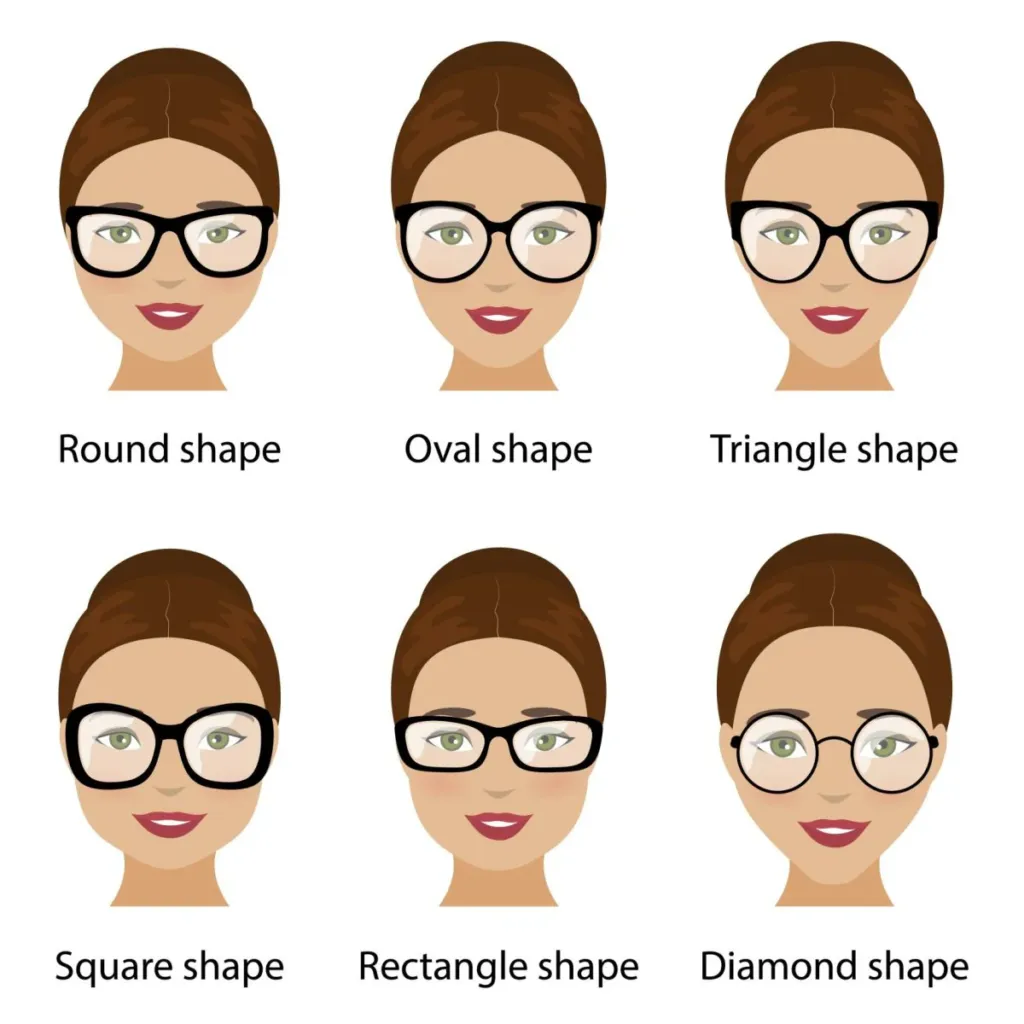
Why Frame Thickness Matters More Than You Think
Frame thickness influences how your face is visually interpreted.
It affects:
- Perceived facial width
- Visual weight distribution
- Style expression (bold vs. subtle)
- Age perception
- Overall harmony of facial features
Eyewear brands such as Ray-Ban, Oakley, and Warby Parker have long used frame thickness variations as a core design strategy to appeal to different facial structures and style preferences.
A well-balanced frame does not dominate the face—it complements it.
The Concept of Visual Weight in Eyewear Design
Before choosing frame thickness, it’s important to understand “visual weight.”
Visual weight refers to how heavy or light a frame appears when placed on your face.
Thick frames:
- Appear bold and prominent
- Add structure and contrast
- Draw attention to the eyes
- Create a fashion-forward look
Thin frames:
- Appear subtle and minimal
- Blend into facial features
- Emphasize natural expressions
- Create a clean, professional appearance
The goal is not to choose thick or thin frames universally, but to match visual weight with facial proportions.
How Frame Thickness Interacts with Face Shape
Different face shapes respond differently to frame thickness.
1. Round Face: Add Structure with Thicker Frames
Round faces typically have:
- Soft jawlines
- Similar width and height
- Few sharp angles
Best frame thickness strategy:
- Medium to thick frames
- Angular designs
- Strong upper rims
Thicker frames help add definition and structure, making the face appear more elongated.
2. Square Face: Soften with Medium or Thin Frames
Square faces typically feature:
- Strong jawlines
- Broad forehead
- Angular bone structure
Best frame thickness strategy:
- Thin to medium frames
- Rounded edges
- Lightweight materials
Excessively thick frames can exaggerate angular features, making the face appear harsher.
3. Oval Face: The Most Flexible Shape
Oval faces are naturally balanced.
They feature:
- Slightly wider cheekbones
- Balanced proportions
- Soft transitions between features
Best frame thickness strategy:
- Almost any thickness works
- Medium frames are most balanced
- Thick frames for bold fashion statements
- Thin frames for minimalist style
Oval faces have the most freedom in experimentation.
4. Heart-Shaped Face: Balance a Wider Forehead
Heart-shaped faces typically include:
- Wider forehead
- Narrow chin
- High cheekbones
Best frame thickness strategy:
- Thin to medium frames
- Light bottom-heavy designs
- Avoid overly thick top rims
The goal is to reduce upper-face dominance and create balance.
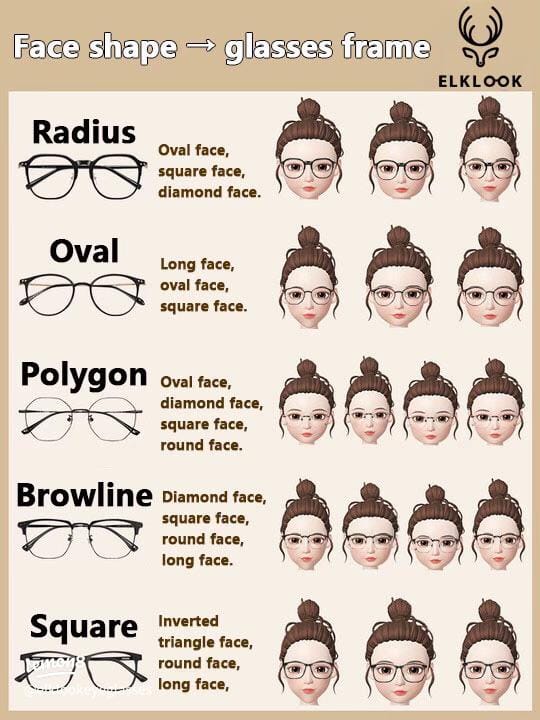
5. Diamond Face: Highlight Eyes with Balanced Thickness
Diamond faces feature:
- Narrow forehead and chin
- Wide cheekbones
- Sharp facial angles
Best frame thickness strategy:
- Medium thickness frames
- Rimless or semi-rimless options
- Frames that highlight the eye area
Balance is key to avoid overemphasizing cheekbone width.
Frame Thickness and Style Personality
Beyond face shape, frame thickness communicates style identity.
Thin Frames: Minimalist and Professional
Thin frames are associated with:
- Intellectual style
- Corporate environments
- Subtle elegance
- Clean aesthetics
They work well in formal or professional settings.
Thick Frames: Bold and Fashion-Forward
Thick frames convey:
- Confidence
- Creativity
- Retro or vintage style
- Strong fashion presence
Thicker frames are often chosen for statement looks.
Medium Frames: The Balanced Choice
Medium thickness frames offer:
- Versatility
- Everyday wearability
- Balanced visual weight
- Broad compatibility with face shapes
They are often considered the safest and most adaptable option.
Material Choice and Its Impact on Thickness Perception
Frame thickness is not just about measurement—it’s also about material.
Acetate Frames
- Naturally thicker appearance
- Rich color depth
- Strong fashion presence
Acetate is commonly used in bold, stylish eyewear.
Metal Frames
- Appear thinner and lighter
- Minimal visual impact
- Often used in professional styles
Brands like Silhouette International specialize in ultra-lightweight metal frames that almost disappear on the face.
Titanium Frames
- Extremely lightweight
- Durable yet minimal
- Premium appearance
Titanium frames often balance strength with subtle design.
How Frame Thickness Affects Facial Perception
Eyewear subtly changes how others perceive your face.
Thick frames:
- Make eyes appear more central
- Reduce perceived face width
- Add personality emphasis
Thin frames:
- Highlight natural facial features
- Create softer impressions
- Make expressions more visible
Choosing the right thickness can influence how approachable, confident, or serious you appear.
Frame Thickness and Gender Style Trends
While eyewear is increasingly unisex, trends still vary.
Men’s styling trends:
- Medium to thick frames dominate
- Strong geometric shapes
- Bold browlines
Women’s styling trends:
- Thin to medium frames popular
- Lightweight elegance
- Soft or cat-eye designs
However, modern fashion increasingly encourages breaking these conventions.
Matching Frame Thickness with Hair and Skin Contrast
Another important factor is contrast level.
High contrast (dark hair + light skin):
- Thick frames work well
- Strong visual definition enhances features
Low contrast (light hair + light skin):
- Thin frames create harmony
- Avoid overwhelming facial softness
Common Mistakes When Choosing Frame Thickness
Many buyers make predictable errors:
1. Choosing style over proportion
A trendy frame may not suit facial structure.
2. Ignoring bridge fit
Even perfect thickness fails if fit is wrong.
3. Overly thick frames for small faces
This can overwhelm features and reduce balance.
4. Too thin frames for strong facial features
They may disappear visually and feel unbalanced.
How to Test Frame Thickness Before Buying
Before committing to a pair, consider:
Mirror distance test
Step back and check if frames balance your facial proportions from a normal viewing distance.
Photo test
Take front-facing photos under natural light.
Expression test
Smile, talk, and move—see how frames behave dynamically.
Customization Trends in Modern Eyewear
Modern eyewear brands increasingly allow customization in:
- Frame thickness
- Bridge design
- Temple width
- Material layering
This trend helps users achieve more precise facial balance.
Companies like Luxottica are leading global eyewear design innovation, offering a wide range of frame structures tailored to different facial profiles.
Future of Eyewear Design: Adaptive Frame Engineering
Eyewear is evolving beyond static design.
Future developments include:
- Adjustable frame thickness systems
- Smart materials that adapt visually
- AI-driven facial matching tools
- 3D-printed personalized frames
These innovations aim to make proportional balance automatic rather than manual.
Conclusion: Frame Thickness Is the Hidden Key to Great Eyewear
Choosing the right glasses is not just about vision correction or fashion trends—it is about visual harmony.
Frame thickness plays a subtle but powerful role in shaping how your face is perceived. The right balance can enhance symmetry, highlight features, and express personality without saying a word.
Whether you prefer bold thick frames or subtle minimalist designs, the key is alignment with your facial structure, contrast level, and personal style.
When chosen thoughtfully, glasses stop being just an accessory—and become a refined extension of your identity.
Share this post
How Should Your Glasses Fit for Comfort and Style?
Choosing the right pair of eyeglasses is about more than finding a frame design you like. A properly fitted pair of glasses...
How to Install and Remove the Top Frame
How to Install Your XCombo TopperCheck Left & RightMake sure each topper is on the correct side.Attach at the Nose BridgeAlign the...
Say Goodbye to an Awkward Look: How to Choose the Right Eyeglasses Based on Your Body Proportions and Bag Size
Eyeglasses are more than a vision-correction tool. They are also an important fashion accessory that can influence the balance, proportion, and overall...
Say Goodbye to Awkward Proportions: How to Choose the Right Glasses for Your Body Shape and Bag Size
Accessories can transform an ordinary outfit into a polished, thoughtfully coordinated look. A beautiful handbag adds personality, while the right pair of...
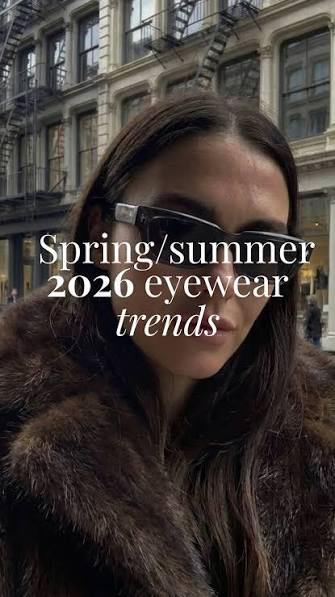
2026 Spring/Summer Fashion Trends: When Retro Small-Frame Glasses Meet the Underarm Bag
Fashion has always had a talent for bringing the past back in unexpected ways.A silhouette that once belonged to another decade can...
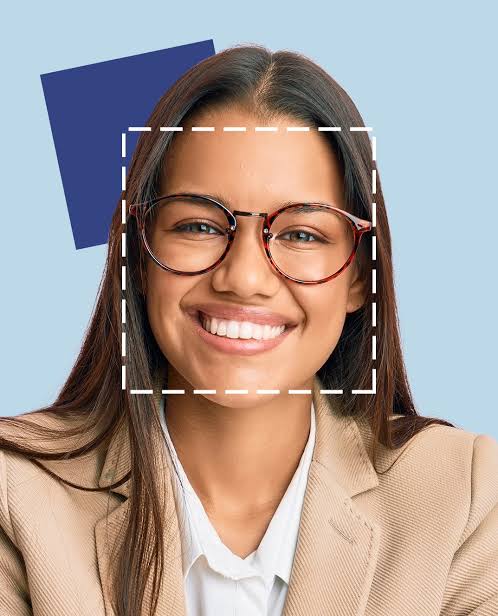
Soft Aesthetics for Girls with Square Faces: How Rounded Handbags and Gentle Eyeglass Frames Soften Facial Lines
A square face can be striking, elegant, and full of character. Defined by a broader forehead, a relatively straight jawline, and noticeable...
How to Buy Prescription Glasses Online on XCombo
Looking to buy glasses online? XCombo makes it easy to get stylish, high-quality glasses tailored to your prescription. Follow this simple step-by-step...

The Executive Style Code: A Career Guide to Suits, Briefcases, and Sophisticated Eyewear
In the modern workplace, professional style is about much more than wearing expensive clothes.The strongest business wardrobe communicates something before you say...
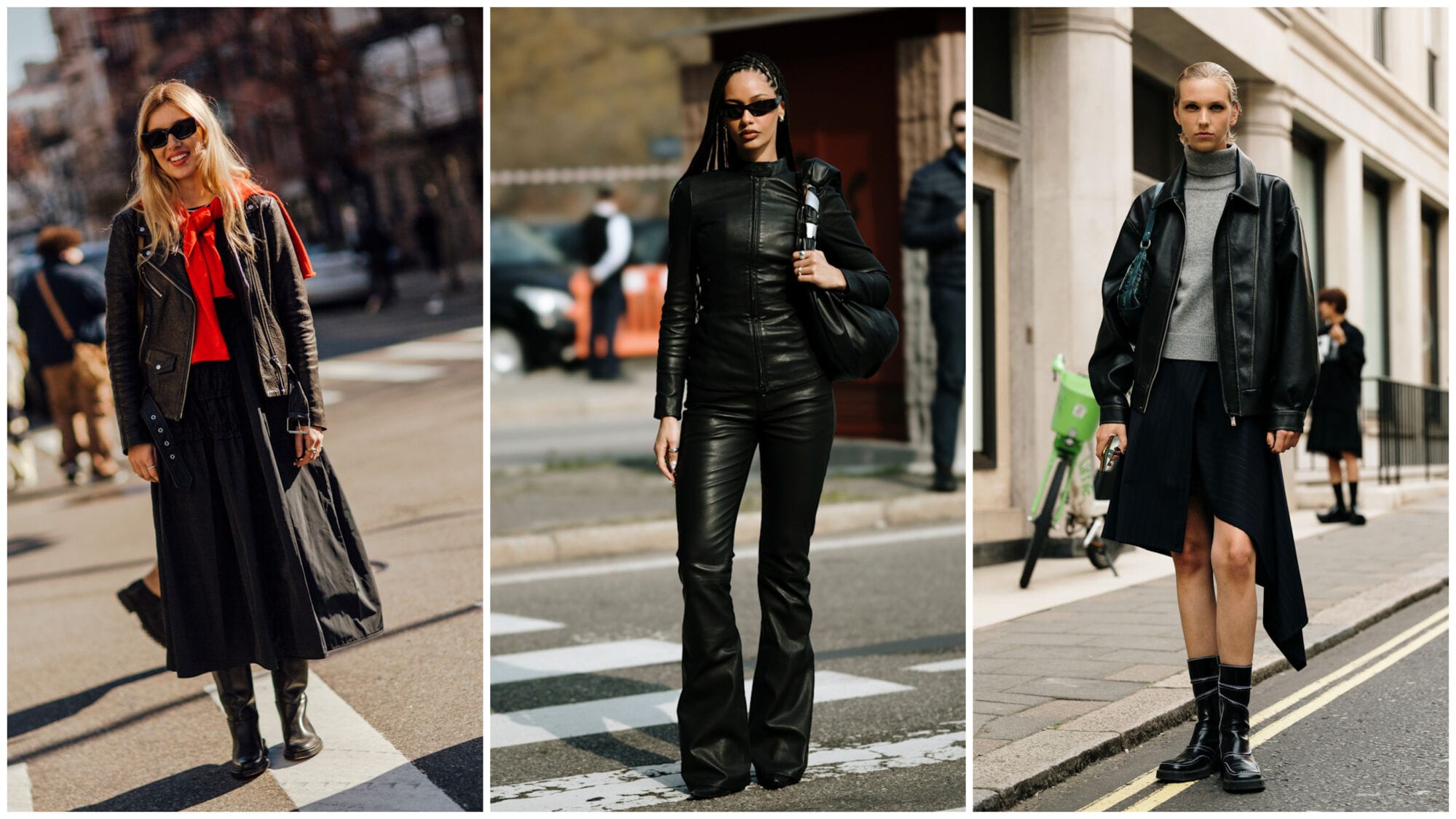
Street-Cool Style: How to Make Motorcycle Jackets, Belt Bags, and Futuristic Sunglasses Stand Out
Street fashion has never been about following every rule.It is about knowing which rules to break.A motorcycle jacket, a compact belt bag,...
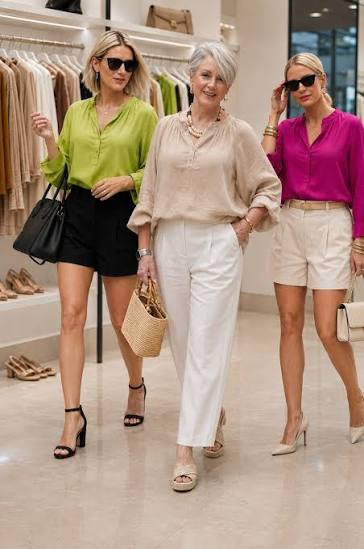
The Art of Color Coordination: How to Match Your Bag With Your Eyeglass Frames for an Effortlessly Sophisticated Look
Fashion is often about the little details.A beautifully tailored outfit can look polished, yet something may still feel incomplete. The reason is...
Dating Night Style Secrets: The Perfect Collision of an Elegant Cocktail Dress, a Chain Evening Bag, and Sophisticated Semi-Rimless Glasses
Dating night is about more than choosing an outfit. It is about creating an impression without looking like you tried too hard....
Effortless French Elegance: The Perfect Pairing of Knitwear, Tote Bags, and Cat-Eye Glasses
There is something undeniably captivating about French style.It is polished without looking overly polished, feminine without being overly delicate, and comfortable without...