
The Complete Maintenance Guide for 3D-Printed Eyewear: How to Care for Your High-End Custom Frames
3D-printed eyewear has redefined what it means to own a pair of glasses. No longer limited by mass production molds, today’s frames can be custom-designed to match your face shape, style preferences, and functional needs with remarkable precision. The result is a blend of comfort, innovation, and individuality that traditional eyewear often struggles to achieve.
But with this level of customization comes a new responsibility: proper maintenance. Unlike standard frames, 3D-printed glasses are made using advanced materials and manufacturing techniques that require specific care practices. If you’ve invested in high-end custom frames, knowing how to maintain them is essential for preserving their performance, appearance, and longevity.
This comprehensive guide will walk you through everything you need to know—from daily cleaning routines to long-term storage strategies—so you can keep your 3D-printed eyewear in excellent condition for years to come.
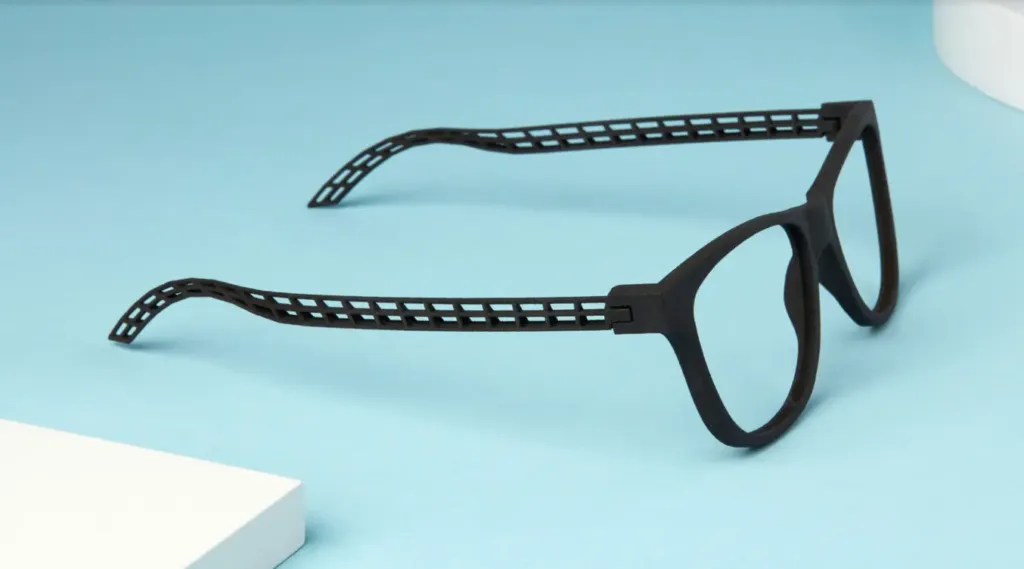
Understanding 3D-Printed Eyewear Materials
Before diving into maintenance, it’s important to understand what your frames are made of. Most 3D-printed glasses use advanced polymers such as:
- Nylon-based materials (often referred to as PA12)
- Flexible thermoplastics
- Resin-based composites
These materials are selected for their strength, flexibility, and lightweight properties. However, they also have unique characteristics that influence how they should be handled.
Key Material Traits
- Porosity: Some 3D-printed materials have microscopic pores that can trap dirt and oils
- Flexibility: Designed to bend slightly without breaking, but excessive force can still cause damage
- Surface Texture: Often matte or slightly textured, which can accumulate debris more easily than glossy finishes
Understanding these traits helps explain why proper care is so important.
Daily Cleaning: The Foundation of Longevity
Cleaning your glasses regularly is the simplest and most effective way to maintain them.
Step-by-Step Cleaning Routine
- Rinse with Lukewarm Water
This removes dust and loose particles that could scratch the surface during cleaning. - Apply a Gentle Cleanser
Use a mild, non-abrasive soap. Avoid harsh chemicals or alcohol-based cleaners, which can degrade certain materials. - Gently Clean with Your Fingers
Pay attention to areas that come into contact with your skin, such as the nose bridge and temples. - Rinse Thoroughly
Make sure no soap residue remains. - Dry with a Microfiber Cloth
Avoid paper towels or rough fabrics, which can cause micro-scratches.
Frequency
- Daily cleaning is ideal for regular wearers
- At minimum, clean your glasses several times a week
Deep Cleaning for Stubborn Build-Up
Over time, oils, sweat, and environmental debris can accumulate in hard-to-reach areas.
When to Deep Clean
- Visible buildup around hinges or joints
- Persistent odors
- Reduced comfort due to residue
How to Do It Safely
- Use a soft-bristled brush (like a clean toothbrush)
- Combine with mild soap and warm water
- Gently scrub without applying excessive pressure
Avoid soaking your frames for extended periods, especially if they include metal components.
Protecting Against Environmental Damage
3D-printed frames are durable, but they’re not indestructible. Environmental factors can have a significant impact over time.
Heat Exposure
High temperatures can warp or weaken certain materials.
Avoid:
- Leaving glasses in a hot car
- Placing them near heaters or direct sunlight for extended periods
UV Exposure
Prolonged exposure to UV rays can cause discoloration or material degradation.
Tip: Store your glasses in a protective case when not in use.
Moisture and Humidity
While most 3D-printed materials are water-resistant, excessive moisture can still cause issues.
Best Practices:
- Dry your glasses thoroughly after cleaning
- Avoid storing them in damp environments
Handling Your Glasses Properly
How you handle your glasses on a daily basis plays a major role in their lifespan.
Use Both Hands
Always put on and remove your glasses using both hands. This prevents uneven stress on the frame and maintains alignment.
Avoid Placing Them Face Down
This can scratch the lenses and potentially damage the frame structure.
Don’t Wear Them on Your Head
As convenient as it may seem, placing your glasses on your head can stretch the temples and distort the frame over time.
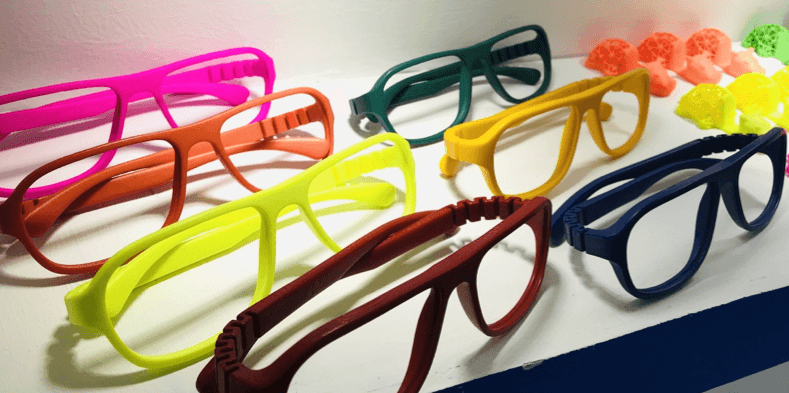
Storage: Keeping Your Frames Safe
Proper storage is just as important as cleaning.
Use a Hard Case
A sturdy case protects your glasses from:
- Physical impact
- Dust and debris
- Accidental bending
Choose the Right Location
Store your glasses in a cool, dry place away from direct sunlight.
Lens Care: Complementing Frame Maintenance
While this guide focuses on frames, lens care is equally important.
Cleaning Tips
- Use lens-specific cleaning solutions
- Avoid household cleaners
- Wipe with a microfiber cloth
Scratch Prevention
- Never clean dry lenses
- Avoid placing glasses in pockets without protection
Adjustments and Fit Maintenance
Even custom frames may require occasional adjustments.
Signs You Need an Adjustment
- Glasses slide down your nose
- Uneven pressure on ears
- Lenses not aligned properly
Professional vs. DIY
Minor adjustments can sometimes be done at home, but for best results, consult an optical professional—especially for high-end frames.
Traveling with 3D-Printed Eyewear
Travel introduces additional risks, from pressure changes to rough handling.
Travel Tips
- Always use a protective case
- Keep glasses in your carry-on
- Bring a cleaning kit for convenience
Long-Term Care Strategies
Maintaining your glasses over the long term requires consistency.
Routine Checks
- Inspect for signs of wear or damage
- Tighten loose screws if applicable
- Monitor fit and comfort
Replacement Parts
Some 3D-printed frames allow for component replacement, such as temples or nose pads. Take advantage of this to extend the life of your eyewear.
Common Mistakes to Avoid
Even with the best intentions, certain habits can shorten the lifespan of your glasses.
Using Harsh Chemicals
These can degrade materials and damage finishes.
Ignoring Small Issues
Minor misalignments or loose components can worsen over time if not addressed.
Improper Cleaning Tools
Rough fabrics or abrasive materials can cause surface damage.
Sustainability and Care
One of the advantages of 3D-printed eyewear is its potential for sustainability. Proper maintenance supports this by reducing the need for frequent replacements.
Extend, Don’t Replace
By taking care of your frames, you minimize waste and maximize the value of your investment.
The Future of Eyewear Maintenance
As 3D printing technology continues to evolve, so will maintenance practices.
Emerging Trends
- Self-healing materials
- Enhanced coatings مقاومة للخدش
- Smart frames with integrated sensors
These innovations may simplify care routines in the future, but for now, proper maintenance remains essential.
Final Thoughts
3D-printed eyewear represents the cutting edge of personalization and design. With their custom fit and advanced materials, these frames offer a level of comfort and style that’s hard to match.
However, they also require thoughtful care. By adopting proper cleaning habits, protecting your frames from environmental damage, and handling them with care, you can ensure that your high-end custom glasses remain in excellent condition.
Ultimately, maintaining your eyewear isn’t just about preserving an accessory—it’s about protecting an investment in your vision, comfort, and personal style. With the right approach, your 3D-printed frames can continue to perform beautifully for years to come.
Share this post
The Romance of Earth Tones in Fall: The Color Aesthetics of Trench Coats, Saddle Bags, and Tea-Tinted Sunglasses
Introduction: Falling in Love With the Colors of AutumnThere is something irresistibly romantic about autumn fashion.As summer fades, bright colors gradually give...
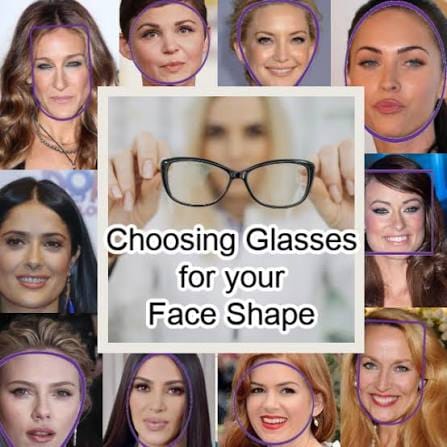
Best Glasses for Your Face Shape: Round, Square, Oval & More
Introduction: The Right Glasses Can Transform Your Entire AppearanceChoosing a pair of glasses is about much more than simply correcting your vision....
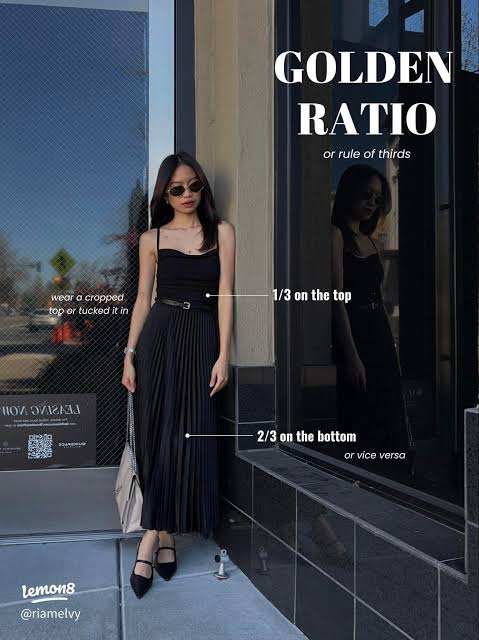
From Head to Toe: The Golden Ratio for Styling Glasses, Clothing, and Bags
Introduction: The Secret to Looking Polished From Head to ToeGreat style is rarely about wearing the most expensive clothes, following every trend,...

Minimalist Style: How Glasses and Bags Add the Perfect Finishing Touch to Black, White, and Gray Outfits
Minimalist fashion is often described as simple, effortless, and timeless. But creating a truly polished minimalist outfit is not as easy as...

Effortless Style: The Perfect Chemistry of Oversized Sweatshirts, Crossbody Bags, and Vintage Metal-Frame Glasses
Introduction: Why Relaxed Style Feels So RightFashion does not always have to look carefully calculated.Sometimes, the most appealing outfit is the one...

The Symphony of Metallic Elements: The Art of Layering Belt Buckles, Chain Bags, and Metal Frames
Introduction: When Metal Becomes a Fashion LanguageFashion has always been a conversation between materials, shapes, and personal expression. Among all design elements,...
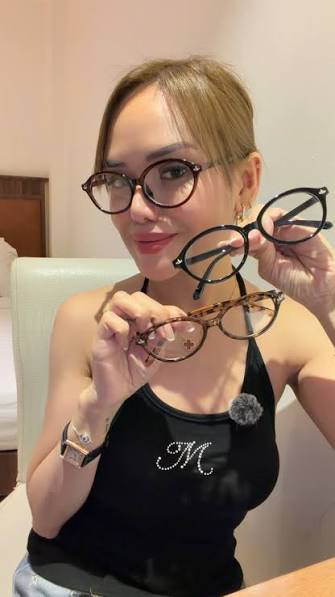
Eyeglasses as the Finishing Touch: How to Make Your Frames Blend Perfectly Into Your Everyday Outfits
Eyeglasses are more than a tool for clearer vision. Today, they are one of the most powerful accessories in a modern wardrobe....

Old Money Style Guide: How Cashmere Coats, Premium Leather Bags, and Classic Black Frame Glasses Create Timeless Elegance
Introduction: Understanding the True Meaning of Old Money FashionFashion trends come and go, but true elegance has always been about something deeper...

The Ultimate Style Rescue for Round-Faced Women: How Necklines, Bag Placement, and Geometric Glasses Create a Slimmer Look
Introduction: Redefining Beauty Beyond Face ShapeFor many women with round faces, getting dressed can sometimes feel like a constant battle. The cheeks...
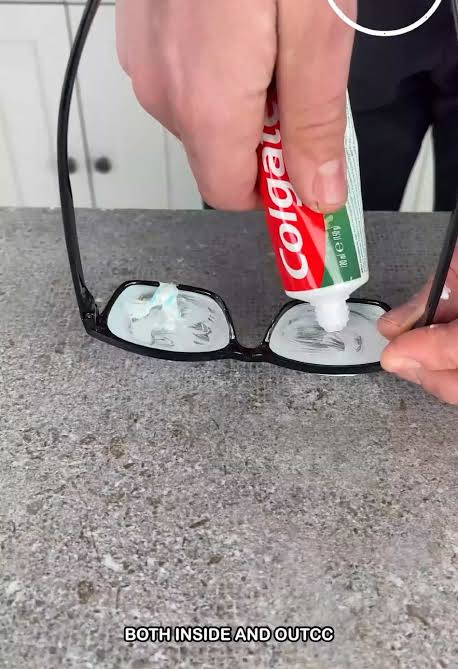
One Swipe, Crystal Clear: The Ultimate Guide to Efficient Eyeglass Cleaning
Introduction: Clear Vision Starts With Proper Lens CareFor millions of people around the world, eyeglasses are an essential part of daily life....

Eyeglasses as the Finishing Touch to Your Outfit: How Frame Shapes Can Elevate Your Style
Introduction: Eyeglasses as the Ultimate Fashion AccessoryWhen people think about fashion accessories, they often consider watches, jewelry, handbags, shoes, or clothing details....
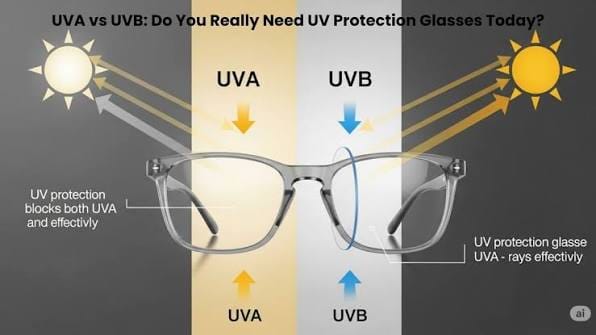
Blue Light Protection or UV Protection? Common Mistakes When Choosing Eye Protection Glasses
Introduction: Choosing the Right Eye Protection Is More Complicated Than It LooksEyeglasses have evolved far beyond simple vision correction tools. Today, consumers...