

Exploring Aerospace Materials in Modern Custom Eyeglasses
Eyeglasses are no longer just simple tools for vision correction. In the modern world, they have evolved into sophisticated products that blend engineering, ergonomics, fashion, and materials science. For people who rely on glasses every day, comfort, durability, and weight are just as important as style.
One of the most fascinating developments in the eyewear industry is the increasing use of aerospace-grade materials in custom eyeglasses. Materials originally designed for aircraft, spacecraft, and high-performance engineering applications are now helping create lighter, stronger, and more comfortable eyewear.
These materials offer properties that traditional frame materials simply cannot match. They are incredibly lightweight yet remarkably strong. They resist corrosion, fatigue, and environmental damage. Most importantly, they allow designers to create custom eyewear that fits better and lasts longer.
This article explores how aerospace materials are transforming the design of modern custom eyeglasses, what makes these materials special, and why they are becoming a preferred choice for high-performance eyewear.
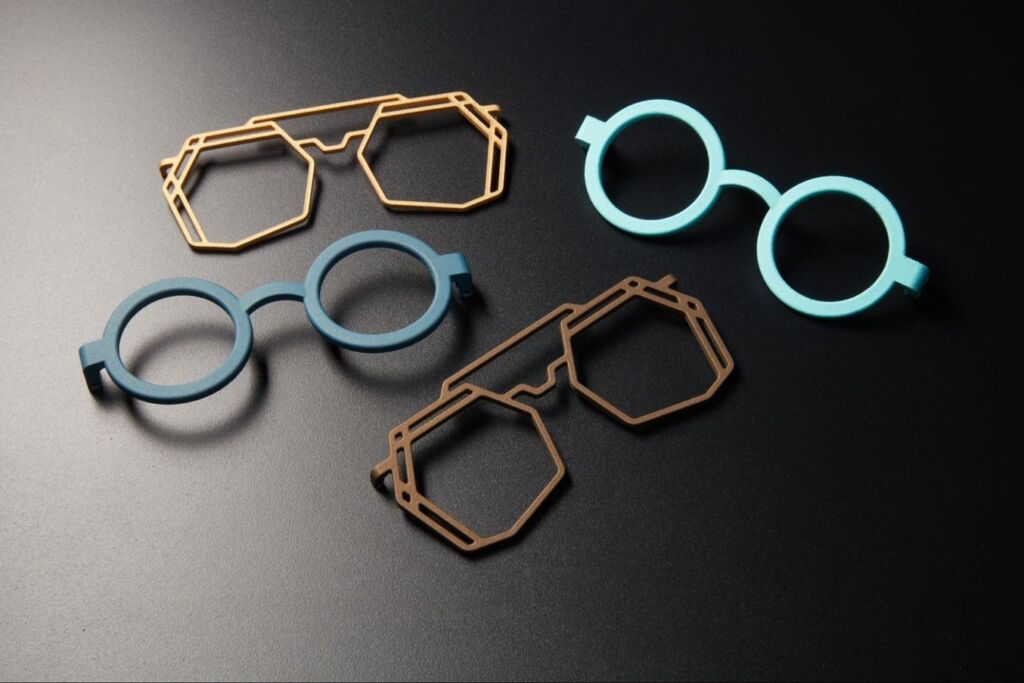
Why Material Innovation Matters in Eyewear
The material used in eyeglass frames has a direct impact on how the glasses feel, perform, and age over time.
Traditional eyewear materials include:
- Basic plastics
- Stainless steel
- Acetate
- Nickel-based alloys
While these materials have served the industry for decades, they come with limitations.
Plastic frames may be lightweight but can become brittle over time. Metal frames may be strong but sometimes feel heavy. Some alloys can cause skin irritation or corrosion when exposed to sweat.
Modern eyewear users often expect more from their glasses. They want frames that are:
- Lightweight for all-day comfort
- Strong enough to survive daily use
- Resistant to bending and deformation
- Comfortable for sensitive skin
- Durable across different environments
These expectations have encouraged manufacturers to explore advanced materials originally developed for aerospace and high-performance engineering.
What Are Aerospace Materials?
Aerospace materials are specially engineered substances used in aircraft, satellites, spacecraft, and high-performance transportation systems.
These materials must meet extremely demanding requirements, including:
- Exceptional strength-to-weight ratio
- Resistance to extreme temperatures
- Fatigue resistance under repeated stress
- Corrosion resistance
- Structural stability
Because aerospace engineering demands reliability and efficiency, these materials are carefully designed and tested to perform under challenging conditions.
When applied to eyewear design, these properties translate into frames that are lighter, stronger, and more comfortable than traditional alternatives.
Titanium: The Most Popular Aerospace Material in Eyewear
Among all aerospace materials used in eyewear, titanium is by far the most widely recognized.
Titanium was originally developed for military aircraft and spacecraft because of its unique combination of strength and lightness.
Why Titanium Works So Well for Eyeglasses
Titanium offers several advantages that make it ideal for custom eyewear.
1. Exceptional Strength
Titanium is stronger than many types of steel while remaining significantly lighter.
This strength allows frames to maintain their shape even after years of use.
2. Extremely Lightweight
Titanium frames often weigh far less than traditional metal frames.
This reduces pressure on the nose and ears, making glasses more comfortable for long periods.
3. Corrosion Resistance
Titanium naturally resists corrosion from sweat, humidity, and environmental exposure.
This makes it ideal for people who live in humid climates or have active lifestyles.
4. Hypoallergenic Properties
Unlike some metals, titanium rarely causes allergic reactions.
This is particularly important for people with sensitive skin.
Beta Titanium: Flexibility Meets Durability
While pure titanium is already impressive, beta titanium takes performance even further.
Beta titanium is a special alloy that includes elements such as vanadium and aluminum.
This combination creates a material that is both strong and flexible.
Advantages of Beta Titanium Frames
Beta titanium frames offer several practical benefits.
- Greater flexibility without permanent deformation
- Improved resistance to stress and bending
- Enhanced durability in daily use
This flexibility allows frames to adapt slightly to facial movements without breaking or losing their shape.
For custom eyewear, this property is extremely valuable because it enhances comfort while maintaining structural stability.
Memory Metals and Shape-Retention Technology
Another aerospace-inspired material category used in eyewear is memory metals.
These materials can return to their original shape after being bent or twisted.
This ability comes from special alloy structures that respond to stress and temperature.
Benefits for Eyeglass Frames
Frames made with memory alloys can handle accidental bending far better than traditional metal frames.
For example, if the temple arm is accidentally flexed outward, the material may return to its original alignment.
This reduces the need for frequent adjustments and repairs.
Memory metals also provide gentle flexibility that improves wearing comfort.
Carbon Fiber: Ultra-Light Structural Strength
Carbon fiber is widely used in aerospace engineering, racing cars, and high-performance sports equipment.
It is composed of extremely thin carbon strands woven together and bonded with resin to create a composite material.
Why Carbon Fiber Is Ideal for Eyewear
Carbon fiber offers several impressive properties.
Incredible Strength-to-Weight Ratio
Carbon fiber can be stronger than steel while weighing much less.
High Rigidity
Frames made from carbon fiber maintain their shape even under pressure.
Modern Aesthetic
Carbon fiber has a distinctive woven appearance that many people associate with high-tech design.
In eyewear, carbon fiber is often used in combination with other materials to reinforce structural areas while keeping frames extremely light.
Aluminum Alloys Used in Precision Frames
Aerospace engineering frequently relies on specialized aluminum alloys because they provide strength without excessive weight.
In eyewear design, these alloys can be used to create sleek, minimalist frames.
Advantages of Aluminum Eyeglass Frames
- Lightweight construction
- Clean, modern appearance
- Excellent machinability for precision shaping
Advanced surface treatments can also improve scratch resistance and corrosion protection.
High-Performance Polymer Composites
Not all aerospace materials are metals. Some of the most advanced materials used in modern eyewear are high-performance polymers.
These engineered plastics offer exceptional durability while remaining flexible and lightweight.
Examples include:
- TR90 polymer
- polyamide composites
- reinforced nylon
These materials can withstand repeated stress while maintaining comfort and flexibility.
They are particularly popular in custom eyewear designed for active lifestyles.
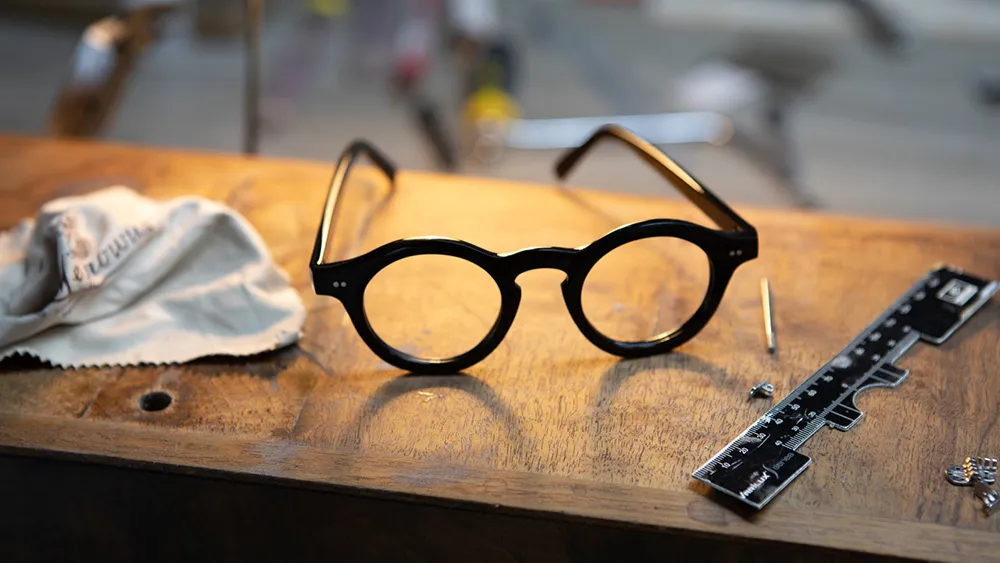
How Aerospace Materials Improve Custom Fit
Custom eyeglasses are designed specifically for the wearer’s facial structure.
This includes measurements such as:
- nose bridge width
- temple length
- frame curvature
- lens alignment
Aerospace materials make it easier to maintain these precise adjustments over time.
Because these materials resist deformation, the frame retains its engineered shape even after extended use.
This means the glasses continue to fit comfortably without frequent adjustments.
Weight Reduction and Long-Term Comfort
One of the biggest complaints among glasses wearers is discomfort from heavy frames.
Pressure on the nose bridge and behind the ears can become noticeable after several hours.
Aerospace materials dramatically reduce frame weight.
Some high-end titanium frames weigh less than half of traditional metal frames.
This reduction may seem small, but it can significantly improve comfort during long workdays.
For people who wear glasses from morning to night, lightweight materials make a noticeable difference.
Durability for Active Lifestyles
Many modern consumers live active lives that involve travel, sports, and outdoor activities.
Glasses must withstand:
- frequent handling
- accidental drops
- temperature changes
- exposure to sweat and moisture
Aerospace materials are specifically designed to survive harsh conditions.
When used in eyewear, they help create frames that remain reliable in everyday life.
Precision Manufacturing Techniques
Working with aerospace materials requires advanced manufacturing methods.
These may include:
- CNC micro-machining
- laser cutting
- precision injection molding
- advanced alloy processing
Computer-aided design allows engineers to model frame structures and simulate stress before production begins.
This ensures that the final product meets both performance and comfort requirements.
Design Freedom for Modern Eyewear
Another advantage of aerospace materials is the design flexibility they offer.
Because these materials are strong yet lightweight, designers can create frames with:
- thinner profiles
- complex geometric shapes
- minimalist aesthetics
This allows custom eyewear to look elegant without sacrificing strength.
Sustainability and Long-Term Value
Durable materials contribute to sustainability by extending product lifespan.
Instead of replacing frames every year or two, users can keep high-quality glasses for much longer.
This reduces material waste and lowers the environmental impact of eyewear production.
In addition, many aerospace metals such as titanium are recyclable, making them more environmentally responsible choices.
Challenges and Cost Considerations
Despite their advantages, aerospace materials also come with challenges.
Manufacturing them requires specialized equipment and skilled labor.
Titanium machining, for example, is significantly more complex than working with standard metals.
These factors can increase production costs.
However, many users find that the durability and comfort of these materials justify the investment.
High-quality frames often last for many years, making them cost-effective in the long run.
The Future of Aerospace Materials in Eyewear
As materials science continues to evolve, even more advanced materials may enter the eyewear market.
Possible innovations include:
- graphene-enhanced composites
- ultra-light hybrid alloys
- adaptive smart materials
- next-generation flexible metals
These developments could further improve comfort, durability, and design possibilities.
Custom eyewear may increasingly resemble precision engineering products rather than simple accessories.
Final Thoughts
The integration of aerospace materials into modern custom eyeglasses represents a remarkable intersection of science, engineering, and everyday design.
Materials once developed for aircraft and spacecraft are now helping create frames that are lighter, stronger, and more comfortable than ever before.
Titanium, carbon fiber, advanced polymers, and specialized alloys each bring unique advantages that improve both performance and durability.
For people who wear glasses daily, these materials offer practical benefits that go far beyond appearance.
They reduce weight, enhance comfort, resist damage, and maintain precise fit over time.
As technology continues to advance, aerospace-inspired materials will likely play an even larger role in the future of eyewear.
What began as engineering solutions for extreme environments is now shaping the everyday experience of millions of glasses wearers around the world.
And in the process, something as familiar as a pair of eyeglasses has quietly become a showcase of modern materials science.

Share this post




- Bone Rattle (PH01)
- Haunted Plaid (PH02)
- Pumpkin King (PH03)
- Night Sky Bat (PH04)
- Pumpkin Parade (PH05)
- Spooky Duo (PH06)
- Witch’s Cat (PH07)
- Mint Ghost (PH08)
- Dark Spell (PH09)
- Midnight Meow (PH10)
- Ghost Mosaic (PH11)
- Skull Storm (PH13)
- Wicked Glow (PH14)
- Haunted Gray (PH15)
- Phantom Mosaic (PH16)
- Midnight Dots (PH17)
- Haunted Medley (PH18)
- Nightmare Mix (PH19)
- Ghost Fade (PH20)
- Candy Curse (PH26)
- Ghost Drift (PH21)
- Pumpkin Fusion (PH22)
- Shadow Spirit (PH23)
- Spooky Toon (PH24)
- Demon Grin (PH25)
- Autumn Bloom (PH27)


Clear Vision, Clear Life: The Ultimate Eyeglass Care Guide for Everyday Living
Eyeglasses are more than just vision tools. For millions of people, they are essential daily companions that improve productivity, confidence, comfort, and...
The Physics Behind the Click: Why Clip-Lock Glasses Outperform Magnetic Eyewear
In recent years, magnetic eyewear has gained popularity for its sleek design, easy lens swapping, and minimalist appeal. A quick snap, and...
he Ultimate Street Style Accessory - What Do the Magnetic Custom Glasses Bloggers Can’t Stop Wearing Actually Look Like?
Scroll through Instagram.Pause on a street style reel.Watch a “Get Ready With Me” video from your favorite fashion blogger.At some point, you’ll...
“One-Step” Investment: Why Custom Glasses Save You Money in the Long Run
When it comes to eyewear, many people focus on upfront cost rather than long-term value. It’s easy to fall into the trap...
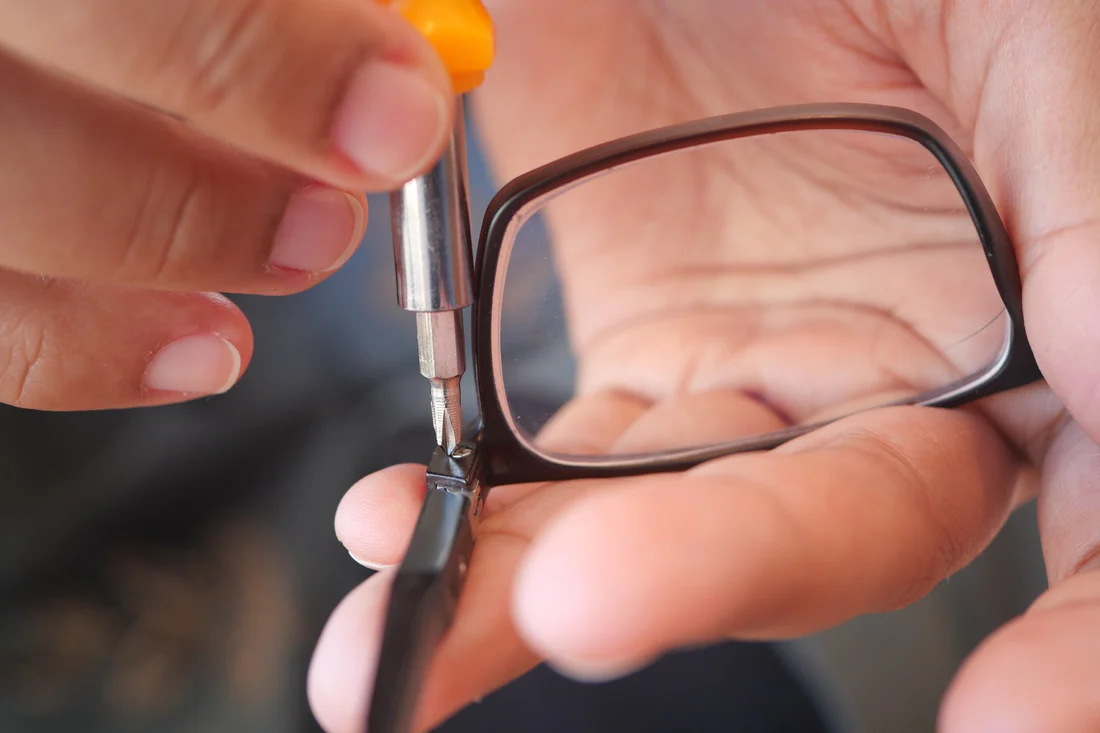
What to Do When Your Glasses Screws Come Loose: The Complete Emergency Eyeglass Repair Kit Guide
Few everyday frustrations are as unexpectedly disruptive as a loose screw in your eyeglasses. One moment your glasses feel perfectly normal, and...
The Pilot’s Choice: Why Mechanical Snap-Fit Eyewear Is Essential in Precision Visual Environments
In aviation, small details determine safety, performance, and decision-making speed. Pilots operate in environments where visual clarity is not simply about comfort...
Stop Buying Fixed FramesWhy Interchangeable Combo Glasses Are the Future of Eyewear
You walked into an optical store.You tried on dozens of frames.You picked one.And then you lived with that choice—every day, every outfit,...
Engineering & Technology Showdown: Screwless Snap-Fit Custom Eyewear — Decoding the Structural Philosophy Behind German and Japanese Custom Brands
Introduction: When Eyewear Becomes EngineeringEyeglasses have quietly transformed from simple vision tools into sophisticated engineering systems. What once relied on tiny screws,...
From a Materials Science Perspective: What Materials Work Best for Custom Eyewear with Mechanical Snap-Fit Structures?
Modern eyewear design has moved far beyond simple hinges and screws. As customization becomes the new standard in optical products, designers and...
How One-Second Color Switch Glasses Transform Your Daily Style
How to Match Your Glasses Frame to Today’s Outfit—EffortlesslyLet’s be honest.You don’t wear the same outfit every day.Some days it’s clean and...
Digital Vision Calibration: How Custom Eyewear Frames Align Your Pupils with the Optical “Golden Position”
In today’s digital-first world, eyewear is no longer just a medical device or a fashion accessory—it has become a precision optical instrument....
Magnets Lose Strength, Mechanical Closures Last: An Economic Audit of Custom Eyewear as a Long-Term Investment
In a marketplace driven by novelty, convenience, and clever marketing, magnetic eyeglass frames have gained attention for their snap-on ease and modular...