
Why Your Custom Glasses Keep Getting Loose: Material Flexibility Indicators You Must Check Before Buying
Custom eyewear is often associated with precision, comfort, and premium craftsmanship. Many buyers expect that once they invest in tailored glasses, the fit will remain stable for years. Yet a common complaint emerges after several months of use: the glasses gradually become loose, slide down the nose, or lose their original alignment.
This issue is rarely caused by poor adjustment alone. In most cases, the real reason lies deeper—in the material flexibility and structural resilience of the frame itself.
Understanding how frame materials behave under daily stress is essential when selecting custom eyewear. Not all premium-looking frames are engineered for long-term stability, and subtle differences in material properties can determine whether your glasses maintain their fit or slowly deform over time.
This comprehensive guide explains why custom glasses loosen, the science behind material toughness, and the key flexibility indicators every buyer should evaluate before purchasing.
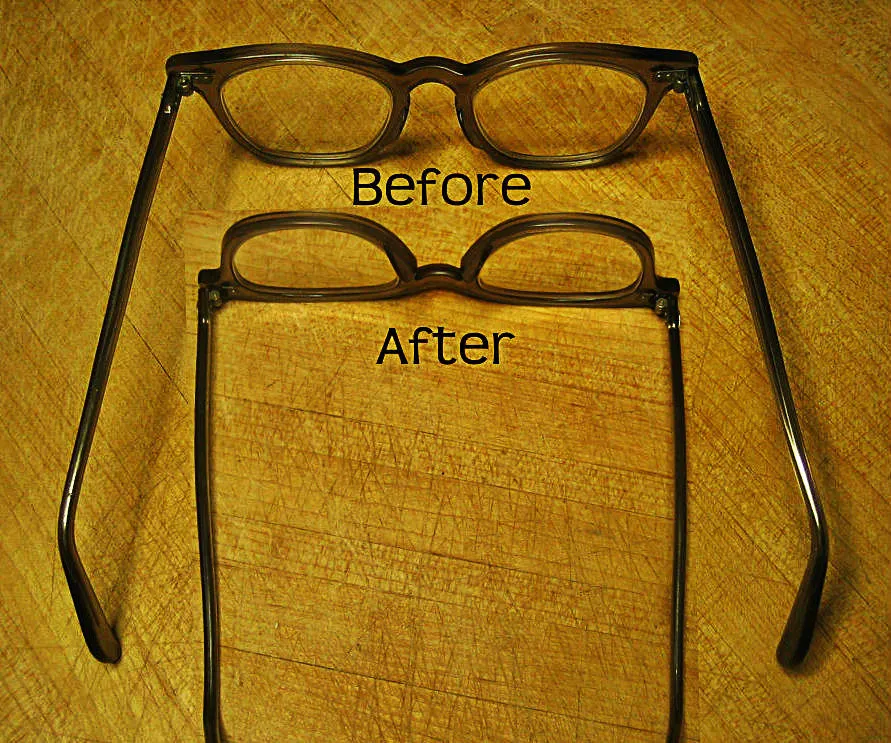
Why Glasses Become Loose Over Time
Glasses experience constant mechanical stress throughout daily wear.
Typical forces include:
- Repeated putting on and removing
- Head movement and facial expressions
- Temperature changes
- Pressure from headphones
- Accidental bending
- Long-term skin oil exposure
Even small forces accumulate into structural fatigue.
When frame materials lack sufficient elasticity or fatigue resistance, microscopic deformation begins. Over time, this leads to noticeable looseness.
The Difference Between Adjustment Problems and Material Failure
Many people assume loose glasses simply need tightening.
However, two very different problems exist:
Adjustment Issue
- Screws loosen
- Nose pads shift
- Temple angles change slightly
- Easily corrected by an optician
Material Fatigue
- Frame slowly widens
- Temples lose tension
- Bridge shape changes permanently
- Requires reshaping or replacement
Material fatigue cannot be permanently fixed through adjustment alone.
Understanding Material Flexibility vs. Softness
A major misconception is that flexible frames are weaker.
In reality:
- Flexibility = ability to return to original shape after bending
- Softness = permanent deformation under stress
High-quality eyewear materials combine flexibility with structural memory.
The goal is controlled elasticity, not softness.
Key Material Property #1: Elastic Modulus (Stiffness Balance)
Elastic modulus measures how much a material resists deformation.
For eyewear frames, the ideal balance is critical:
- Too stiff → brittle and prone to breakage
- Too soft → stretches and becomes loose
Premium custom frames are engineered within a specific stiffness range that allows minor flex without permanent distortion.
Key Material Property #2: Yield Strength
Yield strength indicates the stress level at which material stops returning to its original shape.
Low yield strength results in:
- Temple arms spreading outward
- Reduced grip behind ears
- Constant slipping
Higher yield strength allows frames to maintain fitting pressure over time.
Key Material Property #3: Fatigue Resistance
Eyeglasses undergo thousands of micro-bending cycles every year.
Fatigue resistance measures how well materials survive repeated stress.
Poor fatigue resistance causes gradual loosening even without visible damage.
This property often determines real-world lifespan more than initial strength.
Key Material Property #4: Shape Memory
Shape memory refers to a material’s ability to recover its original form after deformation.
Materials with strong shape memory:
- Maintain alignment longer
- Require fewer adjustments
- Recover from accidental bending
This is especially important for active lifestyles.
Common Frame Materials and Their Long-Term Behavior
Different materials respond very differently to daily wear.
Acetate Frames
Acetate is popular for its aesthetics and comfort.
Advantages:
- Rich color options
- Lightweight feel
- Hypoallergenic qualities
Limitations:
- Sensitive to heat
- Gradual widening possible
- Requires periodic adjustment
High-quality acetate performs well but depends heavily on thickness and manufacturing quality.
TR90 (Thermoplastic Material)
TR90 is widely used in modern eyewear.
Benefits:
- Lightweight flexibility
- Good impact resistance
- Comfortable pressure distribution
Potential issue:
Excess flexibility without adequate structural design may lead to reduced long-term tension.
Stainless Steel Frames
Stainless steel offers durability and slim design.
Advantages:
- Corrosion resistance
- Stable structure
- Lightweight strength
However, lower elasticity compared to advanced alloys can cause gradual widening after repeated bending.
Titanium Frames
Titanium is often considered a premium material.
Benefits include:
- High strength-to-weight ratio
- Excellent corrosion resistance
- Strong fatigue performance
Properly engineered titanium frames maintain fit exceptionally well.
Memory Metal Alloys
Memory metals introduce advanced flexibility.
Characteristics:
- Extreme elasticity
- Shape recovery
- High fatigue resistance
These materials tolerate accidental bending far better than traditional metals.
Why Custom Glasses Sometimes Loosen Faster
Ironically, customization can introduce risks if not executed properly.
Factors include:
- Ultra-lightweight design choices
- Thin frame profiles
- Fashion-first engineering
- Incorrect material selection for face shape
Customization must balance aesthetics with mechanical durability.
The Role of Temple Arm Engineering
Temple arms provide most of the holding force.
Important design factors:
- Cross-sectional thickness
- Internal reinforcement
- Hinge placement
- Flex distribution
Weak temple structures are the most common cause of loosening.
Hinge Design: A Hidden Durability Factor
Hinges experience the highest mechanical stress.
Types include:
Standard Barrel Hinges
Reliable but dependent on screw maintenance.
Spring Hinges
Allow expansion but may lose tension over time.
Integrated Flex Hinges
Distribute stress more evenly and improve longevity.
High-quality hinge integration reduces frame deformation.
Temperature Effects on Frame Stability
Heat significantly affects eyewear materials.
Examples:
- Leaving glasses in a car
- Exposure to sunlight
- Hot water cleaning
Thermoplastics soften temporarily, allowing shape distortion under pressure.
Repeated heat cycles accelerate loosening.
Face Shape and Pressure Distribution
Improper pressure distribution increases material fatigue.
Common problems:
- Frames too wide initially
- Bridge mismatch
- Uneven ear pressure
A well-balanced fit reduces stress concentration and prolongs structural integrity.
Material Thickness vs. Durability
Thinner frames may look refined but often sacrifice stability.
Durability depends on:
- Material composition
- Structural geometry
- Reinforcement zones
Smart engineering allows lightweight frames without compromising toughness.
Indicators to Check Before Buying Custom Glasses
When evaluating frames, examine these critical indicators:
1. Flex Recovery Test
Gently flex temples outward and release.
High-quality materials return smoothly without wobbling.
2. Hinge Resistance
Open and close arms several times.
Movement should feel controlled, not loose or overly stiff.
3. Structural Symmetry
Place frames on a flat surface.
Both temples should align evenly.
4. Material Transparency (for Acetate)
Uniform density indicates better manufacturing quality.
5. Manufacturer Material Disclosure
Reliable brands clearly state alloy composition or polymer type.
The Importance of Professional Fitting
Even the best materials fail without proper fitting.
Professional adjustment ensures:
- Correct temple tension
- Balanced nose pressure
- Optimal alignment
Initial fitting greatly influences long-term stability.
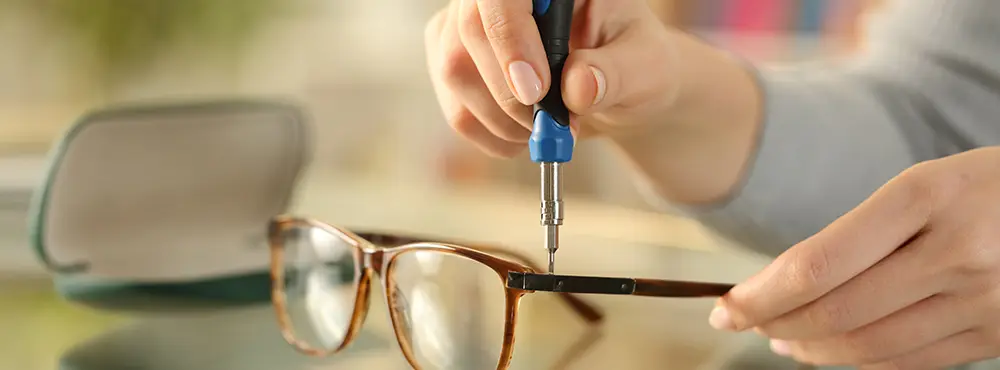
Maintenance Habits That Prevent Loosening
Daily habits significantly affect frame lifespan.
Recommended practices:
- Use both hands when removing glasses
- Store in protective cases
- Avoid placing lenses face-down
- Keep away from heat sources
- Clean gently with approved solutions
Small behaviors reduce cumulative stress.
When Adjustments Are Still Necessary
Even premium frames require occasional tuning.
Typical adjustment frequency:
- Every 6–12 months for daily wearers
- After significant temperature exposure
- Following accidental bending
Regular maintenance preserves original fit.
Signs Your Frame Material Is Failing
Watch for:
- Constant slipping despite adjustment
- Uneven temple angles
- Visible warping
- Reduced ear grip
- Frequent need for tightening
These symptoms suggest material fatigue rather than fitting issues.
Long-Term Cost Perspective
Cheaper frames may appear economical initially but often require replacement sooner.
Higher-quality materials provide:
- Longer service life
- Better comfort stability
- Reduced maintenance
- Improved visual alignment
Durability frequently lowers total ownership cost.
Future Trends in Eyewear Materials
Innovation continues to improve frame longevity.
Emerging developments include:
- Hybrid composite materials
- Carbon-reinforced polymers
- Advanced memory alloys
- AI-assisted frame stress modeling
Future eyewear increasingly blends engineering with personalization.
Building a Stable Custom Eyewear Experience
An ideal custom eyewear solution considers:
- Material elasticity
- Fatigue resistance
- Frame geometry
- Hinge engineering
- Accurate fitting
- Proper maintenance
All elements work together to maintain consistent performance.
Final Thoughts: Stability Starts with Material Intelligence
When custom glasses become loose, the problem is rarely accidental. It is usually the result of material properties that were never optimized for long-term mechanical stress.
Understanding flexibility indicators such as elastic modulus, yield strength, fatigue resistance, and shape memory allows buyers to make informed decisions beyond style alone.
Custom eyewear should do more than look good on day one—it should maintain comfort, alignment, and structural integrity through years of daily use.
By choosing frames engineered with the right balance of strength and flexibility, and by evaluating material toughness before purchase, you ensure that your glasses remain secure, comfortable, and reliable long after the initial fitting.
In the end, true customization is not only about personalization—it is about durability designed to last.

Share this post
The Romance of Earth Tones in Fall: The Color Aesthetics of Trench Coats, Saddle Bags, and Tea-Tinted Sunglasses
Introduction: Falling in Love With the Colors of AutumnThere is something irresistibly romantic about autumn fashion.As summer fades, bright colors gradually give...
Best Glasses for Your Face Shape: Round, Square, Oval & More
Introduction: The Right Glasses Can Transform Your Entire AppearanceChoosing a pair of glasses is about much more than simply correcting your vision....
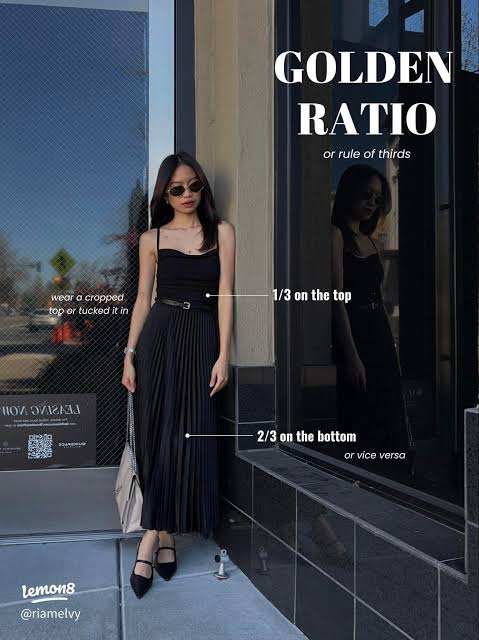
From Head to Toe: The Golden Ratio for Styling Glasses, Clothing, and Bags
Introduction: The Secret to Looking Polished From Head to ToeGreat style is rarely about wearing the most expensive clothes, following every trend,...

Minimalist Style: How Glasses and Bags Add the Perfect Finishing Touch to Black, White, and Gray Outfits
Minimalist fashion is often described as simple, effortless, and timeless. But creating a truly polished minimalist outfit is not as easy as...
Effortless Style: The Perfect Chemistry of Oversized Sweatshirts, Crossbody Bags, and Vintage Metal-Frame Glasses
Introduction: Why Relaxed Style Feels So RightFashion does not always have to look carefully calculated.Sometimes, the most appealing outfit is the one...

The Symphony of Metallic Elements: The Art of Layering Belt Buckles, Chain Bags, and Metal Frames
Introduction: When Metal Becomes a Fashion LanguageFashion has always been a conversation between materials, shapes, and personal expression. Among all design elements,...
Eyeglasses as the Finishing Touch: How to Make Your Frames Blend Perfectly Into Your Everyday Outfits
Eyeglasses are more than a tool for clearer vision. Today, they are one of the most powerful accessories in a modern wardrobe....
Old Money Style Guide: How Cashmere Coats, Premium Leather Bags, and Classic Black Frame Glasses Create Timeless Elegance
Introduction: Understanding the True Meaning of Old Money FashionFashion trends come and go, but true elegance has always been about something deeper...
The Ultimate Style Rescue for Round-Faced Women: How Necklines, Bag Placement, and Geometric Glasses Create a Slimmer Look
Introduction: Redefining Beauty Beyond Face ShapeFor many women with round faces, getting dressed can sometimes feel like a constant battle. The cheeks...
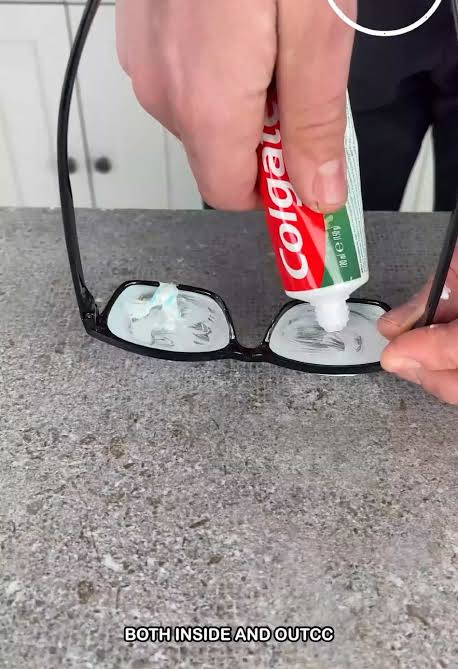
One Swipe, Crystal Clear: The Ultimate Guide to Efficient Eyeglass Cleaning
Introduction: Clear Vision Starts With Proper Lens CareFor millions of people around the world, eyeglasses are an essential part of daily life....
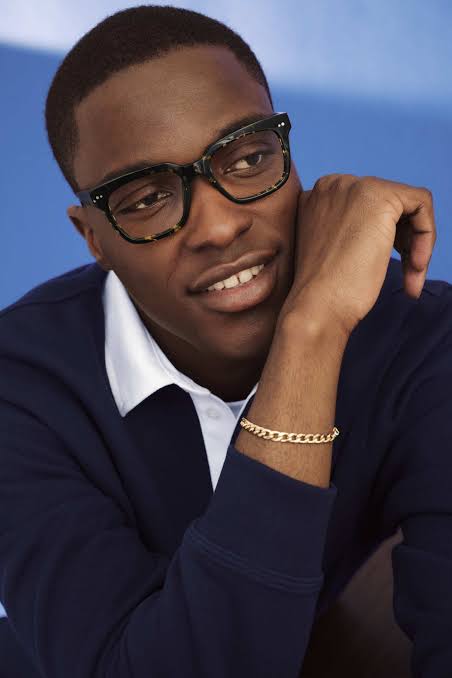
Eyeglasses as the Finishing Touch to Your Outfit: How Frame Shapes Can Elevate Your Style
Introduction: Eyeglasses as the Ultimate Fashion AccessoryWhen people think about fashion accessories, they often consider watches, jewelry, handbags, shoes, or clothing details....
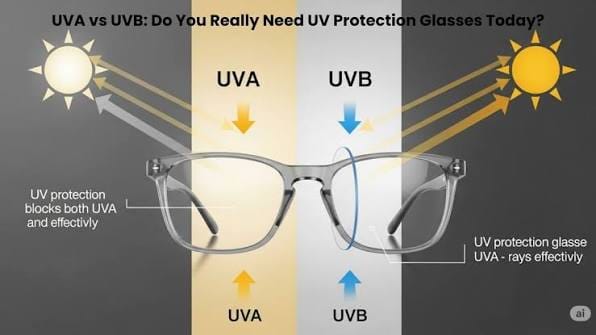
Blue Light Protection or UV Protection? Common Mistakes When Choosing Eye Protection Glasses
Introduction: Choosing the Right Eye Protection Is More Complicated Than It LooksEyeglasses have evolved far beyond simple vision correction tools. Today, consumers...