
Never Leave Your Custom Eyewear on the Dashboard in Summer: The Painful Lesson of Heat Damage
Introduction: A Small Habit That Can Ruin Expensive Eyewear
Every summer, thousands of people unknowingly destroy their custom eyewear without dropping it, scratching it, or sitting on it. The culprit is something far less obvious but far more destructive: heat buildup inside a parked car.
You step out for a quick errand, leave your glasses on the dashboard, and return twenty minutes later thinking nothing has changed. But invisible damage may already be happening. Frames soften, lenses warp, coatings degrade, and carefully calibrated prescriptions begin to shift.
Custom eyewear is not just an accessory. It is precision optical equipment designed specifically for your eyes, face shape, and daily habits. When exposed to extreme temperatures, that precision can be permanently compromised.
This article explores why leaving glasses on a dashboard during summer is one of the most damaging habits for eyewear owners, how heat affects different materials, real-world consequences people experience, and how to properly protect your investment.
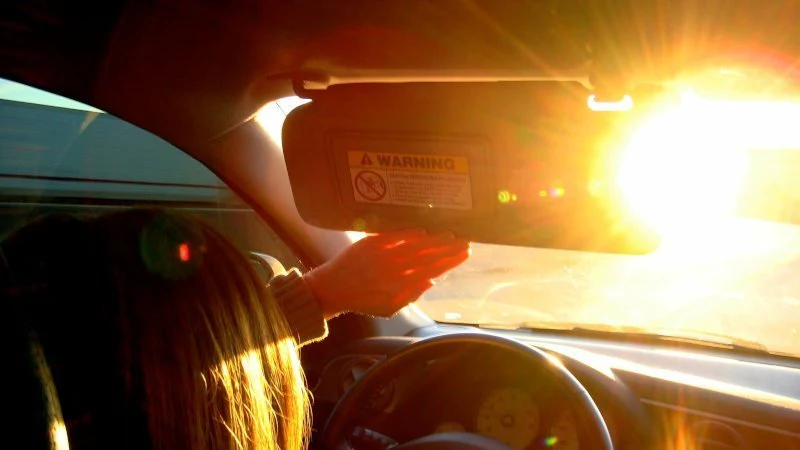
Why Car Dashboards Become Extremely Hot
Many people underestimate how hot a parked vehicle becomes under direct sunlight. Even when outdoor temperatures feel comfortable, the interior of a car transforms into a heat trap.
The Greenhouse Effect Inside Vehicles
Sunlight enters through windows as shortwave radiation. Interior surfaces absorb this energy and re-emit it as heat, which cannot easily escape through glass. The result is rapid temperature escalation.
On a typical summer day:
- Outside temperature: 85°F (29°C)
- Interior after 20 minutes: 120–130°F (49–54°C)
- Dashboard surface temperature: up to 170°F (77°C) or higher
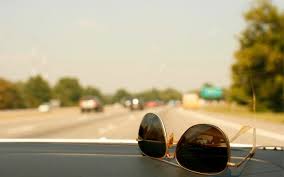
The dashboard receives direct sunlight and absorbs heat faster than nearly any other surface in the car.
For eyewear materials designed to perform comfortably near body temperature, these conditions are extreme.
Custom Eyewear Is More Sensitive Than You Think
Custom glasses differ significantly from mass-produced eyewear sold off the shelf.
They often include:
- Precisely aligned prescription lenses
- Specialized coatings
- Heat-sensitive frame materials
- Personalized adjustments for facial geometry
Even small distortions can reduce optical accuracy.
Precision Alignment Matters
When opticians customize eyewear, they measure:
- Pupillary distance (PD)
- Optical center alignment
- Face tilt and wrap angle
- Nose bridge pressure distribution
Heat can subtly alter frame geometry, shifting lenses by fractions of a millimeter — enough to cause discomfort, eye strain, or blurred vision.
What Heat Actually Does to Eyeglass Frames
Different frame materials react differently to high temperatures, but none are immune.
1. Acetate Frames: Softening and Warping
Acetate is popular for premium eyewear because it allows rich colors and comfortable flexibility. However, it is thermoplastic — meaning heat softens it.
When left on a dashboard:
- Temples may bend outward
- Frame fronts twist
- Nose bridge widens
- Glasses lose symmetry
Once cooled, frames may harden in the distorted shape.
2. TR90 and Plastic Frames: Structural Fatigue
Lightweight polymer frames resist impact but prolonged heat exposure weakens internal structure.
Common outcomes include:
- Reduced elasticity
- Micro-cracks
- Permanent looseness
The frame may look normal initially but fail weeks later.
3. Metal Frames: Expansion and Stress Points
Metal frames expand when heated. Repeated expansion and contraction cycles create stress at hinges and solder points.
This can cause:
- Misaligned temples
- Loose screws
- Invisible structural weakening
Lens Damage: The Hidden Disaster
While frame deformation is visible, lens damage is often worse because it affects vision quality directly.
Lens Warping
Prescription lenses are engineered with precise curvature. Excess heat can slightly alter this curvature.
Symptoms include:
- Visual distortion
- Difficulty focusing
- Headaches after short wear
- Uneven clarity across lenses
Even tiny shape changes disrupt optical performance.
Coating Failure
Modern lenses rely on multilayer coatings:
- Anti-reflective coating
- Scratch resistance layers
- UV protection coatings
- Blue-light filtering layers
High temperatures cause coatings to expand at different rates than the lens substrate, leading to:
- Bubbling
- Peeling
- Cloudy patches
- Rainbow-like distortions
Once coatings fail, repair is impossible — lenses must be replaced.
Real-Life Scenarios: The “It Was Only 10 Minutes” Myth
Many eyewear owners believe short exposure is safe. Unfortunately, damage can occur faster than expected.
Quick Coffee Stop
A driver leaves custom glasses on the dashboard while grabbing coffee. Ten minutes later, lenses feel unusually warm. Weeks afterward, subtle blur appears — caused by gradual coating separation initiated during heat exposure.
Beach Parking Lot
A family parks near the ocean. Afternoon sun intensifies through angled windshields. Frames warp slightly, causing pressure behind one ear and persistent discomfort.
Daily Commute Habit
Repeated short exposures accumulate damage over time, slowly degrading coatings and frame integrity.
Heat damage is often cumulative rather than immediate.
Why Custom Eyewear Suffers More Than Cheap Glasses
Ironically, expensive glasses are often more vulnerable.
Custom eyewear frequently includes:
- Thinner high-index lenses
- Advanced coatings
- Lightweight engineered materials
- Precision adjustments
These enhancements improve comfort and clarity but increase sensitivity to extreme environments.
Budget sunglasses may survive longer simply because they lack complex coatings and optical precision — though they still degrade.
Signs Your Glasses Were Heat-Damaged
Many people continue wearing compromised eyewear without realizing the cause of discomfort.
Watch for these warning signs:
- Glasses no longer sit level
- Sudden headaches while reading
- Blurry vision despite clean lenses
- Reflections appearing stronger than before
- Coating haze or rainbow marks
- Frames slipping more often
If symptoms begin after summer travel or hot-weather driving, heat exposure may be responsible.
The Science Behind Thermal Expansion
All materials expand when heated. The problem arises when different components expand at different rates.
Eyewear combines:
- Lens polymers
- Metallic elements
- Adhesives
- Protective coatings
Each reacts differently to temperature changes. Stress builds between layers, eventually causing separation or distortion.
This is similar to how roads crack during seasonal temperature swings — only at a microscopic level inside your glasses.
Why the Dashboard Is the Worst Possible Location
Other areas inside a car are hot, but dashboards are uniquely dangerous.
Reasons include:
- Direct solar radiation
- Dark surface heat absorption
- Limited airflow
- Reflective windshield amplification
The dashboard essentially acts like a heating plate under sunlight.
Even placing glasses slightly forward near the windshield dramatically increases exposure.
Expensive Repairs and Replacement Costs
Heat damage rarely qualifies under warranty because it is considered environmental misuse.
Typical replacement costs:
- Custom prescription lenses: $150–$600+
- Premium coatings: additional fees
- Frame replacement: $200–$500+
- Re-fitting and adjustments
A moment of convenience can turn into a full replacement expense.
How to Properly Store Eyewear in Summer
Always Use a Protective Case
A hard-shell case reduces temperature exposure and protects shape integrity.
Store glasses:
- Inside a center console
- In a shaded compartment
- In a bag rather than exposed surfaces
Avoid Direct Sunlight Anywhere
Even seats and cup holders can become hot zones. The safest approach is removing eyewear from the vehicle entirely whenever possible.
Use Temperature Awareness
If the steering wheel feels too hot to touch comfortably, conditions are already unsafe for eyewear.
Smart Habits That Prevent Heat Damage
Adopting simple routines dramatically extends eyewear lifespan.
- Develop a “phone-wallet-glasses” exit check
- Keep a spare case in every vehicle
- Avoid placing glasses lens-down
- Never leave eyewear near windshields
Consistency matters more than occasional caution.
Special Considerations for Sunglasses
Many assume sunglasses are heat-resistant because they are designed for outdoor use.
However, sunglasses worn outdoors benefit from airflow and intermittent exposure. A sealed car interior creates sustained high temperatures far beyond normal wearing conditions.
Polarized lenses are particularly vulnerable to heat-induced delamination.
What to Do If Your Glasses Were Left in a Hot Car
If you discover glasses exposed to heat:
- Do not bend frames immediately.
- Allow gradual cooling at room temperature.
- Inspect lenses under light.
- Check alignment on a flat surface.
- Visit an optician if discomfort appears.
Attempting to reshape hot frames yourself can worsen deformation.
Long-Term Eye Comfort Depends on Proper Care
People often blame changing eyesight when discomfort appears, but damaged eyewear is frequently the true cause.
Maintaining optical accuracy requires protecting glasses from environmental extremes just as carefully as physical impact.
Your eyewear works daily to support vision clarity. Proper storage ensures it continues performing as designed.
A Costly Lesson Worth Learning Once
Nearly every optician has heard the same sentence from customers:
“I only left them in the car for a little while.”
Unfortunately, heat damage does not require hours — only the right conditions.
The dashboard may seem convenient, but it is one of the harshest environments your glasses can experience.
Conclusion: Protect Your Vision by Changing One Habit
Custom eyewear represents craftsmanship, technology, and personalization working together to improve everyday life. Yet a simple summer habit can undo that precision in minutes.
Avoid leaving glasses on dashboards, especially during warm months. Store them properly, keep them shaded, and treat them as the optical instruments they truly are.
A small change in routine can prevent warped frames, damaged lenses, unnecessary expenses, and weeks of visual discomfort.
This summer, remember: the safest place for your custom eyewear is never the dashboard — it is with you or safely protected away from heat.
Your future vision clarity depends on it.
Share this post
A Cross-Textural Conversation: The Tactile Collision of Leather Bags, Tweed Clothing, and Wood-Frame Eyewear
Introduction: When Materials Become the Main CharacterFashion is often discussed in terms of color, silhouette, trend, and season. Yet some of the...

The Ultimate Guide to Vacation-Style Outfits: Floral Dresses, Straw Bags, and Round Sunglasses for Summer
Summer is the season of relaxed mornings, warm afternoons, outdoor dinners, weekend getaways, and long-awaited vacations. It is also the perfect time...
The Romance of Earth Tones in Fall: The Color Aesthetics of Trench Coats, Saddle Bags, and Tea-Tinted Sunglasses
Introduction: Falling in Love With the Colors of AutumnThere is something irresistibly romantic about autumn fashion.As summer fades, bright colors gradually give...
Best Glasses for Your Face Shape: Round, Square, Oval & More
Introduction: The Right Glasses Can Transform Your Entire AppearanceChoosing a pair of glasses is about much more than simply correcting your vision....
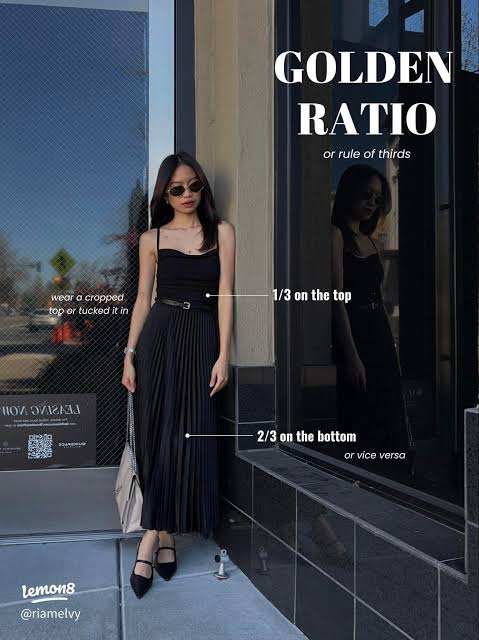
From Head to Toe: The Golden Ratio for Styling Glasses, Clothing, and Bags
Introduction: The Secret to Looking Polished From Head to ToeGreat style is rarely about wearing the most expensive clothes, following every trend,...

Minimalist Style: How Glasses and Bags Add the Perfect Finishing Touch to Black, White, and Gray Outfits
Minimalist fashion is often described as simple, effortless, and timeless. But creating a truly polished minimalist outfit is not as easy as...

Effortless Style: The Perfect Chemistry of Oversized Sweatshirts, Crossbody Bags, and Vintage Metal-Frame Glasses
Introduction: Why Relaxed Style Feels So RightFashion does not always have to look carefully calculated.Sometimes, the most appealing outfit is the one...

The Symphony of Metallic Elements: The Art of Layering Belt Buckles, Chain Bags, and Metal Frames
Introduction: When Metal Becomes a Fashion LanguageFashion has always been a conversation between materials, shapes, and personal expression. Among all design elements,...

Eyeglasses as the Finishing Touch: How to Make Your Frames Blend Perfectly Into Your Everyday Outfits
Eyeglasses are more than a tool for clearer vision. Today, they are one of the most powerful accessories in a modern wardrobe....
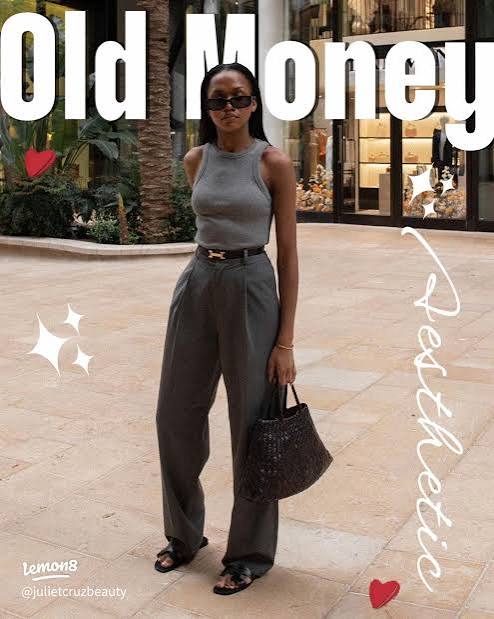
Old Money Style Guide: How Cashmere Coats, Premium Leather Bags, and Classic Black Frame Glasses Create Timeless Elegance
Introduction: Understanding the True Meaning of Old Money FashionFashion trends come and go, but true elegance has always been about something deeper...

The Ultimate Style Rescue for Round-Faced Women: How Necklines, Bag Placement, and Geometric Glasses Create a Slimmer Look
Introduction: Redefining Beauty Beyond Face ShapeFor many women with round faces, getting dressed can sometimes feel like a constant battle. The cheeks...
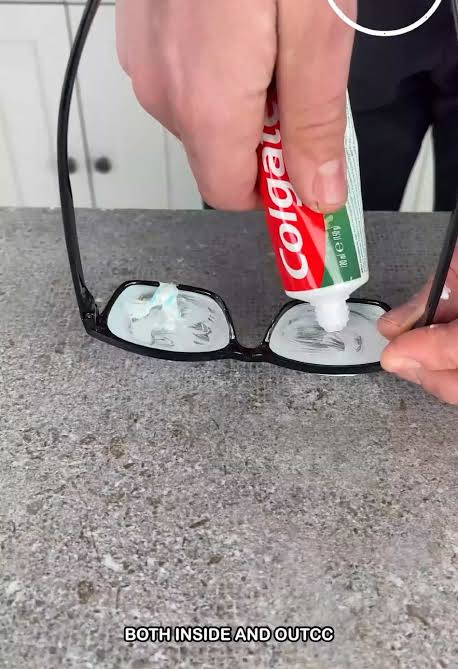
One Swipe, Crystal Clear: The Ultimate Guide to Efficient Eyeglass Cleaning
Introduction: Clear Vision Starts With Proper Lens CareFor millions of people around the world, eyeglasses are an essential part of daily life....