
To the One and Only You – The Aesthetics of Custom Glasses
In a world where trends spread faster than taste, eyewear has quietly become one of the last personal frontiers.
You can wear the same sneakers, the same jacket, even the same phone as someone else—and no one blinks.
But glasses? Glasses sit on your face. They define how people see you before you speak.
And yet, walk into most optical stores and you’ll find rows of frames that look… strangely familiar.
Same shapes.
Same colors.
Same “safe” designs.
This is where the idea of the No-Duplication Lab begins.
Custom eyewear isn’t about luxury for luxury’s sake. It’s about escaping sameness, reclaiming individuality, and engineering a pair of glasses that exists only for you.
This guide breaks down how custom eyewear really works—beyond marketing buzzwords—and how to design frames that never collide with anyone else’s style.
1. Why “Not Crashing Styles” Matters More Than Ever
1.1 The Age of Algorithmic Fashion
Today’s fashion cycles aren’t driven by designers—they’re driven by algorithms.
- Social media promotes what performs well
- Retailers replicate fast sellers
- Consumers unknowingly converge on the same aesthetics
The result?
A world full of people who think they’re expressing themselves—while wearing near-identical products.
Eyewear has not escaped this fate.
1.2 Glasses Are Identity, Not Accessories
Unlike bags or shoes, glasses:
- Sit at eye level
- Frame your expressions
- Appear in every conversation, photo, and meeting
That’s why duplication hits harder here.
When someone else is wearing the same frames as you, it doesn’t feel coincidental—it feels personal.
Custom eyewear exists to solve this exact problem.
2. What Custom Eyewear Really Means (And What It Doesn’t)
2.1 Custom ≠ Expensive Logo Frames
True customization is not:
- Picking from “limited editions”
- Choosing between three preset colors
- Adding your initials inside the temple
That’s personalization-lite.
Custom eyewear means structural, visual, and functional decisions made specifically for your face, lifestyle, and aesthetic preferences.
2.2 The Three Levels of Customization
Level 1: Cosmetic Customization
- Color changes
- Surface finishes
- Decorative elements
Level 2: Structural Customization
- Frame width
- Bridge shape
- Temple length and angle
Level 3: Functional Customization
- Lens purpose (work, driving, sport)
- Magnet or modular systems
- Weight distribution and balance
The No-Duplication Lab operates at Levels 2 and 3, where uniqueness actually lives.
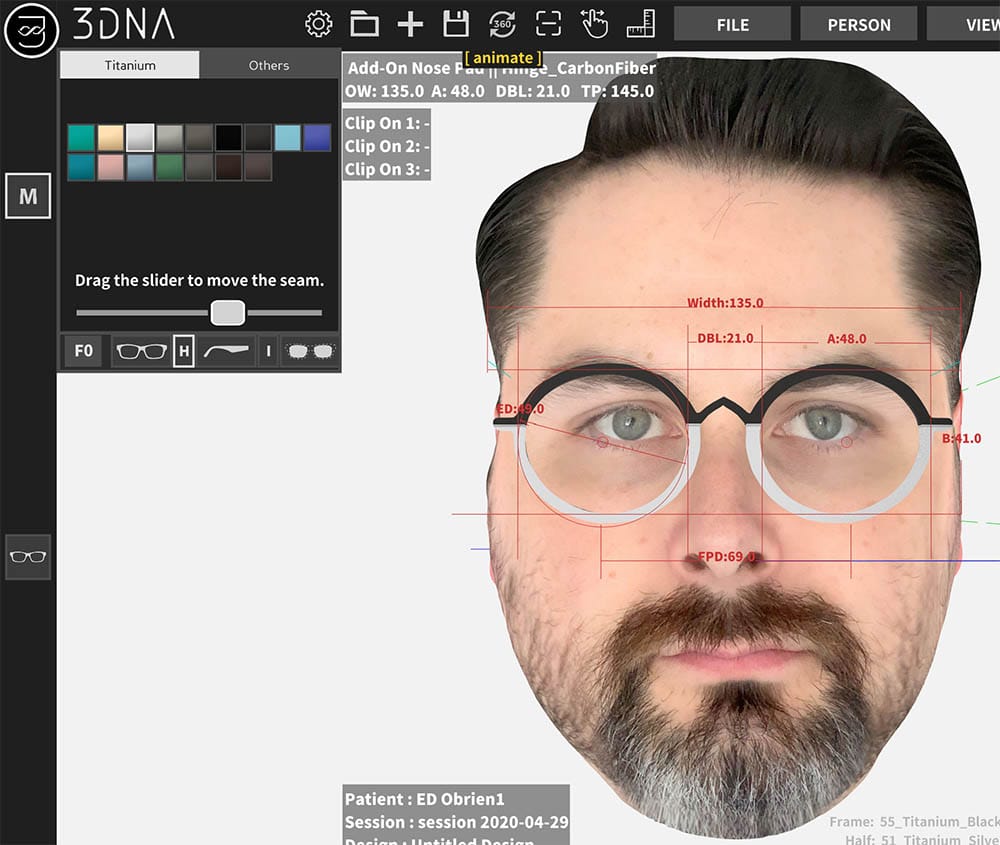
3. The Face as a Landscape, Not a Template
3.1 Why Standard Frames Fail So Many People
Most frames are designed for statistical averages.
But faces are not averages.
They are landscapes:
- With asymmetries
- With depth
- With subtle imbalances that make them human
Custom eyewear respects this reality. Instead of forcing your face to adapt to a product, the product adapts to you.
3.2 When Fit Becomes Invisible
The highest form of design is invisibility.
When glasses:
- Don’t slide
- Don’t pinch
- Don’t distract
They disappear—leaving only confidence behind.
This is not comfort for its own sake.
It is aesthetic clarity.
4. Style as a Personal Language
4.1 Eyewear Speaks Before You Do
Before your voice is heard, your glasses have already said something.
They may suggest:
- Precision or softness
- Authority or creativity
- Distance or warmth
Custom eyewear allows you to edit that message.
Not to impress—but to align.
4.2 Escaping Borrowed Identities
Off-the-shelf frames often carry preloaded identities:
- Intellectual
- Retro
- Minimalist
- Fashion-forward
When you wear them, you inherit those narratives.
Custom eyewear strips those narratives away and replaces them with something quieter and more powerful:
Authenticity.
5. Materials: The Silent Storytellers
5.1 Why Material Is Emotional
Material is the first thing your skin feels.
It has temperature.
Weight.
Texture.
It determines whether glasses feel like an object—or an extension of your body.
Custom eyewear lets material choice reflect not trends, but temperament.
5.2 Aging Gracefully
Mass products are designed to look good when new.
Custom pieces are designed to age well.
Acetate that deepens in tone.
Metal that develops subtle character.
Surfaces that record time rather than resist it.
This is aesthetic maturity.
6. Color: The Most Personal Decision of All
6.1 Beyond Skin Tone Rules
Color theory charts are useful—but limited.
True customization considers:
- Personality
- Emotional contrast
- How you move through different environments
Some people bloom in subtle neutrals.
Others need tension, contrast, or unexpected depth.
Custom eyewear allows color to become self-expression, not correction.
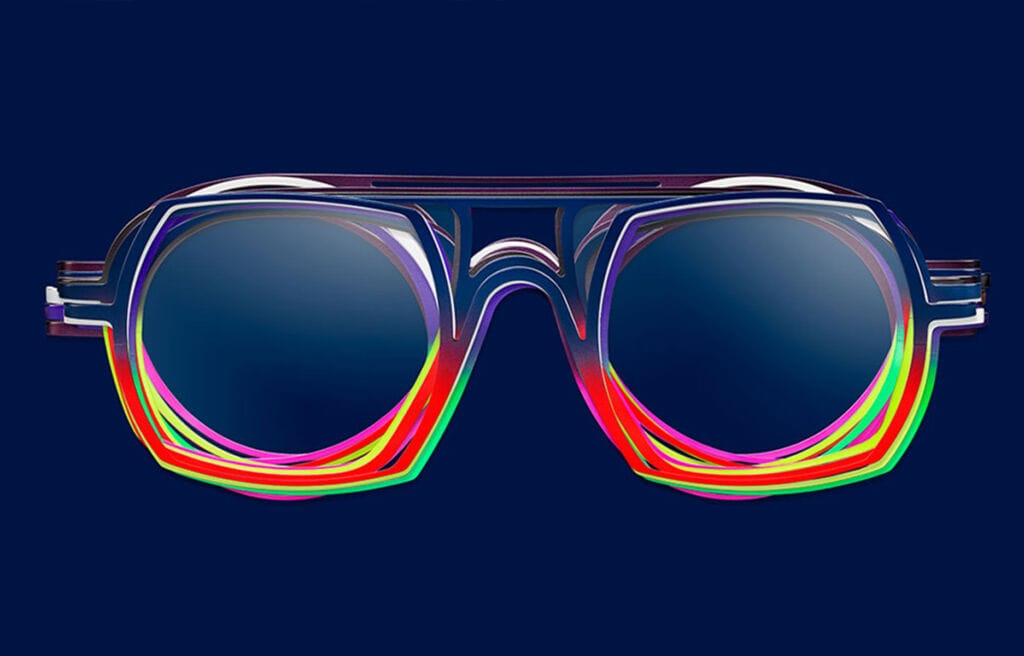
6.2 The Power of Hidden Color
Often, the most beautiful colors are the ones not immediately visible:
- Inner rims
- Temple cores
- Gradients revealed only in motion
These details are not for strangers.
They are for you.
And that intimacy is part of the aesthetic.
7. Function as Beauty
7.1 When Use Shapes Form
Beauty without purpose fades quickly.
Custom eyewear begins with questions:
- How do you work?
- How do you move?
- How do you live?
From these answers, form emerges naturally.
7.2 One Identity, Multiple Contexts
Modern life is layered:
- Professional
- Social
- Private
Custom systems—modular frames, interchangeable lenses—allow one aesthetic identity to adapt without fragmentation.
This is elegance through intelligence.
8. The Emotional Impact of Wearing Something Made for You
8.1 Confidence Without Performance
There is a difference between being noticed and being recognized.
Custom eyewear doesn’t demand attention.
It invites understanding.
People may not know why you look composed—but they feel it.
8.2 When Compliments Change
The most telling moment is when compliments shift from:
- “Those glasses are cool”
to: - “Those glasses are so you”
That’s when design succeeds.
9. Custom Eyewear and Time
9.1 Escaping the Trend Cycle
Trends age quickly because they are built for mass adoption.
Custom aesthetics age slowly because they are rooted in identity.
What reflects you today will continue to feel relevant—not because it’s fashionable, but because you remain consistent within change.
9.2 A Long-Term Relationship
Custom eyewear is not replaced easily.
It becomes familiar.
It becomes trusted.
It becomes part of your visual memory.
This longevity is not accidental—it is designed.
10. Is Custom Eyewear for Everyone?
No.
It’s not for:
- Those seeking instant validation
- Those chasing trends
- Those unwilling to reflect inward
But it is for:
- Those who value intention
- Those who see aesthetics as meaning
- Those ready to be visible on their own terms
11. A Letter to the One and Only You
Custom eyewear is not about standing apart.
It’s about standing accurately.
About choosing frames that do not overshadow you, but reveal you.
About saying—quietly, confidently:
“This is me. Unedited.”
Final Thought: Beauty That Belongs to You
In a world obsessed with replication, originality is an act of care.
Custom eyewear is not a rejection of fashion.
It is a return to self.
Because when something is made for you—truly, thoughtfully, intentionally—it doesn’t just look right.
It feels inevitable.
And that is the highest form of beauty.
Share this post
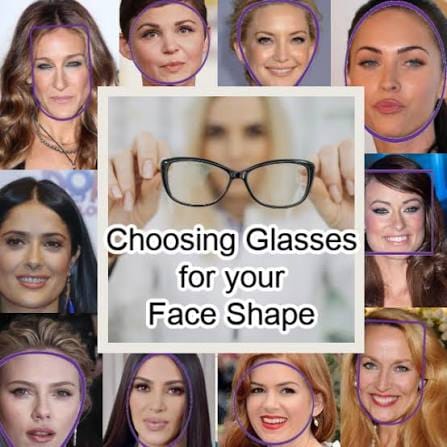
Best Glasses for Your Face Shape: Round, Square, Oval & More
Introduction: The Right Glasses Can Transform Your Entire AppearanceChoosing a pair of glasses is about much more than simply correcting your vision....
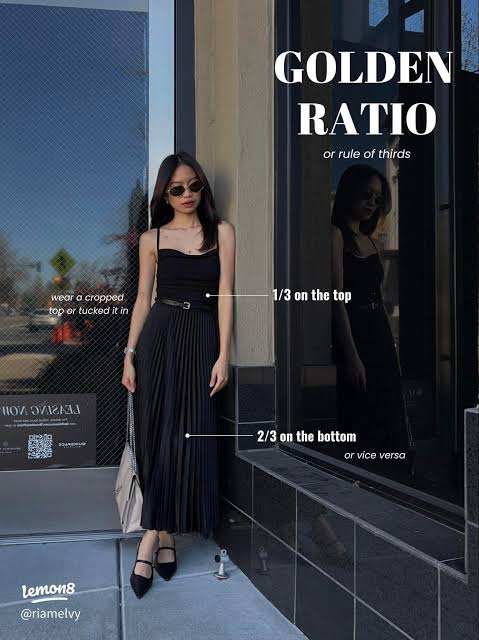
From Head to Toe: The Golden Ratio for Styling Glasses, Clothing, and Bags
Introduction: The Secret to Looking Polished From Head to ToeGreat style is rarely about wearing the most expensive clothes, following every trend,...

Minimalist Style: How Glasses and Bags Add the Perfect Finishing Touch to Black, White, and Gray Outfits
Minimalist fashion is often described as simple, effortless, and timeless. But creating a truly polished minimalist outfit is not as easy as...
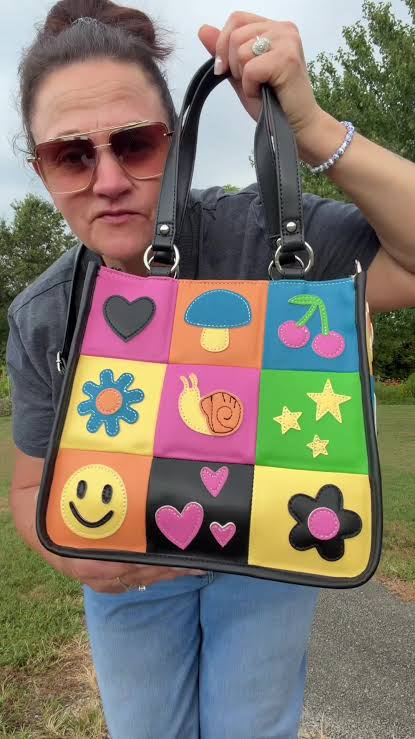
Effortless Style: The Perfect Chemistry of Oversized Sweatshirts, Crossbody Bags, and Vintage Metal-Frame Glasses
Introduction: Why Relaxed Style Feels So RightFashion does not always have to look carefully calculated.Sometimes, the most appealing outfit is the one...
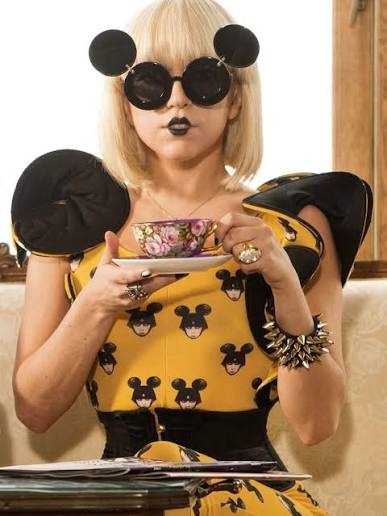
The Symphony of Metallic Elements: The Art of Layering Belt Buckles, Chain Bags, and Metal Frames
Introduction: When Metal Becomes a Fashion LanguageFashion has always been a conversation between materials, shapes, and personal expression. Among all design elements,...
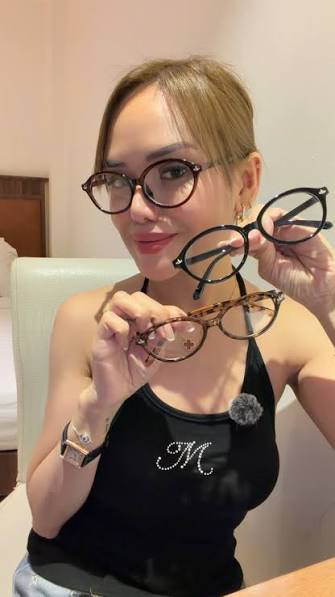
Eyeglasses as the Finishing Touch: How to Make Your Frames Blend Perfectly Into Your Everyday Outfits
Eyeglasses are more than a tool for clearer vision. Today, they are one of the most powerful accessories in a modern wardrobe....
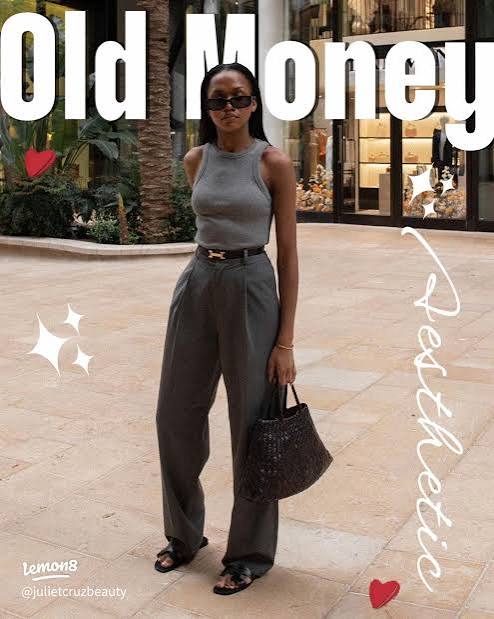
Old Money Style Guide: How Cashmere Coats, Premium Leather Bags, and Classic Black Frame Glasses Create Timeless Elegance
Introduction: Understanding the True Meaning of Old Money FashionFashion trends come and go, but true elegance has always been about something deeper...
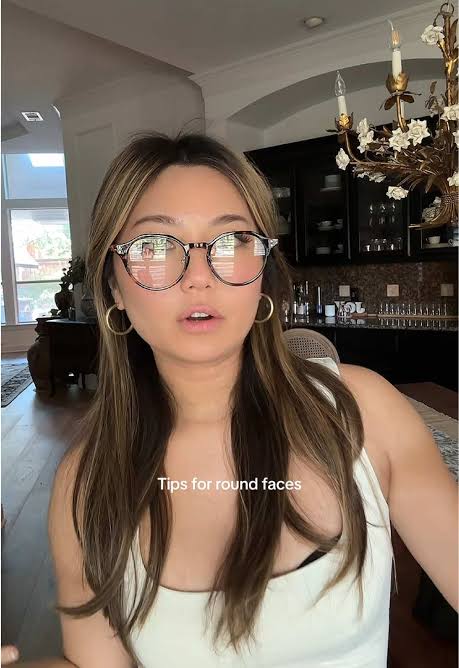
The Ultimate Style Rescue for Round-Faced Women: How Necklines, Bag Placement, and Geometric Glasses Create a Slimmer Look
Introduction: Redefining Beauty Beyond Face ShapeFor many women with round faces, getting dressed can sometimes feel like a constant battle. The cheeks...
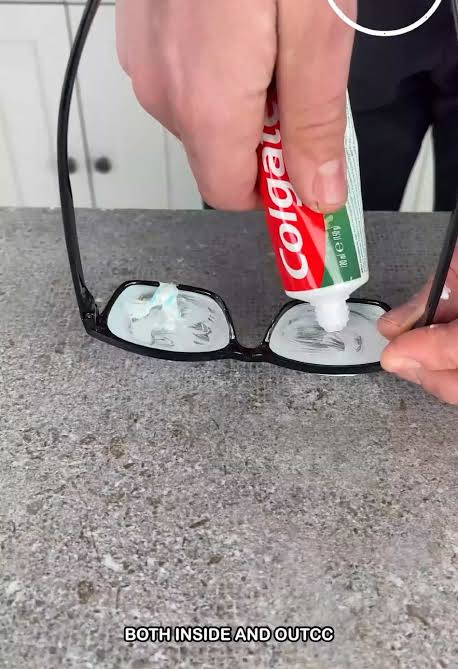
One Swipe, Crystal Clear: The Ultimate Guide to Efficient Eyeglass Cleaning
Introduction: Clear Vision Starts With Proper Lens CareFor millions of people around the world, eyeglasses are an essential part of daily life....
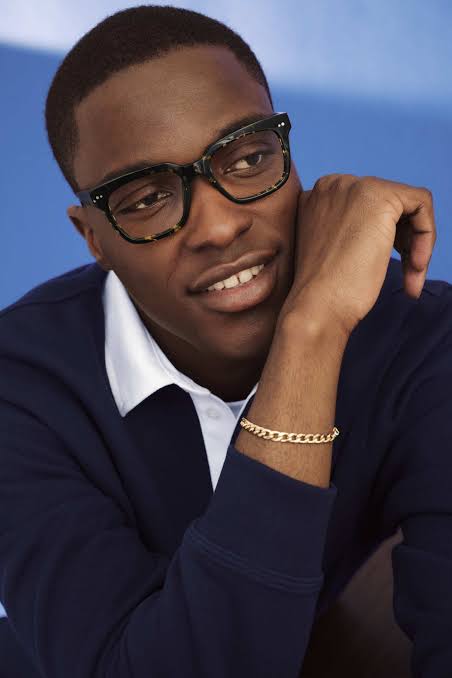
Eyeglasses as the Finishing Touch to Your Outfit: How Frame Shapes Can Elevate Your Style
Introduction: Eyeglasses as the Ultimate Fashion AccessoryWhen people think about fashion accessories, they often consider watches, jewelry, handbags, shoes, or clothing details....
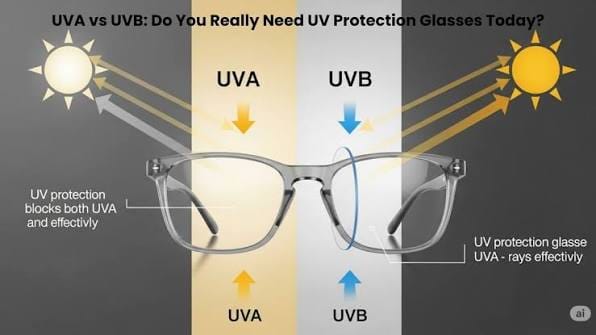
Blue Light Protection or UV Protection? Common Mistakes When Choosing Eye Protection Glasses
Introduction: Choosing the Right Eye Protection Is More Complicated Than It LooksEyeglasses have evolved far beyond simple vision correction tools. Today, consumers...
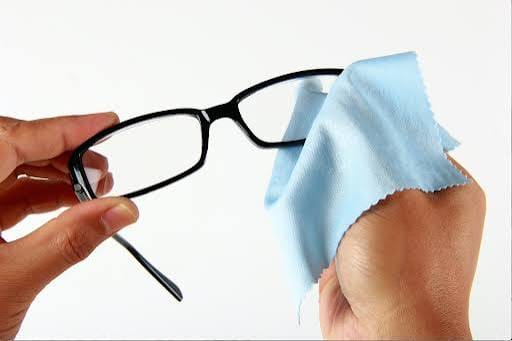
Care for Your Glasses Like You Care for Your Skin: The Complete Guide to Eyewear Maintenance
Introduction: Your Glasses Deserve More Than Just a Quick WipeMany people spend time and money caring for their skin every day.They choose...